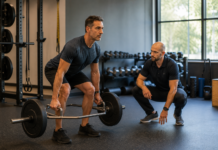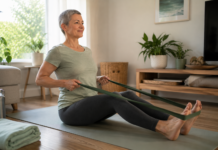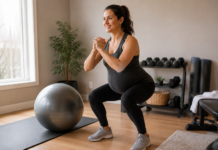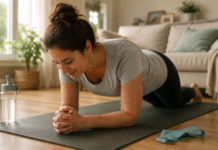



























Flexibility isn’t about doing party tricks—it’s about giving joints enough comfortable range to move with control so tissues aren’t forced into risky end ranges. In practical terms, better range of motion (ROM) spreads loads across joints, reduces compensations, and helps you use safer technique in sport, training, and daily life. Here’s the short answer readers often want first: flexibility helps prevent injuries when it’s trained purposefully (with dynamic mobility before activity and targeted stretching between sessions) and paired with strength and skill. The sections below unpack 10 specific, evidence-informed benefits and show exactly how to apply them. This article is educational, not medical advice; if you have pain or a condition, talk to a qualified clinician.
1. Safer Range of Motion Reduces End-Range Tissue Strain
Improving flexibility gives you usable room to move, which reduces the need to “jam” into end range where tissues are most vulnerable. In squats, lunges, presses, or everyday tasks like bending to pick up a box, limited ROM forces compensations: the back rounds early, knees cave inward, or the shoulder hikes, each spiking stress somewhere it doesn’t belong. Better ROM allows neutral joint positions, smoother force transmission, and less shear on passive structures. While stretching alone is not a silver bullet, major guidelines still include flexibility as a pillar of fitness to maintain or increase joints’ range of motion across the lifespan, particularly when coupled with strength and balance work.
1.1 Why it matters
- End-range positions concentrate stress; ample ROM lets you operate in mid-range where tissues tolerate load best.
- Technique quality improves: heels stay down in squats, bars travel vertically in presses, and spines remain neutral under load.
- Comfortable ROM supports progressive overload without “borrowing” motion from neighboring joints.
1.2 How to do it
- Before activity: 5–10 minutes of joint-specific dynamic mobility (leg swings, hip circles, inchworms).
- Between sessions: Static stretches for key restrictions—hold 10–30 seconds (up to ~60 seconds for older adults), 2–4 sets.
- Pair with strength: Follow mobility with light technique sets, then load gradually.
1.3 Numbers & guardrails
- Most adults can hold stretches 10–30 seconds, repeating to reach a total time of 60 seconds per muscle; older adults may benefit from up to 60 seconds per rep (as summarized from ACSM guidance). Stop with sharp pain.
Bottom line: More usable ROM = less compensatory strain and safer mechanics in training and daily life.
2. Targeted Hamstring Flexibility Helps Lower Muscle-Strain Risk
Hamstring strains are common in field and court sports, sprinting, and weekend pickup games. Research on flexibility as a risk factor shows mixed but informative signals: some prospective studies suggest lower hamstring flexibility is a weak risk factor for strain, especially when combined with limited ankle dorsiflexion; others find minimal effect compared with stronger predictors like previous injury and inadequate eccentric strength. Practically, combining hamstring lengthening (to tolerate late-swing lengthening in sprinting) with eccentric strengthening (e.g., Nordic hamstring curls) is the most defensible approach. Flexibility on its own may not eliminate risk, but addressing clear deficits contributes to a safer muscle-tendon unit during high-speed tasks. British Journal of Sports MedicineBioMed Central
2.1 Mini-checklist
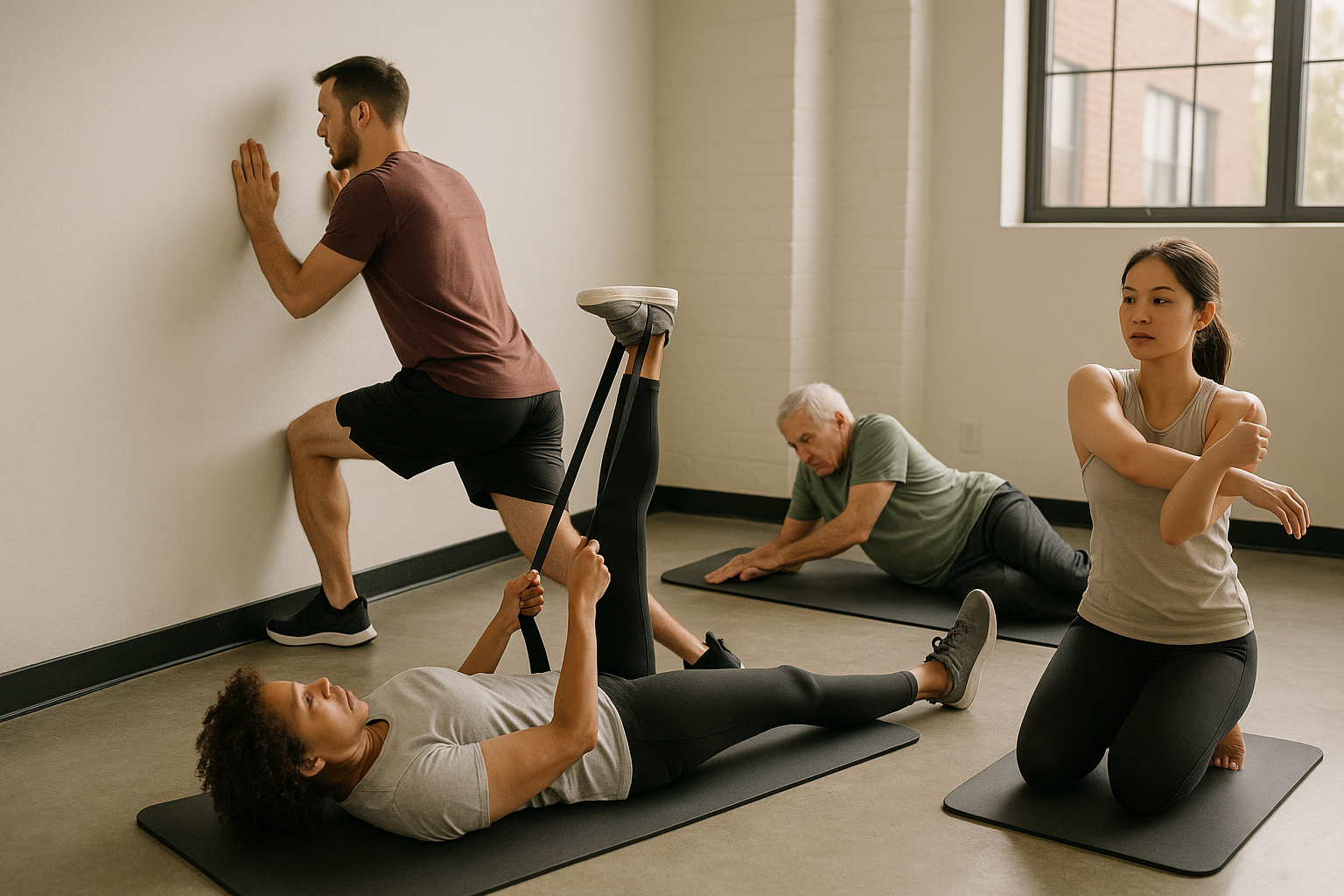
- Assess passive knee extension ROM (simple supine test with strap).
- If limited, add supine hamstring strap stretch and 90/90 nerve-friendly glides if tolerated.
- Train eccentrics 2–3×/week in season (Nordics, RDLs), progress volume cautiously.
- Taper intense eccentric work 3–4 days before key sprint sessions.
2.2 Numbers & guardrails
- For flexibility work, accumulate ~60–120 seconds per side.
- For Nordics, beginners might start with 2–3 sets of 3–5 reps, increasing weekly as tolerated.
Bottom line: Treat flexibility as one piece of a proven hamstring-injury strategy alongside eccentric strength and smart sprint progressions.
3. Hip and Groin Mobility Eases Adductor-Related Injury Risk
Groin pain often shows up where change-of-direction demands outpace hip ROM and adductor tissue tolerance. Systematic reviews identify hip ROM and adductor strength as commonly investigated risk factors; while methods vary, lower sport-specific ROM frequently associates with adductor-related groin pain. In practice, restoring frontal-plane hip mobility (abduction/adduction) and multi-planar control allows energy to transfer cleanly through the pelvis during cutting, reducing supraphysiological load on the adductors. Combine flexibility work (adductor and hip flexor stretches) with strength (adductor squeezes, Copenhagen planks) for the biggest protective payoff. PubMed
3.1 How to do it
- Flexibility: Frog stretch (adductors), half-kneeling hip flexor stretch (psoas/rectus), and adductor rock-backs.
- Strength: Copenhagen side planks, adductor squeezes with a ball, lateral lunges emphasizing depth and knee-over-toe tracking.
- Change-of-direction drills: Shuffle-cut patterns with controlled angles; progress speed only when positions stay clean.
3.2 Common mistakes
- Stretching aggressively without building adductor strength.
- Neglecting lateral-plane footwork—ROM won’t transfer if the pattern is never practiced.
- Pushing depth despite pelvic tuck or lumbar compensation.
Bottom line: Restore hip ROM and adductor strength together to reduce groin strain risk in sports with cutting and lateral demands.
4. Adequate Ankle Dorsiflexion Protects the Knee During Landings
Limited ankle dorsiflexion forces the knee and hip to absorb landing forces in riskier alignments—often with more valgus (knee collapsing inward) and higher ground-reaction forces. Studies link reduced dorsiflexion to poorer landing postures; interventions that increase dorsiflexion (joint-specific mobility and technique feedback) can improve mechanics and reduce impact markers that are implicated in ACL risk. For athletes jumping and cutting—or anyone stepping off curbs and stairs—adequate dorsiflexion is a quiet but powerful protective factor. JOSPT
4.1 Practical drills
- Knee-to-wall test (self-screen): aim for ~10 cm+ toe-to-wall while the heel stays down.
- Mobilize: Half-kneeling ankle rocks (with band distraction if coached), calf slant-board holds, tibial translation drills.
- Integrate: Small-box landings, focusing on soft, knee-over-foot landings and full-foot pressure.
4.2 Numbers & guardrails
- Accumulate 60–120 seconds of dorsiflexion stretch/mobilization per side, then perform 8–12 technique landings.
- If pain or pinching persists in the front of the ankle, reduce depth and consult a clinician.
Bottom line: More dorsiflexion = cleaner landings and friendlier knee mechanics during jumps, cuts, and everyday steps.
5. Overhead Shoulder Mobility (Fixing GIRD) Reduces Throwing-Related Pain
Overhead athletes (and lifters) often develop glenohumeral internal rotation deficit (GIRD)—tight posterior shoulder structures that shift humeral rotation, increase shear, and predispose to pain and injury. Reviews highlight GIRD as a meaningful risk factor; classic posterior capsule stretches (sleeper and cross-body) are frequently prescribed, although evidence on stretching’s standalone effectiveness is mixed. Practically, restoring symmetrical rotation with posterior soft-tissue mobility, scapular control, and gradual load supports healthier overhead mechanics and reduces impingement-type symptoms. ScienceDirect
5.1 Mini-protocol
- Assess: Compare internal rotation side-to-side at 90° abduction; note posterior shoulder tightness.
- Stretch: Sleeper stretch and cross-body adduction (2–4 sets × 20–30 s).
- Reinforce: Scapular upward-rotation work (wall slides, serratus punches), controlled overhead carries.
5.2 Notes & nuance
- Evidence suggests stretching can help address posterior tightness, but multimodal approaches (manual therapy, motor control, strength) tend to produce better outcomes than stretching alone. PubMed
Bottom line: Fixing posterior shoulder tightness and restoring balanced rotation protects the throwing shoulder and makes overhead lifting feel safer.
6. Balanced Left–Right ROM Cuts Compensatory Overuse
In both athletes and desk-to-dumbbell movers, asymmetries in flexibility and ROM can shift workload to one side, fostering overuse in tendons and joints. The goal isn’t perfect symmetry (humans are delightfully asymmetrical) but functional symmetry—enough similarity that your movement patterns look and feel the same. Screening for side-to-side ROM gaps (e.g., hip rotation, ankle dorsiflexion, shoulder flexion) and closing large discrepancies reduces the need for compensations like trunk lean or knee valgus, which elevate injury risk over time. Evidence linking specific asymmetries to specific injuries varies by sport, but as a general prevention habit, minimizing large ROM gaps pays off in cleaner technique and more predictable loading.
6.1 Mini-checklist
- Do quick quarterly ROM checks: ankle dorsiflexion wall test, hip IR/ER seated check, shoulder flexion wall test.
- If one side is behind by >10–15%, program extra sets for that side until parity is restored.
- Pair flexibility with unilateral strength (split squats, single-leg RDLs, one-arm presses).
6.2 Numbers & guardrails
- Track symmetry changes over 4–6 weeks; chase consistency, not extremes.
- If asymmetries persist despite targeted work, get a personalized assessment.
Bottom line: Close meaningful ROM gaps so movement looks the same on both sides—your tissues will thank you.
7. Dynamic Mobility in Warm-Ups Lowers Overall Injury Rates
A warm-up that includes dynamic mobility and movement prep (instead of only static stretching) boosts temperature, primes the nervous system, and rehearses sport-specific patterns. Large-scale programs like FIFA 11+—which weave mobility, balance, plyometrics, and core into 15–20 minutes—have repeatedly demonstrated lower injury rates and severity across youth and adult sports. You don’t need to be a footballer to benefit: adapting this template for running, court sports, or gym training provides a systematic layer of protection while enhancing performance.
7.1 Build your 12–15 minute template
- Activate: Glute bridges, mini-band walks.
- Mobilize dynamically: Walking lunges with rotation, inchworms, leg swings.
- Plyo prep: Low-level hops, stick landings, skipping patterns.
- Skill rehearsal: 2–3 sport-specific moves at submax effort.
7.2 Numbers & guardrails
- Keep static stretches brief pre-session (or save them for post-training) and prioritize dynamic drills.
- Progress the intensity last, after positions look crisp.
Bottom line: Purposeful dynamic warm-ups reduce injury risk while making the main session feel better and faster.
8. Load-Friendly Posture: Hip Flexor & Hamstring Flexibility Helps the Low Back
Many “tweaks” during lifting or daily bending happen when the hips don’t provide enough motion, forcing the lumbar spine to flex or extend under load. Restoring hip flexor (front) and hamstring (back) flexibility gives the pelvis room to tilt neutrally, allowing the spine to stay organized through hinges and squats. Clinical guidelines for low-back pain emphasize exercise-based care (including mobility and strengthening) over passive treatments; while back pain is multifactorial, improving hip ROM removes a common mechanical roadblock that otherwise pushes stress into the lumbar tissues. Pair mobility with hip-dominant strength (hinges, carries) and bracing skills so your back isn’t asked to do a hip’s job.
8.1 How to do it
- Hip flexors: Half-kneeling stretch with posterior pelvic tilt; add overhead reach to bias psoas.
- Hamstrings: Supine strap stretch; progress to RDLs with slow eccentrics.
- Integration: Hip-hinge patterning (dowel along back), suitcase carries, box squats.
8.2 Guardrails
- Avoid aggressive lumbar extension in hip-flexor stretches; tuck the pelvis gently.
- Keep breathing calm; pain or nerve-like symptoms mean back off and consult a pro.
Bottom line: Free up the hips so the low back can stay neutral and resilient under daily and training loads.
9. Flexibility Supports Fall-Prevention in Older Adults
For older adults, the best-evidence fall-prevention programs combine balance, gait, strength, and mobility/flexibility elements—often via Tai Chi, multi-component classes, or home programs. The USPSTF (June 2024) issues a Grade B recommendation for exercise interventions to prevent falls in community-dwelling adults 65+ at increased risk. Flexibility matters here because adequate ankle and hip motion enables effective balance reactions, safe step length, and confidence in daily tasks like turning or reaching. Add simple mobility drills (ankle rocks, calf stretches, thoracic rotations) to strength and balance training to help reduce fall risk and maintain independence.
9.1 Practical starter plan (3×/week)
- Mobility: Ankle dorsiflexion rocks, calf and hamstring holds (20–40 s), seated thoracic rotations.
- Strength: Sit-to-stands, step-ups, heel raises.
- Balance: Tandem stands, lateral weight shifts, supported single-leg stands.
9.2 Region-specific notes
- In communities with uneven sidewalks or frequent load-shedding (dark stairwells, Pakistan and similar contexts), ankle and hip mobility plus flashlight use and handrails meaningfully reduce trip risk. Pair with supportive footwear.
Bottom line: Mobility enables the balance strategies that keep older adults upright—and active.
10. Occupational Mobility Breaks Reduce Work-Related Aches and Niggles
Desk-bound and tool-heavy jobs both narrow movement options: the former stiffen hips, thoracic spine, and shoulders; the latter overuse the same angles all day. Micro-mobility breaks (60–120 seconds each hour) restore ROM, disperse tissue stress, and improve comfort, making it less likely a “nothing” move becomes a strained neck or shoulder. While workplace stretching alone isn’t a cure-all, coupling short flexibility breaks with workstation tweaks (screen height, arm support) and light strength (scapular pulls, hip hinges) reduces cumulative load on the spine and shoulders and supports injury-resilient posture.
10.1 Two ultra-short mobility circuits
- Desk day (2 minutes): 10 thoracic extensions over chair, 10–15 doorway pec holds (20 s), 10 seated ankle rocks per side.
- Shop floor (2 minutes): 10 deep squat prying rocks holding a rack, 10 calf step stretches, 10 wrist flexor/extensor holds (20 s).
10.2 Guardrails
- Keep stretches mild–moderate; numbness or radiating pain = stop.
- Set a reminder each hour; after lunch, add a 5-minute walk.
Bottom line: Frequent, tiny flexibility snacks keep work postures from becoming injuries.
FAQs
1) Do I need to stretch before every workout to prevent injury?
Not necessarily. The best evidence favors dynamic warm-ups before training (mobility + activation + rehearsal) and using static stretching later to address specific restrictions. Dynamic prep primes the nervous system and rehearses positions, which has stronger injury-prevention support than holding long stretches pre-session. Save your longer holds for after training or on off days, and use them to target the actual limitations you’ve identified.
2) How long should I hold stretches?
A practical, guideline-consistent range is 10–30 seconds per rep, building to about 60 seconds total per muscle (older adults can hold up to 60 seconds per rep). The goal is comfortably challenging tension, never pain or numbness. After stretching, reinforce new ROM with light skill practice (e.g., technique squats or overhead dowel presses) to “teach” your brain to use it.
3) Does stretching stop DOMS?
Stretching has little to no effect on delayed-onset muscle soreness according to updated systematic reviews. It can feel good and may improve range for the next session, but don’t expect it to eliminate soreness. For soreness management, think sleep, nutrition, gradual progressions, and light movement.
4) Is flexibility or strength more important for preventing injury?
Both matter, but they play different roles. Strength and load tolerance are primary protectors in most sports, while flexibility increases movement options and reduces compensations. The winning combo is adequate ROM + strong control in the ranges your activity uses. For example, combine hamstring flexibility with eccentric strength to reduce strain risk in sprinting sports.
5) Can poor ankle mobility really affect my knees?
Yes. Limited dorsiflexion is linked with less favorable landing mechanics—like increased knee valgus and higher impact forces—both of which are associated with knee injury mechanisms. Mobilize the ankle and practice soft, quiet landings to translate gains to movement.
6) I’m a desk worker. Will a daily yoga video fix my shoulder and neck aches?
It can help, but frequency beats duration. Short, hourly mobility snacks (pec doorway holds, thoracic extensions, neck glides) plus workstation tweaks often outperform a single long session. Add light pulling strength (band face-pulls) a few times a week to reinforce open shoulders. Consistency over weeks is what changes how you feel.
7) I heard static stretching before lifting makes you weaker—is that true?
Long static holds immediately before explosive or maximal strength work can transiently reduce power in some contexts. Keep pre-session static holds brief and use dynamic mobility instead. Place longer holds after training or on recovery days, then reinforce with technique reps.
8) What’s the fastest way to know which areas I should stretch?
Self-screen with three quick checks: ankle knee-to-wall, hip rotation seated, and shoulder flexion wall test. Wherever you find a meaningful limit—or a side-to-side gap of >10–15%—prioritize that area for 4–6 weeks. Film your lifts to see if technique improves as ROM improves.
9) Do older adults need a different flexibility plan?
Older adults benefit from slightly longer holds (up to ~60 seconds) and a strong emphasis on balance, gait, and strength alongside mobility. Programs like Tai Chi and multicomponent exercise reduce falls, and adding ankle/hip mobility makes balance strategies more effective. If dizziness, pain, or unsteadiness occurs, stop and get assessed.
10) Which warm-up program should athletes copy?
Use the FIFA 11+ as a blueprint: 15–20 minutes combining mobility, balance, agility, plyometrics, and core control. Adapt exercises to your sport—runners can swap lateral shuffles for marching drills; lifters can add bar path rehearsals. The key is consistency: 2–3 times per week shows benefits in injury reduction studies.
Conclusion
Flexibility is not about chasing extreme ranges; it’s about having enough comfortable motion to move well, absorb force safely, and share load across tissues. In real life, that translates into fewer awkward end-range “yanks,” better landing mechanics, healthier shoulders overhead, hips that let the spine stay neutral, and mobility that empowers balance strategies—especially for older adults. Across sports and daily life, dynamic mobility before activity and targeted stretching between sessions deliver the most protective value, particularly when paired with strength, skill rehearsal, and smart progressions.
If you’re starting from stiff: pick 2–3 items above that clearly match your needs (e.g., ankle dorsiflexion + dynamic warm-up), apply the numbers and guardrails, and re-test every 4–6 weeks. Expect small weekly gains that add up. When in doubt, film your movement, compare left to right, and adjust. Over time, you’ll spend less energy fighting your body and more time doing what you love—safely.
Ready to start? Choose one area, set a 10-minute timer, and follow the plan today.
References
- American College of Sports Medicine Position Stand: Quantity and Quality of Exercise for Developing and Maintaining Cardiorespiratory, Musculoskeletal, and Neuromotor Fitness in Apparently Healthy Adults, ACSM/Medicine & Science in Sports & Exercise, 2011. PubMed
- ACSM’s Guidelines for Exercise Testing and Prescription (Book overview), American College of Sports Medicine, accessed 2025. ACSM
- Soussi B, et al. The Effect of the FIFA 11+ Warm-Up Program on Knee Instability and Motor Performance in Youth Soccer, Sports Medicine – Open, 2025. PMC
- Eser C, et al. Effectiveness of the FIFA 11+ Injury Prevention Programme: A Systematic Review and Meta-analysis, Sports, 2025. MDPI
- Akbari H, et al. Ankle Dorsiflexion Range of Motion and Landing Postures, BMC Sports Science, Medicine and Rehabilitation, 2023. PMC
- Almansoof HS, et al. Role of Ankle Dorsiflexion in Sports Performance and Injury Risk: A Narrative Review, 2023. Electronic Journal of General Medicine
- van Dyk N, Farooq A, Bahr R, Witvrouw E. Hamstring and Ankle Flexibility Deficits Are Weak Risk Factors for Hamstring Injury in Professional Soccer Players, American Journal of Sports Medicine, 2018. PubMed
- Tak I, et al. Is Lower Hip Range of Motion a Risk Factor for Groin Pain in Athletes?, British Journal of Sports Medicine, 2017. PMC
- Johnson JE, et al. Glenohumeral Internal Rotation Deficit and Injuries: A Literature Review, Orthopaedic Journal of Sports Medicine, 2018. PMC
- U.S. Preventive Services Task Force. Interventions to Prevent Falls in Community-Dwelling Older Adults: Final Recommendation Statement, June 4, 2024. USPSTF
- Nicholson WK, et al. Interventions to Prevent Falls in Community-Dwelling Older Adults: USPSTF Recommendation Statement, JAMA, 2024. JAMA Network
- American Heart Association News. How Much and How Often Should People Stretch?, Aug 7, 2024. www.heart.org
- Herbert RD, et al. Stretching to Prevent or Reduce Muscle Soreness After Exercise, Cochrane Review (updated May 1, 2022). Cochrane
- Sople D, et al. Dynamic Warm-ups Play a Pivotal Role in Athletic Injury Prevention, Journal of Orthopaedic Experience & Innovation, 2025. ScienceDirect