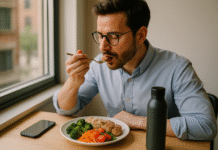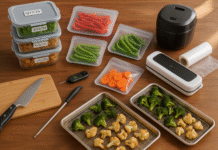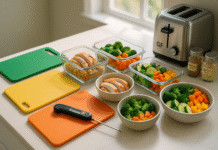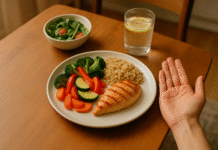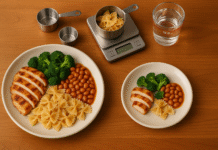





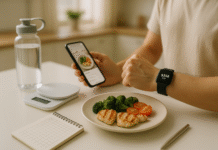




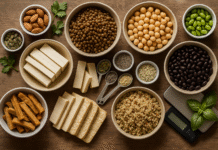
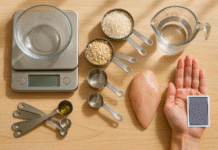













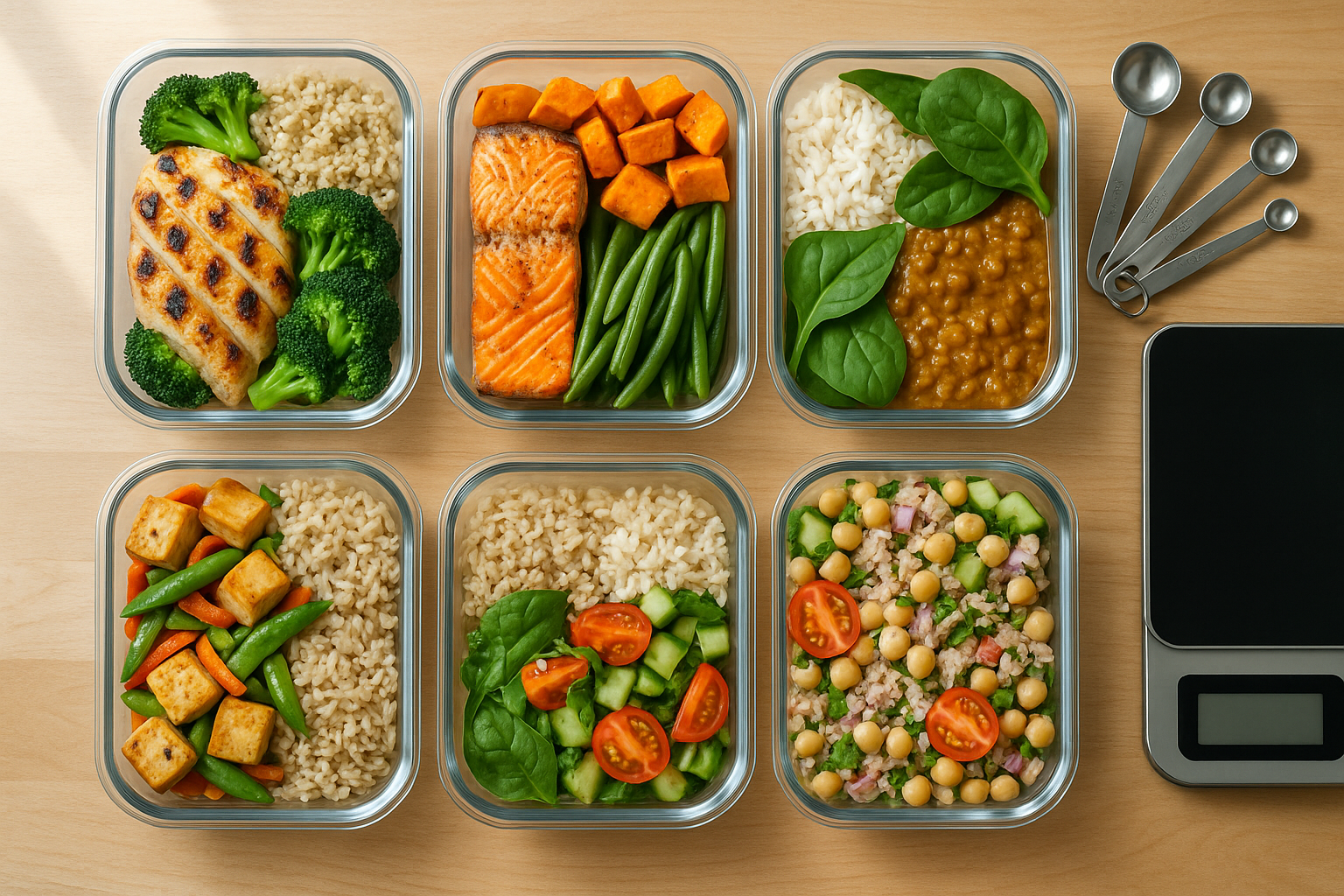
If you want to lose weight without living in the kitchen, smart meal prep is your friend. This guide gives you seven balanced, make-ahead recipes designed to keep you full, energized, and on track—all week long. Healthy meal prep recipes for weight loss are pre-portioned dishes built around lean proteins, high-fiber carbs, colorful vegetables, and healthy fats, averaging about 400–600 calories per serving. Below you’ll get clear instructions, macros, and storage guidance so you can cook once and eat well for days. This article is informational, not medical advice; check with a qualified clinician if you have specific health needs or conditions.
Quick answer: For steady progress, build each box with ~25–40 g protein, 8–15 g fiber, mostly minimally processed ingredients, and servings that fit your calorie target.
Fast-start steps: Choose 2–3 recipes below, shop once, batch-cook in 90–120 minutes, cool quickly, and store in airtight containers. Reheat to steaming hot, add fresh garnishes, and rotate flavors to avoid palate fatigue.
One-box portion targets (per serving):
| Component | Target range | Handy cue |
|---|---|---|
| Protein | 25–40 g | ~1 palm (women) / 1.5–2 palms (men) |
| High-fiber carbs | 30–55 g | ~1 cupped hand cooked grains/beans |
| Non-starchy veg | 1.5–2 cups | 2 fistfuls |
| Healthy fats | 10–20 g | 1–2 thumbs oil/nuts/seeds |
1. Sheet-Pan Lemon-Herb Chicken with Quinoa & Roasted Veg
This dish is a straight-line path to balanced eating: juicy lemon-garlic chicken breasts, tri-color quinoa, and a rainbow of roasted vegetables. It answers the need for a protein-centered box that reheats beautifully and tastes bright, not “diet.” Each portion lands around 470–520 kcal with ~38–45 g protein, 45–50 g carbs, 12–16 g fat, and 7–10 g fiber (exact numbers vary with your portions). It’s ideal for two lunches and two dinners in a standard five-day workweek. The flavors are familiar enough for picky eaters but flexible for spice lovers, and the components work as mix-and-match building blocks for bowls and salads. Start this recipe when you need dependable, repeatable results with minimal effort and cleanup.
1.1 How to prep (serves 4)
- Protein: 680–750 g boneless, skinless chicken breast, pounded to even thickness; toss with 2 tbsp olive oil, zest/juice of 1 lemon, 3 minced garlic cloves, 1 tsp dried oregano, 1 tsp dried thyme, ¾ tsp salt, ½ tsp pepper.
- Veg: 4 cups mixed veg (broccoli florets, bell peppers, red onion, zucchini); toss with 1 tbsp olive oil, ½ tsp salt, ½ tsp pepper.
- Carb: 1 cup dry quinoa (yields ~3 cups cooked); cook in low-sodium stock.
- Bake: Sheet pan at 220°C / 425°F for 18–22 min until chicken hits 74°C / 165°F internal; veg tender-crisp.
- Assemble: 4 containers: ~170–185 g chicken + ¾ cup quinoa + ~1 cup veg. Add lemon wedges.
1.2 Numbers & guardrails
- Per serving (approx.): 490 kcal | P 42 g | C 48 g | F 14 g | Fiber 8 g.
- Protein swap: Use boneless thighs; add 40–60 kcal and ~3–5 g fat per serving.
- Flavor curves: Add smoked paprika or chili flakes; replace oregano with za’atar.
1.3 Storage & food safety (as of August 2025)
- Cool within 1–2 hours, refrigerate 3–4 days. Reheat to steaming hot (≥74°C / 165°F). Freeze sliced chicken and quinoa up to 2–3 months; add fresh veg on reheat.
Mini-checklist
- Pound chicken evenly • Don’t crowd the pan • Rest 5 minutes before slicing • Pack lemon separately • Add fresh herbs on reheat.
Synthesis: This is the blueprint box—high protein, high fiber, bright acidity—making adherence and satiety easy.
2. Hearty Turkey-Bean Chili (Instant Pot or Stovetop) with Brown Rice
When you need a big-batch, budget-friendly anchor, turkey chili is unbeatable. It offers a high-protein, high-fiber bowl that freezes well and satisfies on colder days or after workouts. Each serving typically lands around 480–530 kcal with 34–40 g protein, 50–55 g carbs, 10–14 g fat, and 12–16 g fiber, depending on bean choice and toppings. The spice base (onion, garlic, chili powder, cumin, smoked paprika) delivers depth without extra calories, while tomatoes add volume and lycopene. Beans improve fullness, gut health, and cost-per-protein. Pair with a modest scoop of brown rice or spoon over roasted sweet potatoes for a different texture. This is also the easiest option to double for the freezer.
2.1 How to prep (serves 6; portion to 4–6 boxes)
- Sauté: 1 tbsp olive oil; 1 large onion, 1 bell pepper, 3 garlic cloves.
- Brown: 900 g 93% lean ground turkey; season with 1½ tsp salt, 1 tsp pepper.
- Spice: 2 tbsp chili powder, 2 tsp cumin, 1 tsp smoked paprika.
- Liquids & beans: 2 cans (800 g total) crushed tomatoes, 1 can (425 g) black beans, 1 can (425 g) kidney beans, drained/rinsed; 1 cup low-sodium stock.
- Cook: Instant Pot 12 min high pressure + natural release; stovetop simmer 30–40 min.
- Carb: 1½ cups dry brown rice (yields ~4½ cups cooked).
- Assemble: 4–6 containers: 1½ cups chili + ¾ cup rice. Add lime wedges, cilantro.
2.2 Numbers & guardrails
- Per serving (4-portion pack): ~520 kcal | P 37 g | C 53 g | F 12 g | Fiber 14 g.
- Toppings: Greek yogurt (2 tbsp) +20 kcal, +2–3 g protein; cheddar (15 g) +60 kcal, +5 g fat.
- Spice control: Add chipotle for smoke; reduce chili powder for mild.
2.3 Storage & food safety (as of August 2025)
- Refrigerate 3–4 days; freezes 2–3 months. Reheat to bubbling; stir mid-way for even heat. Rice: cool quickly and refrigerate promptly; reheat until piping hot.
Mini-checklist
- Rinse beans well • Bloom spices in fat • Don’t skip salt-to-taste at the end • Portion before cooling • Label freezer containers.
Synthesis: Big flavor, great macros, and freezer-friendliness make this your weekly “set-it-and-forget-it” staple.
3. Roasted Salmon, Broccoli & Sweet Potato Trays
This tray bake balances omega-3-rich salmon with complex carbs and cruciferous veg, delivering satiety and heart-healthy fats. It targets ~500–560 kcal per serving with 35–42 g protein, 40–50 g carbs, 18–22 g fat, and 8–10 g fiber. The trick is to cut sweet potatoes smaller than the broccoli stems so everything cooks evenly while keeping salmon moist. A quick mustard-maple glaze adds tang and caramelization without excessive sugar. If salmon is pricey or unavailable, you can swap mackerel or sardines (similarly rich in EPA/DHA) or a local fatty fish—adjust cook times to thickness.
3.1 How to prep (serves 4)
- Glaze: 1 tbsp Dijon mustard + 1 tsp maple/honey + 1 tsp olive oil + ½ tsp soy or coconut aminos + black pepper.
- Veg: 2 medium sweet potatoes (2–2½ cm dice), 1 large head broccoli (florets + stem coins); toss with 1 tbsp olive oil, ¾ tsp salt.
- Protein: 4 salmon fillets, 140–170 g each; pat dry; brush glaze; sprinkle pinch of salt.
- Bake: 220°C / 425°F. Start veg 15 min; add salmon and bake 8–12 min to medium (centers just translucent) or to preference.
- Assemble: 4 containers: salmon fillet + ~1 cup veg mix.
3.2 Numbers & guardrails
- Per serving (approx.): 540 kcal | P 39 g | C 45 g | F 20 g | Fiber 9 g.
- Lower-cal tweak: Use 120 g salmon portions or reduce oil by 1 tsp per tray (~40 kcal saved).
- Carb swap: Roast carrots or cauliflower; or use a half-portion of grains if preferred.
3.3 Storage & food safety (as of August 2025)
- Refrigerate cooked salmon 3–4 days; reheat gently (160–180°C / 325–350°F, or low microwave) to avoid drying. Freeze cooked salmon up to ~1 month; glaze fresh on reheat.
Mini-checklist
- Pat salmon very dry • Preheat sheet pan • Keep sweet potato dice small • Rest fish 3 minutes • Add lemon right before eating.
Synthesis: You’ll get restaurant-level flavor with minimal steps and the added bonus of omega-3s that support heart health and fullness.
4. Tofu & Mixed-Veg Stir-Fry with Brown Rice (Vegan, High-Protein)
Plant-based doesn’t have to mean low protein. Firm tofu, pressed and seared, provides 20–25 g protein per 120–150 g serving, and when paired with edamame and a nut-free sauce, you’ll hit satisfying macros. Expect ~440–500 kcal with 26–32 g protein, 55–60 g carbs, 10–14 g fat, and 8–12 g fiber per box. The key is high heat and a sauce that’s flavorful but light on sugar and sodium. Use frozen stir-fry veg if you’re short on time; choose blends with broccoli, snap peas, carrots, and peppers. Brown rice or high-fiber basmati rounds out the bowl, while sesame seeds or peanuts add crunch if you have calories to spare.
4.1 How to prep (serves 4)
- Rice: 1½ cups dry brown rice (or brown basmati).
- Tofu: 700–800 g extra-firm tofu, pressed 15–20 min; cube and toss with 1 tbsp cornstarch, ½ tsp garlic powder, ½ tsp pepper, ¾ tsp salt.
- Pan-fry: 1 tbsp neutral oil in a wide pan; sear tofu until golden on most sides.
- Veg: 5–6 cups mixed vegetables (fresh or frozen); stir-fry 5–7 min.
- Sauce: 3 tbsp low-sodium soy, 1 tbsp rice vinegar, 1–2 tsp chili-garlic paste, 1 tsp maple/honey (optional), 2 tsp grated ginger, splash of water; toss through.
- Assemble: 4 containers: ¾ cup rice + 1¼ cups veg + ~170–200 g tofu. Add lime wedges; sprinkle sesame if desired.
4.2 Numbers & guardrails
- Per serving (approx.): 470 kcal | P 29 g | C 58 g | F 12 g | Fiber 10 g.
- Protein bump: Add ½ cup shelled edamame per box (+9 g protein, +100 kcal).
- Lower-carb option: Swap half the rice for cauliflower rice; save ~90–110 kcal per serving.
4.3 Storage & food safety (as of August 2025)
- Refrigerate 3–4 days. Reheat quickly over high heat to re-crisp tofu; add a splash of water to revive sauce.
Mini-checklist
- Press tofu well • Use a wide pan for browning • Sauce last, off heat • Don’t over-salt—soy adds salinity • Pack lime separately.
Synthesis: This vegan box punches above its weight: complete protein, crunch, color, and serious staying power.
5. Greek Chicken Bowls with Bulgur, Cucumber-Tomato Salad & Tzatziki
Mediterranean bowls are flavor workhorses that feel fresh even after two days in the fridge. Lean grilled chicken, whole-grain bulgur (or whole-wheat couscous), juicy salad, and a light yogurt-cucumber sauce create a macro-friendly, fiber-rich box. Expect ~460–510 kcal, 35–40 g protein, 50–55 g carbs, 12–15 g fat, and 7–10 g fiber per serving. Pre-salting the salad keeps it crisp; a sprinkle of sumac or dried mint brightens everything. Pack tzatziki separately to keep textures clean.
5.1 How to prep (serves 4)
- Grain: 1 cup dry bulgur; pour 2 cups boiling low-sodium stock, cover 20–25 min; fluff.
- Chicken: 680–750 g breasts/thighs; marinade: 2 tbsp olive oil, juice of 1 lemon, 2 minced garlic cloves, 1 tsp dried oregano, ¾ tsp salt, pepper; grill or roast to 74°C / 165°F.
- Salad: 2 cups chopped cucumber, 2 cups tomatoes, ¼ cup red onion, 2 tbsp parsley; 1 tbsp olive oil, 1 tbsp lemon juice, pinch salt/sumac.
- Tzatziki: 1 cup low-fat Greek yogurt, ½ cup grated cucumber (squeezed), 1 tsp olive oil, 1 tsp lemon, 1 small garlic clove, salt, dill/mint.
- Assemble: 4 containers: ¾ cup bulgur + 170–185 g chicken + 1 cup salad; tzatziki in a sauce cup.
5.2 Numbers & guardrails
- Per serving (approx.): 490 kcal | P 37 g | C 52 g | F 14 g | Fiber 8 g.
- Cheese option: 15 g feta adds ~40 kcal and 2–3 g fat.
- Grain swap: Use farro or whole-wheat couscous; adjust liquid per package.
5.3 Storage & food safety (as of August 2025)
- Refrigerate 3–4 days; keep salad and sauce separate to avoid sogginess. Reheat chicken/grain; add salad and tzatziki cold.
Mini-checklist
- Salt cucumber lightly to draw moisture • Rest chicken before slicing • Use a separate sauce cup • Add herbs at serving.
Synthesis: Sunny flavors, whole grains, and a high-protein base make this a repeat-worthy, travel-friendly lunch.
6. Red Lentil & Vegetable Curry with Brown Basmati
This curry is creamy without heavy cream and comes together fast with red lentils (masoor dal) that break down into a velvety texture. It delivers plant protein, complex carbs, and a full spectrum of micronutrients from spinach, carrots, and tomatoes. Portions typically hit ~480–540 kcal with 22–28 g protein, 75–85 g carbs, 10–14 g fat, and 12–15 g fiber, depending on rice and coconut milk choices. The base uses aromatics bloomed in oil to unlock flavor, and light coconut milk keeps calories in check while maintaining richness. Pair with brown basmati for extra fiber and a lower glycemic impact versus white rice.
6.1 How to prep (serves 5; portion to 4–5 boxes)
- Aromatics: 1 tbsp oil; sauté 1 onion (finely chopped), 3 garlic cloves, 1 tbsp grated ginger.
- Spices: 1½ tsp curry powder or garam masala, 1 tsp turmeric, ½ tsp cumin, ½ tsp coriander, chili to taste; bloom 30–60 seconds.
- Base: 1½ cups red lentils (rinsed), 1 can (400 g) diced tomatoes, 1 can (400 ml) light coconut milk, 2½–3 cups water/stock; simmer 15–20 min until soft.
- Veg: 2 cups diced carrots + 4 cups spinach (stir in at end); salt to taste, squeeze of lime.
- Carb: 1½ cups dry brown basmati (yields ~4½ cups cooked).
- Assemble: 4–5 containers: 1 cup curry + ¾–1 cup rice. Garnish cilantro.
6.2 Numbers & guardrails
- Per serving (4-portion pack): ~520 kcal | P 25 g | C 80 g | F 12 g | Fiber 14 g.
- Lower-carb tweak: Use half rice + cauliflower rice to save ~100 kcal.
- Creaminess: For dairy-free richness without coconut, blend half the curry and stir back in.
6.3 Storage & food safety (as of August 2025)
- Refrigerate 3–4 days; curry thickens—loosen with water when reheating. Rice safety: cool quickly and reheat until steaming hot; do not leave at room temp.
Mini-checklist
- Rinse lentils • Bloom spices • Salt at the end • Add greens off heat • Portion immediately.
Synthesis: Fiber-heavy, wallet-friendly, and deeply comforting—this curry keeps you full for hours with minimal cost.
7. No-Cook Tuna & Chickpea Mediterranean Salad Boxes
When you can’t face the stove, this no-cook option saves your week. Canned tuna in water plus chickpeas gives a protein-and-fiber double hit that’s satisfying and portable. With crisp veggies and a lemon-olive oil vinaigrette, each box clocks around 420–480 kcal, 30–35 g protein, 35–40 g carbs, 14–18 g fat, and 10–12 g fiber. Packing greens separately prevents wilting, and the whole thing assembles in 10 minutes. Use it for grab-and-go lunches, travel days, or a back-up plan on nights when cooking fails.
7.1 How to prep (serves 4)
- Base: 2 cans tuna (300–340 g drained), 1 can chickpeas (425 g, rinsed), 1 cup diced cucumber, 1 cup halved cherry tomatoes, ¼ cup red onion, ¼ cup chopped parsley.
- Vinaigrette: 3 tbsp olive oil, juice of 1 large lemon, 1 tsp Dijon, ½ tsp dried oregano, ¾ tsp salt, pepper.
- Greens: 4 cups mixed leaves (spinach/rocket).
- Assemble: 4 containers: 1¼ cups salad + separate handful of greens; drizzle vinaigrette at serving. Optional: 6–8 olives, 15 g feta per box.
7.2 Numbers & guardrails
- Per serving (approx.): 450 kcal | P 32 g | C 38 g | F 16 g | Fiber 11 g.
- Carb swap: Add ½ cup cooked farro or bulgur (+100 kcal, +20 g carbs) if you need more fuel.
- Allergy note: Use canned salmon or chicken if fish isn’t an option.
7.3 Storage & food safety (as of August 2025)
- Refrigerate 3–4 days. Keep dressing separate to maintain crunch. If using leafy greens, pack in a top compartment or bag and add just before eating.
Mini-checklist
- Drain tuna well • Rinse chickpeas thoroughly • Salt tomatoes lightly • Keep dressing separate • Add greens last minute.
Synthesis: Ten minutes, no stove, great macros—this is your emergency plan that tastes like a plan.
FAQs
1) How many calories should each meal prep box have for weight loss?
Most people do well with meals in the 400–600 kcal range, paired with a snack if needed. Your exact target depends on your daily energy needs. For example, if your estimated maintenance is 2,200 kcal, you might aim for 1,700–1,900 kcal/day (a 300–500 kcal deficit) split across 3 meals and 1 snack. Adjust portion sizes rather than cutting entire food groups.
2) What macro split works best?
There isn’t one perfect ratio, but a practical pattern is 25–40 g protein per meal, carbs scaled to activity, and 10–20 g healthy fats. Protein helps preserve lean mass while dieting, fiber improves satiety, and complex carbs fuel training and daily life. Use a tracker (Cronometer, MyFitnessPal) to calibrate your portions and monitor fiber (aim for 25–38 g/day).
3) Can I lose weight without counting calories if I meal prep?
Yes—many people succeed by pre-portioning meals with consistent ingredients and using hand-size portion cues. If the scale stalls, tighten portions (e.g., ½ cup less rice, 1 tsp less oil per box) and increase non-starchy veg. Counting can help initially, but routine, plate structure, and consistent recipes often deliver similar results with less mental load.
4) How long do these meals keep?
As a rule of thumb, 3–4 days in the fridge for cooked dishes is safe when cooled quickly and stored airtight. Many items freeze 1–3 months. Reheat to steaming hot (≥74°C / 165°F) and avoid leaving cooked rice or proteins at room temperature. Pack sauces separately to keep textures pleasant.
5) What if I’m vegetarian or dairy-free?
The tofu stir-fry and lentil curry are naturally vegetarian/vegan. For the Greek bowls, use dairy-free yogurt for tzatziki or skip it and add extra herbs and lemon. For more protein, add edamame, seitan, or chickpeas. If avoiding soy, use tempeh, lupini beans, or a higher-lentil proportion.
6) Do I need supplements to lose weight?
No supplement is required for fat loss. Focus on consistent calorie control, adequate protein, fiber, and sleep. If you don’t eat fish, talk to a clinician about an algae-based omega-3. A basic vitamin D supplement may be warranted if levels are low, but test before supplementing.
7) What’s the best way to reheat without drying food?
Add a splash of water or stock, cover loosely, and reheat gently. For chicken and rice, microwave at medium power in 60–90 second bursts, stirring once. For salmon, low oven heat (160–180°C / 325–350°F) helps retain moisture. Stir-fries revive best in a hot pan for 2–3 minutes.
8) How do I prevent boredom with meal prep?
Use base-and-accent strategy: keep core proteins and carbs consistent, then rotate sauces, herbs, and pickled elements (chimichurri, harissa, tahini-lemon, salsa verde). Swap one component weekly (e.g., quinoa → bulgur; broccoli → green beans). Flavor variety reduces the urge to snack off-plan.
9) Is low-carb better than balanced meals for weight loss?
Both can work. The calorie deficit is the primary driver. Balanced meals with whole grains and legumes often aid adherence because they’re fiber-rich and satisfying. Low-carb may suit those with specific preferences or needs. Choose the pattern you can sustain for months, not days.
10) How much protein per day should I target?
Common guidance for weight management is roughly 1.2–1.6 g protein per kilogram of body weight per day, adjusted for activity and total calories. Split evenly across meals (e.g., 25–40 g per meal). Higher targets may be appropriate for athletes; consult a professional if unsure.
11) Are canned foods okay for weight loss meal prep?
Yes. Canned tuna, salmon, beans, and tomatoes are convenient, affordable, and nutritious. Choose low-sodium options, rinse beans, and pack sauces separately to avoid sogginess. Canned proteins are perfect for no-cook boxes like the tuna-chickpea salad.
12) What containers are best?
Look for glass or BPA-free containers with tight seals and microwave-safe lids. A mix of 1- and 2-compartment containers plus a few small sauce cups covers most needs. Label with contents and date to stay organized and reduce waste.
Conclusion
Losing weight doesn’t require fancy recipes or endless willpower—it thrives on structure and consistency. The seven make-ahead meals here form a repeatable system: protein-forward, fiber-rich, and built from mostly whole ingredients. By choosing two to three recipes to batch-cook each week, you minimize decisions, control calories without obsessive tracking, and keep flavor high enough to stay the course. Use the numbers as guardrails, not rigid rules, and adjust portions to your hunger, training, and schedule. Rotate sauces and sides to keep your palate engaged, and rely on freezer-friendly options like chili and curry for busy stretches. Above all, measure success by consistency over weeks, not perfection in a single day. Ready to simplify your next week of eating? Pick two recipes, put a shopping list in your notes, and set a 90-minute meal-prep block on your calendar today.
References
- Healthy Weight – Finding a Balance, Centers for Disease Control and Prevention (CDC), reviewed 2024. https://www.cdc.gov/healthyweight/index.html
- Dietary Guidelines for Americans, 2020–2025, U.S. Departments of Agriculture and Health & Human Services, 2020. https://www.dietaryguidelines.gov
- MyPlate: Protein Foods Group, U.S. Department of Agriculture, updated 2024. https://www.myplate.gov/eat-healthy/protein-foods
- The Nutrition Source: Healthy Eating Plate, Harvard T.H. Chan School of Public Health, accessed 2025. https://www.hsph.harvard.edu/nutritionsource/healthy-eating-plate/
- Food Safety: Refrigeration and Food Storage – Leftovers, USDA Food Safety and Inspection Service, updated 2023. https://www.fsis.usda.gov/food-safety/safe-food-handling-and-preparation/food-safety-basics/refrigeration-and-food-safety
- Rice and Food Poisoning: Safe Storage and Reheating, UK NHS, reviewed 2024. https://www.nhs.uk/common-health-questions/food-and-diet/is-it-safe-to-reheat-rice/
- Protein Intake and Weight Management, Academy of Nutrition and Dietetics (Practice Paper), 2016. https://www.eatrightpro.org/practice/position-and-practice-papers
- Omega-3 Fatty Acids and Cardiovascular Health, American Heart Association, updated 2023. https://www.heart.org/en/healthy-living/healthy-eating/eat-smart/fats/omega-3-fatty-acids
- FoodData Central (for nutrient values of chicken breast, salmon, tofu, quinoa, beans, etc.), U.S. Department of Agriculture, accessed 2025. https://fdc.nal.usda.gov
- Physical Activity Guidelines for Americans, 2nd Edition, U.S. Department of Health and Human Services, 2018 (current as of 2025). https://health.gov/our-work/physical-activity/current-guidelines