




























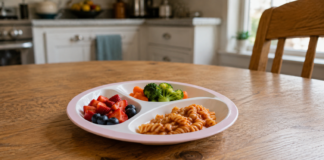
Fussy Eating: Approaches That Reduce Conflict
A research-based look at fussy eating in children, covering the division of responsibility feeding model, food neophobia, repeated-exposure research, and how to reduce mealtime conflict without pressure or bribery.

Social Media and Adolescent Wellbeing: A Balanced Reading
Short answer
Research on social media and adolescent wellbeing is genuinely mixed. Most studies find small statistical links between heavy use...

How to Build Family Food Habits Without Battles: A Step-by-Step Guide
Quick answer: Family food battles usually shrink when parents stop controlling how much a child eats and start controlling only what, when, and where...
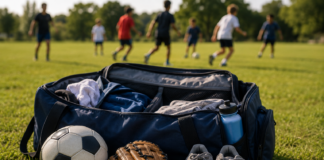
Youth Sports Specialization: Injury and Burnout Risk Parents Should Know
Quick answer: Research on youth athletes links early single-sport specialization, meaning year-round training in one sport before puberty with high weekly hours, to a...

How to Handle Sugar at Parties and Holidays: A Step-by-Step Guide...
Quick Answer
Treat parties and holidays as planned exceptions, not daily eating rules. Let your child choose freely from the treats offered during the event...

Teen Mental Health: Warning Signs and Conversation Starters
Watch for changes that are new, that last more than two weeks, and that get in the way...

Family Meals: What the Evidence Says About Their Value
A rigorous look at what peer-reviewed research actually shows about family meal frequency and diet quality, adolescent mental health, obesity risk, and academic outcomes, and where popular claims outrun the evidence.

Screen Time Guidance for Children: What the Evidence Supports
Major pediatric bodies agree on the broad strokes: avoid screens before 18 to 24 months (aside from video chatting), cap screen use around one...

Vaccination Questions Parents Commonly Have: A Fact-Based Guide
Quick answer: Yes, the childhood vaccine schedule set by the CDC and reviewed by independent medical experts has an extensive safety record, and common...
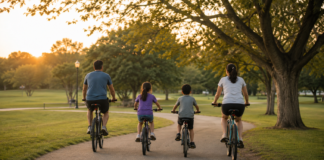
Family Activity Ideas That Do Not Feel Like Exercise
Real, research-backed family activity ideas, from geocaching to active chores, that help kids and adults of different ages and fitness levels meet CDC and WHO activity guidelines without a formal workout.

How to Talk About Bodies With Children Without Creating Anxiety: A...
Quick Answer
Talk about bodies the way you talk about hair color or shoe size: as neutral facts, not something to...

How to Spot Anxiety in a Child: A Step-by-Step Guide for...
Quick answer: Anxiety in children rarely announces itself as "I feel anxious." It usually shows up as stomachaches, sleep trouble, clinginess, meltdowns, irritability, or...

How to Support a Teenager Through Exam Stress: A Step-by-Step Guide
The most effective way to support a teenager through exam stress is to pair steady emotional presence with practical structure. Validate what they're feeling...

How Much Activity Children Actually Need: A Step-by-Step Guide
Quick answer: Most children ages 6 to 17 need at least 60 minutes of moderate to vigorous physical activity every day, with...

Teen Sleep: Why Later Timing Is Biological, Not a Behavior Problem
Quick answer: Teens naturally fall asleep and wake up later than children or adults because puberty delays the...

Children’s Sleep Needs by Age and How to Protect Them
A parent's age-by-age guide to how much sleep children actually need, from newborns through teens, drawing on AAP/AASM consensus guidelines and CDC data, with practical steps to protect it during the school year.

How to Prepare a Child for a Medical Procedure: A Step-by-Step...
Quick answer: Preparing a child for a medical procedure works best when you explain what will happen in honest, age-appropriate language, give your child...

Strength Training for Adolescents: Safety and Benefits (A Parent’s Guide)
Strength training is safe for most adolescents when a qualified coach supervises technique, loads increase gradually, and the...