





















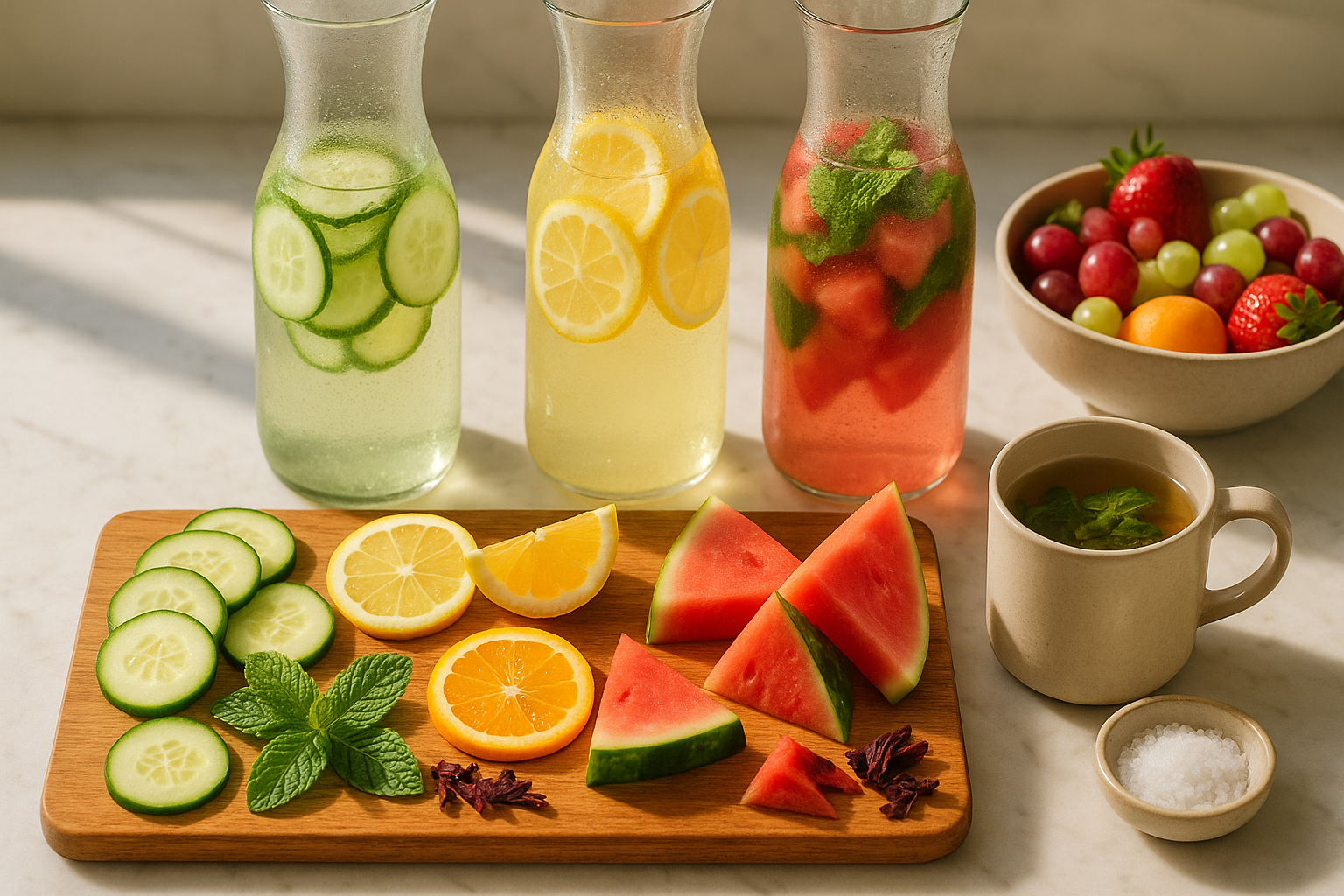
Hydration doesn’t have to be boring. If you’re tired of plain water—or you simply don’t drink enough—there are delicious, practical ways to get more fluids in your day without relying on sugary beverages. This guide is for busy people who want easy upgrades: fresh infused waters, soothing herbal teas, and smart, water-rich foods that truly count toward your daily intake. In the next sections, you’ll find 12 proven, tasty strategies with step-by-step “how-tos,” guardrails, and flavor ideas you’ll actually use.
Quick answer: The simplest, most sustainable approach is to combine naturally flavored water, caffeine-free herbal teas, and water-rich foods (think watermelon, cucumbers, soups, and smoothies). All of these contribute to total fluid intake.
Fast-start mini plan (5 steps):
- Prep a 1–2 liter pitcher of infused water every night.
- Brew a caffeine-free herbal tea (mint, rooibos, hibiscus) to sip hot or iced.
- Add at least one water-rich snack per meal (fruit, veg, or yogurt).
- Keep a reusable bottle nearby and sip to light-yellow urine.
- On hot or high-sweat days, include electrolytes judiciously; avoid added sugars.
A quick health note: The ideas below are general education, not medical advice. If you have kidney, heart, or endocrine conditions, are pregnant, or take medications affected by fluid or electrolyte balance, confirm your personal targets with a clinician.
1. Citrus + Mint Infused Water (Your Anytime, Anywhere Base)
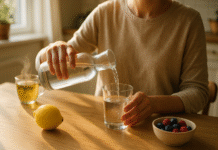
Start here because it’s the easiest way to make water crave-worthy with almost no calories or added sugar. Infusing water with sliced citrus (lemon, lime, orange) and a handful of fresh mint adds bright aromatics that make you want to drink more—without sweeteners. It’s also endlessly adaptable to seasons and what’s in your fridge. Since foods account for roughly one-fifth of daily fluid intake and drinks the rest, upgrading plain water is a high-return habit you’ll feel immediately. Make a pitcher once, and it nudges your intake all day; pour over ice, top with still or sparkling water, and refill as flavors mellow. If you’re sensitive to acid, go lighter on lemon and heavier on orange or mint.
1.1 How to do it
- In a 1–2 L pitcher: add 1 thinly sliced lemon, ½ sliced orange, and 10–12 mint leaves.
- Gently muddle the mint with the citrus in the pitcher bottom (a few presses).
- Fill with cold water; steep 30–60 minutes in the fridge before first pour.
- Refill the pitcher once or twice; discard the fruit and herbs after 24 hours.
- Optional: add a pinch of sea salt on very hot days or after sweaty workouts.
1.2 Flavor swaps
- Lemon + raspberry + mint
- Orange + basil
- Grapefruit + rosemary (bitter-citrus, sophisticated)
- Lime + mint + cucumber medallions
1.3 Numbers & guardrails
- Keep it unsweetened; save added sugar for solid treats, not sips. Major heart orgs suggest 25–36 g/day added sugar caps—flavored waters make it easy to stay under that.
- If reflux is an issue, start with orange over lemon and dilute more.
Bottom line: Prepping this base nightly removes friction; you’ll drink more without thinking.
2. Cucumber–Lime–Ginger “Spa” Water (Cooling, Zesty, Ultra-Refreshing)
For hot climates or after spicy meals, cucumber-lime-ginger water is a superstar. Cucumbers are ~95% water, and their clean flavor pairs beautifully with lime’s brightness and ginger’s warmth. The aroma alone changes how “thirsty” you feel, and that can nudge you to sip more consistently through the day. This combo also works wonders when you want a zero-sugar alternative to soda at lunch. Because both lime and ginger are assertive, slice thin so they infuse quickly without overpowering; use a chilled pitcher, and serve over plenty of ice for a spa-like feel at home.
2.1 How to do it
- In a 1.5 L pitcher: add ½ English cucumber (thin rounds), 1 thinly sliced lime, and 6–8 thin slices of fresh ginger.
- Lightly press ginger slices to release oils; add cold water and chill 45 minutes.
- Refill once; after that, ginger can get sharp—swap in fresh slices if needed.
2.2 Mini checklist
- Peel ginger if the skin is tough; thin slices infuse faster.
- If limes are very tart, use ½ lime and add more cucumber.
- Try sparkling water for a “mocktail” effect; garnish with cucumber ribbons.
2.3 Region note
- In very hot seasons (or if you work outdoors), pre-chill portable bottles and pack extra ice. On prolonged sweaty days, pair this with a salty snack or a light electrolyte plan.
Bottom line: Crisp, cooling flavors turn a basic bottle into something you look forward to all afternoon.
3. Iced Hibiscus Tea (Bold Color, Tangy Flavor, Caffeine-Free)
Iced hibiscus (roselle) tea offers a naturally vibrant, tangy-cranberry flavor with zero caffeine, which means it hydrates without the stimulation. Many people find it easier to meet fluid goals when drinks feel special—hibiscus does that with color and zip. You can brew a strong concentrate and dilute over ice, sweetening lightly if you like. Some research suggests hibiscus may support healthy blood pressure in adults; that’s a bonus, not the main reason to drink it. If you’re on medications (especially for BP or blood sugar), keep it moderate and discuss with your clinician.
3.1 How to do it
- Bring 1 L of water to a boil; remove from heat.
- Add 3–4 tablespoons dried hibiscus flowers (or 4 tea bags).
- Steep 10–15 minutes (tangier = longer); strain, chill, and serve over ice.
- Optional: a teaspoon of honey or a few orange slices to soften the tang.
3.2 Flavor ideas
- Orange peel + cinnamon stick in the steep
- Lime wedges + crushed berries over ice
- Mint + a splash of sparkling water
3.3 Numbers & guardrails
- Keep added sweetener ≤1–2 teaspoons per glass to stay within daily sugar caps.
- If you’re salt-sensitive or managing BP, hibiscus is a pleasant no-sodium option—enjoy it unsweetened most of the time.
Bottom line: Deeply refreshing and showy in a glass, hibiscus tea is an easy caffeine-free hydrator for afternoons and evenings.
4. Peppermint or Rooibos Tea (Comforting, Night-Friendly Sips)
Peppermint and rooibos are caffeine-free herbal teas that hydrate and soothe. Mint brings a cooling menthol aroma that many people enjoy after meals, while rooibos is naturally sweet, low in tannins, and easy to drink late at night without affecting sleep. Both count toward daily fluids and are excellent iced in summer or hot in cooler months. If tea has ever “dehydrated” you, that worry typically comes from caffeinated varieties; at normal amounts, most teas contribute positively to fluid balance. Here, we’re focusing on herbals that stack hydration and comfort.
4.1 How to do it
- Peppermint: Steep 1 tablespoon loose leaves (or 1–2 bags) in 300–350 ml just-off-boil water for 5–7 minutes.
- Rooibos: Steep 1 tablespoon loose (or 1–2 bags) in 300–350 ml at a rolling boil for 5–7 minutes; longer for a fuller body.
- Chill for iced versions; add lemon slices or a vanilla bean scrap to rooibos.
4.2 Mini checklist
- Brew strong, then dilute over ice for café-style iced herbals.
- Avoid heavy syrups; add a thin orange slice, not spoonfuls of sugar.
- Sensitive stomach? Start with peppermint warm, slowly sipped after meals.
4.3 Numbers & guardrails
- Zero caffeine makes these “anytime” hydrators.
- To keep overall sugar in check, aim for unsweetened or barely sweet (remember the 25–36 g/day guidance for added sugars).
Bottom line: Cozy, caffeine-free, and versatile—perfect for building a low-sugar hydration habit you’ll actually stick with.
5. Watermelon & Melon Plates (High-Water Fruit You’ll Snack On)
Fruits like watermelon and cantaloupe are hydration workhorses. Watermelon is about 91% water; cantaloupe is close behind. A chilled wedge feels like dessert but meaningfully adds to your daily fluid tally. The trick is prepping it into ready-to-grab pieces so you choose fruit over a sugary drink when the afternoon slump hits. For lunchboxes, melon skewers or sealed cups are mess-free. Toss with a squeeze of lime, a pinch of salt, and fresh mint to amplify flavor and help you sip more water alongside.
5.1 How to do it
- Cube watermelon; store in shallow containers so it chills quickly.
- Make “melon salad”: watermelon + cantaloupe + mint + lime zest.
- Pack 1–2 cups (150–300 g) as a snack; pair with a handful of nuts or yogurt.
5.2 Flavor ideas
- Watermelon + feta + mint (salty-sweet)
- Cantaloupe + basil + lemon zest
- Mixed melon + cucumber ribbons + a crack of pepper
5.3 Numbers & guardrails
- 1 cup watermelon supplies ~140 ml water; it’s naturally low in sodium and modest in calories.
- If you’re tracking sugars, remember these are natural sugars within a fiber-rich matrix—very different from sweetened drinks.
Bottom line: Prepped melons make hydration automatic—sweet, satisfying, and portable.
6. Cucumber & Tomato Salads (Crunchy, Savory Hydration)
Cucumbers are ~95–96% water; tomatoes ~94–95%. Together with a light vinaigrette, they deliver crunch and fluid with a savory profile that breaks up a day of sweet flavors. A little salt (especially in hot weather) can improve palatability and fluid retention without pushing you into a high-sodium day, provided you season judiciously and balance with other fresh foods. Add herbs and a sprinkle of cheese or chickpeas for protein, and you’ve turned hydration into a side dish or quick lunch that keeps you going.
6.1 How to do it
- Toss sliced cucumbers and tomatoes with red onion, olive oil, lemon, pinch of salt, and lots of herbs (dill, parsley, or mint).
- Chill 15 minutes so juices mingle; plate with whole-grain bread or grilled protein.
- For meal prep, keep dressing separate and combine just before eating.
6.2 Mini checklist
- Use English cucumbers for fewer seeds; peel if skins are tough.
- Add olives or feta sparingly; they’re tasty but salty—balance elsewhere.
- Make it a “hydration bowl”: cucumbers + tomatoes + watermelon + herbs.
6.3 Numbers & guardrails
- A generous serving (2 cups) adds ~300–350 ml of water-rich food.
- Keep dressing light to prevent a heavy, greasy feel that blunts thirst.
Bottom line: Savory crunch counts toward fluids and makes drinking your next glass of water feel natural.
7. Light Soups & Broths (Sip-to-Hydrate, Especially When Appetite Is Low)
Brothy soups are an underrated hydration tool—great when you’re under the weather, have a sore throat, or just want something warm and light. Because nearly everything liquid at room temperature counts, a cup of broth or a vegetable-heavy soup can meaningfully contribute to your daily fluid intake. Go for low-sodium versions, and consider adding water-heavy vegetables (zucchini, leafy greens) to stretch fluid and nutrients. In hot weather, chilled soups like gazpacho deliver hydration without heat.
7.1 How to do it
- Keep low-sodium broth (or homemade stock) on hand.
- Add quick-cook veg: sliced zucchini, spinach, mushrooms.
- Simmer 8–10 minutes; finish with lemon and fresh herbs.
7.2 Mini checklist
- Watch salt: choose “low-sodium” broths (≤460 mg per cup) and season at the end.
- For chilled soup, blend tomatoes + cucumbers + peppers + olive oil + vinegar; chill thoroughly.
- Pack thermos portions for work to encourage sipping.
7.3 Numbers & guardrails
- One 250 ml mug of low-sodium broth can be 200–230 ml water once you account for dissolved solids.
- If you’re on a fluid restriction for medical reasons, remember soups count—track them.
Bottom line: Soups are hydration in a bowl—especially helpful when cold drinks don’t appeal.
8. Coconut Water, Diluted (A Potassium-Rich Option—Use Wisely)
Coconut water is naturally high in potassium (often ~400–600 mg per 240 ml cup) with modest sodium and small amounts of magnesium and calcium. It’s refreshing and can be useful after light-to-moderate sweat sessions or during hot days when you want variety. Diluting 1:1 with water keeps sugars lower and stretches electrolytes without overwhelming your palate. It’s not essential for most people’s daily hydration—plain water usually suffices—but it’s a nice tool when used thoughtfully.
8.1 How to do it
- Mix 240 ml coconut water + 240 ml cold water, pour over ice.
- Add a squeeze of lime and a pinch of salt if you’ve been sweating a lot.
- Choose brands without added sugar; check labels for sodium and potassium.
8.2 Mini checklist
- Dilute to lower natural sugars and cost per serving.
- If you’re on potassium-restricted diets (kidney conditions, some meds), skip or clear with your clinician.
- Rotate with infused waters and teas to keep variety high.
8.3 Numbers & guardrails
- Aim for ≤6–8 g sugars per 240 ml serving when diluted.
- Coconut water ≠ medical ORS; it doesn’t match WHO sodium ratios for rehydration after illness.
Bottom line: Treat it as a flavorful, occasional electrolyte boost—not a daily staple unless your needs are higher.
9. Chia Fresca (Soaked Chia + Citrus for Slow-Burn Sipping)
Chia seeds absorb many times their weight in water, forming a gel rich in soluble fiber. When soaked in a citrusy drink (“chia fresca”), you get a lightly textured sip that many find more satisfying than plain water. The gel can slow gastric emptying slightly, which some people experience as steadier energy and less “chug and pee.” It’s not a substitute for electrolytes, but it can complement a hydration plan—especially for people who like a little “body” to their drinks.
9.1 How to do it
- In 350–400 ml cold water, whisk 1 tablespoon chia seeds; let rest 10–15 minutes.
- Add 1–2 tablespoons lemon or lime juice; sweeten lightly if desired.
- Stir well before each sip; the gel settles.
9.2 Mini checklist
- Always soak chia fully before drinking to avoid choking risk.
- Start with ≤1 tablespoon to see how your gut tolerates the fiber.
- Add mint or crushed berries for flavor; keep added sugar minimal.
9.3 Numbers & guardrails
- ~2.5–3 g fiber per tablespoon; increase fluids alongside to prevent GI discomfort.
- Not an electrolyte drink; pair with salty foods or an ORS plan if you’re sweating heavily.
Bottom line: Fun texture, decent satiety, and steady sipping—just soak the seeds and keep portions modest.
10. Fruit-Forward Smoothies (Veg-Heavy, Lightly Salted for Smart Hydration)
Smoothies can be stealth hydration—especially when built on water-rich produce like cucumber, melon, berries, and leafy greens. Use a high-fluid base (water, ice, unsweetened coconut water diluted, or cold herbal tea) and keep added sugars low by leaning on whole fruit. A tiny pinch of salt (⅛ tsp per 500 ml) and a squeeze of citrus can brighten flavors and support fluid retention on sweaty days. Blend, pour into a chilled bottle, and you’ve got a hydrating snack that travels.
10.1 How to do it (base formula)
- 200 ml cold water or herbal tea + 200 g water-rich fruit (watermelon, berries) + ½ small cucumber + handful spinach.
- Optional: 2–3 tbsp yogurt for creaminess; ½ banana for body.
- Blend until silky; taste, then add a tiny pinch of salt and lemon.
10.2 Mini checklist
- Keep portions reasonable (350–450 ml) so you sip, not chug.
- Skip syrups; whole fruit + herbs (mint, basil) deliver flavor without sugar spikes.
- Add ice to increase volume and chill without dilution.
10.3 Numbers & guardrails
- A 400 ml smoothie can easily include 250–300 ml water from ingredients + liquid base.
- If you’re monitoring carbs, emphasize berries, cucumber, and greens over banana/mango.
Bottom line: Built right, smoothies are fluid-dense, nutrient-rich, and satisfying—great when you prefer to “eat” your hydration.
11. Simple, Low-Sugar Electrolyte Drink (DIY ORS-Inspired, Not Medical)
When you’ve been sweating for hours, traveling in extreme heat, or recovering from stomach bug symptoms, a simple electrolyte drink can help you retain and replace fluids more effectively than plain water. A widely used home recipe mirrors the physics behind oral rehydration: glucose helps sodium and water absorption in the gut. For everyday use, keep it a bit diluted and low in sugar; for illness, use standard ORS packets or follow medical instructions.
11.1 How to do it (home version)
- In 1 liter of safe drinking water, dissolve 6 level teaspoons (≈24 g) sugar + ½ level teaspoon (≈2.5 g) salt.
- Optional flavor: 2–3 tablespoons citrus juice.
- Chill and sip in small, steady amounts; do not exceed ~1 liter per hour.
11.2 Mini checklist
- Measure accurately. Too salty or too sweet reduces effectiveness.
- This is not for people on fluid/sodium restrictions without clinician guidance.
- For children or illness, official ORS packets are best—follow label directions.
11.3 Numbers & guardrails
- Reserve electrolyte drinks for prolonged sweat, heat waves, or GI losses; otherwise water + food salt is usually sufficient.
- Don’t combine with high-sugar add-ins; keep total added sugars low for the day.
Bottom line: A carefully measured DIY drink can be clutch in heat or after heavy sweat—use judiciously and measure precisely.
12. Frozen Hydration: Pops, Granitas & Ice Tricks (Hot-Weather Lifesavers)
When it’s sweltering, cold texture is half the appeal. Fruit-based popsicles, lightly sweet granitas, and clever ice add-ins make fluids fun. Because anything that melts at room temperature counts as fluid, a homemade pop or a glass packed with fruit-infused ice cubes helps you drink more without effort. You’ll control sugars and salt, avoid colorants, and still get that “treat” experience. This is especially useful for kids, post-exercise cool-downs, or fasting windows where you need quick hydration once you break fast.
12.1 How to do it
- Fruit pops: Blend 2 cups watermelon + ½ cup strawberries + squeeze of lime; pour into molds; freeze.
- Granita: Strong hibiscus tea + a teaspoon honey per cup; freeze, scrape with a fork into crystals; serve with citrus zest.
- Ice hacks: Freeze lemon slices, mint leaves, or cucumber coins in water; drop into plain water to flavor as they melt.
12.2 Mini checklist
- Favor whole-fruit bases; keep added sugar minimal.
- For salty sweaters, a tiny pinch of salt in a post-run pop can be helpful.
- Label freezer items (flavor + date) to rotate and avoid freezer burn.
12.3 Numbers & guardrails
- One 80–100 ml pop adds ~70–90 ml water depending on solids—small, but multipliers matter over a day.
- Watch total added sugar across pops, granitas, and other sips to stay under daily caps.
Bottom line: Cold, colorful, and refreshing: frozen options make high-heat hydration easy and enjoyable.
FAQs
1) Do herbal teas and coffee “count,” or do they dehydrate you?
They count. Most research shows typical amounts of tea and even coffee contribute to hydration because the fluid offsets any mild diuretic effect of caffeine. For night-friendly sips, choose caffeine-free herbals like peppermint, rooibos, or hibiscus. Keep sweeteners minimal to avoid adding unnecessary sugar.
2) How much should I drink in a day?
A common benchmark is ~3.7 L for most men and ~2.7 L for most women from all sources (drinks + foods). Needs vary with heat, activity, body size, and diet. Use the “light-yellow urine” test and listen to thirst, increasing intake in hot or high-sweat conditions.
3) Are foods a meaningful source of fluids?
Yes. On average, foods can provide ~20% of daily water intake. Water-rich picks include watermelon, cucumber, tomatoes, citrus, leafy greens, yogurt, and soups. Build at least one hydrating food into each meal to get there without thinking.
4) When do I need electrolytes instead of just water?
If you’ve been sweating heavily for several hours, working in high heat, or recovering from vomiting/diarrhea, electrolyte drinks (with sodium, some potassium) can help you retain and replace fluids. Otherwise, water plus regular meals and lightly salted snacks typically suffice.
5) Can I drink too much water?
Yes—rapidly consuming excessive water can dilute blood sodium (hyponatremia). As a rough guardrail, avoid regularly exceeding ~1 liter per hour. If you feel bloated, nauseous, or get headaches while chugging water, slow down and include electrolytes in prolonged heat.
6) Is coconut water better than sports drinks?
It’s a tasty, naturally potassium-rich option and can be part of a hydration plan, especially diluted 1:1 to lower sugars. But its sodium may be too low for very heavy sweating. For illness or extreme conditions, standardized ORS or sports formulas may be more appropriate.
7) What about sparkling water—is carbonation dehydrating?
No. Carbonated water hydrates like still water. If bubbles make you feel full or gassy, alternate with still water so fullness doesn’t limit total intake. Choose unflavored or unsweetened flavored varieties to avoid added sugars.
8) Are fruit juices good for hydration?
They hydrate, but they’re concentrated in natural sugar and lack fiber. If you enjoy juice, dilute 1:1 with water, limit to small servings, or use a splash for flavor in infused waters. Whole fruit is usually the better everyday choice.
9) Do broths and soups really count as fluids?
Yes—especially clear, low-sodium broths and veg-heavy soups. They’re great when cold drinks aren’t appealing. If you’re on a fluid restriction, remember to count soups toward your allowance.
10) Any hydration tips for very hot days?
Pre-hydrate (sip 300–500 ml in the hour before going out), carry a cold bottle, and drink small amounts frequently. Include sodium if sweating for hours. Frozen pops, iced herbals, and salty snacks can help you stay on top of fluids without overdoing sugar.
11) I get bored of water. How do I keep this going?
Batch-prep: a nightly infused pitcher, a daily herbal concentrate for iced tea, and a tub of cut melon in the fridge. Rotate flavors weekly (citrus-mint one week, cucumber-ginger the next). Keep a pretty bottle at your desk—you’ll sip more.
12) Are there any times I should not follow these tips?
If you have kidney disease, heart failure, SIADH, are on diuretics, or have been told to restrict fluids/electrolytes, talk to your clinician. Also consult a professional if you’re pregnant, have high potassium levels, or take medications affected by sodium/potassium.
Conclusion
Staying hydrated doesn’t require complicated math or a cart full of specialty drinks. It’s about making smart, tasty defaults: a nightly pitcher of infused water, a daily batch of caffeine-free herbal tea, and building water-rich foods into every meal. Layer on situation-specific tools—diluted coconut water after sweaty sessions, a carefully measured electrolyte drink in extreme heat or during GI illness, and freezer-friendly pops or granitas when it’s scorching. Keep sugar light, salt sensible, portions friendly, and your bottle within reach. Do this for a week and you’ll feel the difference in energy, mood, and cravings.
Make hydration a habit today: pick one infused water, one herbal tea, and one hydrating food to prep before you go to bed.
References
- 4 Water | Dietary Reference Intakes for Water, Potassium, Sodium, Chloride, and Sulfate, National Academies of Sciences (IOM), 2005. https://nap.nationalacademies.org/read/10925/chapter/6
- Scientific Opinion on Dietary Reference Values for water, European Food Safety Authority (EFSA), 2010. https://www.efsa.europa.eu/en/efsajournal/pub/1459
- Water: How much should you drink every day?, Mayo Clinic, updated 2024. https://www.mayoclinic.org/healthy-lifestyle/nutrition-and-healthy-eating/in-depth/water/art-20044256
- Hydration—Heat Stress: Hydration Fact Sheet, CDC/NIOSH, 2017; updated web guidance 2024–2025. https://www.cdc.gov/niosh/heat-stress/recommendations/index.html and https://www.cdc.gov/niosh/docs/mining/userfiles/works/pdfs/2017-126.pdf
- How Much Sugar Is Too Much? / Added Sugars, American Heart Association, 2023–2024. https://www.heart.org/en/healthy-living/healthy-eating/eat-smart/sugar/how-much-sugar-is-too-much and https://www.heart.org/en/healthy-living/healthy-eating/eat-smart/sugar/added-sugars
- USDA FoodData Central (water content and nutrients), U.S. Department of Agriculture, accessed 2025. https://fdc.nal.usda.gov/ and MyFoodData tools (e.g., Watermelon, Cucumber, Coconut Water): https://tools.myfooddata.com/nutrition-facts/167765/wt1 ; https://tools.myfooddata.com/nutrition-facts/168409/wt9 ; https://tools.myfooddata.com/nutrition-facts/170174/wt1
- Killer, S. C., et al. No evidence of dehydration with moderate daily coffee intake: a counterbalanced cross-over study, PLOS ONE, 2014. https://pubmed.ncbi.nlm.nih.gov/24416202/
- Water, drinks and hydration, NHS (UK), reviewed 2021–2022. https://www.nhs.uk/live-well/eat-well/food-guidelines-and-food-labels/water-drinks-nutrition/
- Hydration Information Leaflet (what counts as fluids, including soups/ice lollies), NHS community resources, 2022. https://www.wchc.nhs.uk/resources/hydration-information-leaflet/
- Nutrition SOP—Routine Nutrition Monitoring (home ORS guidance), WHO WPRO, 2023. https://cdn.who.int/media/docs/default-source/wpro—documents/countries/lao-people%27s-democratic-republic/our-work/health-information-system/standard-operating-procedures-for-routine-nutrition-monitoring-2023-%28english%29.pdf
- How does oral rehydration solution work?, DefeatDD (PATH), 2022. https://www.defeatdd.org/blog/how-does-oral-rehydration-solution-work/
- Ellis, L. R., et al. A systematic review and meta-analysis of the effects of Hibiscus sabdariffa on cardiovascular risk factors, Nutrition Reviews, 2022. https://academic.oup.com/nutritionreviews/article-pdf/80/6/1723/43622831/nuab104.pdf
- About Heat and Your Health, CDC Heat & Health, updated July 25, 2025. https://www.cdc.gov/heat-health/about/index.html
- 18 Hydrating Veggies and Fruits With High Water Content, GoodRx Health, 2024. https://www.goodrx.com/well-being/diet-nutrition/fruits-and-vegetables-that-hydrate-you