



























If you sit for roughly nine hours a day, your hips need two things: brief movement breaks scattered through the workday (not saved up for one long session) and a short, targeted routine that restores hip extension, opens the front of the hip, and re-activates the glutes. Research on desk-based workers points to five-minute walks every 30 minutes and two to three minutes of hip-focused mobility work at three points in the day (morning, midday, and evening) as a realistic, evidence-informed minimum.
By Emily Harrison
Who This Matters Most For
This guide is written for people whose workday looks something like this: a commute or a quiet house, a chair, a monitor, and roughly nine hours of near-continuous sitting with only short breaks for lunch, meetings, or a bathroom trip. That includes remote employees, call-center and customer-support staff, software developers, analysts, students in long lecture or study blocks, and anyone in a hybrid role who spends most of the day at a single workstation.
It is not written for people managing an existing hip injury, a labral tear, hip arthritis, or a recent hip or spine surgery. If any of those apply to you, the routines below can still be useful context for a conversation with a physical therapist, but they should not replace individualized guidance from one. It is also not a weight-loss or strength-training program; the goal here is narrower and more practical: keeping the hips moving well enough that nine hours of sitting does not quietly turn into stiffness, low-back compensation, or reduced walking and squatting range later on.
What Research Shows About Prolonged Sitting and Hip Mobility
A 2021 cross-sectional study published in Musculoskeletal Science and Practice by researchers at the University of Salford examined the relationship between daily sitting time, physical activity levels, and hip extension range of motion in adults. The researchers found that people who reported more total daily sitting and lower overall physical activity had measurably less passive hip extension than peers who sat less and moved more throughout the day, a pattern consistent with the idea that a joint kept in one position for long stretches, without periodic movement in the opposite direction, gradually loses some of its available range (Boukabache, Preece & Brookes, 2021).
That finding lines up with what physical therapists see clinically in desk-based and driving-heavy occupations. Physiopedia’s clinical summary of hip flexor anatomy notes that desk workers and professional drivers, two groups that spend the workday in a flexed-hip position, commonly develop shortened, tightened hip flexors alongside anterior pelvic tilt and increased lumbar curve, a cluster sometimes described as lower crossed syndrome, in which overactive hip flexors pair with underused abdominal and gluteal muscles.
Not every researcher agrees on the exact mechanism. Movement researcher Todd Hargrove has pointed out, correctly, that there is limited direct experimental evidence that ordinary daily sitting permanently shortens muscle tissue the way a cast or prolonged immobilization does; even in fully immobilized limbs, brief daily stretching has been shown to preserve range of motion. The more defensible, evidence-consistent takeaway is not that sitting “shrinks” your hip flexors overnight, but that a joint which spends nine hours a day in one position and rarely visits the opposite end of its range will, over months and years, behave as if that unused range is less available: extension feels tight, the glutes fire late, and hip-dependent movements like a full stride or a deep squat feel restricted. Nine hours a day of near-static hip flexion, repeated five days a week for years, is a large enough dose of one position to warrant a deliberate counter-dose of movement in the other direction.
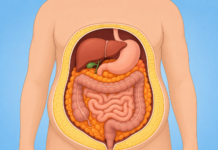
The Specific Muscle Groups Affected
Sitting for nine hours does not affect the hip as a single unit. It places different demands on different muscle groups, and an effective routine treats them differently rather than applying one generic stretch to the whole area.
Iliopsoas (psoas major and iliacus). Physiopedia describes the iliopsoas as the body’s primary hip flexor. It sits in a shortened position for the entire time you’re seated, and it’s the muscle most responsible for the pulling sensation people feel at the front of the hip or low back when they finally stand up after a long stretch at a desk.
Rectus femoris. Part of the quadriceps group, but unusual in that it crosses both the hip and the knee. Sitting shortens it at the hip while the bent knee shortens it there too, which is part of why static quad and hip-flexor stretches that extend the hip while bending the knee tend to feel more effective than either motion alone.
Tensor fasciae latae (TFL) and the IT band. The TFL assists hip flexion and stabilizes the pelvis during walking. Long sitting sessions can leave it tight and overactive, which shows up as tightness along the outside of the hip and upper thigh.
Gluteus maximus and medius. These are the mirror-image problem: not shortened, but underused. A seated glute is a glute that isn’t doing its job of extending and stabilizing the hip, and muscles that go quiet for hours at a time tend to fire later and less forcefully when you finally need them, whether that’s standing up, climbing stairs, or walking briskly to a meeting.
Deep hip external rotators (piriformis and friends). These small muscles help control hip and pelvis position during walking and standing. Long sitting, especially in a chair without good hip support, can leave them tight and sometimes contributes to the referred discomfort in the back of the hip and upper glute that people mistake for sciatica.
By the Numbers
An Evidence-Based Routine Built Around a Real Workday
Most hip-mobility advice assumes you have a spare 20 minutes and a private room. Realistically, a nine-hour sitting day has three windows where hip work fits without asking anyone’s permission: before work starts, in short pauses scattered across the day, and at the end of the day when you’re already moving around. The routine below is built around those three windows rather than around an idealized workout you’re unlikely to keep doing past week two.
Workday Touchpoints
Before work (5-6 minutes)
Kneeling hip flexor stretch, standing quad/rectus femoris stretch, and 90/90 hip switches to open both hips before the first hour of sitting begins.
Every 30-45 minutes (60-90 seconds)
Stand up, take 10-15 steps, and do one standing hip extension or a set of 10 glute bridges/standing hip circles at your desk before sitting back down.
Lunch break (5 minutes)
A short outdoor or hallway walk, ideally the full 5 minutes research links to meaningful blood sugar and blood pressure benefits, plus a seated figure-four stretch if you’re eating at your desk.
After work (8-10 minutes)
The “reset” block: kneeling hip flexor stretch held longer, pigeon pose or a seated figure-four, glute bridges for activation, and a few minutes of easy walking to restore normal gait patterns before the evening.
How Much Movement Actually Offsets Nine Hours of Sitting
The most directly useful data point here comes from a 2023 laboratory study led by Keith Diaz, an exercise physiologist at Columbia University, published in Medicine & Science in Sports & Exercise. Researchers tested several movement-break patterns against eight hours of continuous sitting and found that a five-minute walk every 30 minutes was the only pattern that meaningfully lowered both blood sugar spikes (by 58%, compared with uninterrupted sitting) and blood pressure (by roughly 4 to 5 mmHg, a change Diaz compared to what six months of regular exercise might produce). A one-minute walk every half hour still helped blood sugar somewhat, and every walking pattern tested improved mood and reduced fatigue, but the five-minute/30-minute combination stood out as the clearest minimum effective dose in that study.
That study measured metabolic and cardiovascular markers rather than hip range of motion directly, so it should not be read as proof that walking breaks alone fully protect hip mobility. But the underlying mechanism, regularly interrupting one static position with a different one, is the same mechanism behind the hip extension findings from the Salford cross-sectional study, and it is echoed in official guidance. The CDC’s Physical Activity Breaks for the Workplace Resource Guide recommends building short, five- to ten-minute activity breaks into the workday and explicitly notes that stretching alone does not count toward aerobic activity targets, but that lighter movement breaks still meaningfully interrupt prolonged sitting.
Put together, a reasonable, defensible target for someone sitting nine hours a day looks like this: a short walk (ideally five minutes, but even one to two minutes is better than nothing) roughly every 30 to 45 minutes, plus two dedicated hip-mobility sessions of five to ten minutes each, one before the sitting block begins and one after it ends. That adds up to well under 30 total minutes of deliberate movement across a nine-hour day, which is a far smaller ask than most people assume “fixing” desk-related hip stiffness requires.
The Full Routine, in Table Form
Copy-Ready Checklist: Building Hip Mobility Into a 9-Hour Sitting Day
- Do 5-6 minutes of hip-opening stretches before your first sitting block, not after it
- Set a recurring timer or calendar reminder for every 30-45 minutes
- Stand and take at least 10-15 steps at each reminder, even on packed meeting days
- Protect one 5-minute walk at lunch as a non-negotiable, not an optional extra
- Add 10 reps of a standing hip extension or glute bridge at least twice during the workday
- Keep your chair height set so your knees sit level with or slightly below your hips
- End the workday with an 8-10 minute reset routine before switching to evening tasks
- Track consistency, not intensity; four short sessions most days beats one long session once a week
- Notice and log any numbness, tingling, or pain that travels down the leg, and flag it to a clinician
A Worked Example: Marcus, Insurance Claims Analyst
Marcus works a hybrid schedule, three days at home and two in an open-plan office, processing claims for roughly nine hours a day with a standard hour for lunch folded into the middle. Before starting this routine, his main complaint was a dull ache across the front of both hips by mid-afternoon and a stiff, shuffling first few steps every time he stood up after a long call.
In week one, Marcus only changed one thing: he set a recurring 40-minute timer and stood up, walked to the kitchen or printer, and back every time it went off. That alone cut the mid-afternoon ache noticeably, though it didn’t eliminate the morning stiffness.
In week two, he added the before-work block: two rounds of kneeling hip flexor stretches and a set of 90/90 switches while his coffee brewed, about six minutes total. He also swapped his usual desk lunch for a five-minute walk around the block before eating. By week three, he’d added the evening reset, using it as a transition ritual between “work mode” and the rest of his evening rather than as an extra chore.
By week five, Marcus reported the standing-up stiffness was largely gone and that he could get into a full squat to pick something off the floor without the pinching sensation at the front of his hips that used to stop him halfway down. Nothing about his routine required special equipment, a gym membership, or more than about 20 minutes of total deliberate movement spread across a nine-hour day. The change came from consistency and from timing the routine around the shape of his actual schedule, not from any single stretch doing something dramatic.
Common Mistakes
What Occupational Health Researchers Say
Occupational health researchers studying sedentary work have converged on a fairly consistent message over the past decade: total sitting time matters, but how that sitting is broken up matters just as much, if not more. The CDC’s Take-a-Stand Project, a practice-based study of 34 office employees at a Minneapolis health organization, found that giving workers a sit-stand device reduced daily sitting by 66 minutes (a 16% drop) and cut reported upper back and neck discomfort by 54% within four weeks, but also found that those gains largely disappeared within two weeks of removing the device. That detail matters for a hip-focused routine too: mobility work is not a one-time fix, it’s a habit that has to be maintained roughly as long as the sitting demands of the job continue.
The CDC’s more recent Physical Activity Breaks for the Workplace Resource Guide takes a similar practical stance, encouraging employers to build brief, five- to ten-minute activity breaks into the structure of the workday rather than leaving movement entirely up to individual willpower during unstructured time. The guide is explicit that comfort and adaptability matter for adherence: it advises leaders to let people modify movements to fit their own bodies rather than prescribing a single rigid routine for everyone.
On the exercise physiology side, Keith Diaz’s research group at Columbia has focused specifically on dose: how much movement, how often, produces a measurable physiological benefit for someone who sits most of the day. Their finding that five-minute walks every 30 minutes outperformed less frequent or shorter alternatives supports designing hip-mobility routines around frequent, brief touchpoints rather than a single long session, the same structural principle reflected in the routine outlined above.
A Note on Safety and Scope
This article is general educational information, not medical advice, and it isn’t a substitute for an individualized evaluation. The stretches and movement patterns described here are intended for people without an existing hip, spine, or nerve condition.
If you experience persistent hip, back, or nerve-related pain, especially numbness, tingling, weakness, or pain that radiates down the leg, stop the routine and see a physician or physical therapist for an evaluation before continuing. Sharp or worsening pain during a stretch is a signal to stop that movement, not to push through it.
Key Takeaways
- Research links more total sitting and lower activity to reduced hip extension range of motion
- Sitting mainly affects the iliopsoas, rectus femoris, and TFL through shortening, and the glutes through underuse
- Five-minute walks roughly every 30 minutes are the best-studied minimum dose for offsetting the metabolic effects of prolonged sitting
- A realistic routine has three windows: before work, scattered through the workday, and after work
- Consistency across weeks matters more than the intensity of any single stretch session
- Standing desks help but don’t replace the need for periodic movement breaks
- Persistent or radiating pain is a signal to see a physician or physical therapist, not to push through the routine
Frequently Asked Questions
How long does it take to notice a difference in hip mobility?
Most people notice reduced stiffness when standing up within one to two weeks of consistent practice. Measurable range-of-motion changes, like a deeper squat or an easier hip extension, tend to build over four to six weeks of near-daily practice rather than appearing overnight.
Is a standing desk enough on its own?
Not by itself. Standing still for long stretches creates its own static-posture demands and doesn’t specifically restore hip extension or reactivate the glutes. A sit-stand desk is a useful tool for adding variety across the day, but it works best alongside, not instead of, the movement breaks and stretches described above.
Can I do this routine if I have a desk job with back-to-back video calls?
Yes. On days with limited breaks, prioritize the 30-60 second stand-and-step reminder over the longer stretches, and take calls standing or walking when the format allows it. Save the fuller hip-flexor and glute work for the before-work and after-work windows, which don’t depend on your meeting schedule.
Does sitting actually shorten the hip flexor muscles permanently?
The evidence for permanent structural shortening from ordinary daily sitting is thinner than the popular claim suggests. What’s better supported is that a hip kept mostly in flexion for nine hours a day, day after day, behaves as though its extension range is less available, and clinicians commonly observe tightness, anterior pelvic tilt, and glute underuse in people with sitting-heavy jobs. Either way, the practical fix is the same: regular movement in the opposite direction.
What’s the single most effective change I can make if I only have five minutes a day?
A five-minute walk at the midpoint of your workday, ideally around lunch, has the best direct research support for offsetting the metabolic effects of prolonged sitting. For hip mobility specifically, a five- to six-minute kneeling hip flexor stretch and glute bridge combo before or after your main sitting block is the highest-value single addition.
Should I stretch before or after sitting for nine hours?
Both matter, and they serve slightly different purposes. Morning mobility work opens the hips before they spend the day in flexion; evening work restores range and reactivates the glutes after the sitting block ends. Skipping one isn’t a failure, but doing both is more effective than either alone.
What if a stretch causes sharp pain instead of a normal stretching sensation?
Stop that specific movement. A normal stretch feels like mild tension that eases within the hold; sharp, pinching, or radiating pain, especially anything traveling down the leg or accompanied by numbness or tingling, is a signal to see a physician or physical therapist rather than continuing the routine.
Do I need any equipment for this routine?
No. Every movement described here uses body weight and, at most, a chair, a wall, or floor space, which is part of why it fits into a workday without requiring a gym trip or dedicated equipment.
References
- Boukabache, A., Preece, S. J., & Brookes, N. (2021). Prolonged sitting and physical inactivity are associated with limited hip extension: A cross-sectional study. Musculoskeletal Science and Practice, 51, 102282. sciencedirect.com/science/article/abs/pii/S2468781220305877
- Diaz, K. M., et al. (2023). Effects of prolonged sitting interrupted with brief bouts of activity. Medicine & Science in Sports & Exercise, summarized in Columbia University Irving Medical Center news. cuimc.columbia.edu/news/rx-prolonged-sitting-five-minute-stroll-every-half-hour
- Centers for Disease Control and Prevention. (2021, updated 2024). Physical Activity Breaks for the Workplace Resource Guide. cdc.gov/workplace-health-promotion/media/pdfs/2024/06/Workplace-Physical-Activity-Break-Guide-508.pdf
- Pronk, N. P., Katz, A. S., Lowry, M., & Payfer, J. R. (2012). Reducing Occupational Sitting Time and Improving Worker Health: The Take-a-Stand Project, 2011. Preventing Chronic Disease, CDC. cdc.gov/pcd/issues/2012/11_0323.htm
- Physiopedia. Hip Flexors. physio-pedia.com/Hip_Flexors
- Orthopedic One. Sitting Pretty: Maintaining Hip Health as a Desk Worker. orthopedicone.com/news-events/sitting-pretty-maintaining-hip-health-as-a-desk-worker