
























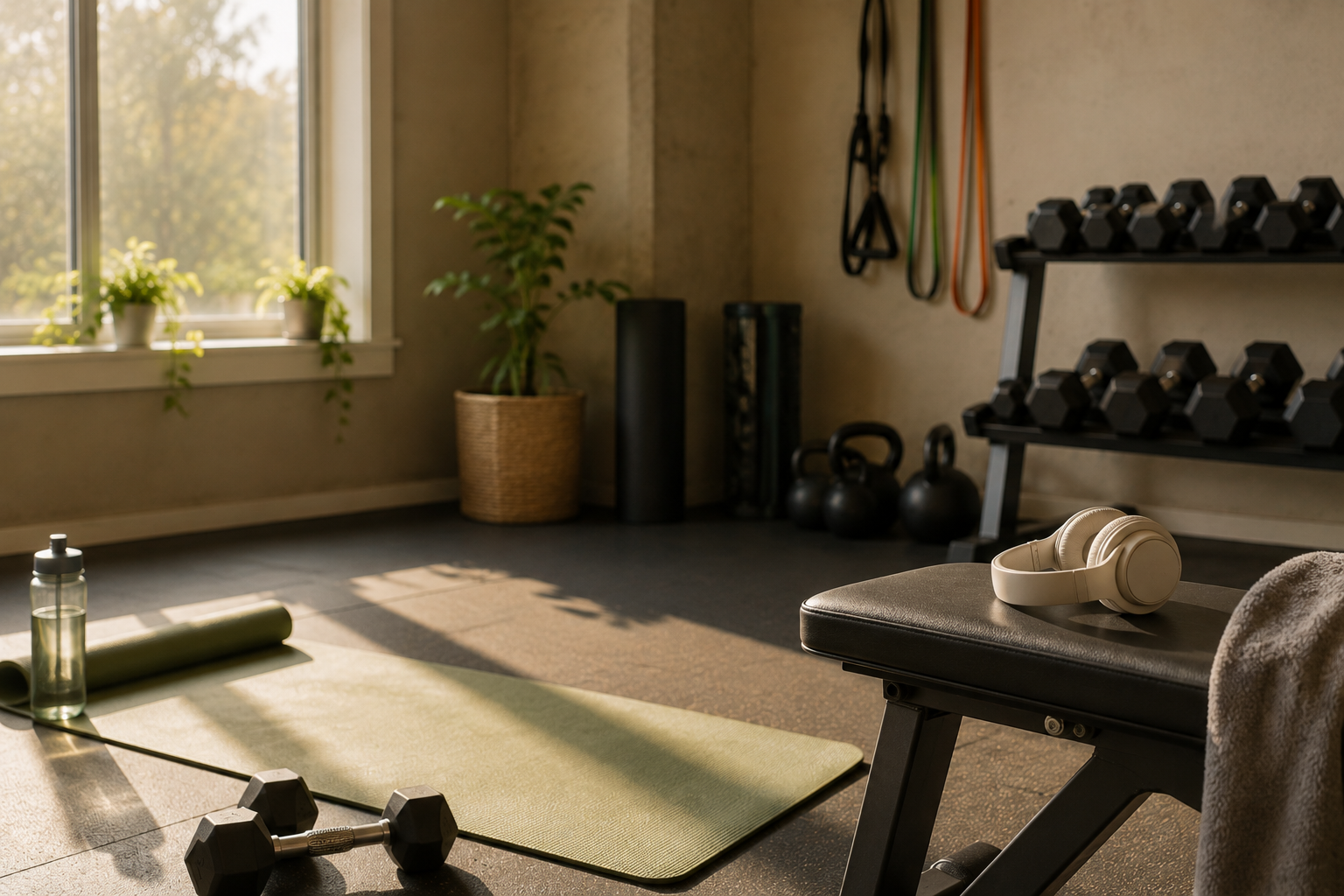
Walking into a gym means walking into a wall of sensory input: buzzing fluorescent lights, clanging plates, competing playlists, and a crowd of moving bodies. For many autistic people, that combination is not just distracting; it is exhausting before the first set even starts. None of this means fitness spaces are off-limits. It means the plan for getting there needs to account for sensory load the same way it accounts for sets and reps.
This protocol is written for autistic adults, teens working with a caregiver, and the coaches or family members supporting them. It focuses on two things that make the biggest practical difference: reducing unnecessary sensory load in the gym environment, and building a routine predictable enough that the body and brain can settle into the workout instead of bracing against the room. Every strategy here can be adapted. There is no single “right” way to do this, only the way that fits a particular nervous system, gym, and schedule.
A quick note on language: this article uses identity-first phrasing (“autistic people,” “autistic gymgoer”) because that is the wording most preferred by autistic self-advocates, including the Autistic Self Advocacy Network (see References below). Sensory needs vary enormously from person to person, so treat every suggestion below as a starting menu, not a checklist to complete in order, and adjust freely to match what actually helps.
Why Gym Environments Are Sensory-Heavy Places
Sensory processing differences are common among autistic people. Estimates from clinical and self-report research place the prevalence of some form of sensory sensitivity between roughly half and nearly all autistic individuals, according to guidance summarized by the National Autistic Society (see References below). Sensory differences generally show up as either heightened sensitivity (hypersensitivity), where ordinary input feels intense or even painful, or reduced sensitivity (hyposensitivity), where a person seeks out more input to feel regulated. Many people experience a mix of both, varying by sense and by day, and the same person can react differently to the same gym on two separate visits depending on sleep, stress, or how crowded it happens to be.
A commercial gym stacks several of the most commonly reported triggers into one room at once. Understanding each one individually makes it much easier to plan around them instead of trying to tolerate all of them simultaneously.
Lighting
Fluorescent tubes flicker at a rate most people don’t consciously register but that can still cause eye strain, headaches, or a low-grade sense of unease for someone with light sensitivity. Floor-to-ceiling mirrors multiply the visual field, and overhead lighting rigs in group fitness rooms often add moving colored light on top of the standard fixtures. Even the reflective sheen off chrome equipment under bright lighting can add to the visual noise of a room that already has a lot going on.
Noise
Gyms layer sound sources that rarely coordinate: the house playlist, a group class instructor’s microphone, dropped weights, cardio machine fans, and dozens of overlapping conversations. Unpredictable loud noises, like a barbell slamming onto a platform or a whistle from a training session, tend to be more disruptive than steady background noise, because there is no way to brace for them in advance. A gym that is merely loud is often easier to tolerate than one that is loud and unpredictable.
Crowding and touch
Peak hours mean navigating close quarters, waiting for equipment, and the real possibility of unexpected contact when someone reaches past you or brushes by in a tight aisle. For a person who finds unpredictable touch aversive, this alone can make a session feel unsafe before any exercise happens. Waiting in a queue for a machine adds a second layer of stress on top of the physical proximity itself, since it also introduces uncertainty about timing.
Smell
Cleaning chemicals, rubber flooring, perfume and cologne, and general body odor concentrate in a warm, poorly ventilated room. Scent sensitivity is easy for gym staff to overlook because it isn’t visible, but it can be one of the most persistent sources of discomfort for a sensitive nose, and unlike noise it usually can’t be blocked with headphones.
Temperature and proprioceptive load
Some autistic people have a harder time registering that they are overheating or under-dressed, which matters in a room where temperature swings between the free-weight floor, the cardio deck, and an air-conditioned studio. Combined with the physical demands of exercise itself, this can push someone toward sensory overload before they notice the early warning signs, particularly if attention is already fully occupied by managing sound and light.
Cognitive load from unfamiliar layout and etiquette
Unwritten gym etiquette (how long to hold a machine, when to ask to work in, where to re-rack weights) adds a layer of social decision-making on top of everything else. For a new gym or a new visitor, figuring out these unspoken rules while also managing sensory input can be its own source of fatigue, separate from the workout itself.
None of these factors are a reason to avoid the gym. They are simply the variables worth planning around, the same way a runner plans around weather or a lifter plans around equipment availability.
Sensory-Load Strategies for the Gym Floor
The table below groups practical adjustments by sensory channel. None of these require special equipment beyond what is listed, and most gyms will accommodate the low-cost items (headphones, sunglasses, a consistent spot on the floor) without any special request.
| Sensory Channel | Common Trigger | Practical Adjustment |
|---|---|---|
| Auditory | Overlapping music, PA announcements, dropped weights | Noise-cancelling headphones or filtered earplugs; a fixed playlist you control instead of the gym’s sound system |
| Visual | Fluorescent flicker, wall-to-wall mirrors | Tinted glasses or a cap brim; a training spot facing away from mirror banks |
| Tactile/crowding | Unexpected touch, tight aisles, waiting for shared equipment | Off-peak visits; a corner or end-of-row station; a “buffer” cardio machine on one side when available |
| Olfactory | Cleaning products, perfume/cologne, rubber flooring | Positioning near a ventilation source or entrance; a scent you find neutral or grounding (e.g., unscented balm) as a reset point |
| Thermal/proprioceptive | Room-to-room temperature swings, difficulty noticing overheating | Layered clothing that’s easy to remove; scheduled water and cool-down checkpoints rather than relying on thirst or heat cues alone |
| Cognitive load | Unfamiliar layout, unclear etiquette, decision fatigue | A written or visual workout plan brought in on paper or phone; the same equipment sequence each visit |
Timing: Using Off-Peak Hours as a Sensory Tool
Attendance data at most commercial gyms follows a predictable curve: a spike before work, a smaller spike over lunch, and a large spike in the two to three hours after the standard workday ends. Training outside those windows, in mid-morning, early afternoon, or late evening, can cut both noise and crowding substantially without changing anything else about the workout itself.
Some facilities go further and schedule dedicated low-stimulation sessions. Public leisure centers in the UK, for example, run weekly “quiet hour” sessions with no music or television and reduced PA use, timed deliberately for lower-traffic periods, according to a program description published by Antrim and Newtownabbey Borough Council (see References below). Their program also stocks sensory-friendly toys and keeps an on-site sensory room available during those hours, and it does not require advance booking. Not every gym offers a formal quiet hour, but it is worth asking front-desk staff directly. Many will know their facility’s genuinely quietest windows even without an official program, and some group fitness studios keep sensory-friendly class times on their regular schedule.
If a formal quiet hour isn’t available, a short reconnaissance visit can substitute for one: stop by at a few different times over a week or two, note the noise and crowd level at each, and settle on the window that consistently feels most manageable. That window then becomes the default slot for the routine described below.
Choosing a Gym or Fitness Setting That Fits
Not every fitness setting has to be a large commercial gym. It’s worth weighing a few different formats against personal sensory needs before committing to a membership.
Large commercial gyms
These offer the widest equipment selection and the most flexible hours, which makes off-peak timing genuinely useful. The tradeoff is more unpredictable sensory input: rotating staff, varying music, and less control over the room.
Boutique or smaller studios
Smaller class sizes and more consistent instructors can mean more predictable routines and easier informal communication about sensory needs, though hours are often more limited.
Adaptive or specialized fitness programs
Some organizations design programs specifically around neurodivergent clients. Special Strong, an adaptive fitness organization, describes building sensory-friendly training spaces with calming colors and reduced noise, staff trained specifically to coach autistic clients, and structured, predictable routines as core parts of its model. Programs like this can be a useful entry point for someone who finds a standard commercial gym overwhelming, or a longer-term home base if the coaching style and pacing are a good match.
Home gyms and hybrid setups
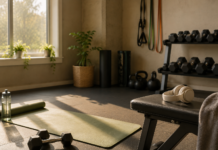
A home setup removes crowding, unpredictable noise, and unfamiliar layout entirely, at the cost of equipment variety and, for some people, the accountability that comes from a scheduled outside commitment. A hybrid approach, home training on some days and a quiet-hour gym visit on others, lets someone keep the parts of the gym experience that work while limiting exposure to the parts that don’t.
There is no universally “better” choice among these options. The right setting is whichever one a person can return to consistently without dreading the sensory cost of walking in the door.
Building a Repeatable Routine
Predictability lowers cognitive load. When the sequence of a gym visit is already decided, there is one less category of decision competing for attention on the floor, which leaves more capacity for both the workout and for tolerating whatever sensory input can’t be controlled.
1. Fix the outer shell of the visit
Same day of week, same time window, same entrance, same locker or storage spot if the gym allows it. The specific choices matter less than their consistency. Once the outer shell is fixed, it stops requiring conscious decisions and starts functioning as a cue that a familiar, manageable activity is starting.
2. Use a visual or written schedule
A simple card or phone note listing exercises in order, with sets, reps, or a time cap, removes the need to improvise a plan while already managing sensory input. Some people find a picture-based schedule (icons for each movement) faster to process mid-session than a text list; others prefer plain text. Either works as long as it’s consistent from visit to visit. Occupational therapists sometimes call this kind of external structure a “visual support,” and it is one of the most transferable tools from OT practice into an independent gym routine.
3. Build in a landing and a leaving ritual
A two-minute arrival routine (headphones on, check the plan, walk the same route to the first station) and a two-minute closing routine (water, brief stretch, headphones off only once outside) bookend the sensory load and make the transition in and out of the space more predictable. These small rituals matter more than their length suggests, because they mark a clear, repeatable boundary between the sensory environment of the gym and whatever comes next.
4. Increase exposure gradually
If the gym itself is a new or anxiety-provoking environment, it rarely helps to start with a full session at peak capacity. A shorter visit, even five or ten minutes, just enough to complete the arrival ritual and one or two exercises, during the quietest available window builds tolerance without triggering overload. Session length and gym busyness can each be increased independently, one variable at a time, once the current level feels manageable. There’s no fixed timeline for this progression; some people extend a visit every week, others hold at one length for a month before adding more.
5. Plan a regulation break into the session, not just after it
Rather than pushing through until overload hits, build a scheduled pause, outside if possible, or in a quieter corner, partway through the routine. This is a preventive step, not a sign the plan failed. Treating the break as a normal, planned part of the routine (written into the template, not just added on bad days) removes the pressure to “push through” and helps the routine hold up over the long term.
6. Keep a short debrief note
After each session, jot one line: what felt manageable, what didn’t, what to adjust next time (a different time slot, a different station, different headphones). Over a few weeks this becomes a personalized map of what actually works at that specific gym, and it turns trial and error into a record that can be reused or shared with a coach or occupational therapist.
Reusable Routine Template
- Arrival ritual (2 min): headphones on, review the plan card, walk the fixed route in
- Warm-up (5 min): same movements every visit, low sensory demand
- Main block (15–25 min): fixed exercise order from the written plan, off-peak time slot
- Scheduled break (2–5 min): quiet corner or outside, water, no new decisions
- Cool-down (5 min): same stretch sequence every visit
- Leaving ritual (2 min): fixed exit route, headphones off only once outside
- Debrief (1 line): one note on what to keep or change next time
Copy this list into a notes app or index card and adjust the minutes, order, and exercises to fit your own plan.
Working with a Coach, Trainer, or Training Partner
A coach or workout partner who understands the plan in advance can make a significant difference, especially in the early weeks. Sharing the written routine template ahead of a session means the other person already knows the structure and won’t need to improvise adjustments mid-workout. It also helps to agree in advance on how to signal that a break is needed: a hand signal, a specific word, or simply stepping toward the exit route built into the leaving ritual. Deciding on that signal before it’s needed, rather than in the middle of overload, keeps the whole plan easier to follow under pressure.
For a trainer at a commercial gym, a short written summary (preferred communication style, known triggers, the fixed routine structure) can replace a longer verbal explanation and reduce the chance of well-meaning but unhelpful “just push through it” coaching.
When to Involve an Occupational Therapist
General strategies help most people some of the time, but they are not a substitute for an individualized plan. Occupational therapists are trained specifically in sensory processing and can assess a person’s sensory profile in detail, then help translate that profile into a workable plan for a specific environment, including a specific gym. The American Occupational Therapy Association describes sensory-based intervention as a core, evidence-informed part of occupational therapy practice for people with sensory processing differences across the lifespan, not limited to childhood.
Consider involving an occupational therapist, a sensory-informed trainer, or another trusted professional when overload happens repeatedly despite adjustments, when a new gym or fitness activity needs to be introduced safely, when a caregiver is supporting someone who cannot easily self-report what is triggering distress, or when co-occurring conditions (chronic pain, joint hypermobility, motor coordination differences) interact with the sensory picture. A professional can also help build the gradual-exposure steps described above at a pace that fits the individual, rather than a generic timeline copied from an article like this one.
Putting It Together
None of these adjustments require a special gym membership or expensive equipment. Off-peak timing costs nothing. A written plan takes five minutes to draft. Noise-cancelling headphones and tinted glasses are the only real purchases most people need, and both have uses well beyond the gym. What changes outcomes is treating sensory load as a training variable worth managing on purpose, logged, adjusted, and revisited the same way rest days or progressive overload get tracked.
Start with the one or two adjustments from the table above that address the loudest trigger, build the routine template around a realistic time slot, and expect the plan to need small revisions for the first several visits. A gym routine built around actual sensory needs from the outset tends to last considerably longer than one that assumes willpower alone will close the gap.
Frequently Asked Questions
Is every autistic person sensitive to the same gym triggers?
No. Sensory profiles vary widely: some autistic people are primarily light-sensitive, others are more affected by sound or crowding, and some seek out more input rather than less. Treat this article as a menu of options to test, not a universal prescription.
What if my gym doesn’t offer a quiet hour?
Most gyms still have predictably quieter windows even without a formal program. Ask front-desk staff which hours see the lowest traffic, or track your own visits for a week or two to find the pattern.
Can noise-cancelling headphones be worn during all exercises?
Generally yes for cardio and strength work on the floor, though it’s worth checking gym policy for group classes, where an instructor may need to be heard for safety cues. Over-ear models also double as light hearing protection near loud free-weight areas.
How long does it take to build a comfortable gym routine?
This varies by person and by how anxiety-provoking the environment currently feels. Some people adjust within a few visits using the gradual-exposure approach; others benefit from working with an occupational therapist over several weeks to build tolerance at a sustainable pace.
Should I tell gym staff about sensory needs?
That’s a personal choice, but many facilities can accommodate simple requests, such as a specific locker, a heads-up about upcoming loud events, or information about quiet hours, if asked directly. Nobody is obligated to disclose a diagnosis in order to make a request.
Is this article a substitute for professional guidance?
No. This is a general strategy overview, not a diagnostic or clinical tool. For an individualized sensory plan, especially where overload is frequent or intense, consult an occupational therapist or another qualified professional.
References
- National Autistic Society, “Autism and sensory processing”
- Autistic Self Advocacy Network, “Identity-First Language”
- Antrim and Newtownabbey Borough Council, “Quiet Hour”
- Not So Typical Fitness, “ADHD & Autism Workout Plans That Actually Stick” (notsotypicalfitness.co.uk/blog/ultimate-guide-to-neurodivergent-friendly-workouts)
- American Occupational Therapy Association, “Practice Smart”, on sensory-based intervention in occupational therapy practice
- Special Strong, “Why 7 Autism Gym Practices Boost Excitement”
By Amara Williams