




























How Screens Affect Sleep Quality: Insights from 3 Scientific Studies
Screens are everywhere — on our phones, tablets, laptops, and TVs — and their presence right up to bedtime has been linked repeatedly to...
Screen Detox for Better Sleep: 5 Simple Techniques to Fall Asleep...
Poor sleep and restless nights are often traceable to a small, glowing rectangle. If your evening routine includes scrolling, streaming, or doomscrolling, this article...

Blue Light and Insomnia: Why Screens Keep You Awake — Simple,...
If you scroll through your phone, tablet, or laptop in the hour before bed, this article is for you. We’ll explain — in clear,...

12 Morning Routine Tips for Waking Up Without Screens
A calm, screen-free morning gives your brain time to fully “boot up,” align with natural light, and set priorities before notifications hijack your attention....

Reclaim Your Nights — The 7-Day Screen Detox Challenge to Sleep...
Screens show us how to work, learn, connect, and relax — but they can also hijack sleep, focus, and calm. This seven-day, practical program...
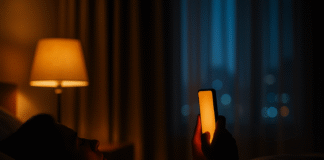
Smartphone Night Mode: 9 Evidence-Based Truths (Hype vs Helpful)
Smartphone night mode promises gentler light and better sleep by shifting screens warmer, darkening interfaces, and silencing notifications. But does it actually help? Short...
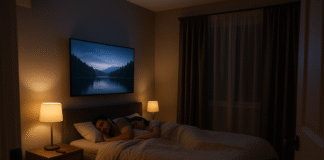
TV in the Bedroom: 11 Pros and Cons for Your Sleep
Is a TV in the bedroom bad for sleep—or can it actually help you unwind? The short answer: for many people, bedroom TVs delay...
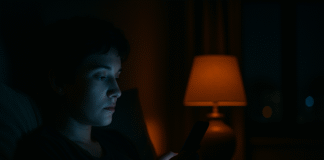
The effects of blue light on sleep quality: 9 proven insights...
Blue light affects sleep quality because your eyes contain melanopsin-sensitive cells that tell the brain when it’s “daytime.” Short-wavelength (blue-rich) light in the evening...
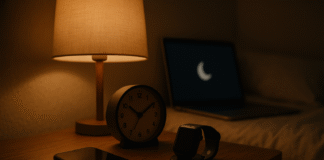
12 Strategies for Muting Devices for Better Rest at Night
Nighttime pings, buzzes, and pop-ups keep far too many of us on edge when our bodies are trying to wind down. If you’ve ever...
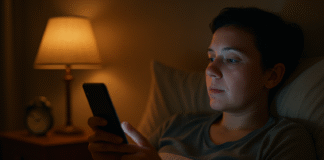
12 Facts That Explain the Science of Screens and Melatonin Production
Nighttime screen use doesn’t just “feel” stimulating—it can biologically delay sleep. In short: light from screens, especially short-wavelength (blue-enriched) light, activates special retinal cells...