

























Connection doesn’t require a big spend—it requires intention. If you want quality time on a budget, the key is to choose activities that create conversation, shared effort, and small moments of delight. This guide shows you exactly how: free or low-cost plans you can repeat year-round, with steps, tools, and guardrails. In one line: prioritize togetherness over price tags. Quick wins include going outside, cooking one dish together, borrowing fun from your library, and setting brief device-free rituals that turn ordinary minutes into meaningful ones. (General guidance only; not financial advice.)
Quick start (do this today):
- Pick one zero-cost outdoor activity and put it on the calendar.
- Plan a simple cook-together meal with 3 ingredients you already have.
- Borrow a board game or film from your library.
- Set a 30-minute device-free window after dinner.
- Start an “adventure jar” with ten micro-dates under $5.
1. Go Outside: Parks, Trails, and Free City Spaces
The most affordable quality time is often right outside your door. Fresh air lowers barriers to conversation, walking sets a steady rhythm, and unstructured space helps you decompress together. You don’t need gear or tickets—just a route and a time. Health authorities consistently recommend regular physical activity for mental and physical well-being; walking together is the simplest way to meet those targets while catching up on each other’s lives (as of August 2025, adults benefit from 150–300 minutes of moderate activity per week). Outdoor time also avoids the “noise” of paid entertainment, which can distract rather than connect. Finally, parks, waterfronts, and neighborhood walkways are available in every season; you can adjust for heat or cold by shifting times, choosing shaded routes, or shortening the loop.
1.1 How to do it
- Pick a loop you can finish in 20–45 minutes; repeat it weekly to track small changes in seasons and scenery.
- Add a theme: “rose-colored things,” “sounds we notice,” or “top 3 moments today.”
- Use a free map app to save walks; name them “Wednesday Loop,” “Sunset Steps,” etc.
- Bring a thermos (homemade tea/coffee) to make it feel like a mini outing.
- Mind the weather: go early/late in heat; pick sheltered routes in wind or rain.
1.2 Numbers & guardrails
- Aim: 30 minutes, 5 days/week together, or bundle 60–90 minutes on weekends.
- Cost: $0 (occasional transit fare if you explore a new park).
- Conversation prompt: one “high,” one “low,” one “learn” from the day.
Bottom line: Outdoor walks convert free minutes into meaningful minutes, supporting health and connection at once.
2. Make the Library Your Third Place
Libraries are a budget powerhouse for connection: free spaces, events, maker tools, book clubs, museum passes (in some cities), and quiet desks for shared study. They replace pricey cafés or coworking with a calm, friendly setting where you can read side-by-side, learn a skill, or attend a film night—all without paying admission. Research also highlights libraries as community hubs that reduce barriers to participation and improve local well-being. Many library systems publish monthly calendars packed with free workshops, story hours, and clubs—great recurring anchors for your time together.
2.1 How to do it
- Get a card (often free with proof of address).
- Scan the events calendar and circle two free happenings this month.
- Borrow board games, instruments, or museum passes if your system offers them.
- Try “silent reading dates”: sit together, set a 45-minute timer, then swap highlights.
- Ask librarians about clubs that match your interests.
2.2 Tools & examples
- Libraries frequently host free meetups, classes, and tech access (printers, Wi-Fi).
- Some cities offer free or discounted museum entry via library passes or cultural programs—check your local system’s website.
Bottom line: The library gives you a cozy, zero-cost venue plus a rotating menu of shared experiences all year long.
3. Cook Together: One-Pot Dinners and Picnics
Cooking turns a necessary expense into an experience—planning, chopping, and tasting together creates teamwork and talk. Studies link shared meals with better dietary and psychosocial outcomes, especially for children and teens, but adults reap mood and bonding benefits, too. Start small: one-pot dishes reduce dishes and decision fatigue. Batch-cook on weekends and turn it into a picnic at a nearby park. You’ll spend far less than eating out, and you’ll have leftovers for the next day, extending the value of your time and money.
3.1 How to do it
- Pick a theme: pasta night, dal + rice, veggie stir-fry, sheet-pan chicken.
- Divide roles: one shops, one preps; swap next week.
- Use a strict pantry list to avoid impulse buys; staple items keep costs low.
- Make it social: invite a friend to bring one ingredient; trade recipes.
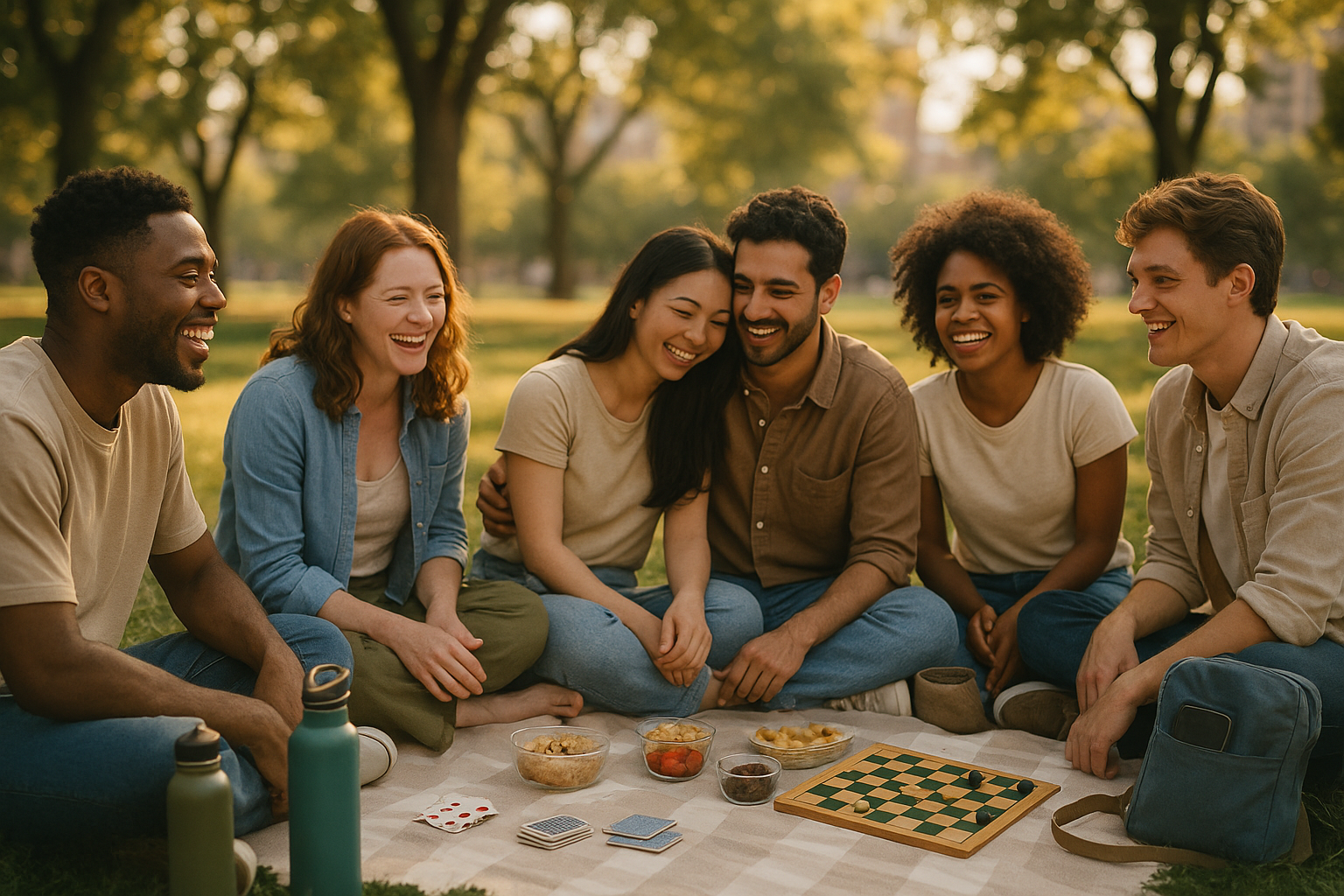
- Take it outside: pack reusable containers, bring a blanket, and eat in the park.
3.2 Numbers & guardrails
- Target cost: $2–$5 per serving (local prices vary).
- Time box: 60–90 minutes from prep to dishes, including a 15-minute walk afterward.
- Ritual: share one “appreciation” before you eat.
Bottom line: Cooking together bundles nourishment, savings, and conversation into one reliable weekly ritual.
4. Institute a Device-Free Daily Window
Constant scrolling steals attention from the person next to you. A planned device-free window (say, 30–45 minutes after dinner) protects a small pocket of presence every day. Social research shows that shared experiences—talking, playing, even quiet reading side-by-side—boost positive mood and resilience. When you remove phones from the table, you naturally slide into conversation, games, or short walks. Devices can return afterward; the point isn’t perfection but predictability.
4.1 How to do it
- Set the rule: phones in a basket; sound on for emergencies only.
- Pick a go-to activity: a deck of cards, sketching, or swapping stories.
- Keep it short and consistent: 30–45 minutes beats “three hours someday.”
- Add a cue: light a candle, brew tea—simple, sensory signals help the habit stick.
- End with a 2-minute “what we noticed” to reinforce the win.
4.2 Mini case
- Two roommates set 8:30–9:00 p.m. as device-free. In three weeks, they finished a puzzle, planned a weekend hike, and started a shared cookbook list—without spending more than a few dollars on tea and snacks.
Bottom line: A daily, predictable, no-phone window returns attention to your relationship at zero cost.
5. Start a Board-Game or Puzzle Night (Borrow, Don’t Buy)
Games spark laughter, teamwork, and friendly competition—ingredients for memorable time together. You don’t need a large collection or pricey titles: borrow from friends or the library, trade with neighbors, or try classic public-domain games (chess, checkers, dominoes, playing cards). Research suggests board games can enhance social interaction and may support cognitive benefits across ages. Puzzles offer a quieter alternative with the same “we solved it” payoff.
5.1 How to do it
- Choose formats that fit your group: cooperative (Pandemic-style), party (Codenames-style), strategy (chess), or roll-and-write (Yahtzee-style).
- Set a time cap (60–90 minutes) so the night doesn’t run late.
- Rotate hosts and snacks; create a no-buy rule—only borrowed or thrifted games.
- Use free print-and-play titles available online for classic mechanics.
- Track favorites and house rules in a shared note.
5.2 Numbers & guardrails
- Cost: $0 (library loan), or <$5 for thrift finds.
- Group size: 2–6 for most entry-level games.
- Social rule: debrief for 3 minutes—“best move,” “funniest moment.”
Bottom line: A recurring game night delivers guaranteed interaction at near-zero cost, with potential cognitive upside.
6. Make Movement Your Bonding Time
Exercise together and you’ll save money while checking the “health” box as a duo. Walking challenges, stair climbs, free outdoor workouts, body-weight circuits, and bike rides all work. Health guidance (as of August 2025) recommends 150–300 minutes of moderate activity weekly; pair that with conversation or shared playlists and the minutes fly. You’ll also get the subtle benefit of “joint effort,” where accomplishing something mildly hard—together—amplifies closeness.
6.1 How to do it
- Pick a rhythm: 30 minutes after work, or weekend 5K walks.
- Build a mini circuit: 3 rounds of 10 squats, 10 pushups (knees OK), 30-second planks.
- Use stairs in your building for intervals.
- Join a free community class (parks, libraries, faith centers often host).
- Set a shared streak: 15 days this month.
6.2 Numbers & guardrails
- Cost: $0–$2 (water/snacks).
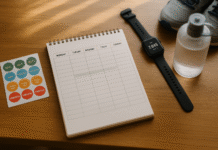
- Track: free apps or a paper habit calendar on your fridge.
- Safety: warm-up 5 minutes; stop if pain persists; check medical advice if unsure.
Bottom line: Moving together compounds benefits—connection now, health later—without gym fees. PMC
7. Hunt Free Culture: Museum Hours, Galleries, and Open Mics
Art and culture don’t have to be expensive. Many museums offer free or pay-what-you-wish hours; galleries and community centers host free openings, talks, and open-mics. The trick is to plan around calendars so you’re not surprised at the door. Libraries, city cultural departments, and universities often maintain lists of free days or low-cost admission—perfect for a recurring “First Friday” or “Free Wednesday” date.
7.1 How to do it
- Search “free museum days” + your city and bookmark official pages.
- Check your library for cultural passes (where available).
- Plan a 90-minute visit with one focus: “three pieces we’d take home.”
- Pair it with a picnic nearby to keep the day low-cost.
- Set a cap: transit only; skip gift shops this round.
7.2 Tools & examples
- Many cities publish free/suggested admission lists and pay-what-you-wish hours (availability varies by location and ID requirements).
- Always confirm current policy on the venue’s site; some require free ticket reservations.
Bottom line: With a little calendar sleuthing, you can enjoy world-class culture together for little to no cost. American Museum of Natural HistoryClyfford Still Museum
8. Build an “Adventure Jar” of Micro-Dates Under $5
When time is scarce, spontaneity saves the day. An “adventure jar” holds tiny, pre-planned activities that cost $0–$5 and take 30–90 minutes. You draw one and go—no decision fatigue. The variety keeps things fresh and makes it easier to say “yes” when you have only an hour. Because costs are low and pre-committed, you’ll do more together with less friction.
8.1 How to do it
- Brainstorm 30 ideas: sunset walk, library zine browse, thrift-store challenge, balcony stargaze, free gallery, bake-off with pantry items, blindfolded taste test, park sketching, neighborhood photo scavenger hunt.
- Write each on a slip and set time/cost caps.
- Color-code by duration (30/60/90 minutes).
- Draw one the next time you’re tempted to default to screens.
- Refresh monthly with new freebies you’ve discovered.
8.2 Mini example
- Budget: $10/month for all jar activities.
- Results: 8–10 micro-dates completed, two favorites repeated, zero overspend.
Bottom line: The adventure jar turns idle time into playful connection without touching your savings.
9. Swap Skills and Create Maker Nights
Teaching each other is intimate, fun, and free. Skill swaps—origami, coding a tiny website, basic guitar, watercolor, pantry pickling—let each person shine while both learn. Maker nights generate artifacts (a song, a jar of jam, a small website) that remind you of the time you spent. Many skills require only household items; for others, your library’s maker space or tool-lending program might help.
9.1 How to do it
- List three teachable skills each and pick one per week.
- Keep it short: 45 minutes of instruction, 30 minutes of practice.
- Use free resources (YouTube, open course notes) to structure the lesson.
- Document wins: a photo, a 30-second clip, or a shared notebook.
- Show-and-tell at month’s end with friends (online or in person).
9.2 Numbers & guardrails
- Cost: $0–$5 for consumables.
- Scope: aim to finish a tiny project each session.
- Social boost: invite another pair once a month.
Bottom line: Skill swaps turn curiosity into quality time and create souvenirs of your shared effort.
10. Volunteer Together (Micro-Shifts Count)
Helping others is one of the cheapest—and most rewarding—ways to connect. Volunteering can improve mood, strengthen social bonds, and is associated with better health outcomes in some populations. You don’t need full Saturdays; micro-shifts (one or two hours) at community kitchens, clean-ups, book drives, or tutoring can fit busy calendars. Doing it together adds motivation and shared purpose, deepening your sense of “us.”
10.1 How to do it
- Pick a cause you both value (environment, education, food security, arts).
- Start with one event this month; sign up together so you’re both committed.
- Look for micro-volunteering (short, skill-specific tasks) if weekends are packed.
- Debrief over tea: what you noticed, who you met, one thing to try next time.
- Rotate roles—one leads signups, the other handles transport or snacks.
10.2 Numbers & guardrails
- Cost: $0–$5 (transit/snacks).
- Time: 60–120 minutes per session.
- Well-being link: associated with gains in life satisfaction and reduced depressive symptoms in some reviews (effects vary by age, motivation, and consistency).
Bottom line: Shared service builds meaning, community, and closeness—no ticket required. www.heart.org
11. Turn Errands and Chores into Mini-Dates
Life maintenance doesn’t have to be lonely or dull. Pairing up for shopping, laundry, cleaning, or meal prep transforms chores into light, companionable time. Evidence around shared experiences suggests that everyday activities can be more enjoyable with company; use that to your advantage. Add small rituals—music, a treat under $3, a race against the clock—to keep energy up. You’ll reclaim hours you already spend and redirect them toward connection.
11.1 How to do it
- Batch chores into a 90-minute “power hour.”
- Assign roles (cart captain, list checker, timer keeper) and swap weekly.
- Play “choose the playlist”—winner picks a 20-minute reward walk afterward.
- Use a shared note for errands; check items off together in the store.
- Finish with a 5-minute tidy and a high-five—it matters.
11.2 Mini numbers
- Time saved: 30–45 minutes weekly by batching.
- Cost: neutral; aim for a small shared treat within $2–$3.
- Mood rule: complain for 2 minutes max; then switch to problem-solving.
Bottom line: Chore-pairing turns necessary hours into easy, cost-free companionship.
12. Create a Tiny “Together Fund”
Even a small, predictable budget makes quality time easier. A together fund—$5–$15 per week depending on your situation—covers transit, ingredients, or occasional tickets without guilt. Envelope systems or separate e-wallets work well; when the envelope is empty, you switch to free options. The predictability helps you say “yes” to plans, and the limit encourages creative, low-cost picks.
12.1 How to do it
- Set a weekly amount you won’t miss (start low; you can always increase).
- Pick the container: a literal envelope, a jar, or a dedicated app bucket.
- Pre-plan: before each week begins, choose one paid and two free activities.
- Review monthly and adjust up or down by 10–20% as needed.
- Celebrate underspend by rolling it into next month’s mini-splurge.
12.2 Numbers & guardrails
- Starter amount: $8/week → ~$32/month for bus fares, snacks, or one low-cost ticket.
- Decision rule: never spend more than 50% of the fund on a single outing unless it’s a special occasion agreed in advance.
- Fallback: if funds run out, pick from your adventure jar.
Bottom line: A tiny, ring-fenced budget removes friction and keeps fun consistent—without derailing your finances.
13. Host Potlucks and Theme Nights at Home
Home is the cheapest venue you have. Potlucks and themed nights (taco bar, soup swap, “bring a three-ingredient dish,” poetry open-mic, or documentary club) create high-quality time at minimal cost per person. Ask guests to contribute one dish or item; you provide water, a simple dessert, and the vibe. Add a low-cost activity—board games, a trivia deck, or a short maker project—and you’ll stitch a community that pays connection forward.
13.1 How to do it
- Pick a theme and set a time cap (2 hours).
- Share portions (salad, carb, protein, dessert) in a group chat.
- Borrow extras (chairs, games) from neighbors or your library.
- Set a “no-fuss” rule: disposable or reusable plates; simple clean-as-you-go.
- End with a group photo and a date for the next one.
13.2 Numbers & guardrails
- Cost: $3–$7 per person depending on menu; $0 if everyone brings pantry dishes.
- Host workload: cap prep to 45 minutes; enlist two helpers.
- Noise/time: quiet hours respected; wrap-up music 10 minutes before the end.
Bottom line: Potlucks multiply connection while dividing costs—maximum warmth, minimal spend.
FAQs
1) What exactly counts as “quality time on a budget”?
Anything that deepens connection without significant cost: walks, cooking together, library visits, board games, volunteering, or free cultural hours. The common thread is shared attention and a light plan. If you’re talking, laughing, learning, or creating together—and spending little—you’re doing it.
2) How many low-cost activities should we plan each week?
Two is a good baseline: one 30–45-minute micro-date and one 60–90-minute outing or cook-together. That cadence keeps momentum while leaving space for rest. Busy periods? Keep the micro-date and stack two when life calms down.
3) We’re exhausted after work—how do we avoid canceling?
Pre-decide the shortest version: a 20-minute loop, one-pot pasta, or a single board game round. Put prep items in sight (shoes by the door, pot on the stove). Short completions build a streak, which protects motivation far better than occasional big nights out.
4) Are free museum days and cultural passes available everywhere?
Availability varies by city and institution. Many places have pay-what-you-wish hours, free days, or library-linked passes; others don’t. Always confirm on official pages and reserve free tickets when required. If options are limited locally, swap in galleries, open-mics, or university exhibitions.
5) Does volunteering together really help mood and health?
Multiple reviews associate volunteering with higher life satisfaction and reduced depressive symptoms in some groups, though effects depend on age, motivation, and regularity. Start with causes that matter to you and reflect together afterward to maximize meaning.
6) What if our interests don’t match?
Alternate leads: each person picks one activity per week. Look for overlap zones—easy wins include walking, cooking, library time, or game nights. Try a “teach me” swap so your partner’s hobby becomes a shared mini-project.
7) We have kids—how do we adapt these ideas?
Keep windows short (20–40 minutes), pick high-movement activities (nature scavenger hunts, playground circuits), and involve children in prep (washing veggies, stirring batter). Libraries, free museum hours, and community events are especially family-friendly.
8) How can we track progress without killing the vibe?
Use a simple monthly checklist: 8 boxes for micro-dates, 4 for longer outings, 4 for movement sessions. Check them off on the fridge. A light visual cue is motivating and costs nothing.
9) Is it okay to spend on occasional tickets?
Yes—sprinkling in the occasional low-cost ticket can feel special. That’s what the together fund is for. Set a hard cap and protect your free rituals so paid outings enhance—not replace—your regular connection.
10) We live in a small town—are we out of luck?
Not at all. Small towns often excel at community events, faith-center activities, and library programs. Nature access is usually closer, and potlucks or porch nights thrive when friends live nearby. The principles remain the same: plan, simplify, repeat.
Conclusion
Quality time isn’t about expensive venues; it’s about shared attention, effort, and play. When you prioritize free spaces (parks, libraries), low-cost traditions (cook-together nights, device-free windows), and purpose (volunteering, skill swaps), you create a dependable rhythm of connection that money can’t buy. The thirteen strategies in this guide are designed to be concrete and repeatable: choose a weekly walk, anchor a cook-night, mark free museum hours, and start an adventure jar packed with micro-dates under $5. Layer in a tiny together fund to remove money friction, and you’ll soon have a calendar that strengthens your bond week after week—without stressing your budget.
Take one step today: schedule a 30-minute walk and a 60-minute cook-together for this week, then put a library visit on next month’s calendar.
CTA: Pick your top three ideas, put them on the calendar, and start tonight.
References
- Physical activity — fact sheet, World Health Organization, June 26, 2024. World Health Organization
- Adult Activity: Physical Activity Basics, Centers for Disease Control and Prevention, Dec 20, 2023. CDC
- World Health Organization 2020 guidelines on physical activity and sedentary behaviour, British Journal of Sports Medicine (via PubMed), Nov 2020. PubMed
- Family Mealtimes: A Systematic Umbrella Review of the Relationships Between Frequency of Family Meals and Outcomes, Nutrients, 2023. PMC
- Unpacking family meals: state-of-the-art review, Public Health Nutrition, 2025. PMC
- Public libraries: A community-level resource to advance population health, Journal of Community Health, 2019. PMC
- Public libraries for community building, County Health Rankings & Roadmaps, Mar 5, 2024. County Health Rankings
- The effectiveness of intervention with board games, BioPsychoSocial Medicine, 2019. BioMed Central
- Effect of board game activities on cognitive function of older adults, Medicine (Baltimore) (via PubMed), 2019. PubMed
- Sharing positive experiences boosts resilient thinking, Journal of Happiness Studies (via PMC), 2018. PMC
- Exploring the Effects of Volunteering on the Social, Mental, and Physical Health and Well-Being of Volunteers: A Systematic Review, BMC Public Health (via PMC), 2023. PMC
- Free and Suggested Admission, NYC Department of Cultural Affairs (example resource for free/pay-what-you-wish hours), accessed Aug 2025. New York City Government