

















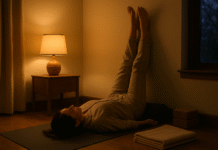

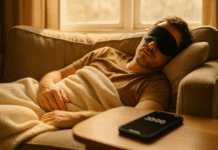



You can adapt your bedtime routine for shift work by aligning sleep timing with your schedule, controlling light exposure, and making small but strategic changes to caffeine, meals, and environment. This guide is for night, early-morning, evening, and rotating shift workers who want stable sleep and steady alertness without relying on guesswork. In one line: anchor part of your sleep at the same clock time daily, use bright light when you need to be alert, block light when you need to sleep, and time caffeine and naps with intent. (General information only—not medical advice.)
Quick-start steps:
- Set a daily anchor sleep block you protect on workdays and days off.
- Use bright light early in the shift, and avoid light near commute and bedtime.
- Cut off caffeine 8–10 hours before target sleep and cap total to safe limits.
- Take a pre-shift nap (20–30 minutes) and, if allowed, a brief on-shift nap.
- Make a day-sleep cave: blackout curtains, cool room, earplugs/white noise.
- Put safety first after night shifts—avoid drowsy driving.
1. Lock an “anchor sleep” window you keep every day
An anchor sleep is a fixed portion of sleep that occurs at the same clock time every day, even on days off. Start by choosing a 4–5-hour block you can reliably protect (for example, 09:00–13:00 if you work nights). This single habit stabilizes your body clock, reduces social jetlag, and makes transitions between workdays and off-days less punishing. It also helps family or housemates learn when not to interrupt you, which is essential when you sleep against daylight and neighborhood noise. Think of this as the spine of your routine; naps and additional sleep stages can flex around it.
1.1 How to do it
- Pick a 4–5-hour window you can protect daily; add extra sleep before or after it.
- Treat anchor sleep as non-negotiable—phone off, doorbell muted, notifications silenced.
- When rotating, keep the anchor but slide supplemental sleep to suit the shift.
- Share your schedule with friends/family and post a quiet-hours note on your door.
- Track how you feel for 2 weeks and adjust by 30 minutes if needed.
1.2 Why it matters
Anchoring maintains partial alignment of your circadian rhythm and improves adaptation to shift work, especially on rotating schedules. Evidence and clinical reviews describe anchor sleep as a recommended strategy alongside family/social support planning.
Bottom line: Protect a same-time core sleep block daily; build the rest of your sleep around it.
2. Control light like a tool: bright when working, dark when sleeping
Light is your strongest circadian cue. Use bright light during the first half of a night shift to boost alertness, then reduce light exposure late in the shift and on the commute to help your brain wind down. Once home, make your bedroom daylight-proof so your brain can produce melatonin and you can sleep deeply despite the sun. If you work permanent nights, strategic light exposure can gradually shift your internal clock; if you rotate, the goal is often to minimize disruption rather than fully re-time your rhythm.
2.1 Numbers & guardrails (as of August 2025)
- Bright-light boxes used in studies range from 2,500–10,000 lux; protocols vary but short, timed exposures can reduce sleepiness and shift circadian phase.
- Evidence in shift workers shows benefit signals but heterogeneous results; still, timed light remains a core behavioral tool recommended by sleep medicine resources.
- Sunglasses after night shift can reduce alerting light—but only if you are not driving yourself, because they may worsen drowsy driving risk.
2.2 Mini-checklist
- Brighten your work area early in the shift; dim lights in the last hours.
- On the commute, choose public transit/ride share if very sleepy; if a passenger, wear dark lenses.
- At home, blackout curtains, a door sweep, and an eye mask should be standard.
- Use warm, low-lux lamps (≤50 lux) in the hour before sleep.
Bottom line: Time light exposure to when you need to be awake; rigorously block it when you need to sleep.
3. Use naps strategically: pre-shift top-ups and on-shift power naps
Naps can be powerful countermeasures for sleep pressure. A pre-shift nap (20–90 minutes) reduces sleepiness entering a long night. If your workplace allows it, a short on-shift nap can restore alertness without wrecking later sleep. Expect brief sleep inertia (grogginess) after longer naps—so schedule a few minutes for re-orientation and, if needed, a light warm-up task after waking. Many shift roles (aviation, healthcare, security) use structured naps because the alertness gains are measurable.
3.1 What the data suggests
- A classic NASA study found a 26-minute cockpit nap improved alertness by ~54% and performance by ~34%.
- NIOSH educational materials note both short and longer night-shift naps can maintain alertness on 12–16-hour nights.
- Reviews of shift-work napping generally show less sleepiness and better performance, despite short periods of inertia. CDC
3.2 Practical timing
- Before shift: 20–30 minutes (fast boost) or 90 minutes (full cycle).
- Mid-shift (if permitted): 10–20 minutes; set two alarms.
- Pair a short nap with coffee just before (“caffeine nap”) to wake crisper.
Bottom line: Planned, short naps are a safe force multiplier for alertness when used properly.
4. Turn your bedroom into a day-sleep cave
When you sleep after a night or early-morning shift, your environment must overpower daylight and neighborhood noise. Aim for cold, dark, and quiet. Cool the room to sleep-friendly temperatures, block light leaks (curtains + eye mask), and kill random sounds with earplugs and a continuous white-noise source. Reduce odors and heat with ventilation; declutter and make the room feel predictable and calm so your brain associates it with immediate rest.
4.1 Numbers & gear
- Target ~18°C / 65°F (a range of 15.6–20°C / 60–68°F is reasonable).
- Use blackout curtains, a tight-fitting sleep mask, and a door sweep to block glare.
- Consider a smart thermostat or plug-in fan to hit your temperature reliably.
- Keep a notepad bedside to park racing thoughts before lights-out.
4.2 Common mistakes
- Letting one pin-hole light leak hit your eyelids.
- Falling asleep with TV or phone in hand (blue and dynamic light disrupt rhythms).
- Room too warm: you’ll wake prematurely and sweat.
Bottom line: Build a predictable sensory bubble—cool, dark, quiet—for fast sleep and fewer awakenings.
5. Master caffeine: dose early, cut it off well before sleep
Caffeine is useful during the first half of a shift but can derail daytime sleep if mistimed. Most adults should cap at ≤400 mg/day; sensitivity varies, and some medications slow caffeine metabolism. Plan your last caffeine 8–10 hours before your target bedtime (for many night workers, that means no caffeine after ~00:00–02:00). Use smaller doses (e.g., 50–100 mg) early to avoid a large crash.
5.1 Guardrails (as of August 2025)
- The FDA cites 400 mg/day as a level not generally associated with dangerous effects in healthy adults.
- Caffeine’s biologic half-life averages ~5 hours (range varies), so late intakes linger into your sleep.
- Avoid energy drinks that bundle caffeine with high sugar late in the shift.
5.2 Mini-checklist
- Front-load caffeine in the first half of your shift.
- Switch to decaf, water, or herbal tea after your cut-off.
- Combine a 20-minute nap + coffee for tough stretches.
Bottom line: Caffeine helps—until it doesn’t. Dose early and shut it down far ahead of your sleep window.
6. Consider melatonin cautiously (timing matters more than dose)
Melatonin can help some shift workers fall asleep during the day or shift their internal clock when timed correctly. Research shows benefit for daytime sleep after night shifts, but effects on on-shift alertness are inconsistent. Start low, time carefully, and involve a clinician if you have medical conditions, take interacting medicines, or have persistent insomnia or mood symptoms.
6.1 How to use (education, not medical advice)
- Typical trial doses used in studies range 0.5–3 mg, timed 1–3 hours before intended sleep, but optimal timing depends on your current sleep phase.
- Prioritize timing over higher doses; more is not always better.
- Choose brands with third-party testing; supplement content can vary widely.
6.2 Evidence snapshot
AASM guidance and reviews note melatonin before daytime sleep can improve sleep quality/duration for night workers; dosing/timing varies and doesn’t consistently boost night-shift alertness. Discuss ongoing use with a sleep specialist if you need melatonin regularly. AASM
Bottom line: Melatonin can help when precisely timed; consult a professional for persistent problems.
7. Eat for alertness now and sleep later
Shift workers often eat at biologically unusual times, which can increase reflux, sugar swings, and sleep disruption. Keep meals lighter close to bedtime, aim for protein + fiber for steady energy on shift, and avoid heavy/fatty meals in the last 2–3 hours before you plan to sleep. Hydrate on duty, but taper fluids in the hour before bed to reduce awakenings.
7.1 Practical menu moves
- Early shift: eat a balanced meal before starting; bring protein-forward snacks.
- Night shift: light meal mid-shift; smaller snack near end of shift if hungry.
- Post-shift: prioritize sleep over breakfast; if needed, a small carb-lean snack.
- Limit alcohol; it fragments sleep and reduces REM.
7.2 Evidence snapshot
Analyses highlight that rotating shift workers eat more erratically and often choose lower-quality foods at night, which can affect weight and metabolic health; structured meal timing and lighter pre-sleep intake help. Harvard Health
Bottom line: Plan food like fuel—lighter near sleep, steady during work, and consistent across rotations.
8. Shape your rota: forward rotations, limits, and recovery
If you can influence scheduling, advocate for forward rotations (days → evenings → nights), fewer consecutive nights, and adequate rest between duties. These patterns generally align better with natural circadian trends than backward rotations. For 12-hour tours, limit long runs and protect recovery days after nights. When rotations are rapid, focus on minimizing disruption and maintaining your anchor sleep.
8.1 Guardrails (as of August 2025)
- Prefer forward rotation; avoid long strings of nights when possible.
- Limit consecutive nights (≤3) and avoid >12-hour shifts in long sequences.
- Aim for ≥11 hours rest between duties and ensure multi-day recovery after night runs. NCBI
8.2 How to negotiate
- Share specific proposals (e.g., trade a backward rotation for a forward one).
- Document symptoms and errors tied to fatigue; propose pilot schedules with outcome tracking.
- In safety-critical roles, reference fatigue risk management standards.
Bottom line: Smarter rotations reduce the strain your bedtime routine must absorb.
9. Make the commute safe after nights (no exceptions)
The hours after a night shift are high-risk for drowsy driving. If you’re sleepy, choose public transit, a ride, or a supervised nap at work before traveling. If you must drive, use alertness checks (window down briefly, talk to a colleague by phone hands-free, or pull over to rest). Remember: sunglasses can reduce morning light’s alerting effect and—if you’re already sleepy—may increase crash risk; use them as a passenger, or if you’re fully alert.
9.1 Mini-checklist
- No long solo drives after a rough night; ask for help.
- Take a 15–20 minute nap before leaving if needed.
- If commuting by car, set an alarm at rest stops; hydrate modestly.
Bottom line: Treat the morning drive home as a safety operation, not an afterthought.
10. Communicate boundaries at home to protect sleep
Your routine succeeds when your household supports it. Explain your anchor sleep window, place a do-not-disturb note, and coordinate deliveries or chores for other times. If you share walls, use white noise and rug pads to dampen footsteps. For parents or caregivers, arrange childcare swaps or quiet activities during your sleep block. Share a one-page sleep plan with key timings and why they matter.
10.1 Tools & tips
- Shared calendar labeled “sleep—do not disturb.”
- Auto-replies during sleep hours for calls/messages.
- Earplugs and a fan or noise machine for redundancy.
- A wind-down ritual (shower, stretch, breathwork) to signal sleep mode.
10.2 Region-specific note
In hot climates or during summer, schedule sleep in the coolest part of the day (often late morning to early afternoon) and pre-cool the room 30 minutes before bed.
Bottom line: Protect your sleep window socially and logistically; don’t rely on willpower alone.
11. Use simple tech: smart lights, filters, trackers, and alarms
A few low-effort tools can keep your routine on rails. Program smart bulbs to bright, cool light at shift start and to dim, warm light for the hour before bed. Use blue-light filters or amber lenses if screens are unavoidable late in the shift. If you’re experimenting with timing, a sleep tracker can reveal trends in total sleep opportunity, latency, and awakenings (focus on patterns, not single nights). For daytime sleep, set a gentle “reverse sunrise” alarm to wake without a jolt.
11.1 Evidence notes
- Light manipulation remains a foundational strategy for alertness and circadian shifting in shift workers, despite study heterogeneity; timed bright light can reduce sleepiness and shift phase.
- Blue-light-modifying eyewear and light-exposure strategies show promise in healthcare settings; more high-quality trials are needed.
11.2 Mini-checklist
- Schedule bulbs and device filters to change automatically.
- Use mechanical timers for bright task lights at work if allowed.
- Review 7-day averages on wearables; avoid obsessing over one bad night.
Bottom line: Automate light and reminders so your routine happens even when you’re tired.
12. Monitor for shift work disorder—and escalate early
If you have persistent insomnia on days you intend to sleep and excessive sleepiness when you intend to be awake for ≥3 months, consult a sleep medicine professional. Bring a two-week sleep log and your schedule. You might need tailored light timing, melatonin optimization, cognitive-behavioral strategies, or evaluation for other conditions (OSA, depression, anemia, thyroid issues). In safety-critical jobs, your employer may have fatigue risk programs and access to occupational health.
12.1 Signs to watch
- You sleep <6 hours most days, despite effort.
- You routinely nod off at work or on the commute.
- Mood changes, frequent errors, or near-miss incidents.
- High reliance on alcohol/sedatives to sleep or excess caffeine to function.
12.2 Why escalate
Shift work can impair health and performance if unmanaged; early intervention improves outcomes and protects safety on and off the job. CDC
Bottom line: If simple changes don’t resolve problems in weeks, get expert help—don’t white-knuckle it.
FAQs
1) What’s the fastest way to reset after switching to nights?
Use bright light in the first half of your shift, avoid light late in the shift and on the commute (if not driving), and protect a 4–5-hour anchor sleep once home. Add a short pre-shift nap on the first night. Expect 2–3 days to feel stable; full circadian re-timing can take longer and may not be desirable if you rotate frequently.
2) Is it better to keep my night schedule on days off or flip back?
If you work permanent nights, keeping a similar daytime sleep window on off-days reduces circadian whiplash. If you rotate, maintain an anchor sleep but flex supplemental sleep so social life is still possible. Choose the approach that protects total sleep time and safety first. PMC
3) Do light therapy boxes actually work for shift workers?
Evidence shows benefit signals—reduced sleepiness and phase shifting—though results vary across studies. Timed use is critical, and side effects like headache or eye irritation are possible. Start conservatively and consider specialist guidance for protocols. PMC
4) What’s the ideal bedroom temperature for daytime sleep?
Aim for ~18°C / 65°F, with an acceptable range of 15.6–20°C / 60–68°F. Cooler rooms promote faster sleep onset and fewer awakenings for most people; adjust by a degree or two based on comfort.
5) How late can I drink coffee on a night shift?
As a rule of thumb, stop caffeine 8–10 hours before your target bedtime. Keep total intake to ≤400 mg/day (about four small cups of brewed coffee) unless your clinician advises otherwise.
6) Should I wear sunglasses on my morning commute home?
If you’re very sleepy, sunglasses can reduce alerting light and might worsen driving safety. Use them if you’re a passenger or if you’re alert and simply want less light. If drowsy, consider a ride home or a nap before driving.
7) Is melatonin safe to use regularly for shift work?
Short-term use is generally considered safe for many adults, but timing matters more than dose, and quality varies by brand. Evidence shows improved daytime sleep after nights, but not reliable gains in on-shift alertness. Consult a clinician if you need melatonin often or take interacting meds. PMC
8) What about blue-light blocking glasses?
They can help reduce alerting light when you’re trying to wind down, and some studies in healthcare settings show promising results—but more robust trials are needed. Use them along with good darkening of your environment. PMC
9) Are long on-shift naps better than short ones?
Short naps (10–30 minutes) restore alertness with minimal sleep inertia; 90-minute naps allow a full cycle but require more time and may be impractical. Use what your workplace permits and what your body tolerates; both strategies have documented benefits. PMC
10) How do I know if I have shift work disorder (SWD)?
If you’ve had ≥3 months of insomnia when you need to sleep and excessive sleepiness when you need to be awake—especially with performance lapses—see a sleep specialist. Bring a sleep log and your schedules to that visit.
Conclusion
Adapting your bedtime routine for shift work is less about a single hack and more about a system: a protected anchor sleep, strategic light, smart caffeine, planned naps, and a sleep-friendly environment, supported by safer commutes and a household that understands your schedule. When you shape your rota toward forward rotations with adequate recovery, you reduce the friction your personal routine must overcome. If problems persist beyond a few weeks—daytime insomnia, on-shift sleepiness, mood or health changes—escalate early to a sleep professional; tailored timing of light and melatonin, CBT-I techniques, or screening for coexisting sleep disorders can make a decisive difference. Start with one or two changes this week (for example, set your anchor sleep and caffeine cut-off) and build from there.
CTA: Pick your 4-hour anchor sleep window today, announce it to your household, and set your first caffeine cut-off alarm.
References
- NIOSH Training for Nurses on Shift Work and Long Work Hours – Light (Module 9), Centers for Disease Control and Prevention (Last reviewed Mar 31, 2020). https://www.cdc.gov/niosh/work-hour-training-for-nurses/longhours/mod9/03.html
- Drowsy Driving, National Highway Traffic Safety Administration (accessed Aug 2025). https://www.nhtsa.gov/risky-driving/drowsy-driving
- The Best Temperature for Sleep, Sleep Foundation (Updated July 2025). https://www.sleepfoundation.org/bedroom-environment/best-temperature-for-sleep
- What Is the Ideal Sleeping Temperature for My Bedroom?, Cleveland Clinic (2021). https://health.clevelandclinic.org/what-is-the-ideal-sleeping-temperature-for-my-bedroom
- Spilling the Beans: How Much Caffeine Is Too Much?, U.S. Food & Drug Administration (Aug 28, 2024). https://www.fda.gov/consumers/consumer-updates/spilling-beans-how-much-caffeine-too-much
- How Long Does It Take for Caffeine to Wear Off?, Sleep Foundation (Updated July 16, 2025). https://www.sleepfoundation.org/nutrition/how-long-does-it-take-caffeine-to-wear-off
- NASA Nap: How to Power Nap Like an Astronaut, Sleep Foundation (Oct 27, 2023, summarizing 1995 NASA study). https://www.sleepfoundation.org/sleep-hygiene/nasa-nap
- Clinical Practice Guideline for the Treatment of Intrinsic Circadian Rhythm Sleep-Wake Disorders, American Academy of Sleep Medicine (2015). https://aasm.org/resources/clinicalguidelines/crswd-intrinsic.pdf
- Shift Work – Sleep Education (AASM), American Academy of Sleep Medicine (accessed Aug 2025). https://sleepeducation.org/sleep-disorders/shift-work/
- Dose–response effects of light therapy on sleepiness and circadian phase in shift workers, Scientific Reports (2021). https://www.nature.com/articles/s41598-021-89321-1
- Shift Work and Sleep: Medical Implications and Management, Sleep Medicine Clinics / PMC (2018). https://pmc.ncbi.nlm.nih.gov/articles/PMC5836745/
- Sleep Tips for Shift Workers, Psychological Health Center of Excellence / Health.mil (accessed Aug 2025). https://www.health.mil/Military-Health-Topics/Centers-of-Excellence/Psychological-Health-Center-of-Excellence/Real-Warriors-Campaign/Articles/Sleep-Tips-for-Shift-Workers
- Improving Work Schedules – Direction & Speed of Rotation (Module 5), NIOSH (Last reviewed Mar 31, 2020). https://www.cdc.gov/niosh/work-hour-training-for-nurses/longhours/mod5/04.html
- Current Sleep Interventions for Shift Workers: A Mini Review, Frontiers in Sleep (2024). https://www.frontiersin.org/journals/sleep/articles/10.3389/frsle.2024.1343393/full
- High risk of near-crash driving events following night-shift work, Proceedings of the National Academy of Sciences / PMC (2016). https://pmc.ncbi.nlm.nih.gov/articles/PMC4711869/