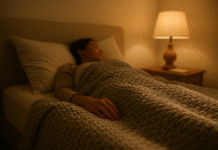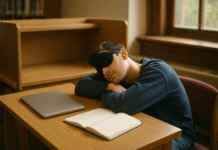

























Napping and stress reduction aren’t opposites of “hustle” — they’re how you restore the system that hustle depends on. Done well, a brief daytime nap can quiet a revved-up nervous system, moderate stress hormones, lift mood, and sharpen attention for the hours that matter. This guide is for people who feel their stress spikes in the afternoon, shift workers who must stay sharp at unconventional hours, students hitting a wall, and busy professionals trying to perform without burning out. You’ll learn exactly how naps reduce stress, how long to nap, when to nap, what to do about grogginess, and how to tailor napping to your work, climate, and culture — with guardrails from current research.
In short: “Napping and stress reduction” is the deliberate use of short, well-timed naps to lower physiological and psychological stress markers — like heart rate, cortisol, and perceived strain — while improving attention, mood, and resilience for the rest of the day.
Quick start: For most people, the lowest-risk, highest-return approach is a 10–25 minute early-afternoon nap in a dark, quiet space; set an alarm, allow a brief wake-up window, and return to light and movement. As of August 2025, this remains the mainstream, evidence-aligned approach.
Medical note: The information below is educational and not a substitute for personal medical advice. If daytime sleepiness is frequent or severe, or if you snore/gasp at night, discuss possible sleep disorders with a clinician.
1. Switch on your parasympathetic “brake” with a 10–25 minute nap
A well-timed short nap directly reduces stress by boosting vagal (parasympathetic) activity, the body’s built-in calming system. Heart rate variability (HRV) — a marker of parasympathetic tone — typically rises during a daytime nap, indicating a shift away from fight-or-flight toward rest-and-digest. That shift helps steady heart rate and breathing, and it’s one reason you often feel more settled after even a quick catnap. Importantly, you don’t need to reach deep sleep to earn this benefit; light sleep and brief stage-2 sleep are often enough. If your schedule allows only 15–20 minutes, that’s still sufficient to nudge HRV in a stress-reducing direction and set up a calmer afternoon.
1.1 Why it matters
- HRV up, stress down: Studies show increased cardiac vagal activity across a standard daytime nap, consistent with a calmer autonomic profile.
- Subjective stress follows physiology: In athletes, a 40-minute nap opportunity raised global HRV and lowered a post-nap “stress index.”
1.2 How to do it
- Aim for 10–25 minutes; stop before deep slow-wave sleep to minimize grogginess.
- Nap early afternoon (roughly 1–3 p.m., during the circadian dip) so you benefit now without sabotaging tonight.
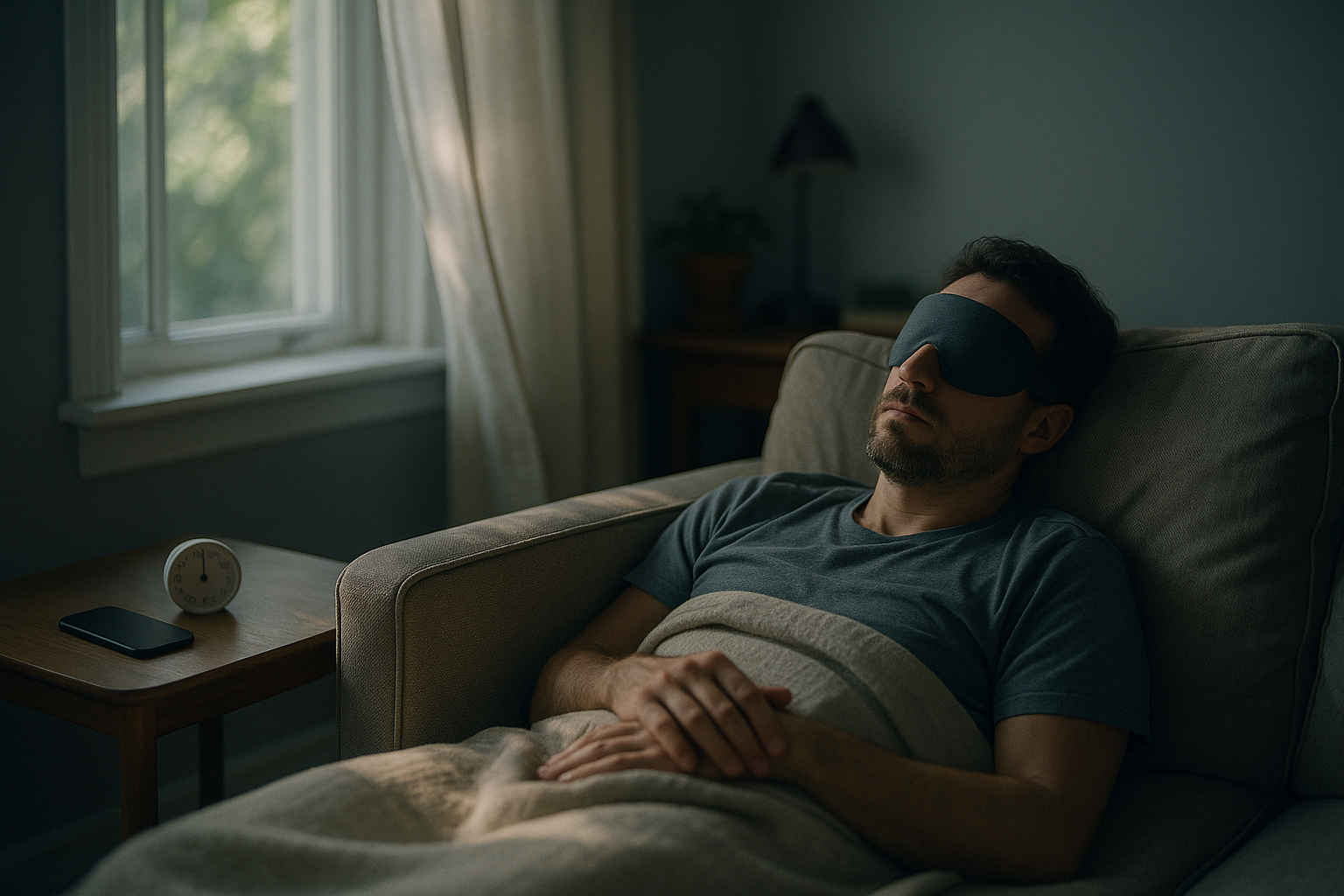
- Dark, cool, quiet: eye mask + earplugs can simulate ideal conditions anywhere.
- Prime the wake-up: a gentle alarm and a post-nap light exposure (window or outdoor light) help you re-stabilize.
Synthesis: Think of a short nap as front-line autonomic regulation — a fast, measurable way to shift your body from high alert to composed focus.
2. Blunt stress hormones after demand or sleep loss
After heavy cognitive or physical demand — or a short night — a strategic nap can moderate cortisol and inflammatory signals linked to stress load. Classic lab and field studies show that post-deprivation daytime naps reduce sleepiness, improve performance, and produce beneficial changes in cortisol and IL-6, suggesting a partial “reset” of the stress system. Even in healthy adults, cortisol dynamics can shift within about 90 minutes around habitual nap time, indicating that regular, well-timed naps may stabilize the stress response during the day.
2.1 Numbers & guardrails (as of Aug 2025)
- 2-hour midafternoon nap (lab setting) after one night of sleep loss: improved alertness and reversed cortisol effects vs. no nap.
- Within 90 minutes of habitual nap time, cortisol can show predictable changes in habitual nappers.
- If you’re consistently exhausted, rule out underlying sleep disorders (e.g., sleep apnea) before relying on naps as a fix.
2.2 Mini-checklist
- Use short naps (10–25 min) for day-to-day stress buffering.
- Consider a longer recovery nap (60–90+ min) after rare acute sleep loss, ideally before 3 p.m.
- Don’t normalize chronic sleep restriction: prioritize 7–9 hours at night when possible.
Synthesis: Naps don’t just make you feel better; under the right conditions they shift stress-related biology in a favorable direction.
3. Stabilize mood and emotional reactivity
Brief daytime sleep can improve positive mood, reduce sleepiness, and support the brain’s emotion circuits, which tend to run hot under stress. Controlled studies report better mood for up to four hours after 10–60-minute naps, with faster recovery from fatigue. REM-rich sleep, in particular, is linked to lower next-day amygdala reactivity to prior emotional experiences — one plausible mechanism for why you feel more even-keeled after restorative sleep and certain naps. Napping isn’t a therapy for anxiety or depression, but it can be a low-friction lever to dampen irritability and restore perspective during a demanding day.
3.1 Common mistakes
- Letting naps drift late (after ~4 p.m.) — higher risk of poor night sleep and next-day stress.
- Overshooting to 45–60 minutes on workdays — more sleep inertia, less usable calm.
- Treating naps as cure-alls: if mood remains low most days, seek professional support.
3.2 Quick protocol
- Schedule a 20-minute nap during your natural circadian dip.
- Pair with a 5-minute wind-down (breathing, progressive muscle relaxation).
- Light and movement on waking (window light, short walk) to lock in benefits.
Synthesis: By quieting arousal and smoothing amygdala “gain,” a timely nap offers a practical emotion regulator for stressful afternoons.
4. Protect attention and performance under pressure (the NASA case)
Under high workload, planned cockpit rests of ~40 minutes (average 26 minutes of sleep) increased alertness and performance and reduced in-flight microsleeps for pilots — a striking real-world demonstration that a short nap can stabilize critical performance under stress. Translating to daily life: when a task demands vigilance (surgery, driving, exams, negotiations), a pre-task or mid-task catnap is a proven countermeasure, not a luxury. In lab studies, napping often preserves or restores performance where caffeine alone can’t, especially for learning and motor skill consolidation. PMC
4.1 How to use this at work
- Pre-performance nap: 15–25 minutes, finish 30–60 minutes before critical work.
- Mid-shift nap (safety roles): if policies allow, plan a 20–30 minute break during the sleepiest window.
- Debrief + light: 5 minutes of bright light or daylight on waking helps vigilance.
4.2 Evidence snapshot (as of Aug 2025)
- Average 26 minutes of sleep within a 40-minute rest period: higher alertness, fewer microsleeps.
- Naps vs. caffeine: caffeine may lower sleepiness, but doesn’t always transfer to learning or skilled performance.
Synthesis: In high-stakes, high-stress settings, a short, planned nap is a validated safety and performance tool — not a sign of weakness.
5. Reduce grogginess with a “coffee nap” (and other sleep inertia fixes)
Sleep inertia — the groggy, slow-thinking haze after sleep — is a genuine concern if your nap runs long or ends in deep sleep. Fortunately, most sleep inertia dissipates within 15–60 minutes, and specific tactics shorten it further. A “coffee nap” — consuming ~150–200 mg caffeine immediately before a 15–20 minute nap — has been shown to improve vigilant attention and reduce subjective fatigue right after waking, especially in night-shift contexts. Build in a wake-up buffer and step into bright light to speed the reset. NASA Technical Reports Server
5.1 Tools/Examples
- Caffeine + 20-minute nap; stand up on alarm, drink water, and walk to light.
- Gentle alarm (not escalating panic tones); eye mask to fall asleep faster; cool room to reduce awakenings.
5.2 Numbers & guardrails
- Typical inertia window: ~15–60 minutes; can last longer if sleep-deprived.
- If you must be sharp immediately after waking, keep naps ≤20 minutes and use light + movement on wake.
Synthesis: Plan for wake-up, not just lie-down — a coffee nap plus light tames inertia and preserves the stress-reducing upside.
6. Design a nap that lowers stress (timing, environment, and duration)
Stress-reducing naps work because they’re short, predictable, and well-timed. The sweet spot for most adults is the early afternoon (usually 1–3 p.m.), aligned with the circadian energy dip. Keep the duration to 10–25 minutes on standard days; go longer only when you’re making up for unusual sleep loss. Optimize the environment: cool, dark, quiet; use earplugs/eye mask, silence notifications, and set a single alarm so your mind lets go. If daytime sleepiness is new or worsening, treat a nap as a signal, not a solution, and investigate.
6.1 Mini-checklist
- Before: bathroom break, eye mask, timer for 20 minutes, device on Do Not Disturb.
- During: recline if possible; if not, a nap chair or couch with head support works.
- After: 5–10 minutes to fully wake; light + water + movement.
6.2 Why it works
- Early-afternoon naps leverage the natural circadian dip and avoid disrupting nighttime sleep.
- Short duration limits sleep inertia and protects night sleep while delivering calm and focus.
Synthesis: Treat your nap like a micro-intervention: precise timing and environment turn minutes of sleep into hours of calmer, better work.
7. Build a ritual that lowers cognitive load (and stress) every day
Stress isn’t only biochemical; it’s also the mental friction of switching between tasks. A repeatable nap ritual makes the decision to rest automatic, shrinking choice overload and minimizing the guilt or second-guessing that keeps you revved. Use the same time window, same place, and the same two-minute wind-down (for example, box breathing or progressive muscle relaxation). Over a few weeks, you’ll fall asleep faster and wake more consistently — and that predictability itself reduces stress. If you can’t always sleep, quiet rest in the same setup often yields similar calming effects.
7.1 Ritual template
- Set a standing window (e.g., 1:30–2:00 p.m.).
- Two-minute wind-down: breathe 4-seconds in, 6-seconds out for 10 cycles.
- Same cues: eye mask + timer + recline.
- Same wake routine: open blinds, sip water, brief stretch.
7.2 Common pitfalls
- Irregular timing → harder to fall asleep; your body can’t predict rest.
- Overlong naps → more inertia and worse night sleep; stress rebounds.
- Skipping wake buffer → rushing back to complex tasks while foggy.
Synthesis: A consistent nap ritual becomes stress-preventive infrastructure, not a one-off rescue.
8. Adapt your strategy for shift work, driving, students, and fasting days
Different contexts change nap math. For night-shift workers, planned naps before and during shifts are recommended countermeasures by sleep-medicine authorities and NIOSH; longer 1.5–3-hour pre-shift naps can materially improve alertness later, though they’re best viewed as occasional tools rather than daily habits. For drivers, safety groups consistently advise a 20–30 minute nap (often combined with caffeine) at the first sign of drowsiness. Students can use 20-minute naps to restore mood and attention before demanding study blocks. During Ramadan or other fasting periods, sleep schedules shift; many people benefit from a planned early-afternoon nap and an earlier main sleep time to maintain cognitive steadiness without derailing nocturnal rest.
8.1 Region-specific notes (hot climates, South Asia & Middle East)
- Heat: In very hot seasons, a post-lunch siesta in a cooler interior reduces heat strain and stress; keep it short to protect night sleep.
- Ramadan: Expect delayed bed/wake times; consider a brief afternoon nap and protect pre-dawn sleep where possible. Athletes often nap more during Ramadan to offset reduced nocturnal sleep.
8.2 Safety checklist for drivers
- At the wheel? Pull over safely at the first drowsy signs; 20–30 minute nap + caffeine; don’t push through.
Synthesis: Context matters — but across use-cases, brief, planned naps are a validated, practical stress countermeasure when tailored to timing and safety.
9. Choose the right length: short daily naps vs. occasional long recovery
For day-to-day stress reduction, the most reliable choice is the short nap: 10–25 minutes early afternoon. It’s long enough to calm the body and lift mood, short enough to avoid deep sleep and protect overnight sleep. When you’ve had unusual sleep loss or face a major evening demand, a longer nap (60–90 minutes) can help by including full cycles and possibly REM-rich sleep; expect a brief inertia window on waking, which you can manage by planning a buffer. Some evidence suggests an average ~26 minutes of sleep during a controlled 40-minute rest period was associated with better alertness and fewer microsleeps in aviation — a useful benchmark for high-stakes workdays.
9.1 Numbers & trade-offs (as of Aug 2025)
- 10–25 min: strong stress-relief/alertness, minimal inertia, minimal impact on night sleep.
- ~26 min average within 40-min opportunity: improved alertness/performance in pilots.
- 30–60 min: more risk of inertia; mood and cognitive benefits may persist 2–4 hours afterward.
- 90 min: full cycle; best reserved for recovery days or shift-work scenarios.
9.2 Mini-checklist to pick your length
- Tight schedule, heavy afternoon? 20 minutes.
- Sleep debt from last night? 60–90 minutes, with a wake buffer.
- Must be sharp immediately after? ≤20 minutes, consider coffee nap.
Synthesis: Match nap length to stress context — default short, go long only when you truly need recovery time.
FAQs
1) What’s the fastest nap for stress relief if I have only 15 minutes?
A 15–20 minute nap in the early afternoon is your best bet. It’s long enough to engage light, parasympathetic-boosting sleep yet short enough to avoid deep sleep and heavy inertia. Use an eye mask, earplugs, and a timer; follow with light and a short walk. If you must be sharp immediately on waking, try a coffee nap (caffeine just before closing your eyes).
2) Does napping really lower stress hormones like cortisol?
Yes — especially after sleep loss or high demand. Lab work shows beneficial cortisol and IL-6 changes after daytime naps compared with no-nap conditions. Regular habit also appears to shape cortisol patterns around habitual nap times. Naps are not a treatment for endocrine disorders, but they can modulate the stress response in realistic scenarios.
3) How long does post-nap grogginess (sleep inertia) last, and can I avoid it?
Most people clear sleep inertia within 15–60 minutes; it can last longer if you’re very sleep-deprived. Keep daytime naps ≤25 minutes, plan a wake buffer, step into bright light, and consider a coffee nap when instant alertness is required. Sleep Foundation
4) Are naps better than coffee for performance when I’m stressed?
Not always, but often yes for complex learning and motor tasks. Caffeine reliably reduces sleepiness, yet studies have found that a nap can beat caffeine for certain memory and skill outcomes — and the two can be combined via a coffee nap for vigilance. PMC
5) Will napping ruin my night sleep?
A short early-afternoon nap (10–25 minutes) usually doesn’t impair nocturnal sleep and may reduce evening stress. Late, long naps — especially after 4 p.m. — are more likely to push bedtime later and fragment night sleep. If you find you need long daytime naps regularly, screen for sleep apnea or insomnia with a clinician.
6) What if I can’t actually fall asleep — can “quiet rest” still reduce stress?
Yes. A consistent rest ritual (same time/place, eyes closed, slow breathing) often delivers a noticeable calming effect, and over time your body learns the association so you fall asleep faster on days you need it. Keep the rest period time-boxed and follow the same wake routine.
7) Is there a “best” nap length for everyone?
No universal length fits all contexts. For ongoing stress relief, 10–25 minutes is the most forgiving. For recovery after short sleep or for shift work, a longer nap (60–90 minutes or a pre-shift 1.5–3 hours) can help, as long as you plan for wake-up time and protect night sleep next day.
8) How does a nap affect mood and emotional reactivity?
Daytime naps can lift mood for several hours and, via REM-related mechanisms, help de-potentiate amygdala reactivity to prior emotional experiences. Practically, you’re less irritable and more resilient in the second half of the day.
9) Are naps safe and effective for drivers who get drowsy?
Absolutely — when used properly. Pull over at a safe location and take a 20–30 minute nap; combining with caffeine helps once it kicks in. Do not try to push through drowsiness; stress and fatigue impair judgment long before you notice.
10) I fast during Ramadan. How should I adapt naps?
Fasting shifts bed and wake times for many people. Evidence suggests bed/rise times often delay, with some people compensating via daytime naps. Use a short early-afternoon nap and prioritize a consolidated block of night sleep when possible; athletes commonly increase nap duration during Ramadan to preserve performance.
Conclusion
You don’t have to white-knuckle your way through stress. When you treat naps like a tool, not an accident, you can reliably downshift your nervous system, stabilize hormones, and reclaim mood and attention for the hours that matter most. The key is precision: short duration on standard days, early-afternoon timing, and a simple wake-up routine to tame inertia. Add context-specific tweaks — pre-shift naps for night workers, safety-first catnaps for drivers, and schedule-savvy adjustments during fasting or hot seasons — and you have a stress strategy that fits real life. Start with a 20-minute nap window this week, build your ritual, and notice how much calmer and clearer your afternoons feel.
CTA: Try a 20-minute early-afternoon nap tomorrow, then block five minutes after to wake gently, get light, and walk — and see how your stress changes by evening.
References
- Napping: Benefits and Tips, Sleep Foundation, March 11, 2024. Sleep Foundation
- Cellini N., et al. Heart Rate Variability During Daytime Naps in Healthy Adults, Frontiers in Physiology/PMC, 2015. PMC
- Souabni M., et al. Napping and Heart Rate Variability in Elite Athletes, BMC Sports Science, Medicine and Rehabilitation/PMC, 2024. PMC
- Vgontzas A.N., et al. Daytime napping after a night of sleep loss decreases sleepiness, improves performance, and causes beneficial changes in cortisol and interleukin-6 secretion, Am J Physiol Endocrinol Metab, 2007. Physiology Journals
- Faraut B., et al. Napping Reverses the Salivary Interleukin-6 and Urinary Catecholamine Increases Induced by Sleep Restriction, J Clin Endocrinol Metab, 2015. Oxford Academic
- Leong R.L.F., et al. Influence of mid-afternoon nap duration and sleep microstructure on mood, sleepiness and memory encoding, Sleep, 2023. PMC
- van der Helm E., et al. REM sleep de-potentiates amygdala activity to previous emotional experiences, Current Biology/PMC, 2011. PMC
- Hilditch C.J., et al. Sleep inertia: current insights, Nature and Science of Sleep/PMC, 2019. PMC
- CDC/NIOSH. Sleep Inertia and Planned Naps/Shift Work Guidance, modules for nurses, accessed Aug 2025. ; https://www.cdc.gov/niosh/work-hour-training-for-nurses/longhours/mod5/11.html ; https://www.cdc.gov/niosh/work-hour-training-for-nurses/longhours/mod7/06.html ; https://www.cdc.gov/niosh/work-hour-training-for-nurses/longhours/mod7/08.html CDCRestored CDCFood Safety
- NASA/ NTRS. Controlled Rest Study & Planned Cockpit Rest, 1994–2019 slides & reports, accessed Aug 2025. ; https://ntrs.nasa.gov/citations/19950006379 NASA Technical Reports Server
- Centofanti S., et al. A pilot study investigating the impact of a caffeine-nap on sleep inertia in shift workers, Chronobiology International, 2020. PubMed
- Sleep Foundation. Coffee Nap: What Is It?, July 22, 2025. Sleep Foundation
- AAA Foundation / AAA Newsroom. Drowsy Driving Resources, 2023–2024. ; https://newsroom.aaa.com/2023/03/asleep-at-the-wheel-drivers-unaware-of-how-drowsy-they-really-are/ ; AAA NewsroomAAA Foundation for Traffic Safety
- BaHammam A.S., et al. The effects of Ramadan fasting on sleep patterns and daytime sleepiness, Sleep and Breathing/PMC, 2013; Trabelsi K., et al., 2022. ; PMCPubMed
- Lou S., et al. Benefits of napping habits in healthy adults, Sleep Medicine, 2024. ScienceDirect