

























By Sophie Taylor
A ten-minute walk after dinner sounds almost too simple to matter. Yet a growing body of clinical research keeps pointing to the same conclusion: when you move after eating, and how long you move, changes how your body handles the meal you just consumed. Post-meal walks are not a trend invented by fitness influencers. They are one of the few free, low-risk interventions with repeatable results in controlled trials on blood sugar regulation, and the size of the effect is large enough that clinicians who work with prediabetes and type 2 diabetes patients now discuss meal-adjacent activity as a distinct variable from total daily exercise.
This piece works through what the research actually shows about post-meal walks: the mechanism behind why timing matters, the walking window and duration that studies have tested, how to build the habit around meals you already eat, and who is likely to see the biggest benefit. Along the way, it separates what the trials actually measured from the broader claims often made about walking and metabolism, so the practical advice at the end stays grounded in what the underlying studies were designed to show. None of this is a substitute for medical care, and people managing diabetes or other metabolic conditions should treat the practical suggestions below as a starting conversation with their care team rather than a prescription.
Why Walking After a Meal Affects Your Body Differently Than Walking Before
When you eat a meal containing carbohydrate, glucose enters your bloodstream and blood sugar rises over the following one to two hours, a rise researchers call the postprandial glucose response. Muscle tissue is the single largest consumer of glucose in the body, and when muscles contract during light activity, they pull glucose out of the bloodstream through a pathway that works independently of insulin. That means a walk taken while glucose is actively entering circulation can blunt the peak of that rise in a way that a walk taken hours later, on an empty digestive system, cannot replicate to the same degree.
This is the physiological reason timing is treated as a variable in its own right in exercise research, not just an afterthought to “how much” or “how hard” someone exercises. A 2016 randomized crossover trial published in Diabetologia tested this directly in 41 adults with type 2 diabetes. Researchers compared two-week periods of walking 30 minutes once daily against walking 10 minutes after each of the day’s three main meals. The post-meal walking pattern produced a significantly lower glucose incremental area under the curve than the single daily walk, with a ratio of geometric means of 0.88 (95% CI 0.78–0.99). The effect was strongest after the evening meal, where the ratio dropped to 0.78 (95% CI 0.67–0.91), a reduction of roughly 22%, which the study authors linked to dinner typically containing the most carbohydrate and being followed by the longest stretch of sedentary time. The trial ran for two weeks per condition, with participants crossing over between the two walking patterns, which let researchers compare the same individuals under both routines rather than relying on separate groups.
A separate line of research looked at what happens with much shorter interruptions to sitting. A 2022 systematic review and meta-analysis in Sports Medicine, pooling seven acute randomized crossover trials, compared standing breaks and light-intensity walking breaks against continuous sitting after a meal or glucose load. Standing alone produced a small but statistically significant reduction in postprandial glucose (Cohen’s d = −0.31). Light-intensity walking breaks did substantially better, with a large effect on glucose (d = −0.72) and an even larger effect on postprandial insulin (d = −0.83), both significantly outperforming standing. In other words, movement mattered more than posture, and walking mattered more than either.
An earlier and frequently cited trial from Diabetes Care took a different angle: instead of one long daily walk, older adults at risk for impaired glucose tolerance took three separate 15-minute walks, one after each meal, and researchers compared that pattern to a single 45-minute walk taken at another point in the day. Even though total walking time was identical, splitting the same amount of walking into three post-meal bouts produced meaningfully better 24-hour glycemic control than the single continuous walk, with the advantage most visible after the evening meal. That finding reinforces the same pattern seen in the later Diabetologia trial: distribution and timing of activity around meals can matter as much as total volume. Neither study asked participants to change what they ate, which is part of why researchers treat the walking pattern itself, rather than diet, as the variable responsible for the improvement.
Glucose-Response Snapshot
In the 2016 Diabetologia trial, walking 10 minutes after each meal lowered the overall postprandial glucose response by about 12% compared with a single 30-minute daily walk. The after-dinner walk alone accounted for roughly a 22% reduction in the evening glucose spike, the single largest effect measured in the study.
This context matters for anyone whose primary reason for reading about post-meal walks is general health rather than a diagnosed condition. According to the CDC’s National Diabetes Statistics Report, an estimated 115.2 million adults in the United States have prediabetes, and roughly 8 in 10 of them are unaware of it. Because postprandial glucose spikes are a measurable early marker of metabolic strain long before a diabetes diagnosis, a habit that blunts those spikes has relevance well beyond people already under a doctor’s care.
How Soon After Eating Should You Walk, and for How Long?
Across the trials above, researchers did not test every possible timing combination, but a fairly consistent pattern emerges from the protocols that were used: walks beginning within roughly 15 to 30 minutes after the first bite, sustained for 10 to 15 minutes at a comfortable, unhurried pace, produced measurable improvements in blood glucose handling. Waiting much longer, an hour or more, means the glucose rise has already progressed further before muscle contraction starts helping clear it, which is part of why a walk taken later in the day, disconnected from a specific meal, does not show the same meal-specific benefit even when total activity is equal.
| Variable | Research-Backed Range | Practical Notes |
|---|---|---|
| Start time after first bite | Within 15–30 minutes | Sooner is generally better; avoid walking mid-meal |
| Duration | 10–15 minutes | Consistent length used across the cited trials |
| Intensity | Light to moderate | A pace where conversation stays easy; no need to raise heart rate sharply |
| Frequency | After each main meal, if possible | Dinner walks show the largest measured effect |
| Priority meal if time is limited | Dinner | Typically the largest carbohydrate load and longest sedentary stretch afterward |
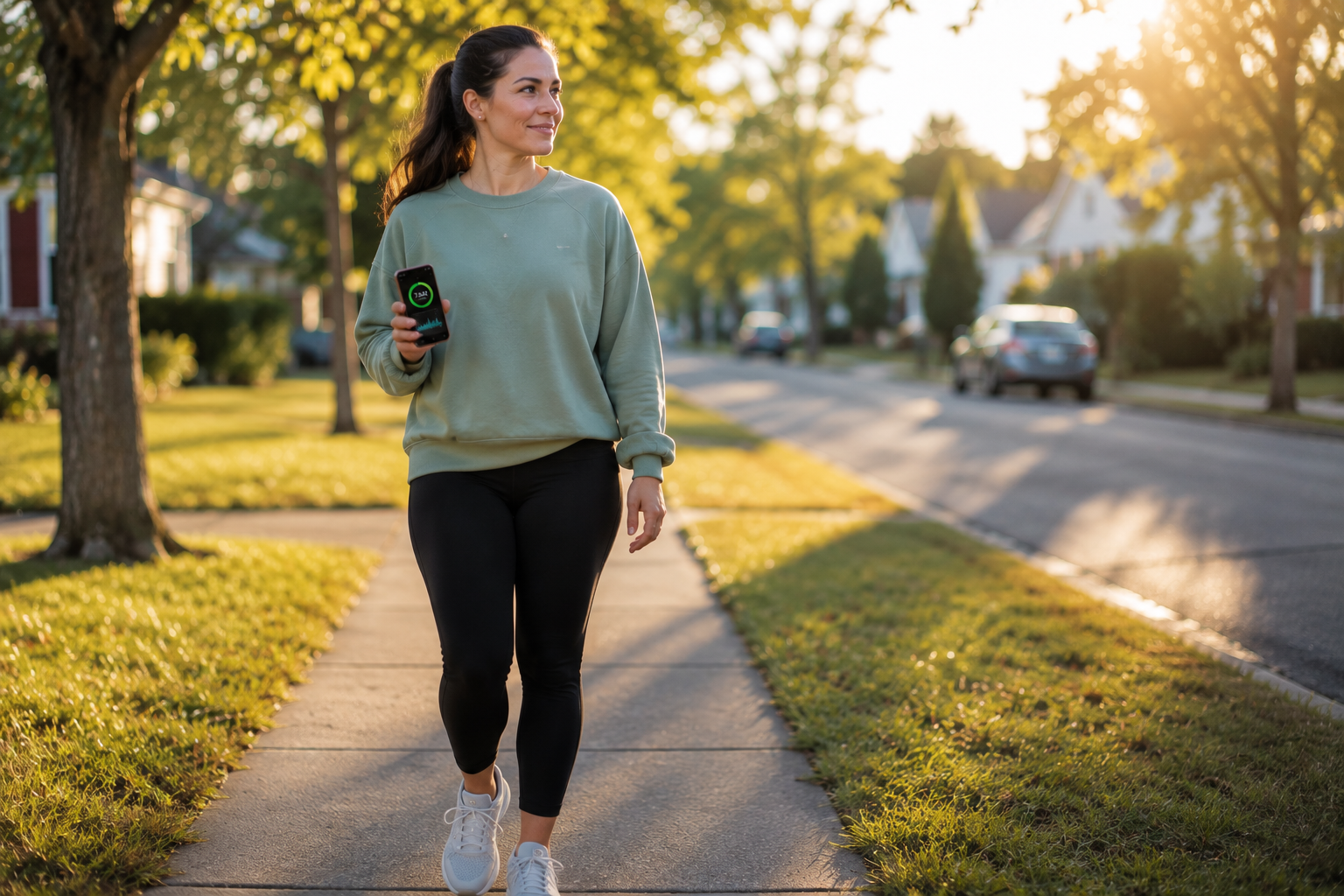
Intensity is worth separating from duration because they are easy to conflate. None of the studies above asked participants to power-walk or raise their heart rate into a training zone. The activity used was ordinary, low-effort walking, the kind that fits into a work break or a stroll around the block. That is part of what makes the intervention practical: it does not compete with, or substitute for, a structured exercise routine. It sits alongside one, on top of the meals that already happen every day regardless of whether a formal workout does.
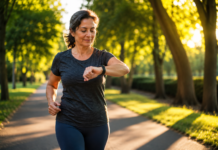
For anyone who prefers a concrete target rather than a time estimate, a light-to-moderate pace over 10 to 15 minutes typically covers somewhere in the range of 1,000 to 1,500 steps, depending on stride length and pace. That number is offered only as a rough reference point since none of the cited trials tracked step counts directly; they measured elapsed walking time, so time remains the more reliable target to aim for.
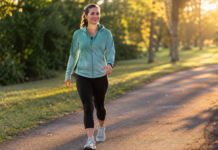
Location matters less than most people assume. A walk around a backyard, a loop of a parking lot, or laps of a hallway during a work break produces the same muscle-contraction effect as a walk through a park, since the mechanism is about muscle activity clearing glucose from the bloodstream rather than scenery, elevation, or fresh air. What matters more is that the walking is continuous rather than broken into thirty-second bursts, since the trials tested sustained bouts rather than intermittent fidgeting.
It is also worth noting what the research does not establish. These trials measured glucose and insulin responses over hours to a couple of weeks, not long-term outcomes like reduced diabetes incidence over years, and most were conducted in adults who were inactive, overweight, or already managing type 2 diabetes. The size of the benefit for a lean, highly active 25-year-old eating a low-carbohydrate meal is likely smaller, simply because that person’s postprandial glucose spike is smaller to begin with. None of this means the habit is wasted on already-active people; it means the measurable blood-sugar payoff scales with how much room there was for improvement in the first place.
People sometimes ask whether a walk taken before a meal offers the same benefit. Pre-meal activity has its own value for appetite regulation and overall calorie balance, but it does not act on the same mechanism as a post-meal walk, since there is no glucose entering the bloodstream yet for contracting muscles to help clear. The two are complementary rather than interchangeable, and the research reviewed here speaks specifically to the after-meal window.
Turning Post-Meal Walks Into an Actual Habit
The gap between knowing a habit is useful and doing it consistently is where most health advice quietly fails. Post-meal walks have one structural advantage here: they attach to an event that already happens multiple times a day at roughly predictable times, which makes them a strong candidate for habit stacking, the practice of linking a new behavior to an existing routine rather than trying to build it from a blank slot in the calendar. A new habit that depends on remembering to check a schedule tends to fail within a few weeks; a habit that depends on noticing “the plate is empty” tends to survive much longer, because the trigger repeats itself automatically.
- Anchor it to the last bite, not the clock. Rather than scheduling “walk at 7:15 PM,” treat finishing the meal as the trigger. Clear the table, then step outside. The cue is behavioral, not time-based, so it survives days when dinner runs early or late.
- Keep shoes and a jacket near the door. Removing the friction of finding walking shoes or outerwear is often the difference between a habit that survives its first busy week and one that doesn’t.
- Default to the same route. A known 10-to-15-minute loop removes the small decision fatigue of picking a path each time, which matters more than it sounds on tired evenings.
- Pair it with something else you already enjoy. A phone call to a friend, a podcast episode, or a dog that needs a walk anyway all make the post-meal walk feel like it is serving two purposes at once.
- Protect dinner first if you can only manage one meal. Given the evening-meal effect size seen in the research above, a single daily post-meal walk is best placed after the largest or latest meal of the day.
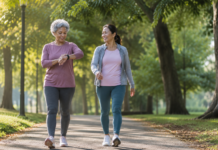
- Bring the family or a coworker along. Walks after a shared meal are easier to sustain when they double as social time rather than a solo chore squeezed in before the next task.
- Track it loosely, not obsessively. A simple checkmark on a calendar or a habit app is usually enough; the goal is consistency across weeks, not a perfect streak.
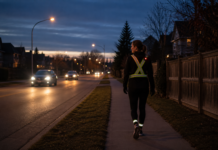
Weather, travel, and irregular schedules will interrupt any habit eventually. A useful mental adjustment is to treat a short indoor lap around the house, a flight of stairs a few times, or even standing and shifting weight while on a phone call as a reduced-but-real substitute on days a walk outside is not possible, rather than treating the day as a failure and abandoning the habit entirely.
Who Benefits Most From Walking After Meals
The research base above draws heavily on adults who were inactive, overweight, or living with type 2 diabetes, and the size of the measured benefit tracks with that population. People in the following situations are likely to notice the most from adding a post-meal walk:
- People with prediabetes or type 2 diabetes. This is the population where postprandial glucose spikes carry the most direct clinical relevance, and where the cited trials were conducted. Anyone in this group should treat post-meal walking as a complement to, and never a replacement for, medication, monitoring, and guidance from their physician or diabetes care team, since individual glucose responses and medication timing, particularly insulin or sulfonylureas, can interact with exercise in ways that need personalized advice.
- People with a sedentary job. If most of the day is spent seated, meals often mark the only natural break points, making them convenient anchors for the only physical activity that fits into a packed schedule.
- People managing weight or energy levels. Blunting a sharp glucose rise and the insulin response that follows it is associated with steadier energy and appetite in the hours afterward for many people, alongside the modest calorie expenditure of the walk itself.
- Older adults. Glucose tolerance tends to decline somewhat with age even without a diabetes diagnosis, which is part of why the Diabetes Care trial specifically recruited older participants at risk for impaired glucose tolerance.
- People recovering a movement habit after a sedentary stretch. A 10-minute walk is a low-barrier reintroduction to regular activity for someone returning from illness, injury, or a long period of inactivity, under guidance from their clinician or physical therapist as appropriate.
Shift workers and people with irregular meal schedules may also benefit, since post-meal walking does not depend on a fixed clock time the way many exercise routines do. Whatever hour a meal happens to fall at, the same 10-to-15-minute window afterward applies, which makes the habit more resilient to a schedule that changes week to week than a workout that has to be booked into a specific slot on the calendar.
People who are already highly active, lean, and metabolically healthy will likely see a smaller measurable effect simply because their postprandial glucose response is already modest. That does not make the habit pointless for them; digestion, mood, and daily step count all benefit from a short walk, but it does mean the blood-sugar-specific case for it is strongest for the groups listed above.
The Bottom Line
Post-meal walks are one of the rare pieces of health advice with a specific, testable mechanism and repeated trial support behind the specific claim being made: movement shortly after eating, sustained for around 10 to 15 minutes, measurably reduces the blood sugar spike that follows a meal, with the largest effect showing up after dinner. The habit costs nothing, requires no equipment, and stacks naturally onto a routine that already exists three times a day. For most people, the practical version of this research is simple: finish eating, put on shoes, and walk for ten minutes before sitting back down. For anyone managing diabetes or another metabolic condition, the same walk is worth taking, alongside a conversation with a care team about how it fits into an existing treatment plan.
Frequently Asked Questions
How long after eating should I start walking?
Research protocols generally started the walk within 15 to 30 minutes of finishing the meal. Starting sooner, rather than waiting an hour or more, keeps the walk aligned with the period when blood glucose is actively rising, which is when muscle activity has the most influence on the response.
How long does the walk need to be to make a difference?
Trials that measured a meaningful effect on postprandial glucose used walks of roughly 10 to 15 minutes at a light-to-moderate pace. Shorter movement breaks of just a couple of minutes have also shown measurable benefits for glucose and insulin when repeated, but a single 10-to-15-minute walk is the most consistently studied duration for a single post-meal session.
Does the walk need to be brisk to help blood sugar?
No. The walking used in the cited research was light to moderate, roughly the pace of a casual stroll where conversation stays comfortable. The benefit comes from muscle contraction pulling glucose from the bloodstream, not from exercise intensity.
Which meal benefits most from a post-meal walk?
Dinner showed the largest effect in the research discussed above, likely because evening meals tend to carry the highest carbohydrate content and are followed by the longest sedentary stretch of the day. If only one walk fits into a day, placing it after the largest or latest meal is the best-supported choice.
Can post-meal walks replace diabetes medication or monitoring?
No. Post-meal walks are a supportive habit, not a substitute for prescribed medication, blood glucose monitoring, or medical guidance. Anyone with diabetes or prediabetes should discuss how post-meal activity fits alongside their existing treatment plan with their physician or diabetes care team, particularly if they take insulin or other glucose-lowering medications.
What if I can’t walk outside after every meal?
A short indoor option, such as a lap around the house, a flight of stairs, or light movement while on a call, is a reasonable substitute on days when an outdoor walk isn’t practical. Consistency across most days matters more than perfect execution on every single one, and travel, bad weather, or a hectic evening should not be treated as reasons to drop the habit entirely rather than scale it down for a day.
References
- Reynolds AN, Mann JI, Williams S, Venn BJ. Advice to walk after meals is more effective for lowering postprandial glycaemia in type 2 diabetes mellitus than advice that does not specify timing: a randomised crossover study. Diabetologia. 2016;59(12):2572–2578.
- Buffey AJ, Herring MP, Langley CK, Donnelly AE, Carson BP. The Acute Effects of Interrupting Prolonged Sitting Time in Adults with Standing or Light-Intensity Walking on Biomarkers of Cardiometabolic Health: A Systematic Review and Meta-analysis. Sports Medicine. 2022;52(8):1765–1787.
- DiPietro L, Gribok A, Stevens MS, Hamm LF, Rumpler W. Three 15-min Bouts of Moderate Postprandial Walking Significantly Improves 24-h Glycemic Control in Older People at Risk for Impaired Glucose Tolerance. Diabetes Care. 2013;36(10):3262–3268.
- Centers for Disease Control and Prevention. National Diabetes Statistics Report, 2024.