










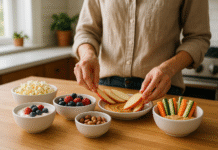
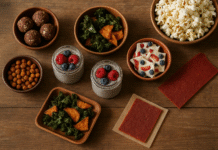














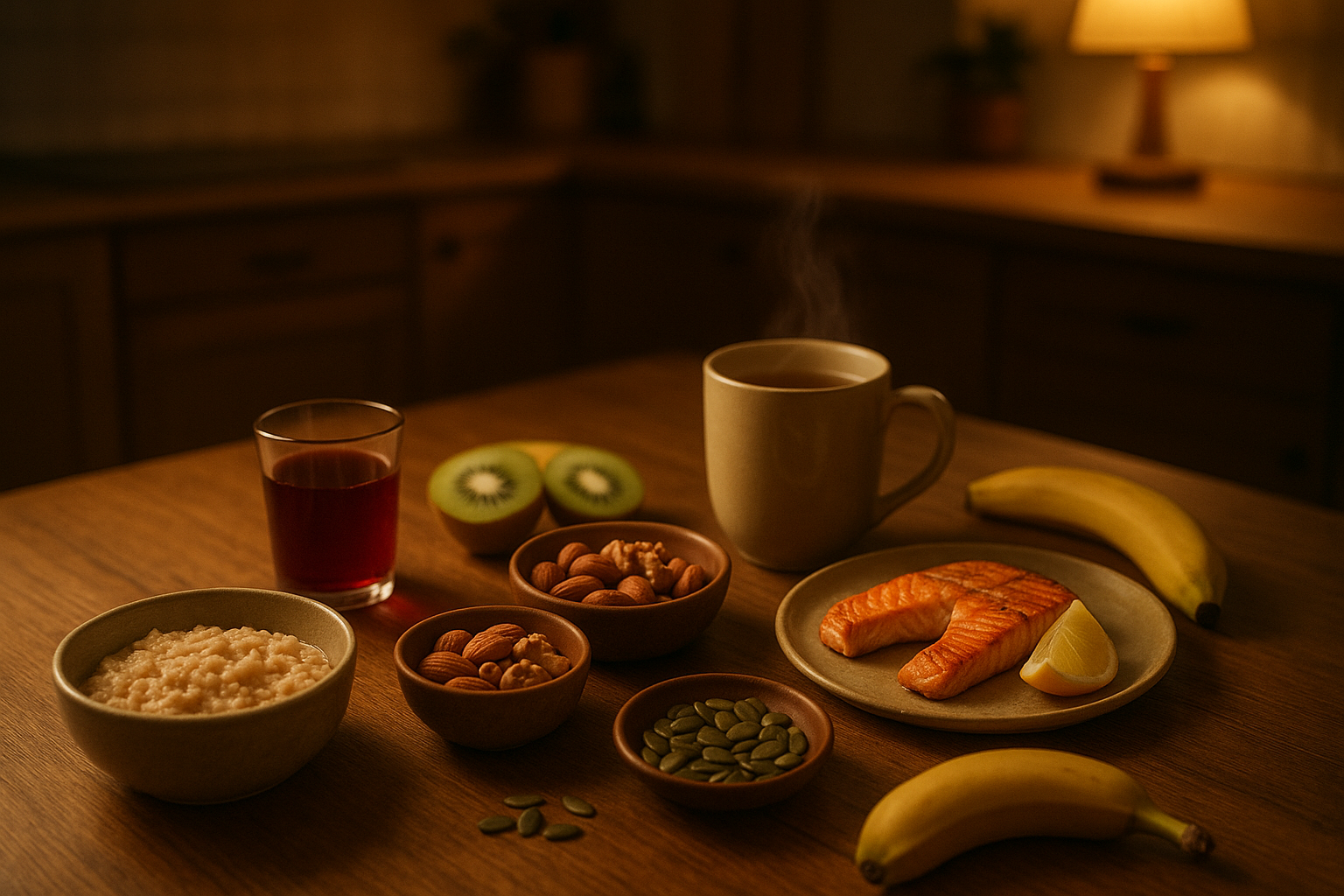
Good sleep hygiene isn’t only about light, temperature, and screens—it’s also about what’s on your plate. The right foods, timed well, can help you fall asleep faster and stay asleep longer by supplying melatonin, tryptophan, magnesium, and supportive carbs that steady nighttime blood sugar. In short: sleep-promoting foods are whole foods that naturally nudge your body toward rest. This guide shows you 11 evidence-informed choices, how much to eat, and when to eat them—plus smart guardrails if you have diabetes, lactose intolerance, or allergies. Quick medical note: this is general information, not personal medical advice; if you have a sleep disorder or health condition, discuss changes with your clinician.
Fast answer (for tonight): pick one item below, have it in a small portion 1–2 hours before bed (or at dinner), avoid caffeine after mid-afternoon, and keep total evening fluids modest.
1. Tart Cherries (and Unsweetened Tart Cherry Juice)
Tart cherries—especially Montmorency—are one of the few foods naturally rich in melatonin, the hormone that helps regulate your sleep–wake cycle. Small human trials report modest improvements in total sleep time and sleep efficiency after daily tart cherry juice, likely from melatonin plus polyphenols that reduce oxidative stress. If you’re curious to try one thing with the most direct sleep data, cherries are near the top of the list. The main catch is sugar: juice is concentrated and can add 25–30 g sugar per 240 ml (8 oz). Consider whole cherries in season or choose a low-sugar, unsweetened concentrate diluted with water.
1.1 Why it matters
- Tart cherries contain melatonin and anthocyanins that may support circadian regulation and reduce inflammation.
- Small randomized trials have shown increased melatonin levels and modest gains in sleep duration and efficiency.
- Effects tend to be modest—not a replacement for CBT-I if you have chronic insomnia.
1.2 How to use it
- Portion & timing: 240 ml (8 oz) unsweetened tart cherry juice at dinner and/or 1–2 hours before bed; or 1–1½ cups whole tart cherries when available.
- Pairings: Combine with a protein or fat (e.g., a few almonds) to blunt a glucose spike.
- Diabetes tip: Favor whole cherries or dilute concentrate; monitor post-meal glucose.
Checklist
- Choose “unsweetened” or “no added sugar.”
- Start with one serving daily for 1–2 weeks and track sleep.
- Stop if reflux worsens or sleep doesn’t improve.
Bottom line: Tart cherries are a reasonable first experiment: low risk, modest upside, best when sugar is controlled.
2. Kiwi
Eating two kiwifruit about an hour before bed has been associated with falling asleep faster and sleeping longer in a small, free-living study of adults with sleep complaints. Why kiwi? It’s naturally high in antioxidants (vitamin C/E), folate, and serotonin; these may lower nighttime awakenings or support melatonin synthesis. While the study was small and uncontrolled, it’s practical, inexpensive, and safe for most people. If you prefer whole fruit over juice, kiwi is a great pre-bed snack that won’t feel heavy.
2.1 Why it matters
- Kiwi’s serotonin and antioxidant profile may support sleep onset and continuity.
- Preliminary human data suggest improved sleep efficiency with nightly kiwi.
- As of August 2025, evidence is suggestive but not definitive; it’s a food-first, low-risk tactic.
2.2 How to use it
- Portion & timing: 2 medium kiwifruit, 60 minutes before bed.
- Pairings: Add a spoon of plain yogurt or a few walnuts for satiety.
- Acid reflux tip: Remove the skin and avoid lying down immediately after eating.
Mini-checklist
- Keep it to 1–2 kiwis to avoid excess nighttime fluids or sugar.
- Track sleep latency and wake-after-sleep-onset for two weeks.
- If you have oral allergy syndrome (to birch/ragweed), test cautiously.
Bottom line: Easy, affordable, and gentle—kiwi is a smart whole-food test drive for better sleep.
3. Almonds
Almonds bring two advantages: magnesium (about 80 mg per 28 g/1 oz) and a small amount of melatonin—both linked to sleep regulation. Magnesium helps relax muscles and supports GABA activity; observationally, people with low magnesium intake report worse sleep, and small trials in older adults suggest supplementation can reduce insomnia symptoms. Food sources are a safe way to raise intake without supplement side effects.
3.1 Why it matters
- Magnesium supports sleep onset and sleep efficiency in some populations.
- Nuts contain melatonin and beneficial fats that stabilize overnight blood sugar.
- A small, fiber-rich snack prevents late-night hunger that can disrupt sleep.
3.2 How to use it
- Portion & timing: 20–30 g (a small handful) 1–2 hours pre-bed, or sprinkle on dinner salads.
- Pairings: Almonds + a small banana, or almonds + Greek yogurt for a balanced snack.
- Allergy note: If you have tree-nut allergy, skip and use pumpkin seeds (see item 10).
Tips
- Choose dry-roasted or raw; avoid honey-glazed varieties before bed.
- If you track macros, aim for ~100–150 kcal in a pre-bed snack to avoid fullness.
- For GERD, keep portions modest and finish snacks ≥1 hour before lying down.
Bottom line: A handful of almonds is a compact, magnesium-rich option that travels well and supports calmer nights.
4. Walnuts
Walnuts contain measurable melatonin and omega-3 fats (ALA). Early work showed that eating walnuts could raise circulating melatonin and antioxidant capacity. While sleep outcomes in large trials are limited, walnuts fit a sleep-supportive pattern: healthy fats, modest protein, and compounds that may aid circadian biology. They also pair nicely with kiwi or tart cherries as part of a small, pre-bed snack.
4.1 Why it matters
- Among plant foods, nuts (including walnuts) have some of the highest melatonin contents.
- Walnuts provide ALA, supporting cardiometabolic health that indirectly benefits sleep.
- Processing can reduce melatonin—raw or minimally processed is preferable.
4.2 How to use it
- Portion & timing: 28 g (12–14 halves) early evening or ~1 hour before bed.
- Pairings: Walnuts + sliced kiwi; or walnuts + chamomile tea (item 9).
- Storage: Keep refrigerated to preserve oils and phytochemicals.
Pitfalls
- Candied or salty mixes can provoke thirst or reflux.
- Large servings may feel heavy before bedtime.
- If you’re on a low-FODMAP plan, reintroduce cautiously.
Bottom line: Walnuts are a melatonin-containing, heart-healthy add-on—sensible in small evening portions.
5. Fatty Fish (Salmon, Sardines, Mackerel)
Dinner featuring oily fish three times per week has been associated with better sleep quality and daytime functioning in a wintertime trial, possibly via vitamin D and omega-3s that modulate serotonin pathways and inflammation. Practically, a fish-forward dinner is satisfying without being overly heavy or spicy—both important for minimizing reflux and night sweats that interrupt sleep.
5.1 Why it matters
- Fatty fish provide vitamin D and EPA/DHA, nutrients involved in serotonin and sleep regulation.
- Balanced evening protein helps prevent late-night hunger without the alerting jolt of ultra-processed snacks.
- In darker months, vitamin D status may be lower; fish can help fill the gap.
5.2 How to use it
- Portion & timing: 85–150 g (3–5 oz) fish at dinner, 3–4 hours before bed.
- Cooking: Bake, poach, or grill; keep spices gentle at night.
- Region note (South Asia): If salmon is pricey, try Indian mackerel (bangda) or sardines—both rich in omega-3s.
Guardrails
- Choose low-mercury species (sardines, salmon, trout).
- If you have gout, balance purine intake; hydrate well with dinner, not late night.
- For kids/pregnancy, follow local fish advisories.
Bottom line: A fish-centric dinner is a high-satisfaction, sleep-supportive anchor—especially helpful in winter.
6. Milk and Yogurt (Fermented Dairy Included)
Warm milk before bed is more than folklore. Dairy contains tryptophan and minerals (magnesium, zinc, calcium) that support conversion to serotonin and melatonin. Fermented dairy (yogurt, kefir) may add a gut-brain nudge via microbiome effects linked to sleep quality. Evidence is mixed overall, but many adults find a small, warm dairy drink or a few spoonfuls of yogurt calming—especially when paired with a complex carb.
6.1 Why it matters
- Dairy supplies tryptophan plus cofactors (magnesium, zinc) used in melatonin synthesis.
- Some human studies report fewer nighttime awakenings with fermented milk; reviews suggest a possible benefit within a balanced diet.
- The ritual—warmth, familiarity—also supports relaxation.
6.2 How to use it
- Portion & timing: 150–200 ml warm milk or ½ cup (120 g) plain yogurt 1 hour before bed.
- Pairings: Milk + 1–2 tsp oats; yogurt + kiwi or a few almonds.
- Region note: In Pakistan, plain dahi (yogurt) with a drizzle of honey and pinch of cardamom is a soothing pre-bed option; skip if reflux-prone.
Cautions
- Lactose intolerance? Use lactose-free milk or fortified soy beverage.
- Reflux sufferers: Keep portions small; avoid lying flat right away.
- Avoid high-sugar flavored dairy at night.
Bottom line: Simple, gentle, and familiar—small portions of milk or yogurt can round out a sleep-friendly evening routine.
7. Oatmeal (Hot or Overnight Oats)
Oats offer a trifecta for sleep support: complex carbohydrates that help tryptophan reach the brain, meaningful magnesium, and small amounts of melatonin found in cereals. A warm bowl in the evening can anchor a light dinner; a few spoonfuls as a pre-bed snack can curb late cravings without spiking glucose when properly portioned. Texture, temperature, and routine all signal wind-down.
7.1 Why it matters
- Complex carbs assist tryptophan transport; magnesium contributes to muscle relaxation.
- Oats are easy to digest when prepared simply and can stabilize nighttime blood sugar.
- The warmth of porridge supports a calming pre-sleep ritual.
7.2 How to use it
- Portion & timing: 40–60 g dry oats (½–¾ cup cooked) at dinner or 1–2 hours pre-bed.
- Pairings: Stir in a spoon of yogurt and a few cherries or walnuts.
- Diabetes tip: Keep carbs modest; pair with protein/fat; check glucose response.
Mini-checklist
- Use water or milk alternative if dairy sensitive.
- Avoid heavy toppings (syrups, large fruit portions) late at night.
- Season with cinnamon or cardamom instead of sugar.
Bottom line: Oats are a versatile canvas—comforting, balanced, and easy to tailor to your sleep goals.
8. Rice (Focus on Type and Timing)
Carbohydrate timing can influence how quickly you fall asleep. In a controlled study, a high-glycemic meal 4 hours before bed shortened sleep onset latency in healthy sleepers; observational research in Japan links higher rice (vs. bread/noodles) intake with better sleep quality—likely due to glycemic profile and meal structure. This doesn’t mean “more white rice at midnight.” It means smart timing and portions at dinner and choosing rice types that fit your health context.
8.1 Why it matters
- Moderate, earlier-evening carbs may help tryptophan cross the blood–brain barrier.
- Rice-based dinners can be filling without heavy fat that disrupts sleep.
- The type of rice matters: jasmine tends to be higher-GI; basmati is typically lower-GI.
8.2 How to use it
- Portion & timing: 1–1½ cups (150–200 g) cooked rice with dinner 3–4 hours before bed.
- Pairings: Add lentils/beans and vegetables; finish with a small dairy/fruit snack later if needed.
- Diabetes/PCOS tip: Favor lower-GI basmati or brown rice; limit portions; prioritize protein and fiber.
Common mistakes
- Eating a heavy rice meal within 1 hour of bedtime.
- Large portions without protein/fiber lead to glucose swings.
- Assuming “more carbs = better sleep”—balance matters.
Bottom line: Use rice strategically at dinner—mind type, portion, and timing—to support smoother sleep onset.
9. Chamomile Tea
Chamomile tea is a classic pre-bed ritual with plausible mechanisms: apigenin, a flavonoid in chamomile, may bind to receptors that reduce anxiety and promote sedation. Randomized studies (including in postpartum women) suggest better sleep quality and lower anxiety scores with daily chamomile tea. As a caffeine-free, low-calorie beverage, it earns a place in a sleep routine—especially for those who like a warm cup to mark “day is done.”
9.1 Why it matters
- Chamomile contains apigenin with calming and sedative properties.
- Trials show improvements in subjective sleep quality in specific groups.
- The ritual of a warm, caffeine-free drink helps cue bedtime.
9.2 How to use it
- Portion & timing: 1 cup (200–250 ml) 30–60 minutes before bed; steep 5–7 minutes.
- Pairings: A few almonds or a small oat biscuit if you want a bite.
- Allergy/medication note: If you’re allergic to ragweed or take anticoagulants, consult your clinician.
Checklist
- Choose pure chamomile; avoid blends with added caffeine.
- Keep total fluids modest if you wake to urinate.
- Add a slice of lemon if you want aroma without sugar.
Bottom line: Low risk, soothing, and supported by small trials—chamomile is a worthy wind-down habit.
10. Pumpkin Seeds
Pumpkin seeds (pepitas) pack one of the highest food sources of magnesium—about 150+ mg per 28 g/1 oz—and also supply tryptophan, iron, and healthy fats. If you prefer a nut-free option, these are the easiest way to add sleep-supportive minerals in a tiny volume. Sprinkle them over soups or yogurt at dinner, or keep a small portion as your pre-bed chew.
10.1 Why it matters
- Magnesium intake is associated with better sleep measures in some trials, especially in older adults.
- A small portion delivers ~35–40% of daily magnesium needs.
- The fat–fiber combo slows digestion, easing overnight steadiness.
10.2 How to use it
- Portion & timing: 20–30 g (~2–3 tbsp) early evening or 1–2 hours before bed.
- Pairings: Mix with a few raisins (if glucose allows) or stir into overnight oats.
- Digestive tip: Chew well; roasted, lightly salted pepitas tend to be gentler.
Pitfalls
- Overserving (they’re calorie-dense).
- Spicy roasted flavors can aggravate reflux at night.
- If you’re on iron or certain meds, separate by a few hours to avoid interference.
Bottom line: Tiny but mighty—pepitas are a mineral-dense, allergy-friendly alternative to nuts for sleep support.
11. Bananas
Bananas are portable, gentle on the stomach, and bring carbohydrates, potassium, and modest magnesium—together with their convenience, they’re a sensible pre-bed fruit for many people. The carbs may aid tryptophan transport; the minerals support muscular relaxation. While bananas aren’t a magic sleep bullet, they’re a practical part of a wind-down snack when portioned smartly and paired to avoid glucose spikes.
11.1 Why it matters
- Bananas combine sleep-supportive minerals with easy-to-digest carbs.
- They pair well with nuts/dairy to form a balanced, sleepy snack.
- Whole fruit adds fiber, which is associated with deeper, more restorative sleep.
11.2 How to use it
- Portion & timing: ½–1 small banana 1 hour before bed.
- Pairings: Banana + 1 tbsp peanut/almond butter; or banana coins over a few spoonfuls of yogurt.
- Diabetes tip: Opt for a small, less-ripe banana; combine with protein/fat and check your response.
Mini-checklist
- Avoid large smoothies late at night—they can be too much liquid.
- If you get reflux, slice and chew thoroughly; avoid lying flat right away.
- Don’t stack with multiple fruits—keep it simple.
Bottom line: Not fancy, just effective—bananas are a practical, gentle component of a pre-sleep mini-meal.
FAQs
1) What exactly are “sleep-promoting foods”?
They’re everyday foods that supply compounds linked to better sleep timing or continuity—most notably melatonin (e.g., tart cherries, nuts), tryptophan (dairy, soy, poultry), magnesium (nuts, seeds, leafy greens), and supportive carbohydrates (oats, rice) that help tryptophan reach the brain. They’re not sedatives; think of them as small, dietary nudges layered onto good sleep hygiene.
2) When should I eat these foods for the best effect?
For dinner items (fish, rice, oats), aim for 3–4 hours before bed. For small snacks (kiwi, almonds, chamomile, milk), 30–90 minutes before bed works for most people. The goal is to support digestion and circadian cues without going to bed either ravenous or overfull.
3) Can food really replace melatonin or sleep medications?
No. Foods offer gentle support with low risk, but they’re not a substitute for evidence-based treatments like CBT-I for insomnia. In trials, food effects are modest. If sleep issues persist beyond 2–4 weeks, speak with a clinician and screen for conditions like sleep apnea, reflux, or depression.
4) How do carbs help with sleep—don’t they spike blood sugar?
Carbs can help tryptophan cross the blood–brain barrier, which may speed sleep onset. The trick is type and timing: eat balanced carbs at dinner (with protein and fiber) 3–4 hours pre-bed, not big sugary snacks at midnight. People with diabetes should choose lower-GI options, control portions, and monitor glucose.
5) I have lactose intolerance—what are my dairy-free options?
Focus on almonds, walnuts, pumpkin seeds, oats, and fatty fish. Fortified soy beverages provide tryptophan and magnesium similar to dairy; pair with oats or a banana for a comparable pre-bed routine. Lactose-free milk or yogurt are also options if you tolerate them.
6) Do these foods help with waking up at night to urinate?
They won’t directly change bladder habits, but keeping total evening fluids modest, finishing drinks 1–2 hours before bed, and limiting salty or spicy foods can reduce awakenings. Chamomile tea is fine—just keep it to one cup and sip earlier in your wind-down.
7) Is warm milk actually better than cold milk?
Temperature doesn’t change nutrients, but many people find a warm drink more relaxing, which can improve subjective sleep quality. If you enjoy the ritual and it doesn’t aggravate reflux, it’s reasonable to include.
8) Are there risks or drug interactions with chamomile or cherry juice?
Chamomile may cross-react if you’re allergic to ragweed and can interact with some blood thinners—check with your clinician. Tart cherry products add sugar; people with diabetes or reflux should choose unsweetened forms, dilute concentrates, and monitor tolerance.
9) What’s a balanced “sleep plate” at dinner?
A palm of protein (fish, tofu, chicken), a cupped-hand portion of carbs (basmati rice, oats, or potatoes), and two fists of vegetables, cooked with modest fat. Finish 3–4 hours pre-bed, and add a small snack later only if hungry (e.g., kiwi + a few almonds).
10) I’m in South Asia—what are accessible choices?
Try dahi (plain yogurt), basmati rice with lentils, Indian mackerel or sardines, almonds, pumpkin seeds (magaz), bananas, and chamomile tea. These align well with traditional meals and are widely available; keep dinner earlier and lighter where possible.
11) How long before I notice a difference?
If a food helps you, you may notice changes in a few nights to two weeks. Track sleep with a simple log: time to fall asleep, awakenings, total sleep time, and next-day alertness. If there’s no benefit after two weeks, try a different item or refocus on non-diet sleep habits.
12) Can kids use these foods too?
Generally yes—think whole-food patterns: fish at dinner, rice with beans, a small banana, or warm milk if tolerated. Avoid added-sugar drinks at night, and keep portions age-appropriate. Always discuss persistent sleep problems with a pediatric clinician.
Conclusion
Diet isn’t a cure-all, but it’s a reliable lever you can pull every day to support better sleep hygiene. The common threads in sleep-promoting foods are unsurprising: whole foods with melatonin, tryptophan, magnesium, healthy fats, and balanced carbs—timed so digestion and blood sugar stay smooth overnight. In practice, that looks like a fish-and-rice dinner finished 3–4 hours before bed, then—if needed—a small pre-sleep snack such as two kiwis, a handful of almonds, a few spoonfuls of oats, or a cup of chamomile tea. Keep evening caffeine and alcohol low, fluids modest, and seasoning gentle. As of August 2025, human studies are small and effects are modest, so treat these foods as supportive habits layered onto regular sleep/wake times, light exposure, and stress management. Start with one item that fits your taste and health context, track your results, and iterate.
Ready to try? Pick one food above, set a 60-minute wind-down, and prep your sleep snack tonight.
References
- Lin HH, Tsai P-S, Fang S-C, Liu J-F. Effect of kiwifruit consumption on sleep quality in adults with sleep problems. Asia Pacific Journal of Clinical Nutrition, 2011. https://pubmed.ncbi.nlm.nih.gov/21669584/ and PDF: https://apjcn.nhri.org.tw/server/apjcn/20/2/169.pdf
- Pigeon WR, Carr M, Gorman C, Perlis ML. Effects of a Tart Cherry Juice Beverage on the Sleep of Older Adults with Insomnia: A Pilot Study. Journal of Medicinal Food, 2010. https://pubmed.ncbi.nlm.nih.gov/20438325/ and PMC: https://pmc.ncbi.nlm.nih.gov/articles/PMC3133468/
- Howatson G, et al. Effect of tart cherry juice (Prunus cerasus) on melatonin levels and enhanced sleep quality. European Journal of Nutrition, 2012. https://pubmed.ncbi.nlm.nih.gov/22038497/
- Afaghi A, O’Connor H, Chow CM. High-glycemic-index carbohydrate meals shorten sleep onset. American Journal of Clinical Nutrition, 2007. https://pubmed.ncbi.nlm.nih.gov/17284739/ and full text: https://ajcn.nutrition.org/article/S0002-9165%2823%2927929-0/fulltext
- Yoneyama S, et al. Associations between Rice, Noodle, and Bread Intake and Sleep Quality in Japanese Men and Women. PLOS ONE, 2014. https://journals.plos.org/plosone/article
- Abbasi B, et al. The effect of magnesium supplementation on primary insomnia in elderly: A double-blind placebo-controlled clinical trial. Journal of Research in Medical Sciences, 2012. https://pmc.ncbi.nlm.nih.gov/articles/PMC3703169/
- Hansen AL, et al. Fish consumption, sleep, daily functioning, and heart rate variability. Journal of Clinical Sleep Medicine, 2014. https://jcsm.aasm.org/doi/abs/10.5664/jcsm.3714 and PMC: https://pmc.ncbi.nlm.nih.gov/articles/PMC4013386/
- Meng X, et al. Dietary Sources and Bioactivities of Melatonin. Nutrients, 2017. https://pmc.ncbi.nlm.nih.gov/articles/PMC5409706/
- Chang S-M, Chen C-H. Effects of an intervention with drinking chamomile tea on sleep quality and depression in sleep-disturbed postnatal women: A randomized controlled trial. Journal of Advanced Nursing, 2016. https://pubmed.ncbi.nlm.nih.gov/26483209/
- NIH Office of Dietary Supplements. Magnesium — Health Professional Fact Sheet, updated June 2, 2022. https://ods.od.nih.gov/factsheets/Magnesium-HealthProfessional/
- Reiter RJ, Manchester LC, Tan DX. Melatonin in walnuts: influence on levels of melatonin and total antioxidant capacity of blood. Nutrition, 2005. https://pubmed.ncbi.nlm.nih.gov/15979282/
- Sleep Foundation. Foods That Help You Sleep, updated August 5, 2025. https://www.sleepfoundation.org/nutrition/food-and-drink-promote-good-nights-sleep