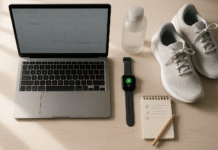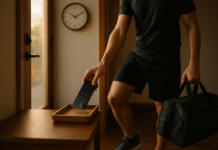
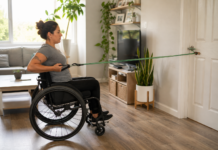






















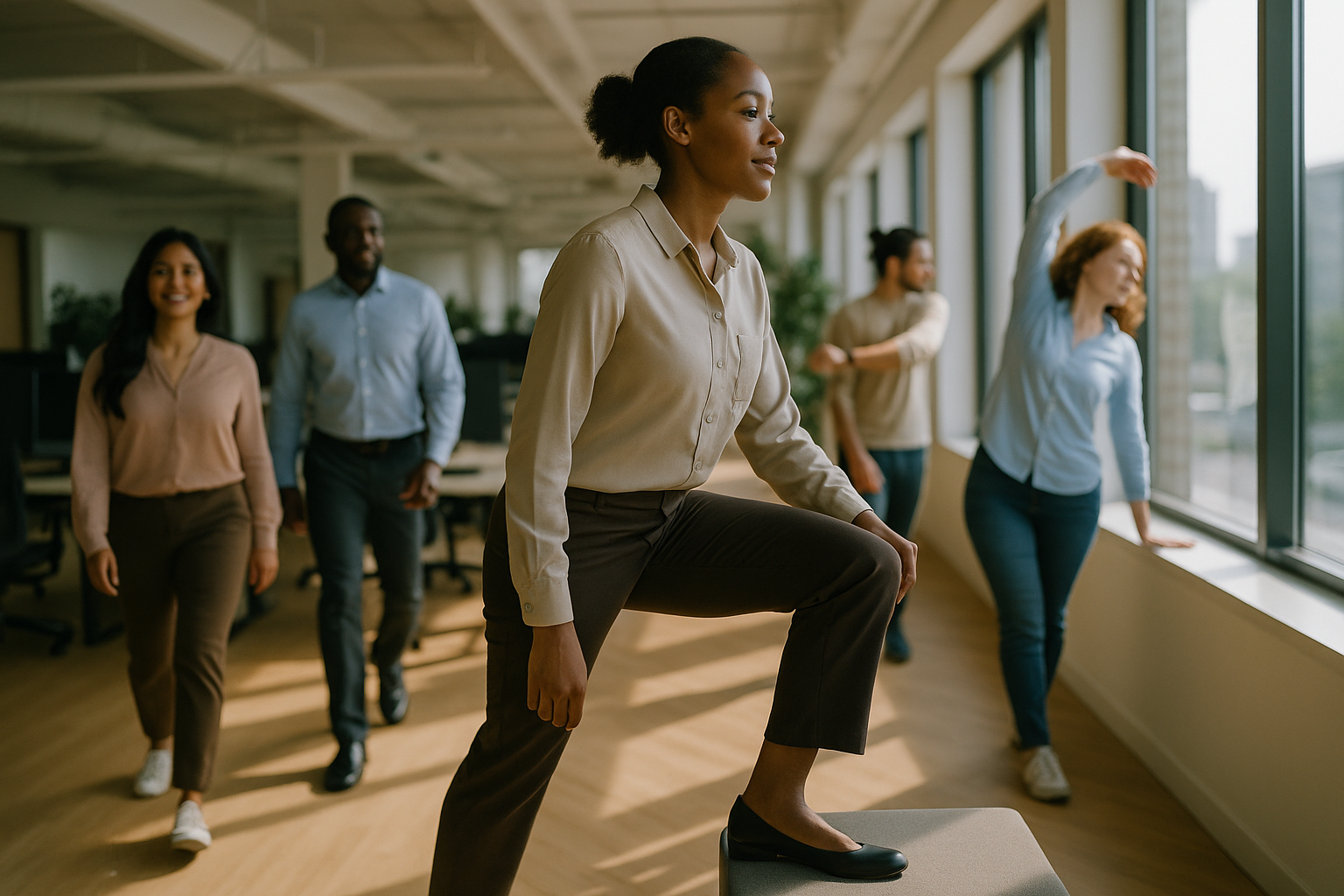
Short, intentional movement between tasks can sharpen attention, clear mental fog, and help you return to work more engaged. Exercise breaks are brief bouts of physical activity (typically 3–10 minutes) inserted between work or study blocks to refresh the brain. In simple terms: move a little, focus a lot. Research shows that even light-to-moderate activity can produce immediate gains in executive function and vigilance, while periodic movement prevents the energy dips that sabotage concentration. This guide distills the science and turns it into a practical plan you can use today. (General information only; not a substitute for medical advice—check with a clinician if you have health concerns.)
1. Exercise Breaks Sharpen Executive Function Within Minutes
A well-timed movement break improves the brain functions that drive focus—working memory, inhibition, and cognitive flexibility—often within the very next task block. Studies in workplaces and labs show that brief activity (as little as 3–10 minutes) can measurably enhance selective attention and executive performance shortly after you stop moving. For example, a 10-minute physical-activity break improved attention and executive function in on-duty healthcare workers, while reviews of acute exercise consistently find short-lived cognitive benefits—most robust for moderate activity and tasks tapping the prefrontal cortex. Importantly, you don’t need a gym session; brisk hallway walks, stairs, marching in place, or dynamic stretches all count. Expect a window of heightened focus that typically lasts from minutes up to about half an hour depending on intensity, task difficulty, and your baseline fatigue.
Why it matters
The prefrontal cortex fuels planning, prioritizing, and switching—exactly what knowledge work and studying demand. When that system is taxed by long sitting or sustained attention, a small movement burst “resets” it so you process information faster and with fewer errors.
How to do it
- Insert 3–10 minutes of movement after each task or meeting block.
- Choose brisk walking, stair climbs, light calisthenics (e.g., 20–40 bodyweight squats spread across a few sets), or mobility flows.
- Use a timer or calendar ping to avoid skipping breaks when busy.
- Keep breaks between tasks, not mid-flow during deep work.
- Track a simple focus metric post-break (e.g., how fast you clear your next inbox triage).
Numbers & guardrails
- Moderate walking at ~5–6 km/h for 3 minutes every 30–60 minutes has shown benefits in several studies.
- A single 10-minute break can sharpen selective attention for the next work segment.
- The clearest effects appear within 0–30 minutes post-movement.
Bottom line: A short, brisk movement break primes your executive brain for the next task—high ROI in minutes.
2. They Reset Vigilance and Reduce Mental Fatigue
Mental fatigue quietly erodes accuracy and speed. Meta-analytic evidence on microbreaks finds that brief pauses improve vigor and reduce fatigue, with small but meaningful performance benefits, especially when the break is active rather than passive. Movement works here because it changes posture, increases arousal modestly, and interrupts the monotony that depletes attentional resources. The effect is akin to splashing the brain with alertness—without the rebound crash of an overreliance on caffeine or doomscrolling.
Why it matters
When vigilance flags, you miss details, reread lines, and make avoidable mistakes. Active breaks restore tonic alertness so you can sustain attention through the next block of work, particularly during mid-afternoon dips or long virtual meetings.
A mini-checklist
- Stand first, then move: 30–60 seconds to unlock hips and shoulders.
- Add light cardio: hallway loop, two flights of stairs, or 60–90 seconds of marching/jogging in place.
- Finish with eyes: 20-20-20 rule (every 20 minutes, 20 seconds, 20 feet away) to reduce visual fatigue.
Common mistakes
- Passive breaks that keep you seated (scrolling) rarely restore vigilance.
- Going too hard (e.g., all-out burpees) can spike heart rate and make you sweaty or jittery for a desk return.
- Skipping hydration—fatigue is often compounded by being slightly dehydrated.
Bottom line: Active microbreaks restore the feel of energy and the function of vigilance—so your next 25–50 minutes are sharper.
3. They Boost Brain Chemicals That Support Focus (BDNF, Dopamine, Norepinephrine)
Movement triggers neurochemical shifts that set the stage for better concentration. Even a single short bout can raise brain-derived neurotrophic factor (BDNF)—a protein linked to learning and synaptic plasticity—with high-intensity efforts (e.g., ~6 minutes of hard cycling) producing especially robust spikes in circulating BDNF. Moderate activity also nudges catecholamines like dopamine and norepinephrine, which modulate attention and motivation. You don’t need to remember the acronyms; the takeaway is that short movement pulses create a brain chemistry profile that favors focus and learning.
How to choose intensity
- Light-to-moderate (most office breaks): brisk walking, mobility, light calisthenics—great for alertness with minimal sweat.
- Short vigorous “snacks” (optional for fit individuals): 3×20–30-second stair sprints or fast shadow-boxing, totaling 2–4 minutes, when you can cool down before returning to meetings.
Tools/Examples
- Stairs protocol (4 minutes): walk 1 flight easy, 1 flight fast; repeat 4–6 times.
- Desk-friendly circuit (5 minutes): 30s chair-off squats, 30s wall push-ups, 30s marching high knees, 30s hip hinges; rest 30s; repeat.
Bottom line: Exercise breaks nudge neurochemistry toward focus; if you enjoy it and it’s practical, a brief higher-intensity burst can amplify that effect.
4. They Interrupt Sedentary Slumps and Stabilize Energy (Especially After Meals)
Prolonged sitting is linked to dips in alertness and, after meals, big swings in blood sugar that can induce a post-lunch crash. Breaking up sitting with brief movement (3–15 minutes) improves glycemic control in people with and without diabetes and steadies perceived energy. That steadier physiology translates into smoother attention for the next work block. It’s not about burning calories; it’s about improving metabolic “signal to noise” so the brain isn’t battling sleepiness.
How to do it around food
- Before lunch: 2–3 minutes of stair climbs to prime circulation.
- After lunch: a 5–10 minute brisk walk outside or a “hallway loop + stretch” routine.
- Long calls: stand for the first 2 minutes, then add gentle calf raises every 10 minutes.
Mini case (numbers)
If you take five 3-minute walking breaks across an 8-hour day, that’s 15 minutes of movement and typically 1,000–1,500 extra steps—often enough to blunt that heavy-eyelid feeling at 2–3 p.m. Repeat daily, and your afternoon output feels less like pushing a boulder uphill.
Bottom line: Small, regular movement snacks keep energy and blood sugar steadier—your focus rides fewer waves.
5. They Increase Cerebral Blood Flow to Task-Relevant Regions
A core mechanism behind sharper focus is better cerebral perfusion—more oxygenated blood delivered to areas that handle attention and working memory. Experimental protocols that interrupt sitting with short walks or light cycling show improvements in task-related cerebral blood flow and working memory, particularly when breaks are frequent. You feel that as crisper recall, faster switching, and fewer “what was I doing?” moments when you return to your screen.
Numbers & guardrails
- Adolescents and adults both show benefits when breaks occur every 30–60 minutes, with 3–5 minutes of movement.
- In older adults, a morning 30-minute moderate walk plus 3-minute walking breaks every 30 minutes supported executive performance across the day.
Try this flow (6–7 minutes total)
- 2 minutes brisk walk (indoors if hot/cold outside).
- 90 seconds alternating lateral lunges and shoulder rolls.
- 60 seconds eyes-away gaze shifts (horizontal/vertical figure-eights).
- 60–90 seconds easy stair climb or hallway “strides.”
Bottom line: Movement breaks nudge more blood—and thus more oxygen and glucose—toward the networks your next task needs.
6. They Improve Mood and Stress Reactivity, Making Concentration Easier
Focus isn’t just mechanics; it’s emotional tone. Brief physical activity reliably lifts mood and reduces tension in the short term and contributes to better mental health over time. A simple park walk at lunch or a calming mobility circuit can reduce perceived stress and create the psychological headroom needed for complex work. When your mood is less brittle, interruptions sting less and you re-engage faster—both crucial for sustained productivity in noisy environments.
How to make mood-friendly breaks
- Green time: a 5–10 minute outdoor loop if feasible.
- Breath + move: pair light mobility with slow nasal breathing (e.g., 4-count inhale, 6-count exhale).
- Social micro-walk: invite a teammate for a “two-laps-and-done” debrief.
Common pitfalls
- Replacing breaks with social media rarely refreshes mood.
- Overstuffing the break with tasks (“I’ll just email three people…”) prevents recovery.
- Ignoring ergonomics: return to a poor setup and tension creeps back quickly.
Bottom line: A calm, positive affect narrows attentional scatter—movement breaks are an efficient mood lever.
7. They Enhance Learning and Memory Around Study/Work Sessions
If you’re learning, drafting, or problem-solving, a short bout of movement can prime encoding and aid consolidation. Reviews of acute exercise show immediate boosts to memory performance, while even very brief vigorous efforts (~6 minutes) can spike BDNF—one pathway tied to learning. For study sprints, the recipe is simple: move, then learn; or learn, then move; just don’t sit for hours without a reset.
Study/work pairing ideas
- Before complex reading: 5 minutes brisk walking + 1 minute mobility.
- Between drafts: 3 minutes stairs + 2 minutes stretch, then resume.
- Before recall practice: 3 minutes fast marching + 30 seconds box breathing.
Mini-checklist
- Keep breaks short and consistent (e.g., every 45–60 minutes).
- Log one metric that matters (e.g., recall accuracy, lines edited/hour).
- If sweat is an issue, choose low-sweat modalities (walking, mobility, light band work).
Bottom line: Pairing short movement with learning tasks makes new material stickier and retrieval snappier.
8. They Work Across Ages and Settings—So You Can Generalize the Habit
The exercise-focus link shows up in children (classroom movement breaks), adolescents, working adults, and older adults—with variations in effect sizes and protocols. That breadth means you can adapt the habit to almost any context: schools, hospitals, call centers, creative studios, or home offices. Healthcare workers saw attention and executive gains from 10-minute breaks; adolescents preserved working-memory-related blood-flow responses by interrupting sitting; older adults combined a morning walk with micro-breaks to support executive function across the day.
Region-specific notes
- Hot climates: prefer indoor loops, shaded stairwells, or air-conditioned corridors during mid-day; hydrate.
- Religious or cultural schedules: anchor breaks adjacent to existing pauses (e.g., prayer times) for consistency.
- Space-limited offices: use standing mobility (spine waves, hip circles), wall push-ups, or hallway strides.
Implementation summary
- Choose a default break (e.g., 5-minute brisk walk).
- Add a backup (2-minute mobility at your desk) for tight schedules.
- Create a shared cue (team timer, calendar block) to normalize the habit.
Bottom line: Because the effect spans age groups and environments, you can install movement breaks almost anywhere with minimal friction.
9. They Scale With Simple Routines and Tools You’ll Actually Use
Science is only useful if it’s doable. The most effective systems pair time blocks with movement cues, then make it easy to comply. Popular models like 25/5 (Pomodoro) or 50/10 work well when the 5–10 is active. Teams can layer organization-level nudges (standing meetings, “walking syncs,” staircase prompts) and evidence-based programs that package short guided routines. Apps, wearables, and computer prompts reduce forgetting and create accountability loops that compound over weeks.
Tools & routines
- Timers: use your phone or a browser extension; set a repeating 45/5 or 50/10 rhythm.
- Prompts: on-screen break reminders that require you to stand before dismissing.
- Routes: pre-map a 3-minute indoor loop and a 7-minute outdoor loop.
- Micro-kits: resistance band, mini-stepper, or a doorway pull-up bar (if appropriate).
Quick starter plan (Mon–Fri)
- Morning: 30 minutes moderate walk (optional but beneficial).
- Workday: every 50 minutes, do 5 minutes brisk walking or stair strides; if pinned, do 2 minutes mobility.
- After lunch: 8–10 minutes outside walk.
- Late afternoon: 3 minutes of light calisthenics before your last deep-work block.
Bottom line: A simple, repeatable routine turns “exercise breaks” from good intentions into a reliable focus amplifier.
FAQs
1) What exactly counts as an “exercise break”?
Any 3–10 minute bout of physical activity inserted between tasks—brisk walking, stair climbs, mobility sequences, light bodyweight moves, or a short bike—counts. The goal is to elevate circulation and arousal just enough to reset focus without needing a shower. If you’re very fit and logistics allow, occasional short vigorous “snacks” can also work.
2) How often should I take movement breaks to boost focus?
A practical target is every 45–60 minutes of seated work, or at natural task transitions. Evidence suggests 3–5 minutes of movement every 30–60 minutes can help attention and working memory, and 10 minutes can produce clearer benefits in some jobs. Consistency beats perfection—choose a cadence you’ll stick to.
3) Will a vigorous, sweaty break make me too amped to focus?
If you go all-out, you might feel jittery or uncomfortable at your desk. Most people focus best after light-to-moderate activity. Save higher-intensity “snacks” (e.g., 3×30-second stair sprints) for moments you can cool down, hydrate, and breathe for 1–2 minutes before resuming work.
4) Do exercise breaks help after lunch?
Yes. Post-meal movement (even 5–10 minutes of brisk walking) can blunt blood-sugar spikes and reduce the “food coma” feeling, which supports steadier attention. If you can’t go outside, indoor loops or gentle stair climbs work.
5) What if I’m in back-to-back meetings?
Stand for the first 1–2 minutes, do calf raises or hip shifts, and take camera-off 60-second stretch windows when you’re not speaking. Stack a longer 7–10 minute walk between meeting blocks whenever the calendar opens.
6) Is there a best time of day for exercise breaks?
Choose task transitions and your personal energy dips. In older adults, a morning moderate walk plus micro-breaks maintained executive function across the day. Many knowledge workers benefit from an extra movement pulse in mid-afternoon.
7) Can these breaks replace my regular workouts?
No. Exercise breaks are supplements, not substitutes. Keep following weekly guidelines for aerobic and strength training. Breaks primarily target focus, fatigue, and the harms of prolonged sitting during the workday.
8) Do they work for creative tasks, or just analytical ones?
Both. Executive function improves switching, inhibition, and working memory—useful for analysis and writing. Mood gains and increased cerebral blood flow can also unlock idea generation, which helps creative problem-solving.
9) I have joint pain or limited space—what can I do safely?
Favor low-impact options: gentle mobility (neck, thoracic spine, hips), sit-to-stands, wall push-ups, or hallway strides. If standing is difficult, try seated marches, ankle pumps, and band pull-aparts. Always consult a clinician for personalized guidance.
10) How quickly should I expect results?
Many people feel sharper immediately post-break, with measurable effects in the next 0–30 minutes. Over weeks, consistent breaks can make afternoons feel easier and output more reliable. Track simple metrics (e.g., tasks completed/hour) to see your response.
Conclusion
The takeaway is straightforward: brief, intentional movement between tasks reliably improves focus. You get fast wins—sharper executive function, better vigilance, steadier energy—and longer-term momentum by preventing the slow drain of all-day sitting. The science supports a flexible range: 3–10 minutes of light-to-moderate movement every 45–60 minutes, with occasional short vigorous pulses if you enjoy them and the setting allows. The key is friction-free consistency. Pick a default break (five minutes brisk walking), a backup (two minutes mobility), and a cadence (50/10). Map an indoor loop, set the timer, and treat movement like a meeting with your future focus. Start today, iterate next week, and notice how the next task feels just a little easier. CTA: Pick your next calendar block now and add a five-minute movement break—make focus the default.
References
- Albulescu, P. et al. “Give me a break! A systematic review and meta-analysis on the efficacy of micro-breaks for increasing well-being and performance.” PLOS ONE, Aug 2022. https://journals.plos.org/plosone/article
- “Physical Activity Boosts Brain Health.” Centers for Disease Control and Prevention (CDC), Aug 13, 2025. https://www.cdc.gov/physical-activity/features/boost-brain-health.html
- 2018 Physical Activity Guidelines Advisory Committee Scientific Report. U.S. Department of Health and Human Services, 2018. https://health.gov/sites/default/files/2019-09/PAG_Advisory_Committee_Report.pdf
- Chueh, T.Y. et al. “Acute effect of breaking up prolonged sitting on cognition: a systematic review.” Frontiers in Human Neuroscience, 2022. https://pmc.ncbi.nlm.nih.gov/articles/PMC8928248/
- Wu, Y. et al. “Effects of breaking up sitting with light-intensity physical activity on attention, executive functioning, and mood.” Journal of American College Health (abstract via PubMed), 2023. https://pubmed.ncbi.nlm.nih.gov/36434768/
- Fischetti, F. et al. “Ten-Minute Physical Activity Breaks Improve Attention and Executive Functions in Healthcare Workers.” Healthcare, 2024. https://pmc.ncbi.nlm.nih.gov/articles/PMC11205001/
- Wheeler, M.J. et al. “Distinct effects of acute exercise and breaks in sitting on working memory and executive function in older adults: a three-arm, randomised cross-over trial.” British Journal of Sports Medicine, 2020. https://bjsm.bmj.com/content/54/13/776
- Ishihara, T. et al. “The effects of acute aerobic exercise on executive function: a systematic review.” Neuroscience & Biobehavioral Reviews, 2021. https://www.sciencedirect.com/science/article/pii/S0149763421002670
- Basso, J.C., Suzuki, W.A. “The Effects of Acute Exercise on Mood, Cognition, Neurophysiology, and Neurochemical Pathways.” Brain Plasticity, 2017. https://pubmed.ncbi.nlm.nih.gov/29765853/
- The Physiological Society. “Six minutes of high-intensity exercise could delay the onset of Alzheimer’s disease.” News release summarizing Journal of Physiology study, Jan 12, 2023. https://www.physoc.org/news_article/six-minutes-of-high-intensity-exercise-could-delay-the-onset-of-alzheimers-disease/