




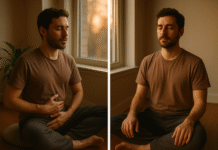









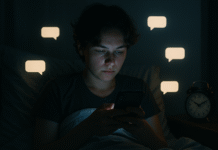

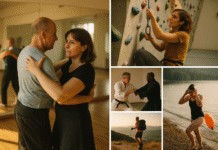

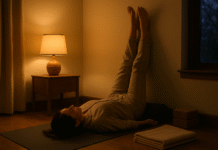

Seasonal motivation means adjusting your routines to the rhythms of light, weather, and workload so you can keep showing up—especially when winter blues or busy seasons hit. In practice, that looks like protecting sleep, stacking small wins, and designing your environment (light, schedule, tools) to make the next right action the easy one. Quick answer: get morning light daily, lock a realistic “maintenance minimum” for workouts, keep a stable sleep window, and plan your busiest weeks with buffers and defaults; these four moves alone prevent most seasonal slumps. For health-adjacent topics here, this guide is educational, not medical advice—seek professional care if mood or energy changes affect daily life.
Quick start (skim list): 1) 30 minutes of bright morning light; 2) 7+ hours of sleep on a consistent schedule; 3) 20–30 minutes of movement most days; 4) downgrade goals to “maintenance minimums” during crunch weeks; 5) use if–then plans (“If 7:00 a.m., then light box + walk”); 6) track small wins weekly.
1. Replan by Season: Lock “Maintenance Minimums” Before Slump Weeks
Seasonal motivation is easier when you plan before the season tests you. Define a realistic “maintenance minimum” for fitness, learning, or creative work that you can hit during winter or crunch months, and set bolder targets only when bandwidth returns. A maintenance minimum might be “two 25-minute strength sessions + one 30-minute brisk walk per week,” or “write 150 words a day.” This protects consistency and identity (“I’m someone who trains/writes regardless of season”), which matters more than sporadic intensity. Build a quarterly map (e.g., Jan–Mar, Apr–Jun…) noting holidays, travel, exams, fiscal close, Ramadan/Lent/Diwali periods, monsoon/wet seasons, or school terms so your routine flexes with reality. When a heavy stretch approaches, freeze nonessential goals, schedule recovery, and pre-commit social or calendar anchors that force momentum.
- Mini-checklist:
- Identify your next 12 weeks and mark high-load weeks.
- Define maintenance minimums for exercise, sleep, and one personal goal.
- Pre-book recurring slots (e.g., Tue/Thu 7:30–8:00 a.m. strength).
- Add a “one-thing” rule for the busiest days (do the single highest-leverage task).
- Plan a micro-celebration every 2–3 weeks to reinforce effort.
1.1 Why it matters
When goals contract during crunch periods, adherence goes up and guilt goes down, which preserves motivation. Treat consistency as the KPI; intensity is seasonal. A short plan you do beats an ambitious plan you abandon.
1.2 Numbers & guardrails
Use 12-week horizons with weekly reviews. If you miss two planned sessions in a row, scale down by 20–30% (time or frequency) for the next two weeks, then reassess. Close each week by logging three keep/stop/start notes for the next cycle.
2. Get Morning Light, Limit Evening Light: Train Your Body Clock
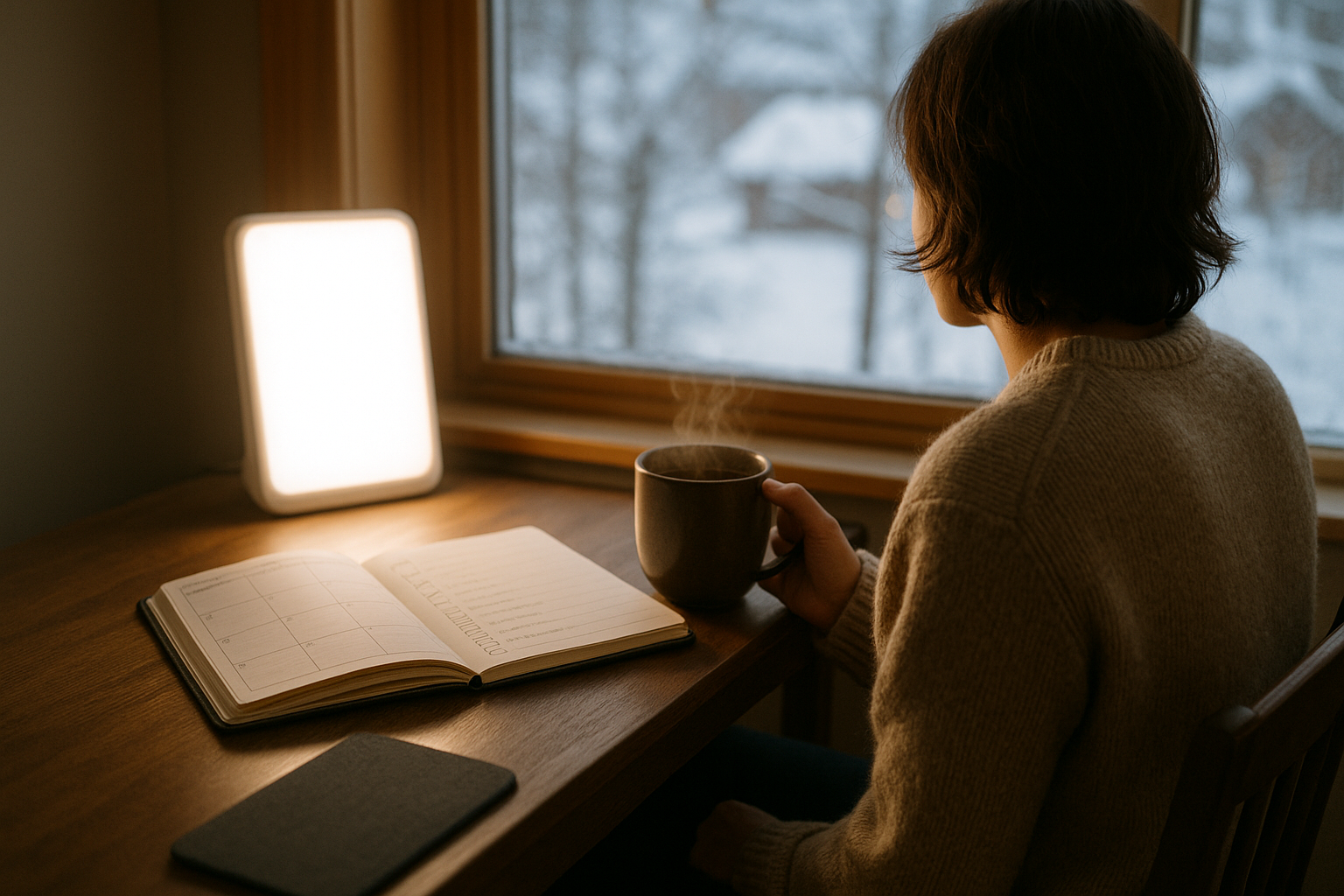
To stay alert in darker months, prioritize bright light soon after waking and reduce bright/blue light at night. Morning bright light (commonly from a 10,000-lux light box for ~30–45 minutes) or outdoor daylight helps anchor circadian rhythms, boosts alertness, and supports mood. Limit intense light late in the evening, which can delay melatonin and make sleep harder; if you use screens at night, dim them and enable warm tones. A practical combo: 15–30 minutes of outdoor light within an hour of waking plus a light-box session on very dark or indoor-bound days, and warmer, dimmer lighting after sunset. If you have eye/skin conditions or bipolar disorder, discuss light therapy with a clinician first. Evidence supports light therapy for winter-pattern SAD and shows that evening bright light can interfere with melatonin timing.
- How to do it (daily):
- On bright days: 15–30 minutes outside within 60 minutes of waking.
- On dark/busy mornings: sit ~40–60 cm from a 10,000-lux light box for ~30–45 minutes, ideally before 8–9 a.m.
- After sunset: dim overheads; use warm lamps; enable night mode on screens.
- Avoid bright, stimulating light 2–3 hours before bed.
2.1 Region notes
High latitudes or heavy monsoon cloud cover may require more reliance on light boxes; equatorial regions may favor outdoor light but still benefit from evening light hygiene. If your area observes clock changes, front-load morning light the week before the shift.
2.2 Tools/Examples
Look for devices rated at 10,000 lux with UV filtering; “dawn simulators” can assist early wake-ups by gradually increasing light. (Follow manufacturer guidance and medical advice where relevant.)
3. Keep Sleep Regular: Protect a Stable 7+ Hour Window Year-Round
Seasonal motivation collapses without sleep regularity. Adults should aim for seven or more hours nightly on a consistent schedule; irregular bed/wake times are linked to lower energy and weaker adherence. Anchor wake time first (use morning light), minimize big weekend “jet lag,” and build a 30–60 minute wind-down without bright screens. If winter makes you want to sleep longer, that’s common; prioritize quality and regularity over chasing huge sleep durations that push your morning routine off a cliff. During busy seasons, set a “hard stop” for work and an “electronics off” alarm to protect your window. When shifting your schedule (travel or daylight-saving changes), move bedtime/wake time by 15–20 minutes per day until aligned.
- Mini-checklist:
- Choose a wake time you can keep 6–7 days a week.
- Schedule light, movement, and breakfast in the first 90 minutes of the day.
- Cut caffeine 8–10 hours before bedtime (half-life ~5 hours, varies widely).
- Keep your room dark, cool, and quiet; consider an eye mask and earplugs.
3.1 Numbers & guardrails
Adults: 7+ hours (most fall between 7–9). If you’re routinely under 6, raise by 15 minutes per week until you reach ≥7. If insomnia symptoms persist for weeks, seek clinical care; CBT-I is an evidence-based option.
4. Move Daily (Even in Micro-Doses): Bank the Minutes That Matter
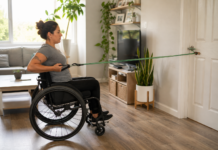
Exercise is a cornerstone of mood and motivation, and the weekly target is flexible: 150–300 minutes of moderate activity or 75–150 minutes vigorous, plus muscle-strengthening on 2+ days. In dark or busy seasons, collect activity with “exercise snacks” (e.g., 3×10 minutes brisk walking) or brief strength circuits (15–25 minutes) when a full workout is unrealistic. Focus on repeatable formats you can do at home (bodyweight, dumbbells, resistance bands) or near work (stair climbs, brisk loops). Combine movement with light exposure in a morning walk to double benefits for circadian alignment and mood.
- Menu ideas (pick 2–3):
- 20-minute AM brisk walk (+ light)
- 25-minute push/pull/legs strength trio
- 10-minute mobility + core finisher after lunch
- Weekend 60–90 minute longer session (walk, run, cycle, hike)
- “TV-commercial sets”: 3 sets of squats/rows each episode break
4.1 Common mistakes
All-or-nothing thinking (missing one session and quitting), relying only on outdoor options when weather is hostile, and skipping resistance work. Your maintenance minimum during winter might be 120–150 total minutes; that’s fine—consistency builds momentum for spring.
5. Build a Winter-Proof Workout Menu and Environment
If cold, rain, or poor air quality regularly derails you, pre-design alternatives and prep your space. Outfit a “one-mat home corner” with a mat, two adjustable dumbbells or resistance bands, a timer, and a small lamp; lay out clothes the night before to cut friction. Create two indoor routines (20–30 minutes each) you can rotate through busy weeks: one full-body strength, one cardio interval session (e.g., march steps, step-ups, shadow boxing, jump rope if joints allow). For outdoor training, layer lightweight technical clothing, warm up indoors for 5 minutes, and keep hands and ears covered. If you commute, add “walk the last 10 minutes” or “take stairs to floor +3” as defaults. Finish every session by logging duration and one sentence on mood/energy to reinforce the link.
- Mini-checklist:
- Pack a “go bag” (hat/gloves, band, water bottle).
- Save two 25-minute follow-along videos for no-brain days.
- Keep a towel and spare socks at work for rainy days.
- Set an “auto-start” timer at your usual workout time.
5.1 Region notes
In hot climates or during heat waves, flip the day: train at dawn or in air-conditioned spaces, hydrate, and shorten intervals. In very cold climates, prioritize traction (shoes/poles) and visibility (reflective gear).
6. Use If–Then Plans and Habit Stacking to Keep Going When Willpower Dips
When daylight is scarce or deadlines loom, willpower fades. Implementation intentions—simple if–then plans—bridge that gap: “If it’s 7:15 a.m., then I start the light box + plan today’s top task,” or “If I make tea, then I do 10 air squats.” Research shows if–then planning reliably improves goal initiation and shields goals against disruptions. Habits also form over weeks to months; median time to automaticity in a real-world study was about 66 days (range 18–254), so expect seasonal routines to feel “automatic” only after consistent repetition. Stack new actions onto stable anchors (wake time, commute, lunch) and reward with quick wins (habit tracker, checkmark, or a 60-second music cue).
- Stacking examples:
- After brushing teeth (cue), start 5 minutes of mobility.
- After morning light (cue), write the day’s top 3 tasks.
- After lunch (cue), 8-minute walk.
- When logging off (cue), lay out clothes and set timer for tomorrow.
6.1 Common mistakes
Making plans too vague (“exercise more”) or too complex. Keep one cue, one action. If you miss twice in a row, shrink the action (e.g., from 25 to 10 minutes) and rebuild streaks.
7. Create Light-Boosted Spaces: Dawn Simulators, Task Lamps, and Night Warmth
Beyond morning outdoor light or a light box, you can make your spaces seasonal-friendly. Use a dawn-simulator alarm to “pre-brighten” your room 20–45 minutes before wake time in dark months; at your desk, place a bright task lamp off-axis to reduce glare while reading. In the evenings, switch to warm, low-intensity lighting to help melatonin rise and wind your system down. Limit bright, cool light in the two to three hours before bed; if you must work late, use software that warms screen color temperature. Research from sleep and circadian science shows that bright morning light advances the body clock, whereas bright evening light can delay melatonin and disrupt sleep timing—so design your environment accordingly.
- Tools/Examples:
- Dawn simulator, light box (10,000 lux, UV-filtered), warm LEDs for evening.
- Screen night mode and device-level “wind-down” schedules.
- Sheers/blinds that let in early daylight but maintain privacy.
7.1 Safety & scope
If you have retinal conditions, photosensitivity, or bipolar spectrum, consult a clinician before light therapy. Follow device instructions and keep lights slightly off to the side, not directly in your line of sight.
8. Add Social Accountability: Buddies, Group Chats, or Micro-Teams
Motivation multiplies with company. A simple buddy system—weekly check-ins, shared calendars, or brief “we both start at 7:30” messages—raises adherence, especially when the goal is modest and time-bound. Community mechanisms (small WhatsApp groups, a gym class, run clubs, or a remote coworking “focus room”) help you start on time, show up when it’s dark, and celebrate small wins. Evidence shows social support is positively associated with physical activity levels; buddy-style interventions can increase exercise frequency in older adults and community settings. Even for busy professionals, a five-minute call on Sunday to set two commitments each can keep the week on rails.
- Set-up steps:
- Pick one partner with similar availability.
- Agree on two weekly “checks”: Sunday planning + midweek touchpoint.
- Share screenshots of completed workouts or step counts.
- Rotate a small challenge (e.g., most days with 20-minute walks).
8.1 Common mistakes
Oversized groups with mismatched goals; choose small, aligned teams. Keep accountability positive—no shaming, just nudges and problem-solving.
9. Energy & Nutrition Guardrails for Dark or Hectic Months
Food and stimulants shape daily energy. Build meals around protein, fiber, and colorful plants to stabilize appetite, especially when cold weather drives cravings for heavy, low-fiber foods. Hydrate throughout the day (needs vary—use thirst and light-yellow urine as practical guides) and pair hot drinks with water. Caffeine’s half-life averages ~5 hours but ranges widely (≈2–12 hours), so late-afternoon coffee can still be in your system at bedtime; set a caffeine “curfew” 8–10 hours before sleep. If you suspect vitamin D deficiency, ask your clinician about testing; evidence for vitamin D in SAD or depression is mixed, so supplementing is best guided by labs and medical advice rather than self-diagnosis.
- Mini-checklist:
- Batch a hearty soup or bean-and-veg base weekly.
- Keep fruit and nuts visible for easy snacks.
- Move caffeine to the morning; swap PM cups for herbal teas.
- Plan two high-protein breakfasts (e.g., eggs + veg; yogurt + oats) for busy weeks.
9.1 Region notes
In long hot seasons, emphasize electrolytes during sweaty sessions; in cold, emphasize warm fluids and soups. If fasting for religious observances, train soon after the evening meal or near dawn with medical guidance.
10. Plan for Busy Seasons: Buffers, Defaults, and Focus Sprints
Winter holidays, school exams, audits, or quarter-end sprints can derail consistency unless your calendar anticipates them. Start by protecting a minimal schedule for health (two strength + one cardio slot, sleep window, morning light). Add buffers around known crunch days: avoid late-night meetings the day before key presentations; schedule leftovers or meal kits; pre-write “away” or “slow reply” messages. Use short focus sprints (e.g., 50–90 minutes) with a five-minute walk break to keep energy steady. When you truly can’t increase capacity, reduce scope: shrink workouts, lower rep schemes, or simply do a 12-minute “starter set.” If a week is at capacity, cap optional commitments rather than borrowing time from sleep.
- Practical defaults:
- “If the day is packed, then I do the 12-minute session at lunch.”
- “If I work past 7:00 p.m., then I move tomorrow’s early meeting by 15 minutes.”
- “If I skip a workout, then I walk 10 minutes after dinner.”
10.1 Numbers & guardrails
Use a 2-for-7 rule: aim for two meaningful workouts per seven days during the heaviest weeks and return to your normal plan as the load drops. Log what protected your routine so you can replicate it next season.
11. Mood-First Self-Care: CBT-Style Skills, Light, and When to Seek Help
Motivation follows mood. Basic CBT tools—catching unhelpful thoughts, reframing (“I can start small”), scheduling pleasant activities—work especially well in winter. For winter-pattern SAD, both light therapy and CBT-SAD help in the acute phase, with CBT-SAD showing better durability at two-winter follow-up in a randomized trial. If symptoms escalate (loss of interest, changes in sleep/appetite, persistent low mood, hopelessness), contact a clinician; treatment may include therapy, medication, light, and broader support. Self-care is powerful, but medical care is essential when depression criteria are met.
- Mini-checklist:
- Book a preventive check-in (therapy/primary care) in early autumn.
- Start light exposure before symptoms peak.
- Keep a 5-minute evening mood/energy log.
- Save crisis numbers and local resources in your phone.
11.1 Safety
If you experience thoughts of self-harm or suicide, seek immediate help from local emergency services or crisis lines available in your country. Light therapy may not be appropriate for everyone—get medical guidance if you’re unsure.
12. Track and Celebrate Seasonal Wins (Not Just PRs)
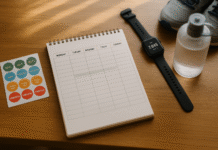
In winter or crunch periods, measure consistency rather than maximums. Use a simple habit tracker or calendar and award a checkmark for completing your maintenance minimums. Every two to three weeks, review your log to spot what helped (time, location, social support) and what hindered (late meetings, weather), and adjust. Expect habit strength to build over months, not days; large real-world variability is normal, so treat dips as data. Small celebratory rituals—upgrading a playlist, a new pair of socks, a solo coffee with a book—tie effort to reward and keep motivation topped up for the next cycle.
- Mini-review prompts:
- What kept me consistent this fortnight?
- Which cue worked best for starting?
- What’s my smallest next step if this week gets messy?
- Which win will I reward on Friday?
12.1 Synthesis
Seasonal motivation isn’t about iron will; it’s about designing cues, constraints, and rewards that carry you through dark or hectic weeks. Track the behaviors you control; let performance peaks return with the light.
FAQs
1) What’s the difference between “winter blues” and SAD?
Winter blues are milder dips in mood and energy; Seasonal Affective Disorder (SAD) is a recurring pattern of major depression episodes tied to a season (often fall/winter) that affects daily functioning and may need clinical treatment. If symptoms persist or impair work/relationships, seek professional help; treatments can include bright light therapy, psychotherapy, and medication.
2) How much light therapy is typical?
Common guidance for winter-pattern SAD is exposure to 10,000 lux bright light for about 30–45 minutes soon after waking, most days of the week during darker months. Position the box at the recommended distance, eyes open but not staring directly at the light, and combine with outdoor daylight when possible. Check device safety (UV-filtered) and consult a clinician if you have eye conditions.
3) Does evening light really hurt sleep?
Bright light at night can delay melatonin and shift the body clock later, which makes falling asleep harder and mornings groggier. Keep evenings dim and warm, and push bright light to the morning to reinforce your circadian schedule—especially critical in winter.
4) What’s the minimum exercise I can “get away with” during a busy month?
Think accumulation and minimums: even 120–150 minutes total in a week (e.g., six 20-minute sessions) preserves fitness and mood. Over a season, aim back toward the WHO guideline of 150–300 minutes moderate or 75–150 minutes vigorous, plus strength 2+ days weekly.
5) How much sleep should I protect?
Adults should safeguard seven or more hours nightly on a stable schedule. Prioritize regularity: similar bed/wake times daily, especially in winter when light cues are weaker. If you’re far below seven hours, increase slowly and seek help if insomnia persists.
6) Is vitamin D a fix for winter mood?
Evidence for vitamin D as a treatment for SAD or depression is mixed; some trials show little to no benefit while others suggest small effects in specific populations. Best practice: test levels and discuss with a clinician before supplementing; prioritize proven approaches like light therapy, CBT, and exercise.
7) Which comes first—sleep, light, or workouts?
Anchor wake time and morning light first to set your body clock, protect your sleep window, and then layer movement on top. When time is tight, choose “short but certain” sessions—consistency beats duration in tough seasons.
8) How do I adjust around travel or daylight saving time?
Shift your schedule by 15–20 minutes per day toward the target time, front-load morning light exposure on arrival, and keep evening light low. For one- to three-day trips, it can be easier to stay on home time when possible.
9) What about caffeine timing in winter when I’m sleepy?
Use caffeine earlier in the day and cap it 8–10 hours before bed because the half-life averages ~5 hours but can range 2–12 hours depending on metabolism, medications, and other factors. Pair coffee with water and avoid “rescue” late-day doses that cannibalize sleep.
10) Are buddy systems actually effective?
Yes—studies in community and older-adult settings show buddy or social-support approaches are associated with higher activity levels and better adherence. Keep groups small and goals aligned; the accountability nudge is the real lever.
11) Which metrics should I track in winter?
Track inputs (minutes moved, sessions completed, morning light minutes, sleep window) rather than only outputs (pace, PRs). Review every two weeks to adjust your maintenance minimums and celebrate wins to reinforce behavior.
12) When should I seek medical care?
If mood symptoms last most of the day, nearly every day for two weeks; if you lose interest in activities; or if you have thoughts of self-harm—seek care promptly. Effective treatments exist, and earlier support improves outcomes.
Conclusion
Seasons change; your systems should, too. When daylight or workload fluctuate, motivation is less about heroic effort and more about smart defaults: morning light, a stable sleep window, movement you can always do, and a calendar designed for crunch. Pre-commit maintenance minimums for dark or hectic weeks, use if–then plans to start automatically, and lean on social accountability when willpower dips. Treat data as feedback—what time, place, and partner made action easier?—and adjust your environment before the next seasonal swing. Most importantly, measure consistency, not perfection: a modest session done on the coldest day counts more than a perfect plan abandoned. Put one small action from this guide on your calendar today, and protect it like a meeting with your future self.
Do this now: schedule tomorrow’s morning light + a 20-minute move, and set your caffeine curfew for 8 hours before bedtime.
References
- Seasonal Affective Disorder (SAD) — National Institute of Mental Health (NIMH), updated 2023–2024, https://www.nimh.nih.gov/health/publications/seasonal-affective-disorder
- Seasonal Affective Disorder (SAD) 508 PDF — NIMH, 2023, https://www.nimh.nih.gov/sites/default/files/documents/health/publications/seasonal-affective-disorder/seasonal-affective-disorder-508.pdf
- Bright Light Therapy (Patient Page) — Sleep Education by the American Academy of Sleep Medicine, May 6, 2021, https://sleepeducation.org/patients/bright-light-therapy/
- Watson NF et al., Recommended Amount of Sleep for a Healthy Adult — AASM/Sleep Research Society Consensus, SLEEP (2015) / AASM page updated Jul 30, 2024, https://aasm.org/seven-or-more-hours-of-sleep-per-night-a-health-necessity-for-adults/; PDF: https://aasm.org/resources/pdf/pressroom/adult-sleep-duration-consensus.pdf
- Bull FC et al., World Health Organization 2020 Guidelines on Physical Activity and Sedentary Behaviour — WHO via Br J Sports Med (2020), https://pubmed.ncbi.nlm.nih.gov/33239350/; WHO BeHealthy page updated 2024, https://www.who.int/initiatives/behealthy/physical-activity
- Rohan KJ et al., Randomized Trial of Cognitive-Behavioral Therapy vs. Light Therapy for SAD — Am J Psychiatry (2015) & 2-winter follow-up (2016), https://pmc.ncbi.nlm.nih.gov/articles/PMC7962797/; https://pubmed.ncbi.nlm.nih.gov/26539881/
- Crowley SJ et al., Phase Advancing Human Circadian Rhythms with Morning Bright Light and Afternoon Melatonin — J Clin Sleep Med (2014/2015), https://pmc.ncbi.nlm.nih.gov/articles/PMC4344919/
- Lazar R et al., Afternoon–Evening Bright Light Exposure Reduces Evening Melatonin — npj Biological Timing and Sleep (2025), https://www.nature.com/articles/s44323-025-00040-6
- Lally P et al., Modelling Habit Formation in the Real World — European Journal of Social Psychology (2010), https://onlinelibrary.wiley.com/doi/full/10.1002/ejsp.674
- Gollwitzer PM, Implementation Intentions and Goal Achievement: A Meta-Analysis of Effects and Processes — Advances in Experimental Social Psychology (2006) / overview PDF (NIH), https://cancercontrol.cancer.gov/sites/default/files/2020-06/goal_intent_attain.pdf
- Evans J et al., Caffeine — StatPearls (updated 2024), https://www.ncbi.nlm.nih.gov/books/NBK519490/; Sleep Foundation explainer updated Jul 16, 2025, https://www.sleepfoundation.org/nutrition/how-long-does-it-take-caffeine-to-wear-off
- Smith GSE et al., The Relationship between Social Support for Physical Activity and Physical Activity over Time — Int J Environ Res Public Health (2023), https://pmc.ncbi.nlm.nih.gov/articles/PMC10002128/; Takeda H et al., Buddy-Style Intervention and Exercise Adherence — Clin Rehabil (2022), https://pubmed.ncbi.nlm.nih.gov/34825590/
- NHS, Treatment – Seasonal Affective Disorder (SAD) — National Health Service UK (reaffirmed 2021), https://www.nhs.uk/mental-health/conditions/seasonal-affective-disorder-sad/treatment/
- Frandsen TB et al., Vitamin D Supplementation for Treatment of SAD — BMC Research Notes (2014), https://bmcresnotes.biomedcentral.com/articles/10.1186/1756-0500-7-528; Xie F et al., Effect of Vitamin D on Depression—Mixed Evidence — Front Public Health (2022), https://www.frontiersin.org/articles/10.3389/fpubh.2022.903547/full