























Joining a health or fitness community—whether that’s a local class, a running club, or an online forum—can transform motivation, knowledge, and consistency. This guide explains how to choose the right spaces, integrate smoothly, and get tangible results while staying safe and respectful. It’s for beginners taking a first step and experienced exercisers looking to deepen their network. In short: participating in health and fitness communities means deliberately using classes, clubs, and forums to learn, connect, and stay accountable for the long term. (For safety, this article is educational and not medical advice; consult a qualified clinician or certified coach before changing your program.) For general physical-activity benchmarks and inclusive recommendations across ages and abilities, see the World Health Organization’s 2020 guidelines.
1. Choose Communities That Fit Your Goals, Values, and Logistics
Pick communities that align with your specific outcomes (e.g., learning technique, training for a 5K, building strength, or staying active for mental health) and your reality (schedule, budget, transport, language). The fastest way to feel belonging is to match the room’s culture, coaching style, and expectations to your needs. Start by shortlisting 3–5 options across in-person and online spaces, then “trial” each for two to four weeks. Look for signs of healthy social norms—clear onboarding, respectful moderation, and evidence-based advice. Research consistently shows that social support increases exercise self-efficacy and adherence, so the right “fit” is not fluff—it’s performance infrastructure. Consider seasonality and climate (e.g., monsoon heat or winter smog) when evaluating indoor vs. outdoor options, and remember accessibility (ramps, women-only hours, low-impact sessions) if that applies to you or your family.
1.1 How to shortlist quickly
- Map your goal to community type: skills → coached classes; endurance → clubs; consistency → accountability forums.
- Check sample workouts, coaching bios, and policies; prioritize programs with beginner tracks or “on-ramp” options.
- Lurk in online groups for a week to gauge tone, evidence use, and moderation.
- Verify coaches’ credentials (see Section 8).
- Confirm commute time, class caps, and refund/hold policies.
Mini-checklist: After each trial session, score (1–5) for coaching clarity, safety cues, peer vibe, and how you felt 24–48 hours later. Pick the top two and commit for the next 8–12 weeks. That deliberate fit check prevents churn and builds momentum.
2. Introduce Yourself with a Useful “Welcome Post” or First-Class Conversation
Open strong: say who you are, what you’re working toward, and how you like to learn. In a forum, share a 4–6 line intro post; in person, chat with the coach before class. This signals coachability, sets expectations, and invites the right advice. It also makes it easier to ask for feedback when you plateau. Include relevant constraints (old knee sprain, shift work) and your tracking method (training log, wearable). Close with a small “ask” (“Happy to share my meal-prep template—anyone here training for their first 5K?”). The goal is to create context, the currency of community help. People are far more likely to mentor when they understand your starting point and your timeline.
2.1 A simple template (copy/paste)
- Goal & deadline: “Run a 5K by 12 weeks; stay injury-free.”
- Background: “Desk job; beginner; lifting twice weekly.”
- Constraints: “Travel 1 week/month; mild ankle stiffness.”
- What I can offer: “Beginner meal-prep tips; Excel habit tracker.”
- Ask: “Feedback on 3-day plan; any local Saturday groups?”
Why it works: You reduce guesswork for coaches and peers, improve the quality of responses, and start reciprocity early—key behaviors in communities that retain members.
3. Start in Beginner Tracks, “On-Ramps,” and Couch-to-Style Programs
A structured on-ramp lowers injury risk, builds technique, and accelerates confidence. Many gyms and clubs run short beginner courses that teach movement standards, class etiquette, and scaling options before dropping you into mixed-ability sessions. Running clubs often recommend “Couch to 5K”–style progressions (about nine weeks, three runs per week), while strength gyms offer foundations classes or on-ramp programs so your first regular class isn’t overwhelming. If you’re unsure, ask specifically for a beginner cohort or foundations—these typically include movement screening, safety cues, and clear progressions. CrossFit
3.1 What a good on-ramp includes
- A defined duration (e.g., 2–4 weeks) with 2–3 sessions/week.
- Fundamental skills (hinge, squat, push/pull, bracing; easy aerobic intervals).
- Scaling logic and Rate of Perceived Exertion (RPE) guardrails.
- Culture and logistics: how to book, class flow, equipment etiquette.
- A post-program plan for your first 4–6 regular classes.
Mini case: A four-week “foundations” program (12 sessions) introduces compound lifts with dowels before load, then adds tempo and unilateral work. New members graduate with a plan for their first month of classes and a clear “ask” for coaching on two priority movements. This sequencing builds skill and social comfort simultaneously. foundationcrossfit.com
4. Use Challenges, Events, and Milestones to Sustain Motivation
Community challenges and recurring events convert vague goals into concrete streaks and milestones. Examples include free weekly 5K events (where available), month-long step or mobility streaks, and charity rides. These shared targets add social accountability and “micro-deadlines,” which are powerful for adherence. If your country hosts free timed runs or walks, they can be a low-barrier entry with inclusive pacing and volunteer roles. Research on such events reports improvements in wellbeing and life satisfaction among participants and volunteers. Post-pandemic analyses also explore participation changes and equity implications, reminding organizers and joiners to be patient rebuilding routines.
4.1 Numbers & guardrails
- Aim for one community event per week or one 30-day challenge per quarter—avoid stacking too many.
- Pick measurable goals: attendance %, total minutes, or a single repeatable benchmark (e.g., 5K time, 1-min push-ups).
- Celebrate process milestones (attendance streaks) as much as outcome PRs.
- If events aren’t available locally, create a virtual meetup (see Section 11).
Synthesis: Events and milestones reduce decision fatigue and give you built-in “next steps,” which keeps you consistent when motivation dips.
5. Build an Accountability Pact (Buddy or Small Pod)
Pairing with one or two people dramatically increases attendance and follow-through. The simplest pact is a shared schedule and a rule: “Reschedule, don’t cancel.” Create a low-drama system—shared calendar invites, a 30-minute grace window, and a one-line check-in (“Done/Skipped/Modified”). For rehab or return-to-play phases, peer support after clinical care can improve adherence to home exercises and long-term outcomes. Community-based group programs also show encouraging long-term adherence rates, often near 70% in some populations, underscoring the value of consistent social contact.
5.1 Mini-checklist for a strong pact
- Keep the group ≤3 people to reduce coordination friction.
- Fix days/times for 6–8 weeks; review together afterward.
- Share one priority metric (attendance %, minutes, RPE notes).
- Decide your default: “At-home alternative if class is full.”
- Celebrate streaks, not just PRs—community glue is consistency.
Synthesis: Small, predictable accountability beats big, vague promises. Use your pact to lock in habits while keeping flexibility for illness, travel, or family life.
6. Track Publicly—but Protect Your Privacy and Safety
Leaderboards, club feeds, and social maps can fuel motivation and celebration. They also expose location and routine data unless you configure privacy settings. Before joining app-based clubs, review the platform’s privacy controls and set defaults (e.g., hide start/end points near home, limit visibility to followers, disable flybys/heatmaps). Investigative reporting and security advisories over the years have highlighted how aggregated fitness data can inadvertently reveal sensitive locations and routines. The fix isn’t to avoid community altogether—it’s to learn and apply the right privacy controls from day one.
6.1 Practical steps (5 minutes)
- Set default activity visibility to Followers or Only You; review older posts.
- Create privacy zones around home/work; hide GPS for indoor sessions.
- Audit connected apps quarterly; prune anything you don’t use.
- Be cautious with real-time sharing; post after you’re home.
- If you’re in a sensitive role, consider opting out of public features entirely. Strava Support
Synthesis: Enjoy social tracking for motivation and support, but lock down your data so your community life doesn’t compromise personal safety. Strava Support
7. Contribute Value Early: Notes, Recaps, and Encouragement
Communities strengthen when members give before they need. After classes, post short recaps (what clicked, what you scaled), ask one focused question, and tag thanks to people who helped. In forums, curate links to reputable resources on topics you know (meal prep, stretching routines) and keep opinion separate from evidence. Offer to pair up with a newcomer for warm-ups. When you contribute consistently for 2–3 weeks, you’ll often receive more specific, higher-quality feedback in return. Reciprocity is the engine of peer learning.
7.1 Quick contribution ideas
- Start a weekly “wins & roadblocks” thread.
- Share a simple tracker template (attendance %, sleep, RPE).
- Post a beginner glossary for your sport.
- Volunteer to time reps or log scores during class.
- Organize a Q&A with a coach on one narrow topic.
Synthesis: Value-forward behavior creates social capital, which you can later spend on nuanced feedback and deeper coaching attention.
8. Work with Qualified Coaches and Verify Credentials
If you’re paying for coaching, verify that credentials and experience match your needs. In the U.S., check directories for ACSM, NASM, or NSCA; in the UK, look for CIMSPA membership; in New Zealand, REPs registration is common. Ask about scope of practice (e.g., coaches don’t diagnose injuries), and seek referral networks (physio, dietitian) when problems exceed a trainer’s lane. Good communities make verification easy and welcome questions about programming philosophy and progression models. If you’re joining a specialty gym, ask about beginner “foundations” or on-ramp pathways for safe onboarding. Reps
8.1 How to verify quickly
- Search the relevant professional directory by name and location.
- Check certification expiry and continuing education status.
- Ask for program examples for someone at your level.
- Confirm referral process for pain or medical red flags.
- For CrossFit-style gyms, ask about formal “on-ramp” or foundations. CrossFit Library
Synthesis: Credential checks protect you and set a professional tone—most high-quality coaches welcome informed clients.
9. Practice Evidence-First Etiquette and Misinformation Hygiene
Communities thrive when members distinguish personal anecdotes from evidence. Learn simple “infodemic” hygiene: listen, ask clarifying questions, share reputable references, and avoid amplifying rumors. Health authorities emphasize building resilience to misinformation through social listening and trusted sources. If you post advice, cite a guideline or study and state your uncertainty. Moderators should have rules against miracle cures, harassment, and unsafe practices; members should model respectful correction and defer to qualified clinicians for medical issues.
9.1 A quick protocol when you’re unsure
- Say what you do know and where it’s from; link an official source.
- Label opinions as opinions; invite a coach or clinician to weigh in.
- Use seek-to-understand questions before rebuttal.
- Avoid absolutes; include ranges and guardrails.
- If a claim looks dangerous, flag it to moderators privately. JMIR Infodemiology
Synthesis: Etiquette plus evidence protects community trust and helps beginners absorb accurate, actionable guidance. CDC Travelers' HealthCDC Stacks
10. Prioritize Inclusivity and Accessibility so Everyone Can Participate
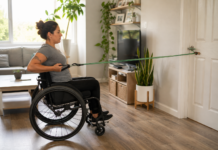
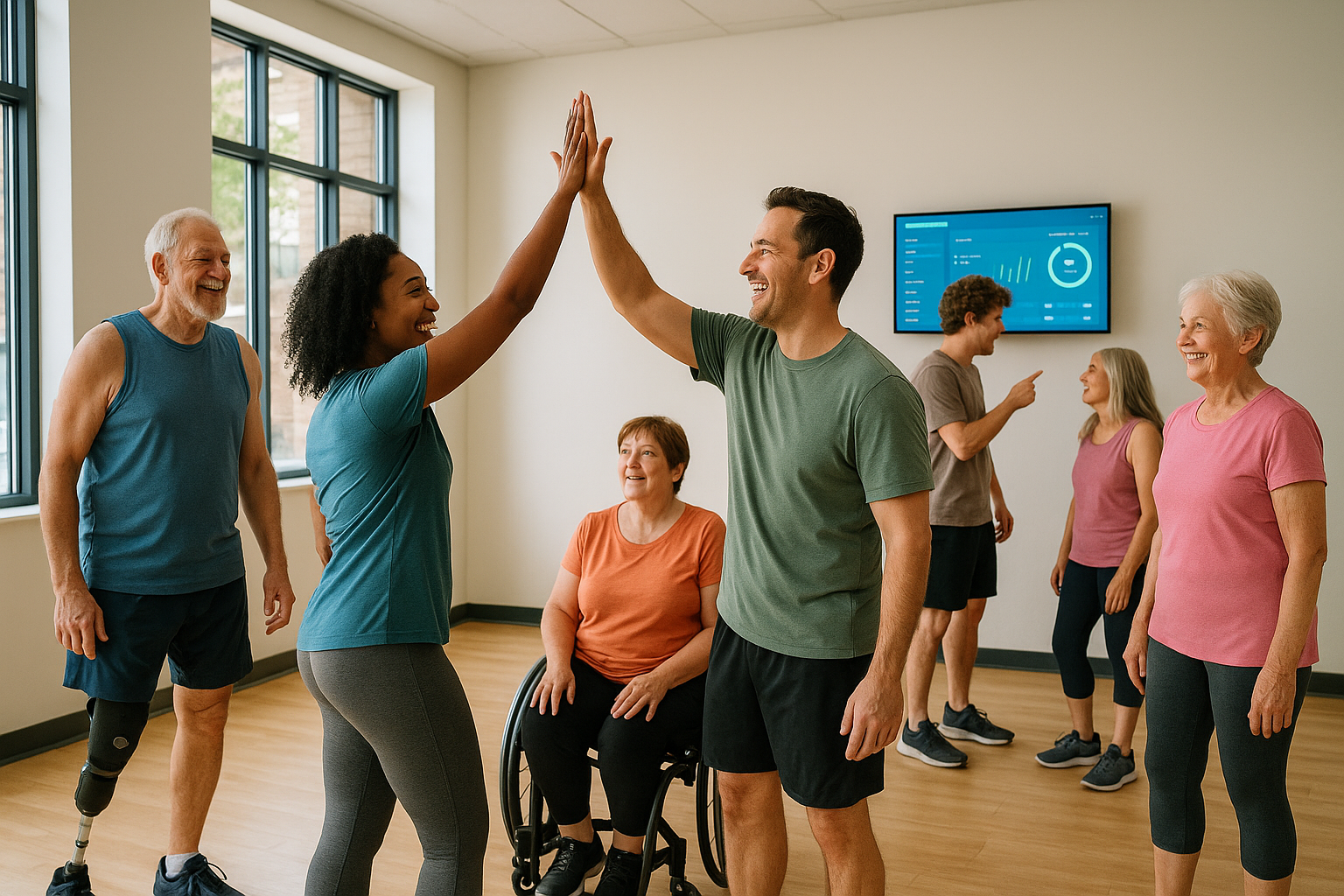
Great communities work for different ages, sizes, abilities, and health histories. Look for offerings with chair-based options, low-impact formats, and women-only or beginner-only hours where culturally appropriate. Use standard physical-activity guidance for safe ranges and modifications, and encourage “choose your challenge” culture during classes. If you’re organizing, provide clear ramp-up options and allow participants to repeat weeks. The WHO’s guidelines are explicit about reducing sedentary time and including muscle-strengthening for all age groups and abilities; the spirit applies in community settings as well.
10.1 Practical inclusion moves
- Publish scaling for each workout (e.g., step-ups for jumps).
- Offer quiet corners or “camera-off” options in virtual sessions.
- Provide clear code of conduct and reporting channels.
- List beginner tracks prominently on sign-up pages.
- Invite feedback after first class; iterate.
Synthesis: Inclusion isn’t just ethical; it widens the talent and support base that keeps communities vibrant and resilient.
11. Host or Join Micro-Meetups and Virtual Sessions
If schedules collide or locations are spread out, micro-meetups (2–6 people) and virtual sessions keep momentum. Ten minutes before/after class for scripting your next week, a 30-minute technique Zoom, or a Saturday group warm-up on a park bench builds social glue. Use low-friction tools (shared calendars, messaging, video links) and time-box sessions to under an hour. Small groups allow focused coaching on one or two skills without the chaos of a full class. Rotate facilitation to avoid burnout and ensure shared ownership. Over time, these micro-rituals become the backbone of persistence.
11.1 How to set one up in 15 minutes
- Pick a single purpose (“Mobility reset,” “Rowing strokes”).
- Schedule same slot weekly for 6 weeks; reassess at week 7.
- Use a repeatable 20–30 minute agenda.
- Capture one insight and one action per person.
- Close with a 60-second “what’s next” round.
Mini example: Four beginners meet online Wednesdays 8:30 pm for 30 minutes. Agenda: 5-minute check-in, 15-minute demo + drills, 10-minute plan for two classes. Attendance hits 90% for six weeks; each reports clearer cues and fewer skipped sessions.
12. Measure Your ROI and Know When to Switch
Communities are tools, not identities. Every 6–8 weeks, audit your results: attendance %, skill markers (e.g., technique checklists), baseline repeats, mood/energy scores, and injuries. If progress stalls despite good sleep and nutrition, consider a different class level, coach, or community. Research on group-based programs highlights how enjoyment, social environment, and program design drive adherence—so if you’re dreading sessions, the community may be misaligned even if the programming is sound. Exit gracefully, keep relationships, and try your next top candidate from Section 1’s shortlist.
12.1 A simple scorecard (rate 1–5)
- Attendance: ≥80% of planned sessions
- Skill/Confidence: technique checklist progress
- Energy/Mood: average ≥3.5/5 post-session
- Safety: zero red-flag pain; minor DOMS acceptable
- Belonging: feel seen/heard by coach/peers
Synthesis: Measuring what matters keeps your community a force multiplier instead of a loyalty trap.
FAQs
1) What exactly counts as “participating in health and fitness communities”?
Any purposeful engagement with groups that support your health or training—local classes, sport clubs, volunteer crews at events, and online forums or app-based clubs. The key is reciprocity: you show up, share context, ask specific questions, and contribute value (notes, encouragement, or volunteer time).
2) I’m a beginner—how do I avoid injury when I join a class?
Start with a beginner track or “on-ramp” and be transparent about your history. Ask the coach how they scale movements and what RPE you should target for the first month. Follow rest days, prioritize technique over load/speed, and book classes with caps so you’re not lost in the crowd.
3) What if there aren’t many in-person options near me?
Blend formats: join an online forum for knowledge, use a tracking app to stay accountable with a buddy, and schedule a monthly mini-meetup at a public park or community center. Many programs (e.g., run/walk progressions) can be done anywhere with light gear and a phone timer. Consistency and social contact matter more than perfect facilities. nhs.uk
4) How do I know if advice in a forum is trustworthy?
Check if claims cite reputable guidelines or peer-reviewed research. Prefer posts that offer ranges, guardrails, and uncertainty. Use “infodemic hygiene”: listen, verify via official sources, and avoid amplifying rumors. If in doubt, ask a credentialed professional and use community moderation tools.
5) Are tracking apps safe for joining clubs and leaderboards?
They can be, but only if you set privacy controls (limit activity visibility, hide home/work start points, disable real-time features). Past incidents show how public maps can reveal sensitive routines; protect yourself by reviewing settings quarterly and posting after you’re home. WIRED
6) I’m older/have a chronic condition—can I still participate?
Yes. Choose inclusive programs that offer low-impact options and strength work. Global guidelines support muscle-strengthening and reduced sedentary time for all ages and abilities; scale to your level and progress gradually with coaching oversight. British Journal of Sports Medicine
7) How much should I rely on challenges and events?
Use them as sparks, not the whole fire. One weekly meetup or a monthly challenge is plenty for most people. Combine with training blocks and skill practice for sustainable progress; celebrate attendance streaks, not just PRs.
8) How do I verify that a coach is qualified?
Search professional directories (ACSM, NASM, NSCA in the U.S.; CIMSPA in the UK; REPs in New Zealand). Confirm certification status and renewal dates, ask about scope of practice, and request sample programs. Good coaches are transparent and happy to share. ACSMCIMSPA
9) How soon will I know if a community is “working” for me?
Give it 6–8 weeks. Track attendance, skill comfort, energy/mood, and one repeatable benchmark (e.g., 1-mile walk time). If you’re consistent and still not improving—or you feel invisible—switch to a better fit without guilt.
10) What’s one thing beginners overlook?
They lurk too long. Post a short intro, book a beginner track, and ask one concrete question. Communities respond best to visible effort and specificity; your first contribution starts the feedback loop that keeps you coming back.
Conclusion
Communities make the difference between good intentions and durable habits. The right fit plus intentional participation gives you real-time feedback, emotional support, and a structure that outlasts motivation swings. Start by shortlisting communities, introduce yourself with context, and join beginner-friendly tracks that teach safety and scaling. Use events for momentum, an accountability pact for consistency, and privacy settings for safety. Check credentials and practice evidence-first etiquette so you’re learning from trustworthy sources—and remember to contribute value. Finally, audit your ROI every 6–8 weeks and switch when the fit isn’t right. Apply these 12 moves and you’ll turn participating in health and fitness communities into a reliable engine for progress and wellbeing—year after year.
CTA: Pick one community from your shortlist and schedule your first beginner session today.
References
- World Health Organization. WHO Guidelines on Physical Activity and Sedentary Behaviour. Nov 2020. World Health Organization
- Lieber SB et al. Social support and physical activity: does general support predict self-efficacy and activity? Int J Behav Nutr Phys Act. 2024. PMC
- White RL et al. Physical activity and mental health: a systematic review and meta-analysis of mediation by social connections. Int J Behav Nutr Phys Act. 2024. BioMed Central
- NHS Better Health. Couch to 5K running plan. Updated 2025. nhs.uk
- CrossFit. Coaching Tips for On-Ramp Programs. Apr 23, 2025. CrossFit
- Haake S et al. The impact of parkrun on life satisfaction and its cost effectiveness. PLOS Global Public Health. 2024. PLOS
- Rousham O et al. Long-term effect of the coronavirus pandemic on parkrun participation. BMC Public Health. 2024. BioMed Central
- Farrance C et al. Adherence to community-based group exercise for older adults: a review. Prev Med. 2016. ScienceDirect
- Roberts KE et al. Perceived social support impacts exercise adherence post-physiotherapy. BMC Musculoskeletal Disorders. 2024. PMC
- Strava Support. Activity Privacy Controls. Updated Jul 2024. Strava Support
- Wired. Strava’s Heatmap Raised Security Concerns—How to Manage Fitness-App Privacy. 2018. WIRED
- ACSM. Find an ACSM Certified Professional (ProFinder). 2025. ACSM Certification
- NASM. Verify Certification. 2025. NASM
- NSCA. Certified Professional Directory. 2025. NSCA Directory
- WHO. Infodemic – Managing misinformation and engaging communities. 2024. World Health Organization
- U.S. HHS, Office of the Surgeon General. Community Toolkit for Addressing Health Misinformation. Nov 2021. HHS.gov
- Creighton RM et al. Group-based physical activity interventions targeting enjoyment in older adults: a systematic review. Sports. 2022. MDPI