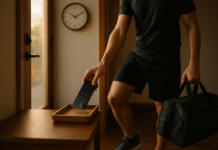


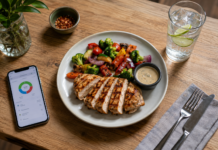
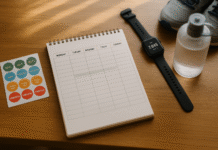






















Showing up gets easier when you’re not doing it alone. Building Accountability with Workout Buddies and Communities means using social support—partners, small groups, and clubs—to turn intentions into routines. In simple terms: an accountability partner or community nudges you to plan, show up, and keep going even when motivation dips. Research backs this up: social support interventions help adults increase physical activity, and global guidelines still point to 150–300 minutes of moderate activity per week plus strength work on 2 days.
Quick start: pick a partner, agree on a specific weekly schedule, choose a shared tracker, set a 10-minute “no-flake” rule, and debrief each week for 10 minutes to adjust. Do that for four weeks, then reassess.
Brief note: This guide offers general fitness education, not medical advice. If you have health conditions, consult a qualified professional before changing your exercise routine.
1. Choose the Right Partner (or Group) for Your Goal and Schedule
The fastest way to make accountability work is to match with someone whose constraints and style fit yours. A great workout buddy isn’t just enthusiastic; they share similar training goals (e.g., fat loss, strength, 5K), availability (days/times), and preferred environments (gym, outdoors, home). They communicate clearly, tolerate schedule hiccups, and are comfortable giving and receiving feedback. Social support works best when it’s consistent and aligned—what researchers call “supportive accountability,” where reliability and expectations are explicit, not assumed. In practical terms: you both know what “showing up” means, how to handle late arrivals, and what counts as a completed session. This alignment keeps friction low and builds momentum week over week.
1.1 How to do it
- Clarify the goal: name a 6–8 week target (e.g., “3 full-body sessions/week” or “run 20 km/12 mi per week”).
- Define constraints: list earliest/latest start times, commute/logistics, and gym/home/park preference.
- Agree on formats: circuits, partner EMOMs, runs, or classes—choose 1–2 defaults.
- Set a fallback: if one can’t make it, the other completes a 20–30 minute alternative and sends proof.
1.2 Common mistakes
- Choosing a much stronger/weaker partner (leads to mismatch, frustration).
- Vague goals (“get fitter”) and vague times (“evenings sometime”).
- Overcommitting more than 10–20% above your current baseline.
Synthesis: Treat partner selection like hiring a teammate; the right fit reduces friction so consistency can compound.
2. Write a Simple Buddy Pact: Roles, Rules, and Receipts
Accountability is stronger when expectations are written down. A “buddy pact” is a one-page agreement covering schedule, check-in method, and what counts as a completed session. This turns social support into a predictable system rather than a loose intention. Include a “receipt” rule: after each session, share a quick proof (photo of watch summary, app screenshot, or short voice note). Supportive-accountability research shows that clear expectations plus evidence of follow-through increases adherence in tech-mediated programs—your pact replicates that in real life.
2.1 Mini-checklist (copy/paste)
- Schedule: days/times, 4–8-week block, planned deload week.
- Proof (“receipt”): what you’ll share, where (e.g., WhatsApp/Signal), within how many hours.
- Grace rules: one reschedule allowed per week; “10-minute rule” (start without me if I’m late).
- Escalation: if one person misses 2 of 3 planned sessions, trigger a 15-minute reset call.
- Exit/renewal: reassess at week 6–8; renew or switch formats.
2.2 Tools/Examples
- Habit contracts: Beeminder, StickK, or a shared Google Doc.
- Messaging: WhatsApp, Telegram, Signal with pinned message of the pact.
- Calendaring: shared Google Calendar with alerts 12 and 2 hours prior.
Synthesis: A pact removes ambiguity, making it easier to keep promises—and easier to kindly course-correct when life happens.
3. Track Together: Leaderboards, Streaks, and Shared Data
Shared tracking turns invisible effort into visible momentum. When buddies or groups view the same dashboards—steps, minutes, heart-rate zones, or workouts logged—it creates gentle pressure to show up and a shared language for progress. Community-level evidence supports social approaches to raise physical activity, and modern apps make it easy: Strava clubs and segments, Garmin/Apple Fitness sharing, Fitbit challenges, or Google Fit journals. Gamified challenges, in particular, can reliably bump activity; large-scale analyses of walking competitions report ~23% average increases in daily steps during challenges. Used thoughtfully, these features nudge attendance without shaming.
3.1 Numbers & guardrails
- Streak caps: don’t chase infinite streaks—cap a streak “season” at 30–90 days, then reset.
- Privacy: review app privacy settings; choose friend-only sharing if you prefer.
- Fair metrics: minutes or sessions often level the field better than pure distance/weight lifted.
3.2 Tools/Examples
- Strava club: weekly leaderboards by time or distance; post a Friday recap.
- Fitbit/Apple challenges: 7-day step or “activity ring” challenges.
- Shared sheets: a simple Google Sheet with columns for date, session type, RPE (1–10), and notes.
Synthesis: Shared data builds transparency; used with empathy, it boosts consistency without turning fitness into a competition you didn’t sign up for.
4. Program the Partnership: Formats That Make Showing Up Automatic
The best buddy plan is one you can run on autopilot. Pre-select 1–2 reliable templates so you don’t burn willpower deciding what to do. For strength goals, use partner-style EMOMs (Every-Minute-On-the-Minute) or alternating supersets. For conditioning, try conversational-pace runs or row/bike intervals. For home setups, pair circuits with bodyweight plus resistance bands. Keep progression simple: add 1–2 reps, 2.5–5 kg (5–10 lb), or 30–60 seconds total work each week unless form suffers. Align with global guidelines by ensuring you cover at least 150–300 minutes of moderate-intensity activity weekly and two days of muscle strengthening.
4.1 Sample partner week
- Mon (40–50 min): Full-body EMOM x 30–36 min (hinge, push, squat, core) + 10–15 min easy cardio.
- Wed (35–45 min): Intervals: 6–10 × 60s brisk / 60s easy (run/row/bike) + mobility.
- Fri (40–50 min): Strength circuits: 3 rounds of 4 moves, RPE 6–8, plus carries.
- Sat/Sun (30–90 min): Optional community session: parkrun, hike, or long walk.
4.2 Common mistakes
- New plan every week (fatiguing).
- Too much intensity too soon; aim for RPE 6–8 on work sets.
- Ignoring recovery: plan 1 deload week every 4–8 weeks.
Synthesis: Default templates reduce decision fatigue; small, steady progressions keep both partners improving without drama.
5. Add Gamification and Small Stakes (Without Toxic Pressure)
Game elements—points, levels, streaks, and small rewards—can make training feel more like play, especially in groups. Evidence shows that adding competitive or cooperative challenges can lift physical activity during the challenge window; one large dataset found average step counts increased ~23% in app-based walking competitions. Newer research suggests combining social and monetary incentives, or tailoring incentives by a person’s social support level, can further improve engagement in some contexts. The key is to keep stakes small and prosocial, rewarding showing up consistently rather than punishing misses. BioMed Central
5.1 How to do it
- Micro-rewards: coffee after Saturday sessions; winner picks the route/playlist.
- Challenge cycles: 2–4 weeks on, 1 week off; rotate focus (attendance, minutes, mobility).
- Co-op goals: team step totals or “collective minutes” to unlock a shared treat.
5.2 Guardrails
- Avoid outcome shaming; celebrate process metrics (sessions, effort).
- Keep prizes symbolic; large monetary stakes can backfire for some groups.
- Reset regularly to prevent burnout and “streak anxiety.”
Synthesis: Light gamification and tiny stakes create novelty and momentum—when they serve community, not ego.
6. Join a Community That Fits Your Vibe (Clubs, Classes, and Open Groups)
Buddies are great; a community multiplies the effect. Group-based social support interventions have strong evidence for increasing adult physical activity—think run clubs, walking groups, CrossFit/functional fitness boxes, martial arts schools, or cycling collectives. Communities provide structure (set times), norms (we start at 6:15 a.m.), and identity (I’m a Tuesday-ride person), which help habits stick. Look for beginner-friendly on-ramps, inclusive coaching, and clear progression. Public-health bodies recommend community approaches because they reliably improve physical activity and fitness markers across diverse adult populations.
6.1 Where to find them
- Local: running stores, parkrun, community centers, YMCAs, university rec programs.
- Digital: Strava clubs, Facebook/Reddit subcommunities, Discord groups.
- Workplace: wellness committees, step challenges, lunchtime walking groups.
6.2 What to check before you commit
- Coaching & safety: beginner track? injury triage norms?
- Culture: welcoming to all ages, sizes, and speeds?
- Logistics: location, start time, fees, and cancellation policy.
Synthesis: The right community adds structure and identity—two levers that make consistency feel like belonging, not obligation.
7. Establish Communication Rhythms and Repair Protocols
Accountability isn’t just about reminders—it’s about relationships. Build predictable communication rhythms so coordination doesn’t derail you. Use a weekly 10–15 minute “retro” to review what worked, what didn’t, and what to change. Set a standard for same-day confirmations and a graceful reschedule process. If someone flakes repeatedly, invoke the pact’s repair protocol: name the pattern, restate goals, and adjust intensity, time, or format. This is how you maintain supportive accountability—reliability plus kindness—so the system survives normal life turbulence.
7.1 Mini-checklist
- Daily: confirm T-12/T-2 hours; share gym/park ETA.
- Session end: post “receipt” (screenshot, photo, or 20-second voice note).
- Weekly retro: attendance %, RPE trends, any aches, next week’s tweaks.
7.2 Common pitfalls
- Silent cancellations; fix with a two-tap “can’t make it / doing fallback plan” template.
- Only talking when things go wrong; add “wins” to every retro.
- Overcorrecting (adding too much volume) after a missed week; return at 80–90% and rebuild.
Synthesis: Clear rhythms and repair habits keep the partnership resilient, so one bad week doesn’t become a bad month.
8. Measure What Matters: Accountability KPIs You Can Actually Control
What gets measured nudges behavior—so pick metrics you fully control. Attendance rate (sessions completed ÷ sessions planned) is the master KPI. Add session quality via RPE (1–10) and a simple “progress note” (“+2 reps on goblet squat,” “ran the hill without stopping”). Review rolling four-week trends, not single sessions. This mirrors how public-health guidelines frame activity: total weekly minutes and regular strength days, not perfect days. By tracking controllable KPIs, you translate global recommendations into personal behaviors you can repeat.
8.1 Example (4-week block)
- Plan: 12 sessions total (3/week).
- Completed: 10/12 → 83% attendance (green).
- Strength: added 2.5 kg (5 lb) to press; 1 extra run interval.
- Note: Week 3 sleep <6 h; scaled intensity to RPE 6–7.
8.2 Dashboard options
- Shared Google Sheet with auto-percent formulas.
- Notion template with session tags and weekly summaries.
- Fitness apps with weekly “time in zone” and “minutes active” charts.
Synthesis: Measuring attendance and perceived effort keeps focus on the behaviors that compound, not chasing volatile outcomes.
9. Plan for Real Life: Travel, Weather, and Cultural Calendars
Accountability sticks when your system respects the calendar you actually live with. Build “Plan B” menus for travel (hotel-room circuits, band kits), extreme heat/cold (indoor cardio, early-morning sessions), and busy seasons (school exams, fiscal year-end). In South Asia and the Middle East, many groups shift training times during Ramadan—early mornings or after iftar; in humid monsoon months, sunrise walks/runs in parks become popular. Communities can also help you navigate local infrastructure—safe parks, walking tracks, and women-only class options—so the habit stays inclusive. Design around your context; the best accountability system is the one you’ll follow on your toughest week. (Global inactivity remains high—about 31% of adults—so right-sizing your plan to your life is mission-critical.)
9.1 Region-smart adjustments
- Heat & humidity: prioritize shade, hydration, and earlier starts; reduce intensity by 5–10 bpm HR or 1 RPE when dew point is high.
- Ramadan/fasting: shift resistance training closer to feeding windows; keep sessions 20–40 minutes with longer rest.
- Travel: pack bands/jump rope; schedule “10-minute minimums” and accept maintenance weeks.
9.2 Community resources
- City Facebook groups for walking/running routes.
- Gym class WhatsApp groups to coordinate ride-shares and buddy pairings.
- Parkrun or local rec-center bulletin boards for open groups.
Synthesis: Anticipate rough patches, then make the easy path the default—your buddies and communities will carry you through.
FAQs
1) What’s the simplest way to start an accountability partnership?
Pick one person you trust, set a 4–8 week target (e.g., “3 sessions/week”), choose two session formats you both like, and agree on a proof rule (screenshot or photo after every workout). Put it in a one-page pact and schedule a weekly 10-minute retro. This keeps expectations explicit and sustainable.
2) Do groups work better than a single buddy?
It depends on personality. Groups add structure and identity (set times, social norms), which many people find motivating; a single buddy offers flexibility and deeper mutual support. Evidence supports social support interventions broadly for adults, so choose the format you’ll attend consistently rather than the one that sounds ideal on paper.
3) How much exercise do adults actually need?
Global and national guidelines recommend 150–300 minutes/week of moderate aerobic activity (or 75–150 minutes vigorous), plus muscle-strengthening on 2 days. Treat these as weekly totals you can divide across your schedule with your buddy or group.
4) Is there hard evidence that a buddy increases gym attendance?
Yes. A 2024 field experiment in Management Science found that participants who only earned a reward when they visited the gym with a friend increased weekly visits by ~35% compared with a standard individual reward. The authors attribute part of the effect to increased accountability and enjoyment.
5) Won’t leaderboards and competition discourage beginners?
They can—if misused. Favor cooperative goals and process metrics (minutes, sessions) over winner-takes-all ranking. When used thoughtfully, gamified challenges can nudge activity upward during the challenge (e.g., ~23% average step increases in walking competitions), but the design and culture matter.
6) What if our schedules don’t line up?
Use an “overlap window” (e.g., Mon/Wed/Fri 6–8 a.m.) and a “same-day start” rule: if one can’t make the exact time, both still complete the same session separately and share proof within 12 hours. You still get accountability without constant rescheduling.
7) How do we handle injuries or low-energy weeks?
Scale load and intensity (reduce weight 10–30%, keep RPE ≤6), swap high-impact for low-impact cardio, and shorten sessions to 20–30 minutes. Keep the check-in rhythm so the habit channel stays open; resume normal loads gradually after symptoms resolve or a clinician clears you.
8) Are online communities as effective as in-person groups?
They can be, especially for logging, feedback, and scheduling. Many people combine both: online tracking plus one weekly in-person session. The mechanism is support and visibility—if your digital group reliably provides that, it helps. Ensure privacy settings and community norms feel safe to you.
9) What metrics should we track together?
Start with attendance rate, weekly minutes, and two strength indicators (e.g., push-ups or a squat variation). Add RPE to keep intensity honest, and a quick note about sleep or stress. Review trends every four weeks and adjust.
10) How do communities support safety and inclusion?
Good communities offer beginner tracks, coach supervision, warm-ups/cool-downs, and clear scaling options. They also maintain inclusive norms: welcoming language, flexible pacing, and options for religious/cultural schedules. These factors make it easier—and safer—to stick with activity over the long term.
Conclusion
Accountability thrives on clarity, visibility, and kindness. When you match with the right partner, write a simple pact, and track together, you make it easier to show up whether you’re motivated or not. A community adds structure and identity—regular start times, friendly faces, shared progress—that transforms “I should work out” into “this is what we do.” Gamification and small stakes keep things playful; repair protocols and region-smart planning make the system resilient when life gets hectic. Most importantly, you measure what you control—attendance, minutes, and effort—so progress compounds without perfection. Choose one strategy from this guide and implement it for the next four weeks. Your next workout is a promise to your partner—and to yourself. Text a buddy now and book your next session.
References
- Physical Activity: Social Support Interventions—Community Settings, The Community Preventive Services Task Force (CPSTF), accessed August 2025. The Community Guide
- World Health Organization 2020 Guidelines on Physical Activity and Sedentary Behaviour, WHO/Br J Sports Med, 2020. PMC
- Adult Activity: An Overview—Physical Activity Basics, Centers for Disease Control and Prevention, Dec 20, 2023. CDC
- Friends with Health Benefits: A Field Experiment, Management Science, Apr 17, 2024. INFORMS Pubs Online
- Friends with Health Benefits: A Field Experiment (working paper summary), SSRN, 2024. SSRN
- How Gamification Affects Physical Activity: Large-scale Analysis of Walking Challenges in a Mobile Application, arXiv (Shameli et al.), 2017. arXiv
- The Assessment of Supportive Accountability in Adults Using Technology-Mediated Obesity Interventions, Translational Behavioral Medicine, 2020. PMC
- Physical Activity—Fact Sheet, World Health Organization, June 26, 2024. World Health Organization
- Strategies for Physical Activity Through Community Design, Centers for Disease Control and Prevention, Jan 17, 2025. CDC