



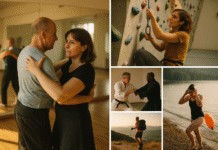

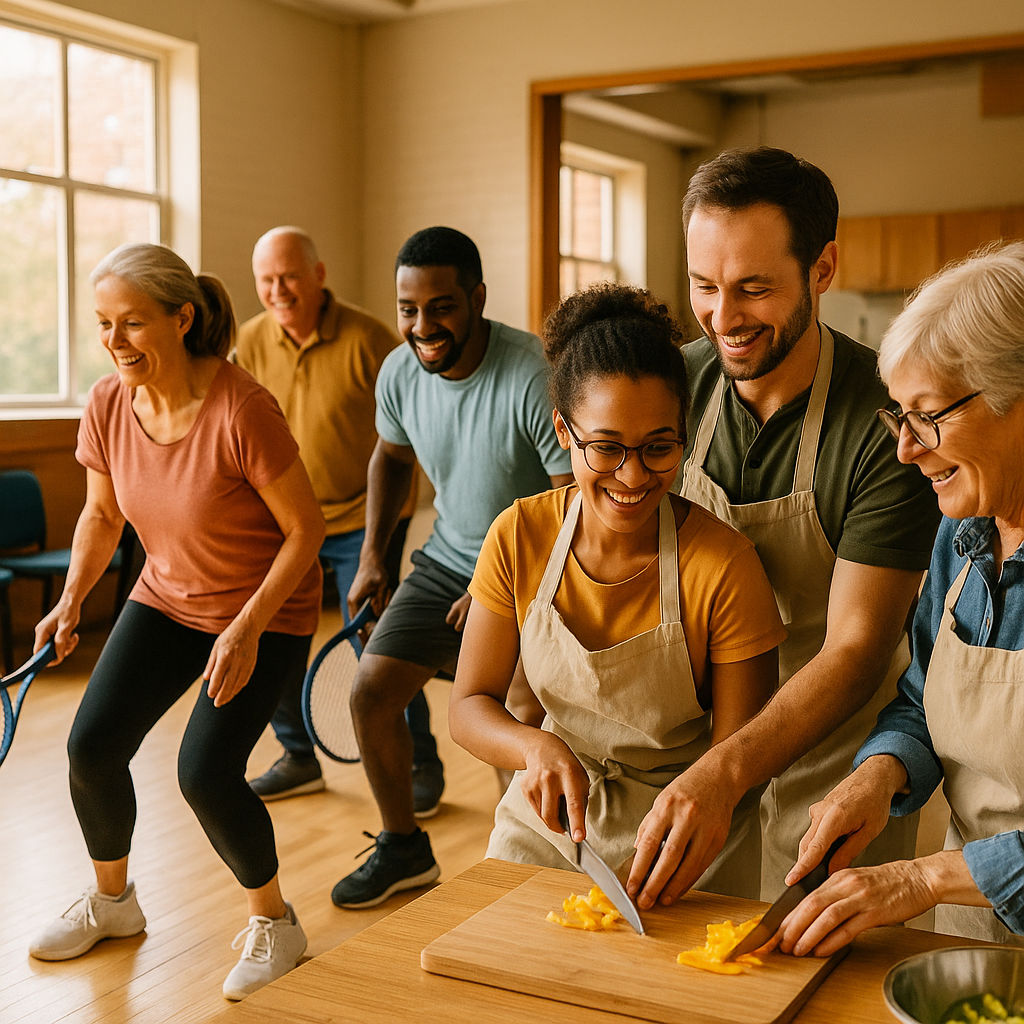
A healthy life is a learned life. When you keep learning—new sports, cooking techniques, languages, instruments—you challenge your brain and body to adapt, building strength, coordination, memory, and confidence. This article shows 12 practical ways to make lifelong learning your engine for energy and resilience. You’ll get step-by-step guidance, realistic numbers, and concrete tools, whether you’re returning to movement after a break or looking to sharpen mental performance at work. In one sentence: lifelong learning is the habit of regularly acquiring skills that stretch your mind and body in small, sustainable increments. As with any health-related change, this guide is educational only; if you have a medical condition, consult a qualified professional before starting a new activity.
Quick start (5 steps):
- Pick one skill that excites you (e.g., swimming, sourdough, beginner yoga).
- Schedule two 30–60 minute sessions this week.
- Use a structured plan (class, app, or coach) and set a tiny metric (e.g., 10 laps, 1 recipe).
- Reflect for 5 minutes after: What improved? What felt hard? What’s next?
- Stack it onto an existing routine (after work on Tue/Thu).
1. Learn a New Sport to Rewire Movement and Motivation
Starting a new sport gives immediate, tangible learning loops that strengthen both body and brain. The first 4–6 weeks of practice typically yield rapid gains from neuromuscular adaptation: better balance, timing, and motor control even before large changes in muscle size. That fast feedback builds motivation, which research shows is a key predictor of adherence. Pick something with clear skills—swimming strokes, tennis serves, martial arts forms—so you can log reps, see progress, and celebrate small wins. For mental health, sport adds social connection and structured goals, two potent buffers against stress and anxiety. And unlike generic gym routines, technical sports keep curiosity high; there’s always a next skill to unlock.
1.1 Why it matters
- Motor learning improves coordination, proprioception, and reaction time, reducing injury risk in daily life.
- Cognitive engagement—rules, tactics, and split-second decisions—builds attention and working memory.
- Intrinsic motivation grows as you master novel skills, helping you stick with movement long-term.
1.2 How to do it
- Choose a skill-forward sport: swimming, tennis, badminton, table tennis, climbing, martial arts, rowing.
- Book 1–2 beginner sessions/week: 45–60 minutes with a coach or structured class.
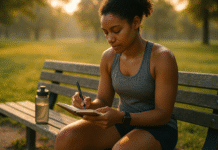
- Track one metric per session: e.g., 50 forehand reps, 10×25 m kick sets, 3 bouldering problems.
1.3 Numbers & guardrails
- Start with 90–120 minutes/week (two sessions) and add 10–15% time every 2–3 weeks.
- Use RPE 6–7/10 (challenging but conversational) for most practice; add short RPE 8 bouts sparingly.
- Deload 1 week every 6–8 weeks to consolidate skills and prevent overuse.
Synthesis: A skill-based sport turns exercise into a learning game, making consistency easier because progress is visible and rewarding.
2. Build Physical Literacy with Movement Foundations
Physical literacy—competence and confidence across fundamental movements—makes every activity more approachable. Many adults skip the basics and jump to advanced workouts; the result is frustration and plateaus. Invest 6–8 weeks in hinges, squats, pushes, pulls, carries, and gait drills. You’ll improve posture, joint control, and power transfer, which carry over to sports and daily tasks. This is not bodybuilding; it’s coordination-first strength that teaches your nervous system to sequence movement efficiently. Expect to feel steadier on stairs, more explosive in short sprints, and more resilient during long days on your feet.
2.1 Mini-checklist (3×/week, 25–40 minutes)
- Hinge: hip hinge + dowel cue, then Romanian deadlift variations.
- Squat: box squat to full depth you can control; tempo 3-1-2 (down-hold-up).
- Push/Pull: incline push-ups, half-kneeling rows (slow eccentrics).
- Carry: suitcase carry (20–40 m/side) for anti-tilt core strength.
- Gait: A-skips/B-skips or marching drills for rhythm and posture.
2.2 Tools/Examples
- Apps with video form checks; resistance bands; a light kettlebell (8–16 kg) for hinges and carries.
- Film 10-second clips to compare Day 1 vs. Week 4; adjust tempo and range.
Synthesis: When you “learn how to move,” every future sport, class, or hike becomes safer and more satisfying.
3. Learn to Cook for Nutrition Literacy and Autonomy
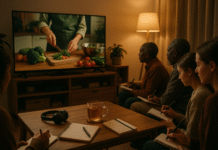
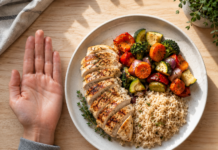
Cooking is the ultimate body-and-mind skill: you plan, estimate, problem-solve, and then eat the results. Mastering 10–12 staple recipes covers 80% of weekday meals and typically improves diet quality—more vegetables, fiber, and lean proteins—without rigid rules. Knife skills, heat control, and batch-cooking logistics also save time and money. For brain health, choosing recipes, scaling portions, and flavor balancing all work executive function. And home cooking correlates with lower ultraprocessed food intake, which supports energy levels and weight management.
3.1 How to do it
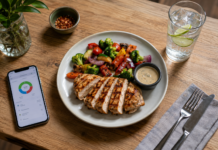
- Build a “Power Dozen” menu: 3 breakfasts, 4 lunches, 5 dinners (e.g., dal + roti, tray-bake salmon, chickpea salad, veggie omelet).
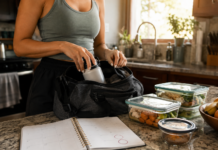
- Batch cook 1–2 items/week: legumes, grains, roasted vegetables; refrigerate 3–4 days, freeze up to 2–3 months.
- Knife practice: 10 minutes/session—rock chop, julienne, brunoise—using a safe claw grip.
3.2 Numbers & guardrails
- Aim for 20–30 g protein/meal, 25–35 g fiber/day, and 2–3 servings of vegetables/day as practical baselines.
- Keep sodium ~2,000 mg/day unless medically advised otherwise; taste with acids (lemon, vinegar) before more salt.
Synthesis: Cooking converts nutrition advice into a learnable routine you can execute on autopilot, freeing willpower for bigger goals.
4. Train Attention with Mindfulness as a Learnable Skill
Mindfulness is not just “relaxing”—it’s systematic attention training that improves focus, emotion regulation, and stress recovery. Treat it like learning a language: frequent, short sessions beat sporadic marathons. Over 6–8 weeks, many beginners notice better impulse control and clearer thinking under pressure. The practice also pairs well with physical skill learning because it heightens interoception (sensing internal signals like breath and tension), making technique cues click faster.
4.1 How to do it
- Start with 8–10 minutes/day, 5–6 days/week; sit comfortably, eyes soft, focus on breath or sounds.
- When distracted, label: “thinking, planning, itching,” then gently return.
- Once/week, do a mindful walk (10–15 minutes) focusing on footfall, posture, and surroundings.
4.2 Numbers & guardrails
- Use a 1–10 restlessness rating pre- and post-session; aim for a 1–2 point drop.
- After 2 weeks, add 1–2 “pause breaths” before meals or meetings to carry practice into life.
Synthesis: By learning to direct your attention on purpose, you make every other learning session more efficient and less stressful.
5. Dance or Music Lessons for Coordination and Cognitive Reserve
Dance and music tax multiple brain networks at once: timing, sequencing, auditory-motor integration, and memory. That “whole-brain workout” improves coordination and may contribute to cognitive reserve—the brain’s ability to cope with age-related changes. For the body, dance builds power, elasticity, and footwork; music lessons refine fine-motor control and rhythm that carries into sports. Both create emotionally rich practice sessions, which boosts adherence.
5.1 Tools/Examples
- Dance: beginner salsa, hip-hop foundations, Bharatanatyam adavus, or contemporary basics.
- Music: digital piano + graded method (e.g., Alfred’s), guitar with 10-minute chord drills, or voice lessons for breath and posture.
5.2 Mini case
- 12-week cycle: 2×/week class + 1 practice at home (20–30 minutes). Record combos/riffs weekly. Expect first-month awkwardness; by weeks 5–8, fluency grows; by week 12, perform a short routine or piece for friends.
Synthesis: Artistic skills layer cognitive challenge onto movement, building both grace and grit.
6. Language Learning to Stretch Memory and Executive Function
Learning a new language requires sustained attention, working memory, and pattern recognition. Daily micro-sessions (10–20 minutes) plus weekly conversation reps produce compounding gains. For brain health, language study is a structured way to practice retrieval (pulling words from memory) and task-switching (grammar vs. vocabulary vs. pronunciation). It also expands social worlds, which protects mental well-being.
6.1 How to do it
- Daily loop (15 minutes): spaced-repetition flashcards (5 minutes), listening shadowing (5 minutes), one mini speaking prompt (5 minutes).
- Weekly (60–90 minutes): language exchange or tutor; focus on high-frequency phrases tied to your life.
- Build a phrase bank of 100 sentences you actually use; record yourself monthly for feedback.
6.2 Numbers & guardrails
- Expect A1→A2 in ~120–200 guided hours; A2→B1 may take 200–350 hours depending on language distance.
- Track comprehensible input minutes/week; aim for 120–150 minutes of listening by month 2.
Synthesis: Language learning makes memory a daily gym session and opens doors to community and travel.
7. Cognitive Play: Strategy Games, Coding, and Puzzles with Purpose
Not all brain games are equal. Choose cognitively demanding activities with real-world transfer: chess or Go for pattern recognition, bridge or mahjong for working memory and cooperation, or programming challenges for logic and decomposition. The key is deliberate practice: define a weakness, design drills, and get feedback. Pair cognitive play with physical breaks (e.g., 25/5 Pomodoro) to avoid mental fatigue.
7.1 How to do it
- Chess/Go: study one tactical motif/day (pins, forks, life-and-death) and play 2 slow games/week with post-game analysis.
- Coding: pick a project (habit tracker, recipe scaler) and write 100–200 lines/week; code review with a buddy.
- Puzzles: prioritize varied difficulty and formats (crossword, KenKen, logic grid) to avoid plateau.
7.2 Numbers & guardrails
- Aim for 3–4 sessions/week, 30–45 minutes each.
- Track one metric: puzzle accuracy %, ELO rating change, completed features.
Synthesis: Cognitive play strengthens mental models you can apply at work and in daily decision-making.
8. Strength + Skill: Kettlebells, Gymnastics Basics, or Rowing Technique
Blending strength with technical skill delivers powerful learning dividends. Kettlebell swings teach hip hinging and power; gymnastics basics (hollow/arch, scapular control) sharpen body lines and shoulder stability; rowing technique integrates breath, rhythm, and sequencing. Each session is a class in motor control and force production, with clear checkpoints for form.
8.1 How to do it
- Kettlebell block (6 weeks): learn deadlift → swing → clean. Sessions 3×/week, 25–35 minutes.
- Gymnastics block: daily 8–12 minute “prehab” (scap pull-ups, wall slides, hollow holds).
- Rowing: 2 technique sessions/week; rate 18–22 spm; film from the side to check catch/drive/finish.
8.2 Numbers & guardrails
- Keep most sets at RPE 6–7; end with 1–2 crisp sets at RPE 8 only if form is pristine.
- Cap volume early: 60–100 quality swings/session or 10–15 minutes of easy rowing technique.
Synthesis: Strength-plus-skill sessions teach your brain to organize power safely and efficiently.
9. Outdoor Skills: Hiking, Orienteering, and Nature Literacy
Outdoor skills layer problem-solving and environmental awareness onto movement. Navigation, pacing, and terrain reading sharpen attention while steady-state efforts build aerobic capacity. Time in green spaces is linked with lower stress and better mood. Start with easy local trails and basic map/compass skills, then scale distance and elevation. The learning is satisfying because the environment provides immediate feedback—miss a turn and you correct in real time.
9.1 How to do it
- Hike practice: 1–2 outings/week, 60–120 minutes; track distance, elevation gain, and moving time.
- Navigation basics: learn topographic map symbols, orient a map with a compass, and follow a bearing.
- Nature literacy: identify 5 local trees and 5 birds; log sightings with a citizen-science app.
9.2 Region-specific note
- In hot climates, schedule dawn/dusk hikes; carry 0.5–1 L water per hour and add electrolytes on humid days. Respect local regulations and trail closures.
Synthesis: Outdoor learning builds fitness while restoring attention and deepening your connection to place.
10. Social Learning: Classes, Clubs, and Accountability
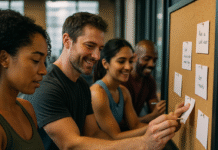
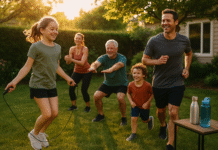
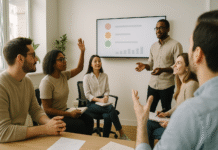
Humans learn best together. Group classes and clubs give you structure, feedback, and friendly competition. They also reduce the friction of planning—just show up and follow the session. Social ties increase persistence; you’re more likely to attend when someone expects you. Choose communities with beginner pathways and clear progression so you always know your next step.
10.1 How to do it
- Join a learners’ circle: 4–6 people, 6–8 weeks, weekly check-ins. Rotate “show & teach” segments.
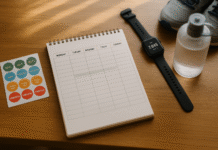
- Use a shared dashboard (simple spreadsheet or app) logging session dates, time-on-task, and one metric.
- Celebrate process milestones (first 1,000 words in a language log, first 5K hike) with small rewards.
10.2 Common mistakes
- Chasing advanced groups too soon.
- Joining communities that emphasize outcomes (times, weights) over technique and safety.
- Overcommitting (>4 new skills at once); cap at 1–2 to protect recovery.
Synthesis: The right learning community makes practice inevitable and fun.
11. Self-Directed Study Systems: MOOCs, Micro-Credentials, and Playlists
Online courses and micro-credentials can be powerful if you treat them like a real class. Skim-lessons don’t stick; spaced, active engagement does. Build a weekly cadence with deadlines, quizzes, and notes. Apply lessons in a personal project (e.g., a nutrition mini-course → redesign your weekly menu). The goal is transfer: what changed in your life because of the course?
11.1 How to do it
- Set a cadence: 2–3 study blocks/week, 45–60 minutes each; calendar them.
- Active recall: after each lesson, write 5 bullet takeaways and one question to explore.
- Project-based learning: apply each module to a micro-project; publish a one-page summary.
11.2 Numbers & guardrails
- Limit to one course at a time; finish in 4–8 weeks.
- If you miss 2 consecutive sessions, reassess scope; halve the plan to regain momentum.
Synthesis: A light but disciplined study system converts “I should learn that” into action you can see.
12. Teach What You Learn to Cement Knowledge
Teaching is the highest form of learning because it forces organization, retrieval, and empathy. When you explain a concept or coach a beginner, gaps appear—and you fill them. This feedback loop deepens mastery and boosts confidence. Teaching also creates community impact; sharing recipes, technique cues, or a favorite hiking route multiplies the benefits of your learning.
12.1 How to do it
- Start a learning log: once/week, post a 200-word summary or 3-minute demo video.
- Offer a buddy session: teach a friend your top 3 beginner tips (safety first).
- Create a one-page cheat sheet for the next person, with cues, reps, and one common mistake.
12.2 Mini case
- After 8 weeks of beginner tennis, you compile a “First 10 Sessions” guide with footwork squares, split-step timing, and serve toss drills. Sharing it clarifies your own technique and sparks new goals.
Synthesis: When you teach, you learn twice—and your community learns with you.
FAQs
1) What is “lifelong learning for a healthy mind and body,” exactly?
It’s the practice of regularly acquiring or refining skills that challenge both cognition and movement—like picking up a new sport, cooking repertoire, language, or musical instrument. The goal is not constant hustle but steady, sustainable growth. You deliberately schedule small practice blocks, track a simple metric, and reflect so the learning sticks and translates into better mood, energy, and resilience.
2) How many new skills should I work on at once?
Most people thrive with one physical skill and one cognitive/creative skill at a time. That balance prevents overload, protects recovery, and keeps motivation high. As a rule of thumb, cap total weekly learning sessions at 4–6 (30–60 minutes each) and reassess every 6–8 weeks. If stress or sleep dips, scale back rather than pushing through.
3) I’m completely new to exercise—where should I start?
Begin with movement foundations (hinge, squat, push, pull, carry, gait) and easy aerobic work like walking or cycling. Add a beginner class in a skill-forward sport that interests you, and keep intensity modest (RPE 6–7). Your first goal is consistency and technique, not maximal effort. If you have medical conditions, get clearance from your health provider.
4) How do I avoid injury when learning a new sport?
Use coaching or structured programs, progress volume gradually (about 10–15% every 2–3 weeks), and prioritize form. Respect early signs of overload—persistent soreness, sleep disruption, or nagging joint pain. Build in a deload week every 6–8 weeks and cross-train light activities (mobility, easy cycling) during recovery days.
5) Can older adults benefit as much as younger people?
Yes. Neuroplasticity persists across the lifespan, and older adults often see large functional gains from skill-based training like balance, coordination, and strength. Choose lower-impact options (swimming, Tai Chi, dance, resistance bands) and keep sessions shorter initially. Social classes add motivation and cognitive challenge, making them perfect for later-life learning.
6) What if I have limited time?
Micro-learning works. Ten to twenty minutes/day can be enough if you keep it focused and repeatable. Try a 15-minute language loop, a 25-minute kettlebell technique block, or a 10-minute knife-skills drill. Use habit stacking—attach the new session to an existing routine such as after your morning coffee or right after work.
7) How do I know learning is “working”?
Track one behavior or performance metric per skill: number of quality reps, time-on-task, heart-rate zones, a puzzle accuracy percentage, or a weekly recipe count. Look for trend lines over 4–6 weeks rather than day-to-day swings. Subjective markers—mood, sleep quality, energy—matter too; note them briefly in your log.
8) Are brain-training apps worth it?
They can be a useful warm-up but should not replace complex, meaningful learning. Prioritize activities with real-world transfer: languages, music, strategy games, culinary skills, or technical sports. If you use apps, focus on spaced repetition, deliberate practice, and feedback; limit time to 10–15 minutes as part of a broader learning plan.
9) How do I combine learning with weight loss or body composition goals?
Learning skills that shape routines—like cooking and strength technique—tend to support nutrition and activity habits. Keep a light calorie deficit if medically appropriate, but avoid aggressive restrictions that impair recovery. Skills-first training maintains muscle, supports energy expenditure, and makes active living enjoyable, which helps weight management stick.
10) What equipment do I actually need to begin?
Very little. For movement foundations: a resistance band, a kettlebell or backpack, and a mat. For cooking: a sharp chef’s knife, cutting board, and a skillet or pot. For languages or music: a smartphone app, notebook, and a basic instrument if relevant. Start with what you have; upgrade only when your practice proves consistent.
11) How can I stay motivated after the initial excitement fades?
Motivation follows progress. Set tiny, visible targets (reps, minutes, melodies), keep a simple log, and schedule social sessions. Rotate focus every 6–8 weeks to keep novelty. Celebrate process milestones publicly—posting a short update or sharing a mini-lesson reinforces identity as “a learner,” which sustains long-term engagement.
12) Is mindfulness necessary if I’m already active?
It’s a force multiplier. Attention training helps you absorb coaching cues, regulate nerves during new challenges, and recover faster from stress. Even 8–10 minutes/day can make technical practice smoother and decisions clearer. Think of mindfulness as the glue that holds your learning plan together.
Conclusion
Lifelong learning is not a side quest; it’s the operating system for thriving. When you pick skills that stretch both mind and body—whether that’s a beginner sport, a cooking repertoire, dance steps, or a new language—you create a flywheel: better focus leads to better practice, which leads to better results, which feeds identity and motivation. The key is structure without rigidity: schedule small sessions, track one metric, and reflect briefly so each week brings a noticeable gain. Keep your load appropriate, honor recovery, and lean on communities that support beginners and celebrate progress. Over time you’ll feel stronger, clearer, and more connected—not because you chased outcomes, but because you learned how to enjoy the process.
CTA: Pick one skill from this list, schedule two sessions this week, and log your first rep—your lifelong learning journey starts now.
References
- Physical Activity — World Health Organization (Fact sheet, October 2022). https://www.who.int/news-room/fact-sheets/detail/physical-activity
- Benefits of Physical Activity — Centers for Disease Control and Prevention (Reviewed June 2024). https://www.cdc.gov/physicalactivity/basics/pa-health/index.htm
- Cognitive Reserve and Aging — Yaakov Stern, Lancet Neurology, 2012. https://pubmed.ncbi.nlm.nih.gov/22707604/
- Mindfulness-Based Stress Reduction (MBSR) and Health Benefits — National Center for Complementary and Integrative Health (Updated 2024). https://www.nccih.nih.gov/health/mindfulness
- Healthy Eating for a Healthy Weight — Centers for Disease Control and Prevention (Reviewed 2024). https://www.cdc.gov/healthyweight/healthy_eating/index.html
- Sleep and Health — Centers for Disease Control and Prevention (Reviewed 2024). https://www.cdc.gov/sleep/about_sleep/sleep_and_health.html
- The Health Benefits of Learning — OECD, Skills Outlook (2019). https://www.oecd.org/education/oecd-skills-outlook-2019-76f9763d-en.htm
- Exercise and the Brain: How Fitness Impacts Learning — Harvard Medical School, Healthbeat (2016; reviewed periodically). https://www.health.harvard.edu/mind-and-mood/exercise-and-the-brain
- Learning Languages: Guidelines and Levels — Council of Europe, CEFR (Accessed 2025). https://www.coe.int/en/web/common-european-framework-reference-languages/level-descriptions
- Art and Brain Health: Dance as Exercise — American Council on Exercise (ACE) (2021). https://www.acefitness.org/education-and-resources/lifestyle/blog/7805/dancing-your-way-to-better-health/