


























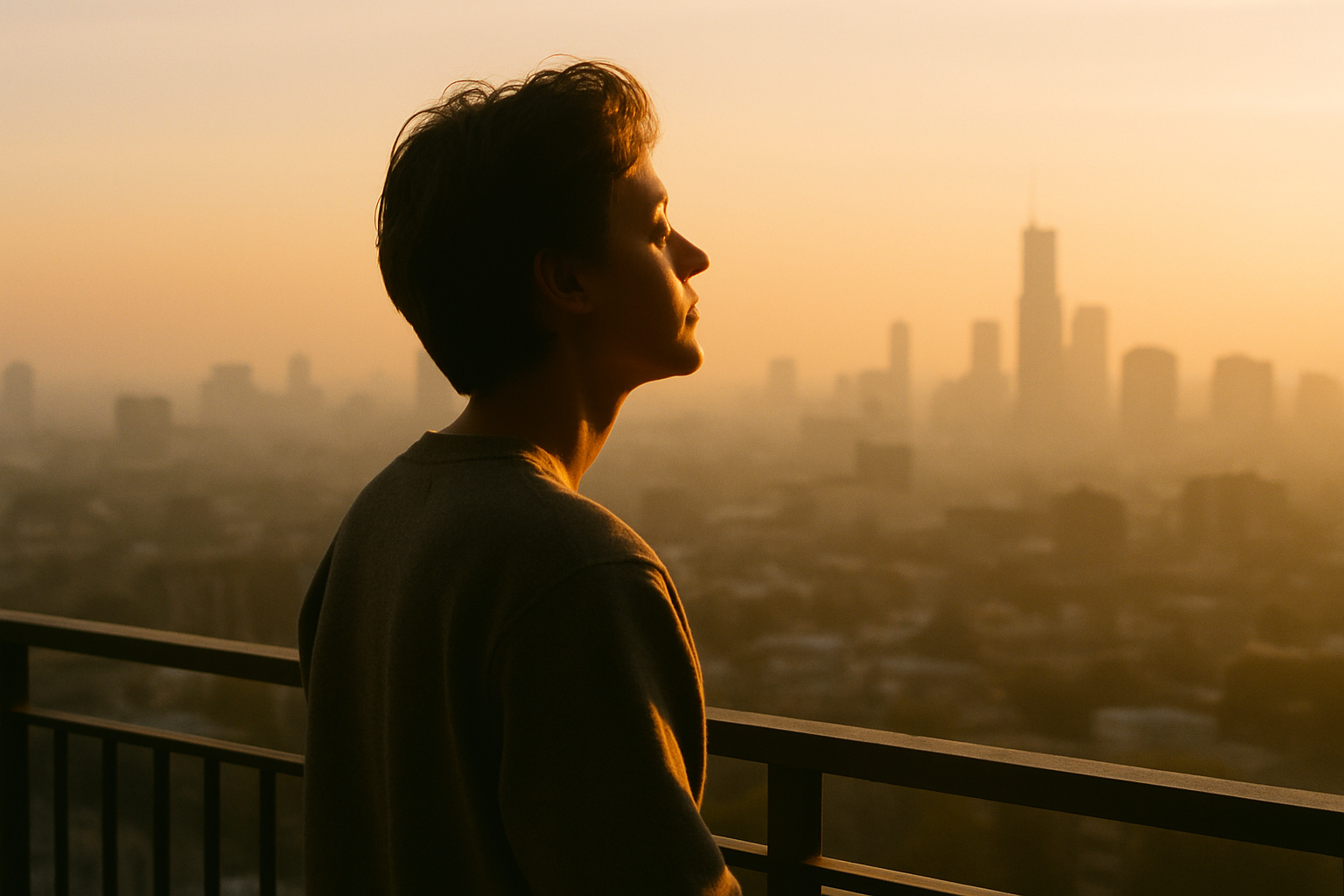
Morning sunlight exposure is one of the simplest, most reliable ways to set your internal clock, making it easier to fall asleep at night and wake up feeling alert. In practical terms, exposing your eyes (not staring at the sun) to natural morning light anchors the sleep-wake cycle by signaling the brain’s circadian centers. Done consistently, this sharpens daytime energy and reduces evening restlessness. This guide translates the best available research into nine clear rules you can use immediately. Brief note: this article is educational and not a substitute for personalized medical care—if you have eye conditions, bipolar disorder, or a sleep disorder, consult a clinician before using bright-light strategies.
Quick answer (for skimmers): Morning light cues the brain’s clock via light-sensing retinal cells; daylight—especially in the first hours after waking—advances your circadian phase, promoting earlier sleepiness at night and easier wake-ups the next day. Aim to step outside soon after waking, get enough brightness (daylight beats indoor light), and pair it with dimmer evenings and dark nights.
1. Step Outside Soon After Waking (Timing Is the Signal)
Getting outdoors shortly after waking is the single highest-yield habit for aligning your sleep-wake cycle. The first 1–2 hours of your biological day are a powerful “advance zone,” meaning light then nudges your clock earlier. In practice, that translates to feeling sleepier at a sensible evening hour and waking more naturally. Start your day by stepping into sunlight—even if it’s cloudy—so your brain receives a clear “daytime has begun” message. When sunlight isn’t available, a bright-light device can be a practical fallback, but daylight should be your default when possible. Consistency matters more than perfection; a modest routine performed daily beats occasional heroic exposures. If you rise before sunrise, use indoor light to get moving, then transition outdoors as soon as the sun is up. For shift workers and travelers, the same principle applies—time your first strong light exposure to your target wake window.
1.1 Why it matters
- Morning light suppresses residual melatonin and starts the day’s alerting signals, priming you for a steady energy curve.
- It cues clock genes in the brain’s suprachiasmatic nucleus (SCN), helping synchronize sleep pressure and hormone rhythms to social schedules.
- The sooner you supply a “daytime” cue after waking, the less your clock drifts later across the week.
1.2 How to do it
- Within 30–60 minutes of waking, step outside for a deliberate dose of daylight.
- Duration: Start with 10–15 minutes on clear days; extend to 20–30+ minutes in overcast or heavily polluted conditions.
- Eyes up, not at the sun: Look toward the sky and surroundings; do not stare at the sun.
- If sunrise is late relative to your wake time, use household lights to begin your day, then go outside once it’s light.
1.3 Mini-checklist
- Alarm → water → outside within an hour.
- Walk, stretch, or sip (without sunglasses if comfortable) while facing the sky.
- Cloudy? Add time. Pre-sunrise? Transition outdoors at first light.
Bottom line: Morning outdoor light is the anchor habit. Make it automatic and the rest of your circadian routine gets easier.
2. Prioritize Brightness at the Eye (Daylight Beats Indoors)
For circadian effects, the brightness reaching your eyes matters more than room feel. Typical indoor lighting hovers around a few hundred lux, while even a cloudy morning outdoors can be several times brighter—and daylight contains more of the short-wavelength energy that activates melanopsin, the pigment in the retinal cells that set circadian time. That’s why flipping on bathroom lights can wake you up a little, but stepping outside wakes up your clock a lot. When daylight access is limited (windowless office, winter mornings, heavy smog), a bright-light device that delivers thousands of lux at eye level can bridge the gap. The goal isn’t harsh glare; it’s simply achieving sufficient light at the eyes to clearly mark “daytime.”
2.1 Numbers & guardrails
- Outdoors: Thousands to tens of thousands of lux, even on overcast mornings.
- Indoors: Often 100–500 lux—usually not enough to robustly set the clock without long exposure.
- Melanopic EDI target (daytime): Aim for ≥250 melanopic lux at the eye across the day; daylight usually exceeds this quickly.
- Evening caps: Keep evening melanopic EDI ≤10, and ≤1 during sleep (details in Rule 4).
2.2 Tools & tricks
- Sit by a bright window and get outdoor breaks. Glass reduces both intensity and the circadian-relevant spectrum.
- Consider a 10,000-lux light box (read the manual for proper distance and duration).
- A basic lux meter (or a phone app, with caveats) can help you compare locations; prioritize outdoor time if readings are low.
2.3 Mini-checklist
- Two morning touchpoints: outside and window time.
- Low-light office? Add a light box for 20–30 minutes early.
- Track how you feel at 10 a.m. (alert) and 9–10 p.m. (sleepy); adjust exposure accordingly.
Bottom line: More light at the eye, earlier in the day, equals a stronger daytime signal and a smoother evening wind-down.
3. Use the Phase Response Curve: Morning Advances, Late Evening Delays
Light doesn’t affect your clock equally at all times. The phase response curve (PRC) describes how light in the early biological day pushes your clock earlier (phase advance), whereas light in the late evening/early biological night pushes it later (phase delay). Midday has a relative “dead zone” where light shifts the clock less. Practically, this means: get your strongest light soon after waking and avoid bright light in the few hours before bedtime. If you struggle to fall asleep, focus your light budget earlier; if you wake too early, you might strategically shift light later—but most people sleep better with morning emphasis and evening dimming.
3.1 How to apply the PRC
- Advancing strategy (most common):
- Front-load light: outside within 30–60 minutes of wake.
- Avoid bright light for 2–3 hours before bedtime; choose warm, dim lamps.
- Delaying strategy (for early-wake problems or night-shift transitions):
- Concentrate brighter light later in the day; avoid early-morning sun until you’re ready to shift.
3.2 Common mistakes
- Bright gyms or screens at 10–11 p.m. can unintentionally delay your clock.
- Relying only on indoor light in the morning reduces shifting power.
- Inconsistent weekends (sleeping in + missing morning light) can undo weekday progress.
3.3 Mini-example
- If you typically fall asleep at 1:00 a.m. and want 11:00 p.m., combine daily early-morning light with dim evenings, shifting ~15–30 minutes earlier every few days.
Bottom line: The right light at the right time moves your clock in the direction you want—morning for earlier nights, late evening for later nights.
4. Pair Bright Mornings with Dim Evenings and Dark Nights
Circadian alignment is a 24-hour project. Bright mornings only reach their potential when you cap evening light and keep nights dark. Short-wavelength (“blue-rich”) light in the hours before bed is biologically daytime-like; it can suppress melatonin and delay sleepiness. At night, even modest room light has been shown to perturb cardiovascular and metabolic regulation in lab settings. That doesn’t mean you need to live by candlelight—it means you should design evenings for warm, low-intensity light and bedrooms for near-darkness, with safety accommodations as needed.
4.1 Numbers & guardrails
- Evening (start ~3 hours before bed): keep melanopic EDI ≤10 at the eye; dimmers + warmer bulbs help.
- During sleep: aim for ≤1 melanopic lux; block streetlight spill with blackout curtains or eye masks.
- Night exceptions: use very dim, warm path lights for safety.
4.2 Practical tactics
- Switch lamps to warm whites in living areas; dim to comfortable minimums.
- Use night-shift or warm color temperature modes on screens in the evening; better yet, wind down off-screen.
- In the bedroom: blackout curtains, mask light sources, and consider an eye mask.
4.3 Mini-checklist
- Three hours pre-bed: dim + warm.
- Bedroom: dark, cool, quiet—charge devices outside.
- Night lights: low, amber, and floor-level.
Bottom line: Your clock reads both ends of the day. Bright mornings plus dim evenings and dark nights create a stable, sleep-friendly rhythm.
5. When Daylight Is Scarce, Use Bright-Light Devices Correctly
In high latitudes, during harsh winters, or in dense, windowless environments, bright-light therapy devices can approximate morning sunlight for circadian support. The clinical playbook for seasonal affective disorder and delayed sleep-wake phase disorder often uses 10,000-lux boxes for 20–30 minutes, positioned according to manufacturer instructions to deliver adequate illumination at the eye. Devices that explicitly specify melanopic EDI are ideal; otherwise, follow distance/duration guidelines carefully. People with eye disease, photosensitizing medications, or bipolar spectrum conditions should consult a clinician first, as light can be activating.
5.1 How to use them (morning focus)
- Place the device slightly off to the side at eye level; look near but not at the light while reading or eating.
- Start 15–20 minutes at the recommended distance; adjust by how you feel in the evening (too wired at night → shorten or move earlier).
- Use daily for 2–4 weeks to evaluate effect; maintain as needed.
5.2 Buyer and setup tips
- Prefer reputable brands that report lux at a specified distance and, if possible, melanopic EDI.
- Ensure UV filtering; these are visible-light devices, not tanning lamps.
- Dawn simulators can complement—but typically don’t replace—the intensity of a true bright-light box.
5.3 Region-specific note (e.g., South Asia & polluted urban cores)
- Haze and particulate matter can mute brightness and spectrum; compensate with longer outdoor time and consider supplementary light boxes on heavy smog days.
Bottom line: When the sun won’t cooperate, a well-used light device can keep your clock steady—use it early, bright, and consistently.
6. Align Morning Light with Travel and Shift-Work Goals
Jet lag and shift work are both circadian timing problems. The solution is sequenced light (and dark) aligned to your destination or schedule. For eastward travel (you need to sleep earlier), emphasize earlier-day light in the new time zone and avoid late-evening light for the first few days. For westward travel (you need to sleep later), seek late-morning/afternoon light and avoid very early light initially. For night-shift transitions, consolidate your “day” after the shift with structured light and keep bedrooms dark during daytime sleep.
6.1 Playbooks
- Eastbound 5–8 hours:
- New local time: morning outdoor light; block evening light with dimmers and glasses as needed.
- A short, early-afternoon nap (20–30 min) beats long naps that push bedtime later.
- Westbound 5–8 hours:
- Seek late-morning to afternoon light; avoid early-morning light for the first 1–2 days to prevent unwanted advances.
- Night shift (rotating):
- Use bright light during the first part of your shift, taper later; dark commute home (cap/blue-blocking glasses), darkened bedroom.
6.2 Tools
- Flight planners and PRC-based apps can map when to get/avoid light.
- Eye masks, blackout curtains, and timing are as important as adding light.
6.3 Mini-checklist
- Identify your target bedtime at the destination.
- Plan two light windows: when to seek and when to avoid.
- Keep it up for 3–5 days; small wins compound.
Bottom line: To move your clock, you need both light and lack of light—placed at the right times relative to your target schedule.
7. Stack Morning Light with Behavior: Movement, Meals, and Caffeine Timing
Light isn’t the only cue your clock reads. Activity, meals, and caffeine can amplify or undercut your morning momentum. A 10–20 minute walk in morning light gives you both brightness and movement, deepening the daytime signal. Caffeine supports alertness better when delayed 60–90 minutes after waking (allowing the cortisol-awakening response to crest naturally). Front-loading calories earlier and keeping dinners lighter helps metabolic rhythms align with sleep at night. If you struggle with a “second wind,” scrutinize evening exercise timing and stimulating media—then push both earlier.
7.1 Mini-protocol (build your 90-minute morning)
- 0–10 minutes: Hydrate, open shades, turn on lights.
- 10–30 minutes: Outside—walk, stretch, breathe.
- 30–60 minutes: Wash up, breakfast with protein + fiber.
- 60–90 minutes: Coffee/tea; plan the day.
7.2 Guardrails
- If caffeine after 2 p.m. keeps you awake, cap intake earlier.
- Late-evening high-intensity workouts can delay sleep—move them to late afternoon or early evening.
7.3 Tracking improvements
- Watch for faster sleep onset, fewer night wakings, and steadier energy by day; adjust light duration or timing based on these signals.
Bottom line: Pair light with movement and sensible timing of food and caffeine to multiply the benefits.
8. Protect Skin and Eyes While Maximizing Circadian Benefit
You don’t need midday sun or tanning to set your clock—morning skylight is enough. Protect your skin and eyes while getting your dose. UV risk exists from sunrise to sunset, though it peaks mid-day. Morning sessions are typically gentler, but still use protective clothing, hats, shade, and sunscreen when UV index is moderate or higher. For circadian purposes, your eyes must detect light, yet you should never look at the sun. If you’re comfortable doing your brief morning outside time without sunglasses, that can increase the signal—but eye safety takes priority. If you’re sensitive to light or have eye disease, wear your prescribed protection and extend the duration of outdoor time or add a light device indoors to compensate.
8.1 Safety checklist
- Never stare at the sun.
- Prefer shade-seeking with sky view; hats help.
- Sunscreen and protective clothing when UV index warrants.
- Medical conditions/medications (photosensitizing): consult your clinician before bright-light therapy.
8.2 Myths to skip
- You don’t need to tan, strip layers, or chase UV for circadian benefits; the clock is set via light at the eyes.
- Window light helps but is significantly weaker; step outside when you can.
Bottom line: Treat morning light like exercise for your clock: do it safely, consistently, and without risky sun behavior.
9. Measure, Iterate, and Personalize Your Light Routine
Circadian biology is shared, but your response window and lifestyle are unique. Treat morning light like a training plan: track, tweak, and lock in what works. If you’re aiming to shift earlier, set a fixed wake time, front-load light, and dim evenings. If you’re fighting early-morning awakenings, try moderating very early light and emphasize brighter light a bit later in the morning. Use simple metrics—sleep latency, wake time without an alarm, midday energy, and evening sleepiness—to guide adjustments. When progress stalls, consider whether evening light is creeping higher, whether morning sessions are too short, or whether weekends are inconsistent.
9.1 Practical tools
- Sleep diary or app: track bedtime, wake time, and sleep onset.
- Wearables can reveal trends (sleep timing, heart rate) even if they’re not perfect.
- Lux meter validates whether your “bright” is bright enough.
9.2 Mini-case
- A “night-owl” student falling asleep at 1:30 a.m. sets a 7:30 a.m. wake, walks outside by 8:00 for 20 minutes, and dims lights after 9:30 p.m. Over two weeks, bedtime drifts to 11:30 p.m. with less effort. Weekends match wake time within 60 minutes to prevent backsliding.
9.3 Troubleshooting
- Still wired at bedtime? Move morning light earlier and shorten any late-day bright exposures.
- Groggy mornings? Lengthen the outside window and pair it with movement.
Bottom line: Don’t aim for perfect days; aim for consistent signals. Small, steady improvements in timing and brightness add up.
FAQs
1) How many minutes of morning light do I need?
Most people do well with 10–15 minutes outside on clear mornings and 20–30+ minutes on overcast or hazy days. If you must wear sunglasses, extend the duration or supplement with a light box. Consistency (daily practice) matters more than hitting an exact minute mark.
2) Is a bright window good enough if I can’t go outside?
Window light helps, but glass reduces intensity and alters the spectrum compared with open sky. Use the window as a second-best option and try to add at least a short outdoor bout most days. If that’s not possible, a 10,000-lux light box used correctly is a practical alternative.
3) What’s the difference between lux and melanopic EDI?
Lux is a brightness measure weighted to human vision; melanopic EDI estimates how stimulating a light is for the circadian system. For daytime, a melanopic EDI ≥250 at the eye is a useful target; in the evening, keep it ≤10, and during sleep ≤1.
4) Should I avoid sunglasses in the morning?
If comfortable and safe, a brief morning session without sunglasses can increase the circadian signal—but never compromise eye safety. If you need sunglasses for medical or comfort reasons, wear them and increase exposure time or add a light device.
5) Do phone and laptop screens in the morning count as light exposure?
They add some light, but their intensity at the eye is far lower than daylight and often lower than a dedicated light box. Use morning screens as you like, but rely on outdoor light or a bright-light device to set your clock.
6) Can morning light help insomnia?
Yes, especially when insomnia is tied to a delayed schedule. Morning light, plus dim evenings and a consistent wake time, often improves sleep onset. For chronic insomnia, combine with cognitive-behavioral strategies and talk to a clinician.
7) What about shift workers?
Use timed bright light during the “workday,” block morning light on the commute home (hat, glasses), and keep the bedroom dark. On days off, decide whether to partially align with the social day or maintain a stable night schedule—then structure light accordingly.
8) Will morning light give me enough vitamin D?
Vitamin D synthesis depends on UV, which varies by latitude, season, time, and skin type. You can set your clock without chasing UV; use safe sun practices and discuss vitamin D testing/supplementation with your clinician if needed.
9) Does weather or pollution ruin the benefits?
No—cloudy or hazy mornings still provide more circadian-relevant light than most indoor environments. Simply spend longer outside or supplement with a light device on the worst days.
10) I wake too early—should I still get morning sun?
If you consistently wake much too early, you may benefit from avoiding very early bright light and concentrating brighter light a bit later in the morning, while maintaining dark nights. Consider a clinician’s input for persistent early-morning awakening.
11) Can I overdo morning light?
More isn’t always better if it pushes against your goals. Very long late-morning exposures can sometimes delay timing in sensitive people. Use short, early doses for advancing; monitor evening sleepiness and adjust.
12) Are dawn-simulator alarm clocks helpful?
They can help you wake more gently and may reduce morning grogginess. For circadian alignment, most people still benefit from additional outdoor light after waking, or a bright-light box used correctly.
Conclusion
Morning sunlight is a low-tech, high-reward lever for better sleep. Your brain’s clock expects a bright daytime cue and a dim, warm glide into night; when it gets both, sleep pressure builds naturally, melatonin rises on time, and wake-ups feel easier. The nine rules here boil down to a few repeatable habits: get outside early, seek brightness at the eye, avoid late-evening light, and keep nights dark. Stack light with a short walk, smart caffeine timing, and consistent wake times; then personalize by tracking how quickly you fall asleep, how steady your energy feels, and when you naturally wake. If your environment or schedule gets in the way, use bright-light devices and evening dimming tools to bridge the gap. Start tomorrow morning—with 10 minutes under the sky—and build from there.
CTA: Step outside within an hour of waking tomorrow, then repeat it daily for two weeks and notice the difference.
References
- Brown, T.M., et al. “Recommendations for daytime, evening, and nighttime indoor light exposure.” PLOS Biology, 2022. https://journals.plos.org/plosbiology/article
- Wright, K.P., et al. “Entrainment of the Human Circadian Clock to the Natural Light-Dark Cycle.” Current Biology, 2013. https://www.cell.com/current-biology/fulltext/S0960-9822(13)00764-1
- Stothard, E.R., et al. “Circadian Entrainment to the Natural Light-Dark Cycle Across Seasons and in the Modern World.” Current Biology, 2017. https://www.cell.com/current-biology/fulltext/S0960-9822(16)31522-6
- Khalsa, S.B.S., et al. “A phase response curve to single bright light pulses in human subjects.” Journal of Physiology, 2003. https://pmc.ncbi.nlm.nih.gov/articles/PMC2342968/
- American Academy of Sleep Medicine. “Clinical Practice Guideline for the Treatment of Intrinsic Circadian Rhythm Sleep-Wake Disorders.” 2015. https://aasm.org/resources/clinicalguidelines/crswd-intrinsic.pdf
- Mason, I.C., et al. “Light exposure during sleep impairs cardiometabolic function.” Proceedings of the National Academy of Sciences, 2022. https://www.pnas.org/doi/10.1073/pnas.2113290119
- CDC/NIOSH. “Using Light to Promote a Better Morning Wake-Up Time.” Reviewed March 31, 2020. https://www.cdc.gov/niosh/work-hour-training-for-nurses/longhours/mod8/04.html
- Sleep Foundation. “Light & Sleep: Effects on Sleep Quality.” Updated November 8, 2023. https://www.sleepfoundation.org/bedroom-environment/light-and-sleep
- Sleep Foundation. “How to Wake Up Without an Alarm.” Updated July 23, 2025. https://www.sleepfoundation.org/circadian-rhythm/how-to-wake-up-without-an-alarm
- Bhandary, S.K., et al. “Ambient light level varies with different locations and environmental conditions.” Scientific Reports, 2021. https://pmc.ncbi.nlm.nih.gov/articles/PMC8263252/
- Epishine. “The Importance of Lux – Understanding Indoor Light.” December 10, 2024. https://www.epishine.com/news/the-importance-of-lux-understanding-indoor-light
- Harvard Health Publishing. “The dark side of daylight saving time.” March 1, 2023. https://www.health.harvard.edu/staying-healthy/the-dark-side-of-daylight-saving-time