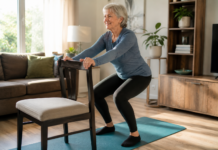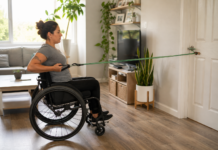
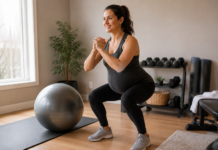



























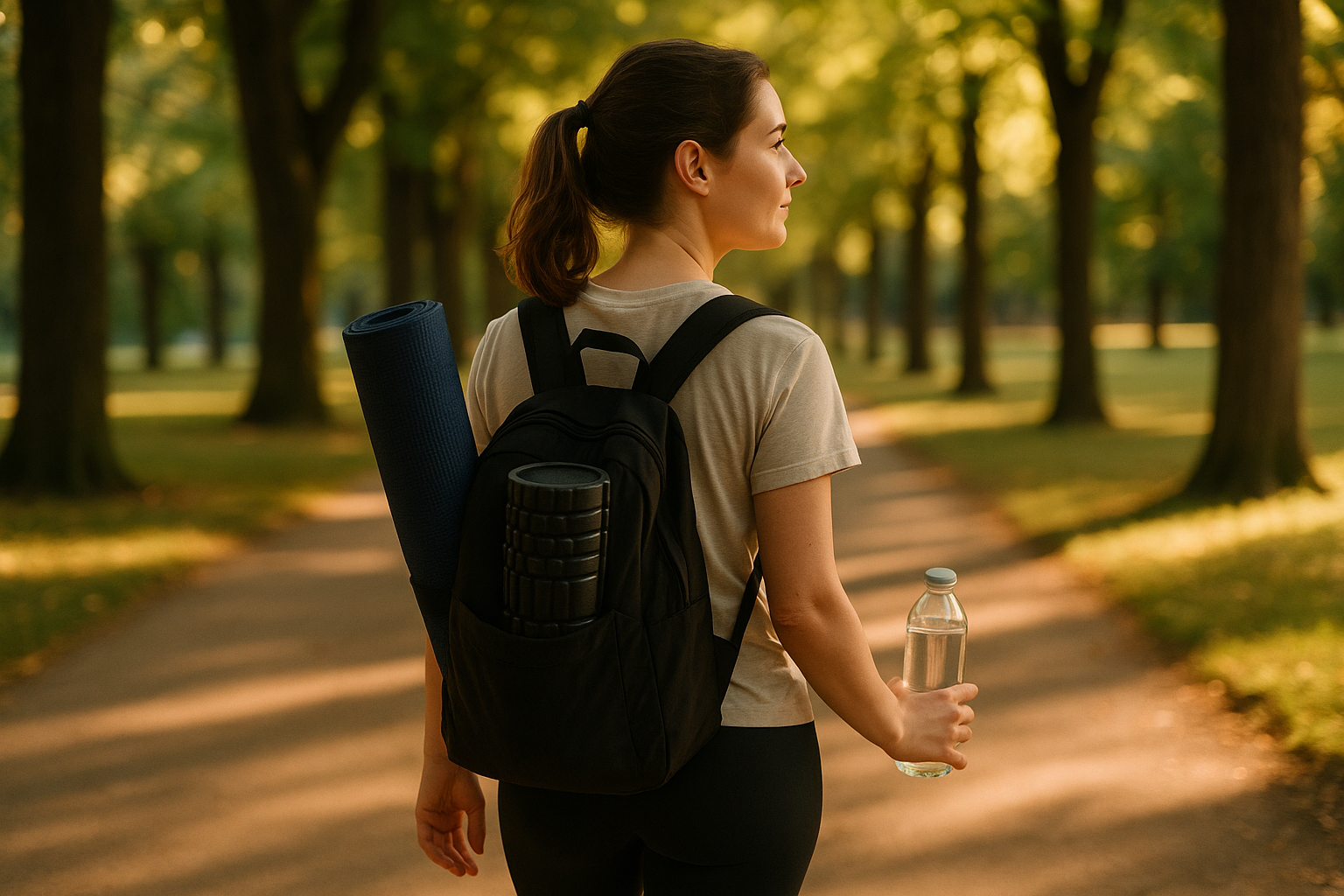
Active recovery is low-intensity movement and simple habits you do on off days to boost blood flow, reduce soreness, and restore performance without adding fatigue. Done right, it feels easy, takes 20–45 minutes, and leaves you fresher for your next hard session. Below you’ll find exactly 12 options—each with how-tos, numbers, and guardrails—so you can pick two or three that fit your day and training goals.
Quick answer: Active recovery on off days means staying lightly active (think easy walking, cycling, mobility, or yoga) at an RPE of 3–4/10 for 20–40 minutes, plus basics like sleep, hydration, and gentle tissue care. The goal is circulation and relaxation—not “another workout.”
Fast start plan (optional):
- Choose one: 30-minute brisk walk or 20-minute easy bike.
- Add 10–15 minutes of hips/shoulders mobility.
- Do 5 minutes of nasal breathing or box breathing.
- Hit your protein and fluids; aim for an early-to-bed night.
Light medical disclaimer: This guide is educational and not a substitute for personal medical advice. If you’re injured, ill, or pregnant, check with a qualified professional before changing exercise or recovery routines.
1. Easy Zone 2 Cardio (Walk, Cycle, or Swim)
The most reliable off-day choice is 20–40 minutes of easy, continuous cardio that feels conversational. Keep effort at RPE 3–4/10 or about 60–70% of max heart rate (you can speak in full sentences). This intensity increases circulation, helps clear metabolic by-products, and nudges aerobic adaptations without adding meaningful fatigue. Indoors or outdoors both work; the key is easy. If you’re very sore, start closer to 15–20 minutes. If you’ve just finished a training block, go shorter. For runners, walking or cycling is often better than more running; for lifters, a flat walk or easy spin pairs well with mobility afterward.
1.1 Why it matters
Low-intensity aerobic work elevates blood flow, delivering nutrients and removing waste while minimizing mechanical stress. It also helps regulate the nervous system so you don’t feel “wired” on rest days, and it keeps daily energy expenditure steady without impairing muscle repair.
1.2 Numbers & guardrails
- Duration: 20–40 minutes (start at 20 if sore).
- Intensity: RPE 3–4/10 or talk-test friendly.
- Pacing: Keep cadence smooth; no hills or sprints.
- Frequency: 1–3 off days per week.
- Shoes/Surface: Choose low-impact surfaces if your joints are cranky.
1.3 Mini-checklist
- Warm up 3–5 minutes; cool down 3–5 minutes.
- Nasal breathe when possible to auto-limit intensity.
- If HR spikes, slow down—stay truly easy.
Close with a slow walk and a sip of water; you should finish feeling better than you started.
2. Mobility Circuit for Hips, Ankles, T-Spine, and Shoulders
If you’re stiff from training or sitting, a 15–25 minute mobility circuit can restore range of motion and improve how tomorrow’s training feels. The goal is gentle joint exploration, not aggressive stretching. Think controlled articular rotations (CARs), dynamic end-range work, and a few targeted holds in areas most people need: hips, ankles, thoracic spine, and shoulders. You should move slowly, breathe evenly, and avoid pinchy pain—mild tension is fine, sharp pain is not. Done consistently, this reduces the “rusty” feeling and can make technique work safer and smoother.
2.1 How to do it (15–25 minutes)
- Hips: 90/90 transitions → hip CARs (5 slow reps each).
- Ankles: Knee-over-toe rocks (2×10/side) → ankle circles.
- T-spine: Open books (2×8/side) → quadruped rotations.
- Shoulders: Scapular CARs (5 each) → wall slides or band dislocates.
- Finish: 60–90 seconds of comfortable hanging or child’s pose breathing.
2.2 Numbers & guardrails
- Tempo: Slow, with a 2–3 second pause at end ranges.
- Sensation: 3–4/10 discomfort max; back off if sharp.
- Breath: Inhale into the side ribs; exhale long and quiet.
2.3 Common mistakes
- Rushing through reps.
- Forcing end range into pain.
- Treating mobility like a sweat workout.
Wrap by re-checking a couple moves you care about (e.g., a bodyweight squat). If it feels smoother, you nailed the dose.
3. Gentle Yoga Flow to Unwind and Lengthen
A 20–30 minute, breath-led yoga flow blends light mobility with down-regulation. Choose slower styles (restorative, yin-inspired holds, or a mellow vinyasa) that emphasize nasal breathing, long exhales, and positions that open hips, hamstrings, chest, and back without strain. The aim isn’t to “get flexible at all costs”—it’s to relax tissue tone and the nervous system. If you lift heavy or sprint, this pairing often leaves you feeling looser and more grounded for your next session.
3.1 Sequence idea (20–30 minutes)
- Grounding: 2 minutes supine breathing, one hand on chest/one on belly.
- Flow: Cat-cow → low lunge → hamstring fold → pigeon or figure-4 → sphinx → child’s pose.
- Finish: Legs-up-the-wall or supported bridge for 2–3 minutes.
3.2 Numbers & guardrails
- Breath: 4–5 second inhales, 6–8 second exhales.
- Holds: 20–60 seconds; ease in and out.
- Effort: Keep it at RPE 2–3/10; “calm and warm,” not sweaty.
3.3 Mini-checklist
- Skip end-range joint cranking.
- Use props (blocks/strap) to reduce strain.
- Keep mouth closed unless breathing feels labored.
End feeling taller, calmer, and gently warm—not stretched to exhaustion.
4. Foam Rolling and Self-Massage (5–15 Minutes)
Foam rolling can modestly reduce perceived muscle soreness and improve short-term range of motion when used lightly and briefly. On off days, keep pressure tolerable and speed slow; think “massage,” not “mashing.” Target the quads, glutes, calves, lats, and upper back. Spend 30–60 seconds per area, hunting for tender spots but backing off if you tense up. Pairing rolling with a few active reps right afterward (e.g., ankle rocks after calf roll) tends to give better carryover than rolling alone.
4.1 How to do it
- Sequence: Upper back → lats → glutes → quads → calves → feet (ball).
- Dose: 1–2 passes per region; 30–60 seconds each.
- Add-on: Follow each with 5–8 slow active reps in that joint.
4.2 Common mistakes
- Rolling too hard (numbing or bruising).
- Spending 5 minutes on a single knot.
- Treating rolling as a replacement for movement.
4.3 Mini-checklist
- Breathe steadily; if you brace, lighten pressure.
- Move the joint while you roll (pin-and-bend technique).
- Finish with water and an easy walk to “lock in” the relief.
You should feel limber and relaxed, not beat up.
5. Technique & Form Practice With Light Loads
Off days are ideal for skill reps that groove patterns without fatigue—think empty-bar squats, light kettlebell hinges, dowel overhead squats, or slow pushup negatives. Keep to 30–40% of usual load and perfect form for low-rep sets. This light rehearsal sharpens motor patterns, exposes sticking points, and builds confidence with zero soreness cost. It’s especially useful after learning a new movement or if you’re returning from a layoff and want to rebuild rhythm before adding intensity.
5.1 How to structure it (12–20 minutes)
- Pick 2–3 patterns: Squat, hinge, press, pull, or lunge.
- Sets/Reps: 3–4 sets of 3–5 reps per pattern.
- Tempo: 3-second lowers, 1-second pause, crisp concentric.
- Rest: 60–90 seconds; stay calm, not winded.
5.2 Numbers & guardrails
- Load: Technique weight only; never grind.
- RPE: 3/10 max.
- Stop: If speed slows or form wobbles.
Close with a few minutes of mobility for the joints you practiced; your next heavy day will feel cleaner.
6. NEAT Booster: Steps and Micro-Movement All Day
NEAT—non-exercise activity thermogenesis—is the low-effort movement you accumulate outside workouts. On off days, NEAT can be your entire active recovery: aim for 6,000–10,000+ steps, sprinkle in movement snacks, and break up sitting every 30–60 minutes. This steadies blood flow, helps lymphatic drainage, and maintains energy balance without the hormonal stress of a workout. It also improves mood and focus, especially if you can get daylight during a morning or lunch walk.
6.1 How to implement
- Anchor walks: 10–20 minutes morning and/or afternoon.
- Movement snacks: 1–2 minutes of air squats, calf raises, or band pull-aparts each hour.
- Errands: Take stairs, park farther, carry groceries with a suitcase carry.
6.2 Numbers & guardrails
- Steps: Start with your 7-day average + 1,000–2,000.
- Breaks: Stand up at least once an hour; set a timer if needed.
- Footwear: Keep it comfortable; rotate shoes if possible.
6.3 Common mistakes
- Making a single long walk the only movement.
- Power-walking to sweat (keep it easy).
- Ignoring posture—alternate carry sides when loaded.
Finish the day having moved often, not hard.
7. Core & Posture Reset: Dead Bugs, Bird-Dogs, and Carries
Low-load core work can restore trunk control and reduce the “beat-up back” feeling some athletes get after big training days. Choose slow, precise drills—dead bug, bird-dog, side plank, and light carries—to reconnect breath and spine position. Keep total time under 15–20 minutes and stop well before fatigue. The payoff is better bracing tomorrow without sore abs.
7.1 Mini-session (15–20 minutes)
- Dead bug: 3×6/side (exhale fully before each reach).
- Bird-dog: 3×6/side (pause 2 seconds at extension).
- Side plank: 2×20–40 seconds/side (hips tall).
- Suitcase carry: 3×20–30 meters/side with a light kettlebell.
7.2 Numbers & guardrails
- RPE: 3–4/10.
- Breath: Long exhales to feel ribs drop and abs engage.
- Form: Quality > quantity; end sets early if you compensate.
7.3 Common mistakes
- Rushing reps.
- Holding breath.
- Loading carries so heavy that grip or spine position degrades.
Wrap with two slow diaphragmatic breaths; you should feel stable and taller.
8. Nervous System Downshift: Breathing for 5–10 Minutes
Breathing practices help flip from “go-mode” to recovery by nudging the parasympathetic nervous system. On off days, 5–10 minutes of nasal, slow breathing can lower perceived stress, improve heart-rate variability trends over time, and set the tone for better sleep. Keep it comfortable—no breath-holding to discomfort—and aim for a longer exhale than inhale.
8.1 Options to try
- Box breathing (4-4-4-4): Inhale 4, hold 4, exhale 4, hold 4—repeat 10 rounds.
- Extended exhale: Inhale 4–5, exhale 6–8 for 5 minutes.
- Resonant breathing: ~6 breaths per minute (count 5 in, 5 out).
8.2 Mini-checklist
- Posture: Sit tall or lie on your back with one hand on ribs.
- Environment: Dim lights, silence notifications.
- Timing: After a walk, before bed, or any time you feel amped.
8.3 Common mistakes
- Forcing huge breaths (creates tension).
- Mouth breathing only (dries airways, reduces CO₂ tolerance).
- Treating breathwork like a competition.
You should finish feeling calmer, with a slightly lower heart rate and softer shoulders.
9. Sleep Power-Ups: Protect the Night and Use Short Naps
Sleep is where tissue repair, hormone regulation, and memory consolidation occur. An off day is perfect for shoring up sleep behavior: protect a 7–9 hour sleep opportunity at night, get morning daylight, and consider a 10–20 minute early-afternoon nap if you’re dragging. Small, consistent habits out-perform hacks—think a stable wind-down, cool dark room, and screens dimmed 60–90 minutes before bed. If you train early, prioritize a steadier bedtime over adding another supplement or gadget.
9.1 How to improve tonight
- Daylight: 5–15 minutes outside within an hour of waking.
- Caffeine: Cut 8+ hours before bed (earlier if sensitive).
- Wind-down: 20–30 minutes of quiet reading, stretching, or breathwork.
- Environment: 17–19°C (63–66°F) and dark.
9.2 Guardrails
- Nap length: 10–20 minutes; avoid >30 minutes to prevent grogginess.
- Irregular schedule: If you must stay up late, keep wake time as steady as possible.
9.3 Common mistakes
- Overusing late caffeine to “salvage” energy.
- Scrolling in bed (blue light + stimulation).
- Making naps long and late.
Treat sleep like part of training, not an afterthought.
10. Nutrition & Hydration Tune-Up (Without Dieting)
On off days, aim for enough protein, steady carbs, and consistent fluids to support muscle repair and glycogen replenishment—without micromanaging. A practical target is 1.6–2.2 g/kg/day of protein spread across 3–4 meals, each with 25–40 g high-quality protein. Keep carbohydrates moderate to high if you have another hard session within 24–48 hours; add colorful produce and healthy fats for micronutrients. Hydrate evenly through the day—pale-straw urine is a simple gauge—and include a pinch of salt with meals if you sweat heavily.
10.1 Simple off-day plate
- Palm-sized protein (eggs, yogurt, fish, tofu, chicken).
- Fist of carbs (rice, oats, potatoes, fruit).
- Two fists of vegetables.
- Thumb or two of fats (olive oil, nuts, seeds).
10.2 Numbers & guardrails
- Protein: 1.6–2.2 g/kg/day; 0.3–0.4 g/kg/meal.
- Fluids: ~30–35 ml/kg/day baseline; more in heat/sweat.
- Alcohol: If you drink, keep it modest; alcohol impairs recovery.
10.3 Common mistakes
- Slashing carbs on off days despite hard training tomorrow.
- Skipping meals and then overeating late.
- Chasing supplements before nailing basics.
If you hit your protein, plants, and fluids, you’ve done 90% of recovery nutrition right.
11. Heat, Sauna, and Contrast Showers (Use Strategically)
Circulatory modalities like sauna and warm showers can feel great on off days and may help you relax and sleep better. Keep sessions short and pleasant (e.g., sauna 10–15 minutes, 1–2 rounds) and rehydrate afterward. Cold exposure can reduce soreness perception, but if muscle size/strength gains are your top goal, avoid intense cold (e.g., ice baths) within 4–6 hours after strength sessions; there’s evidence it can blunt some anabolic signaling. On a true off day far from lifting, a brief cool rinse or contrast shower is fine if it calms you.
11.1 How to apply
- Sauna: 10–15 minutes easy heat → cool rinse → rest; 1–2 rounds.
- Contrast shower: 2 minutes warm / 30–60 seconds cool, repeat 3–4 times, end warm if you want to relax.
- Cold: If used, keep it brief and comfortable; never shiver hard to prove a point.
11.2 Guardrails
- Hydrate and stand up slowly; heat can drop blood pressure.
- Skip extremes if you’re pregnant, have cardiovascular issues, or feel unwell.
- Keep any modality secondary to movement, sleep, and nutrition.
Think of these as pleasant add-ons, not replacements for the fundamentals.
12. Reset Your Plan: Logs, Readiness, and Tomorrow’s Focus
Use the off day to look ahead and make the next training day better. Review your training log, note what felt heavy or snappy, and jot down soreness areas. If you track morning resting heart rate, sleep, or a simple readiness score (e.g., “low/medium/high”), glance for trends—not single-day spikes—and adjust the week accordingly. Set tomorrow’s focus (one main lift or run target, accessories, and a stop time). Five thoughtful minutes here can prevent junk volume and help you progress faster with fewer aches.
12.1 Quick review template (5–10 minutes)
- Yesterday’s effort: RPE for main session and why.
- Soreness map: 0–10 scale; circle hotspots.
- Sleep recap: Hours and quality (poor/ok/good).
- Notes: One thing to repeat; one to change.
- Tomorrow: One main goal + two must-do accessories.
12.2 Guardrails
- Don’t overreact to one bad night or one sore day.
- Adjust one variable at a time (volume or intensity or exercise choice).
- Keep goals process-based (“show up,” “hit technique”) rather than only outcome-based.
End by committing to your top three recovery actions for tonight so you roll into training clear and ready.
FAQs
1) What exactly counts as “active recovery” on a rest day?
Any low-intensity movement or habit that promotes recovery without creating new fatigue qualifies. Think easy walking or cycling, light mobility and yoga, short breathwork, and basics like sleep and hydration. If you can speak in full sentences and finish feeling better than you started, it’s active recovery. Aggressive intervals, long hill hikes, or heavy circuits don’t qualify.
2) How long should an active recovery session be?
Most people do well with 20–40 minutes of easy movement plus 5–15 minutes of mobility or breathwork. Very sore or deconditioned? Start with 10–20 minutes and add 5 minutes per week. Elite athletes sometimes accumulate more low-intensity volume, but the spirit remains the same: calm, circulation-focused, and non-stressful.
3) Should I do cardio or mobility on off days?
You can do both—e.g., 20–30 minutes of gentle cardio, then 10 minutes of mobility. If you’re tight or your technique feels sticky, prioritize mobility. If your legs feel heavy and you want a mood lift, prioritize easy cardio. Rotate emphasis based on how you feel and what tomorrow’s training demands.
4) Will active recovery make me lose gains?
No. Low-intensity movement doesn’t interfere with strength or hypertrophy, and it can improve readiness by reducing stiffness and maintaining aerobic base. The main ways people “lose gains” on off days are by under-eating protein, sleeping poorly, or turning recovery into a hard workout.
5) Is foam rolling worth it?
Foam rolling offers small, short-term reductions in soreness and temporary range-of-motion improvements for many people. The best use is brief, light pressure combined with active movement afterward. If rolling leaves you tense or bruised, you’re overdoing it. It’s optional—not essential.
6) What heart-rate zone should I target?
Aim for RPE 3–4/10 or roughly 60–70% of your max heart rate. If you don’t track HR, use the talk test—full sentences should be easy. If you’re breathing hard or need to pause, you’ve drifted too high. For many, a brisk walk or flat bike path naturally hits the right zone.
7) Should I stretch on off days?
Gentle, comfortable stretching is fine—especially combined with mobility drills. Hold light stretches 20–60 seconds without pain, and avoid cranking joints into end range. If performance tomorrow relies on power or heavy lifting, keep holds moderate and finish with dynamic movements.
8) How much protein and water do I need when I’m not training?
Keep protein 1.6–2.2 g/kg/day, split across meals, and drink enough fluid for pale-straw urine. Include carbs if you’re training within 24–48 hours to refill glycogen. Add electrolytes or a pinch of salt if you sweat heavily or live in a hot climate.
9) Can I use an ice bath on a rest day?
If your top priority is muscle size/strength, avoid intense cold exposure right after lifting (it can blunt some anabolic signaling). On a true off day far from lifting, brief, comfortable cold or contrast showers are fine if they help you relax. Movement, sleep, and nutrition still matter more.
10) How many active recovery days per week do I need?
Most trainees benefit from 1–3 off days weekly, depending on training load. Use at least one for light movement and logistics (sleep, meals, plan review). If you’re constantly sore or run-down, reduce hard sessions temporarily and make your off days truly easy for a week before reassessing.
Conclusion
Active recovery is not “soft training”—it’s smart training. By keeping intensity low and focusing on circulation, mobility, and nervous-system calm, you convert off days into a springboard for bigger gains. The formula is simple: move easily, care for tissues, downshift your nervous system, sleep well, eat and drink consistently, and set up tomorrow. When you pick two or three options from the 12 above—say a 30-minute walk, 10 minutes of mobility, and 5 minutes of breathing—you’ll finish your rest day feeling restored rather than restless. Over weeks, that steadiness compounds: fewer aches, better sessions, and a clearer mind.
Choose your top three from the list and put them on your calendar for the next four off days—then enjoy coming back stronger.
CTA: Pick two items for today’s off day, set a 30-minute timer, and start with a walk.
References
- Physical Activity Guidelines for Americans, 2nd ed. U.S. Department of Health and Human Services, 2018. https://health.gov/sites/default/files/2019-09/Physical_Activity_Guidelines_2nd_edition.pdf
- How Much Physical Activity Do Adults Need? Centers for Disease Control and Prevention, last reviewed 2024. https://www.cdc.gov/physicalactivity/basics/adults/index.htm
- Garber CE, et al. Quantity and Quality of Exercise for Developing and Maintaining Cardiorespiratory, Musculoskeletal, and Neuromotor Fitness in Apparently Healthy Adults. Medicine & Science in Sports & Exercise (ACSM Position Stand), 2011. https://journals.lww.com/acsm-msse/Fulltext/2011/07000/Quantity_and_Quality_of_Exercise_for_Developing.26.aspx
- Antonio J, et al. International Society of Sports Nutrition Position Stand: protein and exercise. Journal of the International Society of Sports Nutrition, 2017. https://jissn.biomedcentral.com/articles/10.1186/s12970-017-0177-8
- Wiewelhove T, et al. A Meta-Analysis of the Effects of Foam Rolling on Performance and Recovery. Frontiers in Physiology, 2019. https://www.frontiersin.org/articles/10.3389/fphys.2019.00376/full
- Herbert RD, de Noronha M, Kamper SJ. Stretching to prevent or reduce muscle soreness after exercise (DOMS). Cochrane Database of Systematic Reviews, 2011. https://www.cochranelibrary.com/cdsr/doi/10.1002/14651858.CD004577.pub3/full
- Roberts LA, et al. Post-exercise cold water immersion attenuates acute anabolic signaling and long-term adaptations in muscle to strength training. Journal of Physiology, 2015. https://physoc.onlinelibrary.wiley.com/doi/full/10.1113/JP270570
- Laukkanen JA, et al. Sauna Bathing and Cardiovascular Health. Mayo Clinic Proceedings, 2018. https://www.mayoclinicproceedings.org/article/S0025-6196(18)30006-1/fulltext
- Guidelines on Physical Activity and Sedentary Behaviour. World Health Organization, 2020. https://www.who.int/publications/i/item/9789240015128
- How Much Sleep Do We Really Need? Sleep Foundation, updated 2024. https://www.sleepfoundation.org/how-sleep-works/how-much-sleep-do-we-really-need