










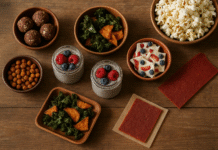















A mindful lunch break is a short, protected window where you step away from work, eat with attention, and finish feeling mentally reset and physically satisfied. In practice, that means you minimize distractions, pace your meal, and notice flavor, fullness, and mood—so the second half of your day runs smoother. This guide is educational and not a substitute for personal medical or nutrition advice. Here’s a quick way to start today: 1) leave your desk, 2) silence notifications, 3) take five slow breaths, 4) build a balanced plate, and 5) eat without screens for 15 minutes. These five minutes of setup buy you a calmer, clearer afternoon. Evidence shows purposeful breaks and attentional eating improve focus and regulate intake; you’ll find the key sources listed at the end.
1. Step Away From Your Screen and Relocate for Lunch
Stepping away from your workstation is the fastest way to reclaim attention for your meal. A real change of place—another room, a courtyard, even a quiet lobby corner—signals your brain that it’s time to switch goals from “work” to “restore.” This brief reset supports performance: research in cognitive psychology shows that short breaks help prevent the “vigilance decrement,” the gradual fade in focus during sustained tasks. Moving your body and eyes to a new environment also makes your meal more memorable, which matters for regulating intake later in the day. Practically, it’s not about taking a long break; it’s about making the one you already have feel off-duty, so you can actually taste your food and return to your afternoon work with less fatigue.
Why it matters
- Short mental breaks help refresh task goals and sustain attention later.
- Physical detachment from the workstation supports psychological detachment, a core ingredient of recovery.
How to do it
- Reserve a default lunch spot away from your desk (kitchen nook, balcony, nearby bench).
- Block your calendar and set status to “away—lunch” for 30–45 minutes.
- Use a simple script with colleagues: “I’ll be back at :45—ping me then?”
Common pitfalls
- “Al-desko” habits: emails during bites lead to distracted overeating and weaker memory of the meal.
Synthesis: Location is a lever—change it, and lunch becomes a genuine break that sharpens your afternoon.
2. Take 60–90 Seconds to Breathe and Ground Before Your First Bite
Start lunch with a tiny ritual: pause, breathe, and notice. A one-minute check-in—five slow breaths, a quick posture reset, and a glance at your plate—drops stress and primes attention for eating. Mindfulness practices at work have been shown to reduce perceived stress and improve momentary well-being; even brief, guided meditations help with psychological detachment. Grounding before eating also tunes you into hunger and fullness cues, which is the core of mindful eating. Think of it as putting your brain in “taste and sense” mode before you put food in your mouth. PMCSAGE Journals
2.1 Mini-checklist
- Sit, plant both feet, take 5–8 slow breaths.
- Name three sensations (e.g., “hungry,” “tense shoulders,” “warm bowl”).
- Set a simple intention: “Eat slowly; stop when satisfied.”
2.2 Tools & examples
- A 60–90 second timer on your watch.
- Noise-canceling earbuds for a quick breath track.
Synthesis: This tiny pause flips you from autopilot to awareness, making every bite more satisfying with almost no time cost.
3. Portion With the Healthy Eating Plate for Balance and Steady Energy
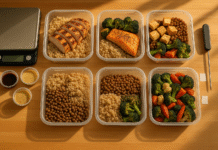
Balance first, macros second. Harvard’s Healthy Eating Plate is a simple visual that works anywhere—cafeteria tray, delivery bowl, or lunchbox: fill about half your plate with vegetables and fruits; one-quarter with whole grains; and one-quarter with healthy protein, plus healthy oils and water/unsweetened beverages. This pattern supports steady glucose, better afternoon focus, and fewer cravings. It’s flexible enough for regional cuisines—think roti with daal and a big salad; brown rice with stir-fried veggies and tofu; whole-grain wrap with beans and greens. The point isn’t perfection; it’s a reliable template you can repeat in real life.
3.1 Numbers & guardrails
- ½ plate produce (varied colors).
- ¼ plate whole grains (brown rice, oats, whole-grain roti).
- ¼ plate protein (beans, lentils, soy, fish, eggs, poultry).
- Healthy oils in cooking/dressing; water as default drink.
3.2 Common mistakes
- Skipping produce and doubling starch.
- “Low-fat” but ultra-processed sides that crowd out whole foods.
Synthesis: Use the Plate as your autopilot—balanced by design, mindful by attention.
4. Slow Your Eating Pace With a Halfway Pause and Chew-Complete Rule
Eating slower isn’t about counting chews forever; it’s about two simple behaviors: make a halfway pause and finish each chew before the next bite. Slower, spaced eating is associated with greater satiety and higher levels of appetite-regulating peptides such as PYY and GLP-1 after meals, which can help you feel satisfied with less food. Practically, that translates to fewer mindless bites and a clearer sense of “enough.” You don’t need special tools—just a timer cue and a fork-rest habit. Try splitting your meal into two equal halves with a 60–90 second breather between them.
4.1 How to do it
- Set a soft timer for a mid-meal pause.
- Put utensils down between bites; swallow fully before reloading.
- Sip water during the pause; scan hunger (0–10) and stop near “7–8 satisfied.”
4.2 Mini case
- A grain bowl (600 kcal) eaten with a halfway pause often feels complete with the last 3–4 bites left—save them for later.
Synthesis: Two micro-habits—pause and chew—turn speed into savor and help your gut-brain signals register.
5. Use a “Five Senses, Three Bites” Scan to Heighten Attention
A quick sensory scan trains your brain to taste again. For the first three bites, deliberately notice sight, smell, sound, texture, and flavor changes. This is classic mindful eating technique: it anchors attention on the eating experience and improves your ability to sense satiety and satisfaction. It also makes even ordinary lunches more interesting—contrast the crunch of cucumbers with the creaminess of hummus, the warmth of spices with cool yogurt. These moments of noticing are the opposite of mindless grazing and take less than a minute.
5.1 Sensory prompts
- Look: color, plating, steam.
- Smell: herbs, spices, char.
- Feel: crunch vs. tender.
- Taste: sweet, sour, bitter, salty, umami.
- Sound: crisp snap, quiet spoon.
5.2 Common pitfalls
- Rushing the first bites when the brain is still on emails.
Synthesis: When you actually taste your food, satisfaction rises and “more” stops feeling like the only option.
6. Make Lunch a Screen-Free 15 Minutes
Screens during meals consistently increase intake and weaken memory of eating, which can lead to overeating later. A 15-minute “no screens” rule is the single best boundary for mindful lunch at work. It reduces attention-splitting, supports digestion, and leaves you clearer to focus after you’re done. If you eat with colleagues, keep phones face-down and aim for light, food-related conversation—social, not scroll.
6.1 Mini-checklist
- Phone on Do Not Disturb; laptop lid closed.
- If you must be reachable, create a one-line autoresponder: “At lunch—back at 1:30.”
6.2 What to do instead
- Notice 3 flavors; take a midway breath; sip water.
Synthesis: Protect 15 minutes of deep attention at lunch, and your afternoon productivity will thank you.
7. Hydrate Wisely and Add Water-Rich Foods
Cognitive performance and mood can dip with even mild dehydration; lunch is a reliable place to top up fluids without overdoing caffeine. Fluids also come from foods (20–30% of total water intake typically comes from what we eat), so cucumbers, tomatoes, citrus, and soups pull double duty. At work, pair your meal with water or unsweetened tea and aim to sip steadily; some workplaces have shown health benefits from simple hydration programs. Listen to thirst and avoid chugging large volumes at once if it disrupts comfort or later sleep.
7.1 Practical moves
- Keep a 500–700 ml bottle at lunch; finish it across the meal.
- Add a water-rich side (salad, fruit, broth-based soup).
- Consider herbal tea if you prefer warmth.
7.2 Guardrails
- Sugary beverages spike energy then crash; stick to water/tea most days.
Synthesis: Thoughtful hydration supports focus and comfort—quietly enhancing your mindful meal.
8. Add a 10–15 Minute Nature Walk or Relaxation After Eating
A short post-meal walk outdoors or a brief relaxation session helps your body and brain transition back to work. Controlled studies show both lunch-break park walks and relaxation exercises can improve afternoon concentration, reduce strain, and support recovery, with benefits persisting into the late afternoon. If green space is limited, use an indoor breathing or body-scan track; on high-demand days, relaxation can be more restorative than steps. High Performance Routines
8.1 How to choose
- Outdoors available? Take a leisurely 10–15 minute walk and notice the environment.
- No outdoors? Try a 10-minute guided relaxation in a quiet room.
8.2 Mini-checklist
- Go alone or agree on quiet time with a buddy.
- Leave your phone in your bag; let your senses lead.
Synthesis: A tiny “digest and reset” segment locks in the gains from mindful eating and sets up a sharper afternoon.
9. Pack a Mindful Lunch Kit So the Ritual Is Friction-Free
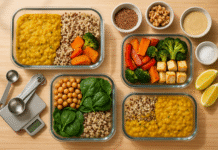
Make mindful lunch the path of least resistance by packing a small kit: reusable container, small plate or bowl, real utensils, cloth napkin, and a water bottle. Add a pinch of flavor—lemon wedge, chili flakes, or herb mix—so healthy food feels joyful. If you batch cook, pack protein, produce, and whole grains separately to keep textures appealing, then assemble using the Healthy Eating Plate pattern on-site. The kit signals “mealtime,” and the plate size gently moderates portions without counting.
9.1 What to pack
- 700–900 ml leakproof container; small 20–22 cm plate.
- Fork/spoon/chopsticks; cloth napkin; compact seasoning.
- Foldable placemat to define your space.
9.2 Common pitfalls
- Forgetting a drink; skipping produce; monotone flavors.
Synthesis: If your tools are ready, your attention can be, too.
10. Keep a Two-Line Lunch Log (Food + Feeling) for a Week
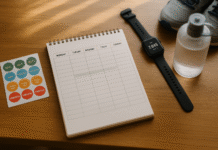
For seven workdays, jot two lines after lunch: what you ate and how you felt an hour later (e.g., “energized,” “sleepy,” “still hungry”). Food and mood journaling is a CDC-endorsed behavior-change tool that builds awareness of triggers and habits; it’s quick, private, and specific. Over a week, patterns emerge: maybe white-rice-heavy meals precede afternoon dips, or salads without protein leave you peckish. Use the data to adjust portions or timing, not to judge yourself. CDC
10.1 Prompts
- Hunger level before eating (0–10).
- Fullness right after (0–10) and one hour later.
- Notable feelings (calm, stressed, energized).
10.2 What to look for
- Meals that power you through vs. meals that crash you.
- Situations that trigger distracted eating.
Synthesis: Two lines a day turn vague intentions into visible patterns you can improve.
11. Build a Balanced Lunch That Prevents the 3 p.m. Crash
Design lunch for sustained energy: combine fiber-rich carbs, lean or plant protein, healthy fats, and plenty of produce. The Healthy Eating Plate template does this automatically, and it works whether you’re packing leftovers or ordering. Add a modest fat source (olive oil, nuts, avocado) for satisfaction; ensure a protein serving (~20–30 g) to stabilize appetite; choose whole grains or starchy veg for steady carbs; pile on vegetables for volume and micronutrients. This isn’t a diet rule—it’s a stable default you can personalize.
11.1 Example builds
- Daal + brown rice + kachumber + yogurt
- Chickpea salad wrap + mixed greens + olive oil
- Grain bowl: quinoa + roasted veg + tofu + tahini
11.2 Guardrails
- Ultra-processed sides (chips, sugary drinks) crowd out the foods that keep you steady.
Synthesis: Balanced inputs = even output; your afternoon focus reflects your lunch composition.
12. Protect the Habit With Calendar Blocks and Team Norms
A mindful lunch break thrives when it’s socially protected. Block the time on your calendar, set a status message, and—if you manage others—model the behavior. Workplace research and surveys consistently show that recovery breaks and psychological well-being are priorities for employees and support performance, but culture cues matter. Agree on a “no-meetings over lunch” window where possible; encourage colleagues to take walking or quiet breaks after eating. Small structural nudges make the mindful choice normal.
12.1 Team playbook
- Default 45-minute lunch blocks on shared calendars.
- Shared quiet room or outdoor route map.
- Gentle norms: phones down, screens closed, real conversations.
12.2 Manager moves
- Praise boundary-keeping; avoid scheduling pressure at midday.
Synthesis: When the system supports it, mindful lunch becomes a sustainable team habit—not a solo struggle.
FAQs
1) What exactly is a “mindful lunch break”?
It’s a short, deliberate pause in the middle of your workday where you relocate from your workstation, eat with attention, and finish with a brief reset (breathing or a walk). The aim is to notice hunger, taste, and fullness while reducing screen distraction so you return to work with more focus and less fatigue. Research links purposeful breaks and attentive eating to better afternoon concentration and more regulated intake.
2) How long should a mindful lunch break be?
Whatever your schedule allows—consistency beats duration. Many people find 25–45 minutes ideal: ~15 minutes for screen-free eating, a few minutes for breathing, and 10–15 minutes for a short walk or quiet reset. Even briefer breaks help sustain attention, so don’t skip it if you only have 15 minutes today.
3) Is mindful eating a weight-loss strategy?
Mindful eating improves the experience of eating and awareness of cues. On its own, it isn’t a guaranteed weight-loss strategy, but it can complement a structured plan by reducing emotional or distracted overeating and improving satisfaction. Partnering with a registered dietitian often works best.
4) I have to eat at my desk—can it still be mindful?
Yes. Use micro-boundaries: close your laptop, silence your phone, and place a placemat to “define” your eating space. Take five breaths before the first bite and do a halfway pause. If you can’t relocate, at least remove screens from your visual field to reduce distraction.
5) Does slower eating really change fullness?
Slower, spaced eating is associated with higher post-meal levels of satiation hormones (PYY and GLP-1) and greater reported fullness, which may reduce subsequent intake. You can implement this with a simple halfway pause and chew-complete rule—no counting required.
6) What should I drink with lunch?
Water or unsweetened tea are dependable defaults. Hydration supports cognition and mood, and about a quarter of daily water often comes from foods themselves. If you enjoy coffee or tea, moderate amounts still contribute to fluid intake; pair with water-rich produce to round things out.
7) Are phones or TVs during meals really that bad?
Eating with screens reliably increases immediate intake and weakens memory for what you ate, which can lead to more snacking later. A short screen-free window is a powerful mindful eating move and usually feels calmer, too.
8) What if my workplace culture discourages breaks?
Model what you can control: block your calendar, set “away” status, and keep your break short but consistent. Share evidence with your team that purposeful breaks sustain performance and well-being. Even small, regular breaks matter for attention and recovery.
9) How can I balance convenience with quality when I order lunch?
Use the Healthy Eating Plate template: choose a base of vegetables, add a quarter plate of whole grains, and a quarter of protein; include healthy oils and water. Customize within any cuisine—bowls, wraps, thalis, or salads can all fit.
10) I feel sleepy after lunch—what should I change?
Check meal composition (add protein and fiber, dial back refined starch), eating pace (slow down with a halfway pause), and your post-meal routine (a 10-minute park walk or brief relaxation helps). Small tweaks often lift the 3 p.m. slump.
Conclusion
A mindful lunch break isn’t a luxury; it’s a compact performance tool. Change your location to signal “off-duty,” add a minute of breathing to prime attention, use a balanced plate for steady energy, slow your pace with a mid-meal pause, keep screens away, and finish with a short walk or quiet reset. Layer in hydration, a simple lunch kit, and a two-line log to learn what fuels you best. These rituals are small by design so they survive real calendars, open offices, and back-to-back meetings. Start with just two: screen-free eating and a halfway pause. After a week, add the walk or relaxation, then protect the time with calendar blocks. You’ll taste more, need less, and work better in the hours that matter most.
CTA: Block tomorrow’s lunch on your calendar now and try the five-step routine—then note how your afternoon feels.
References
- Mindful Eating — Harvard Health Publishing, Feb 1, 2011. Harvard Health
- New Beginnings Mini-Lesson: Mindfulness Strategies — Centers for Disease Control and Prevention (CDC), May 15, 2024. CDC
- Give me a break — American Psychological Association (Monitor on Psychology), Jan 1, 2019. American Psychological Association
- Brief and rare mental “breaks” keep you focused — Ariga & Lleras, Cognition, 2011. PubMed
- The effect of slow spaced eating on hunger and satiety — Angelopoulos et al., Journal of the Academy of Nutrition and Dietetics, 2014 (PMC). PMC
- Healthy Eating Plate — Harvard T.H. Chan School of Public Health, Nutrition Source. The Nutrition Source
- Mindful Eating — Harvard T.H. Chan School of Public Health, Nutrition Source, 2020. The Nutrition Source
- Update on Water Balance and Cognitive Performance — Riebl & Davy, Nutrients, 2013 (PMC). PMC
- Eating attentively: a systematic review and meta-analysis — Robinson et al., American Journal of Clinical Nutrition, 2013 (PMC). PMC
- Television viewing and using screens while eating — Jensen et al., BMC Public Health, 2021 (PMC). PMC
- Enhancing daily well-being at work through lunchtime park walks and relaxation exercises — Sianoja et al., Journal of Occupational Health Psychology, 2018. PubMed
- Mindfulness-Based Programs in the Workplace: A Meta-analysis — Vonderlin et al., Mindfulness, 2020. SpringerLink