
























It’s easy to confuse a craving for comfort with a genuine need for fuel. If you can learn the signals, you’ll eat in ways that feel better during and after the meal. This guide is for anyone who wants practical, evidence-informed ways to distinguish emotional vs. physical hunger and avoid overeating without strict rules. In brief: physical hunger is a gradual, body-based need (often felt in the stomach) and is satisfied by a range of foods; emotional hunger is a sudden, head-based urge that seeks specific comfort foods and often persists past fullness. Use the 11 cues below to check in, choose wisely, and finish meals feeling comfortable—not regretful. This article is educational and not a substitute for personalized medical or mental-health care.
Quick check (30–120 seconds):
- Note time since your last balanced meal or snack.
- Scan for stomach sensations (hollow, gentle pangs) vs. thoughts (“I need chocolate”).
- Do a HALT check: Hungry, Angry/Anxious, Lonely, Tired.
- Rate your hunger on a 0–10 scale; aim to start eating around 3–4 and stop around 6–7.
- If unsure, drink water or herbal tea and wait 10–15 minutes; reassess.
1. Onset and Trajectory: Gradual vs. Sudden
Physical hunger typically builds gradually over time and correlates with your last meal and daily rhythms; emotional hunger tends to arrive fast and feels urgent. Recognizing the tempo of your hunger is often the fastest way to decide what you need. If the sensation crept in over the last hour, is felt below the ribcage, and any simple, balanced food would do, you’re likely dealing with physical hunger. If the urge appears “out of nowhere,” is fused to a specific food (e.g., frosted donuts only), and feels like it won’t let you focus until you eat that thing, that’s a hallmark of emotional hunger. Hormones like ghrelin (which rises before meals) and leptin (which signals fullness) shape these cycles; stress and sleep loss can amplify sudden urges, which is why a “wave” of craving can hit after a hard day or a short night. Start every food choice by naming the tempo and you’ll already be steering better.
1.1 Why it matters
- Decision speed: Labeling “gradual vs. sudden” creates a quick fork in the road: feed vs. soothe.
- Craving surfing: Sudden urges often peak and fade within minutes if you pause and breathe.
- Preventive planning: If you notice late-afternoon gradual hunger most days, schedule a protein-and-fiber snack before urgency spikes.
Mini-checklist
- Did the feeling build over ≥20–60 minutes?
- Would a range of foods satisfy it?
- Does a short pause reduce intensity?
Synthesis: Treat gradual signals with food; treat sudden, specific urges with a pause and soothing strategy (see Cue 4).
2. Body Sensations: Stomach Signals vs. Mouth/Head Cravings
Physical hunger speaks from the body, especially the stomach: hollowness, gentle growling, light weakness, or a subtle drop in energy. Emotional hunger is often from the neck up: a taste memory, a mental image, or a restless itch for “something sweet.” This distinction sounds simple, but training attention to where and how you feel hunger improves accuracy. Use a 0–10 hunger/fullness scale: 0 = painfully empty, 5 = neutral, 7 = comfortably satisfied, 10 = painfully stuffed. Aim to start a meal around 3–4 and stop around 6–7. If your “hunger” is mostly a thought (“cookies!”) with little stomach sensation, try a brief reset—water, a short walk, or three slow breaths.
2.1 How to do it
- 30-second body scan: Eyes closed, track sensations from throat to belly. Name three sensations without judgment.
- Label the signal: “Stomach-empty” vs. “mouth-wanting.”
- Choose the response: Stomach-empty → balanced snack/meal. Mouth-wanting → non-food soothe or a small, truly satisfying portion eaten mindfully.
Common mistakes
- Confusing taste fatigue after salty foods with true hunger.
- Mistaking boredom or task avoidance for “snack time.”
- Eating past 7 on the fullness scale because “it’s here.”
Synthesis: Let stomach sensations lead; let mental images inform satisfaction after you’ve met physical needs.
3. Food Flexibility: “Anything Nourishing” vs. “Only This Will Do”
When you’re physically hungry, many foods look appealing—soup, a grain bowl, eggs and toast, lentils and rice. With emotional hunger, the menu narrows to a very specific, often ultra-palatable choice—e.g., must be pizza from that place. Test this by asking, “Would a simple, balanced option satisfy me?” If yes, you’re likely physically hungry. If a plain yogurt with fruit sounds intolerable but a doughnut sounds perfect, your need may be emotional relief, not fuel.
3.1 Why it matters
- Broader options = better nutrition: Flexibility makes it easier to choose protein + fiber + produce.
- Craving calibration: Emotional cravings can still be honored, but in a way that’s mindful and portion-aware.
Practical tips
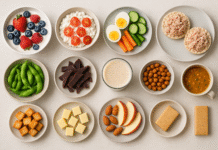
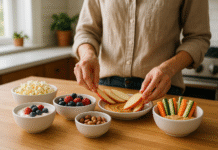
- Keep 2–3 flexible go-to mini-meals ready (e.g., Greek yogurt + berries; hummus + whole-grain pita + veggies; egg scramble + greens).
- If a specific craving persists after a balanced snack and a 10-minute pause, enjoy a modest portion intentionally (plate it, sit down, no screens).
- Pair hyper-palatable foods with protein/fiber to blunt over-eating.
Synthesis: Flexibility suggests fuel need; specificity suggests soothing—plan your response accordingly.
4. Emotional Context: Use the HALT Check (Hungry, Angry/Anxious, Lonely, Tired)
Emotional hunger is strongly linked to mood states and stress. Before you eat, run the HALT check: Am I Hungry, Angry/Anxious, Lonely, or Tired? If emotion is driving the urge, food rarely fixes the underlying need for more than a few minutes; coping skills do. If you’re truly hungry and stressed, address both: eat a balanced snack, then take a short walk or text a friend. If you’re not hungry but anxious, skip the snack and soothe directly.
4.1 Tools/Examples
- Angry/Anxious: 60–90 seconds of box breathing (inhale 4, hold 4, exhale 4, hold 4), or a 5-minute outdoor walk.
- Lonely: Message or voice-note a friend; schedule a call; change environment (library, café).
- Tired: 10-minute screen-free break; if possible, a 20-minute nap; hydrate and plan an earlier bedtime.
Mini-checklist
- Which HALT letter is loudest right now?
- Will food solve that state or just distract me?
- What’s a 2-minute non-food step I can take?
Synthesis: If HALT—not hunger—is loud, soothe first; if hunger is also present, combine fuel with a coping skill.
5. Satisfaction and the 20-Minute Signal: Let Fullness Catch Up
Satiety signals rely on stretch and hormones that take time to register—often around 20 minutes or more. Emotional eating tends to be fast and distracted, “outrunning” the body’s ability to say, “enough.” Plan meals so fullness can arrive before you overshoot.
5.1 Numbers & guardrails
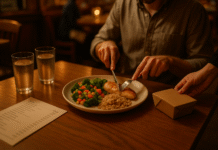
- Pace: Aim for meals lasting 15–25 minutes; set a midpoint pause at 50–60% through your plate.
- Mindful bites: Put utensils down every 3–4 bites; sip water intermittently.
- Portioning: Start with a modest portion; you can always add more after a 5-minute check-in.
Common mistakes
- Eating while scrolling or driving (sensory distraction reduces satisfaction).
- Interpreting “not full yet” at minute 8 as “need seconds,” then feeling stuffed at minute 20.
- Ignoring subtle satiety signs (slowed eating, food tasting less vivid).
Synthesis: Build a short pause into meals so hormonal satiety can surface; satisfaction reduces the pull to continue.
6. Timing and Meal Makeup: Protein + Fiber Tame Roller-Coaster Hunger
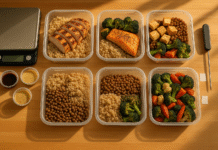
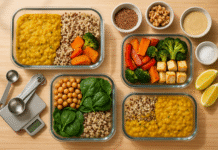
If it’s been 3–5 hours since your last balanced meal, physical hunger is likely. Meals light on protein and fiber can leave you hungry again quickly, which blurs signals and sets up emotional eating. Aim for steady patterns: regular meals or a meal plus planned snacks, each including protein (beans, eggs, yogurt, tofu, fish, poultry) and fiber (vegetables, fruit, whole grains, pulses). Fiber targets of ~14 g per 1,000 kcal/day (e.g., 25–34 g/day for many adults) improve fullness. Divide your daily protein across meals in ways that fit your needs and preferences.
6.1 How to build it (mix and match)
- Breakfast: Oats + chia + berries + yogurt.
- Lunch: Lentil-quinoa bowl with roasted veg and olive oil.
- Snack: Apple + peanut butter; or carrots + hummus.
- Dinner: Tofu or chicken stir-fry with brown rice and broccoli.
Mini-checklist
- Did my last meal include both protein and fiber?
- Is my “hunger” actually rebound from a high-sugar snack?
- What simple add-on (beans, veg, nuts) would round out the next meal?
Synthesis: Regular, protein-and-fiber-rich eating steadies physical cues, making emotional signals easier to spot.
7. Environment and External Triggers: Design Your Defaults
Cues around you—screens, open snack bowls, oversized plates, social pressure, alcohol—can prompt eating without hunger. Emotional hunger thrives in autopilot settings; physical hunger is easier to honor when the environment supports mindful choices. Instead of relying on willpower, engineer your space.
7.1 Practical environment shifts
- See less, eat less: Keep treat foods out of immediate sight; store cut fruit/veg at eye level.
- Right-size dishes: Use 8–9″ plates for everyday meals; pre-portion snacks into small bowls.
- Single-task eating: Make the table your eating zone—no phones, laptops, or cars.
- Social scripts: Practice phrases like, “Looks amazing—I’m full right now, can I take some for later?”
Common pitfalls
- “I always finish what’s on my plate.” → Start with less; pause; get more if still at 3–4 hunger.
- “I graze while cooking.” → Place a water glass or sugar-free gum at the prep station.
- “I snack at my desk.” → Set a screen-free 10-minute snack break.
Synthesis: Shape your surroundings so autopilot nudges you toward attuned choices rather than impulsive bites.
8. Mindful Mechanics: Slow, Savor, and Sense
Mindful eating is not a diet; it’s paying full attention to the act of eating. That attention boosts satisfaction per bite and makes it easier to hear “enough.” Even two minutes of intention can shift an entire meal.
8.1 How to do it
- Micro-ritual: Before the first bite, take one breath and notice color, aroma, texture.
- Sensory sequence: First three bites, eat slowly and silently. Name flavors and textures.
- Mid-meal check: “Where am I on the 0–10 fullness scale? What would leave me satisfied at 6–7?”
Mini-checklist
- Did I taste the first bite?
- Am I chewing fully or swallowing quickly?
- Do I want more taste or do I need more food?
Synthesis: Mindfulness turns down “food noise,” turns up body cues, and naturally trims overeating.
9. Sleep and Stress: Fix the Signal Amplifiers
Short sleep and chronic stress change appetite hormones—ghrelin rises (more hunger), leptin falls (weaker fullness)—and intensify cravings for quick-energy foods. That means the same afternoon snack looks bigger and glossier after a 4-hour night. To keep hunger signals trustworthy, protect sleep and decompress stress.
9.1 Numbers & guardrails
- Sleep: Target 7–9 hours for most adults; keep a consistent wake time.
- Evening wind-down: Dim lights/screens 60 minutes before bed; consider a short stretch or book.
- Stress breaks: Insert 2–3 micro-breaks daily (2–5 minutes each): breathwork, walk, or music—especially before meals.
Mini-checklist
- How did I sleep last night?
- Does a 3-minute breathing break reduce this urge by 10–20%?
- What non-food relief is available right now?
Synthesis: Sleep and stress management make hunger cues clearer and cravings quieter.
10. Hydration and Pre-Meal Water: Sometimes You’re Thirsty
Mild dehydration can mimic low-energy and “snacky” feelings. Drinking water throughout the day supports attention and can modestly reduce meal-time intake for some people, especially when consumed shortly before eating. This isn’t a trick to “hack” hunger—just a simple way to give your body what it might actually be asking for.
10.1 How to apply
- Routine: Keep water within reach; drink to thirst plus with meals.
- Before meals: Try 350–500 ml water 10–30 minutes before larger meals.
- Flavor: Use sparkling water, slices of citrus, or unsweetened tea if that helps you drink more.
Mini-checklist
- Have I had water in the last hour?
- Would a warm tea satisfy this “itch”?
- Am I using water to delay legitimate hunger? (Don’t.)
Synthesis: Hydration won’t replace meals, but it can quiet false signals and support steadier eating.
11. Plan and Plate: Build Satisfying Meals, Not Rules
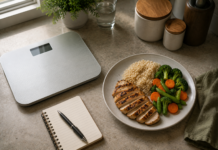
If you want overeating to fade, make satisfying your default. Plan simple meals you actually enjoy and plate them intentionally: half vegetables/fruit, a quarter protein, a quarter quality carbs, plus some healthy fat. Pre-decide rough meal/snack times that suit your life so you’re not negotiating with hunger when you’re depleted.
11.1 Tools/Examples
- Plate method: Visual template to ensure variety and volume without measuring.
- Two-column plan: Column A = quick meals (eggs + veg; tuna + whole-grain crackers). Column B = enjoyable “treat” foods to pair mindfully (ice cream in a small bowl after dinner).
- Exit strategy: End meals with a cue (tea, brushing teeth, short walk) to signal “done.”
Mini-checklist
- Does this plate include color, protein, fiber, and fat?
- Do I have an enjoyable element so I don’t chase satisfaction later?
- What’s my end-of-meal ritual?
Synthesis: A satisfying, balanced plate plus a planned finish line makes overeating less likely—no willpower required.
FAQs
1) What’s the simplest way to tell emotional vs. physical hunger in the moment?
Check onset and flexibility. If hunger built gradually and any balanced food would satisfy it, that’s physical hunger—eat. If the urge is sudden and only a specific comfort food will do, pause for two minutes, run a HALT check, and choose a small mindful portion or a non-food soothe. Over time, this two-step habit becomes automatic.
2) Is it true the brain takes 20 minutes to feel full?
Satiety relies on gut stretch and hormones that take time to reach the brain. Many people experience a ~20-minute lag. That’s why pausing mid-meal and eating without screens helps avoid overshooting. You don’t need a timer—just create a midpoint check-in and you’ll notice “enough” sooner.
3) I’m hungry an hour after meals. What should I change?
First, review your last meal’s protein and fiber. Meals heavy on refined carbs can digest quickly, leading to rebound hunger. Add beans, lentils, eggs, yogurt, tofu, fish, or chicken plus vegetables/whole grains. Also check sleep and stress—both can amplify appetite and cravings independent of calories.
4) Are cravings always emotional?
Not always. Cravings can be driven by biology (e.g., habitual cues before a workout, menstrual cycle shifts) or by emotions and environment. If a craving fades after a short pause, hydration, and a balanced snack, it was likely emotional. If it persists and you’re hungry, include a small portion of the craved food within a balanced meal to satisfy it without a later “chase.”
5) Does drinking water before meals really help with overeating?
For some, yes. Studies show that 350–500 ml of water ~10–30 minutes before meals can modestly reduce energy intake, particularly in older adults. Think of it as supportive, not a rule. If you’re truly hungry, eat; don’t use water to suppress legitimate hunger.
6) How does stress change hunger?
Stress can increase “drive-to-eat” pathways and shift hormones like ghrelin, making cravings louder. Some people eat less under acute stress but more under chronic, simmering stress. Short, planned decompression breaks—breathwork, a brief walk, a friend check-in—reduce impulsive eating and help you hear authentic hunger.
7) What if I overeat anyway?
It happens. Skip the guilt spiral. Log a quick note (trigger, setting, state), hydrate, and plan your next balanced meal. Guilt fuels more emotional eating; curiosity builds skill. If overeating is frequent, consider support from a registered dietitian or therapist trained in mindful or intuitive eating.
8) I’m dieting and constantly hungry. Is that “physical” or “emotional”?
Chronic restriction can make all hunger feel urgent. If you’re under-fueling, your body will push back. Ensure you’re meeting energy needs with balanced meals and regular snacks. Then layer in the cues here. If food rules dominate your day, explore gentler nutrition approaches like mindful or intuitive eating with a professional.
9) Can a hunger/fullness scale really help?
Yes—rating 0–10 just before, mid-meal, and after builds interoceptive awareness. Start eating around 3–4 and finish around 6–7 most of the time. You’ll learn your patterns fast, especially if you pair it with brief meal notes for a week.
10) When should I worry about an eating disorder?
If you’re experiencing loss of control with eating, frequent binges, purging, rigid rules, or intense distress about food/body, seek professional care. These are medical and mental-health conditions; early support improves outcomes. Contact your local health services or a certified specialist.
11) Does plate size really matter?
It’s not magic, but smaller plates and pre-portioned snacks reduce mindless over-serving. Combine this with mindful pacing and a midpoint pause to let satiety show up before you reach for seconds.
12) Is “intuitive eating” the same as mindful eating?
They overlap but aren’t identical. Mindful eating emphasizes awareness during eating. Intuitive eating is a broader self-care framework that includes honoring hunger/fullness, making peace with food, and coping with emotions without using food. Both can reduce overeating when practiced consistently.
Conclusion
You don’t need perfect willpower to avoid overeating—you need better signals and a few reliable moves. Start by noticing tempo (gradual vs. sudden), location (stomach vs. head), and flexibility (any balanced food vs. only one thing). Use HALT to spot non-food needs, slow down so satiety can arrive, and build meals around protein, fiber, color, and genuine enjoyment. Shape your environment to support attention, hydrate consistently, and protect sleep so hormones don’t muddle the message. Most importantly, treat every eating moment as a chance to learn. A week from now, your cues will already be clearer. A month from now, overeating will feel less compelling—because you’ll be satisfied more often. Your next step: pick one cue above to practice at your very next meal and write a 1-line observation afterward.
References
- “Decoding Your Hunger: Are You Really Hungry or Not?” Cleveland Clinic, Dec 19, 2019. https://health.clevelandclinic.org/decoding-your-hunger-are-you-really-hungry-or-not
- “Mindful eating may help with weight loss.” Harvard Health Publishing, July 6, 2011. https://www.health.harvard.edu/healthbeat/mindful-eating-may-help-with-weight-loss
- “Slow down—and try mindful eating.” Harvard Health Publishing, Sept 18, 2022. https://www.health.harvard.edu/staying-healthy/slow-downand-try-mindful-eating
- Spiegel K, et al. “Brief Communication: Sleep Curtailment in Healthy Young Men Is Associated with Decreased Leptin Levels, Increased Ghrelin Levels, and Increased Hunger and Appetite.” Annals of Internal Medicine, Dec 7, 2004. https://www.acpjournals.org/doi/10.7326/0003-4819-141-11-200412070-00008
- U.S. Department of Agriculture and U.S. Department of Health and Human Services. Dietary Guidelines for Americans, 2020–2025. Dec 2020. https://www.dietaryguidelines.gov/sites/default/files/2020-12/Dietary_Guidelines_for_Americans_2020-2025.pdf
- Davy BM, et al. “Water consumption reduces energy intake at a breakfast meal in overweight and obese older adults.” American Journal of Clinical Nutrition, 2008. https://pubmed.ncbi.nlm.nih.gov/18589036/
- Dennis EA, et al. “Water Consumption Increases Weight Loss During a Hypocaloric Diet Intervention in Middle-aged and Older Adults.” Obesity, 2010. https://pmc.ncbi.nlm.nih.gov/articles/PMC2859815/
- “Mindful Eating.” British Dietetic Association, 2020 (reviewed/updated). https://www.bda.uk.com/resource/mindful-eating.html
- Novotney A. “Bite, chew, savor.” APA Monitor on Psychology, Nov 2012. https://www.apa.org/monitor/2012/11/bite-chew
- “Stress and eating.” American Psychological Association, 2013. https://www.apa.org/news/press/releases/stress/2013/eating
- “Overview – Binge eating disorder.” NHS, last reviewed/updated (accessed Aug 2025). https://www.nhs.uk/mental-health/conditions/binge-eating/overview/