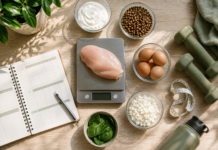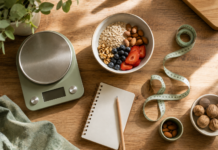
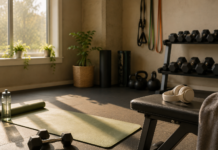
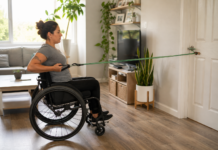
























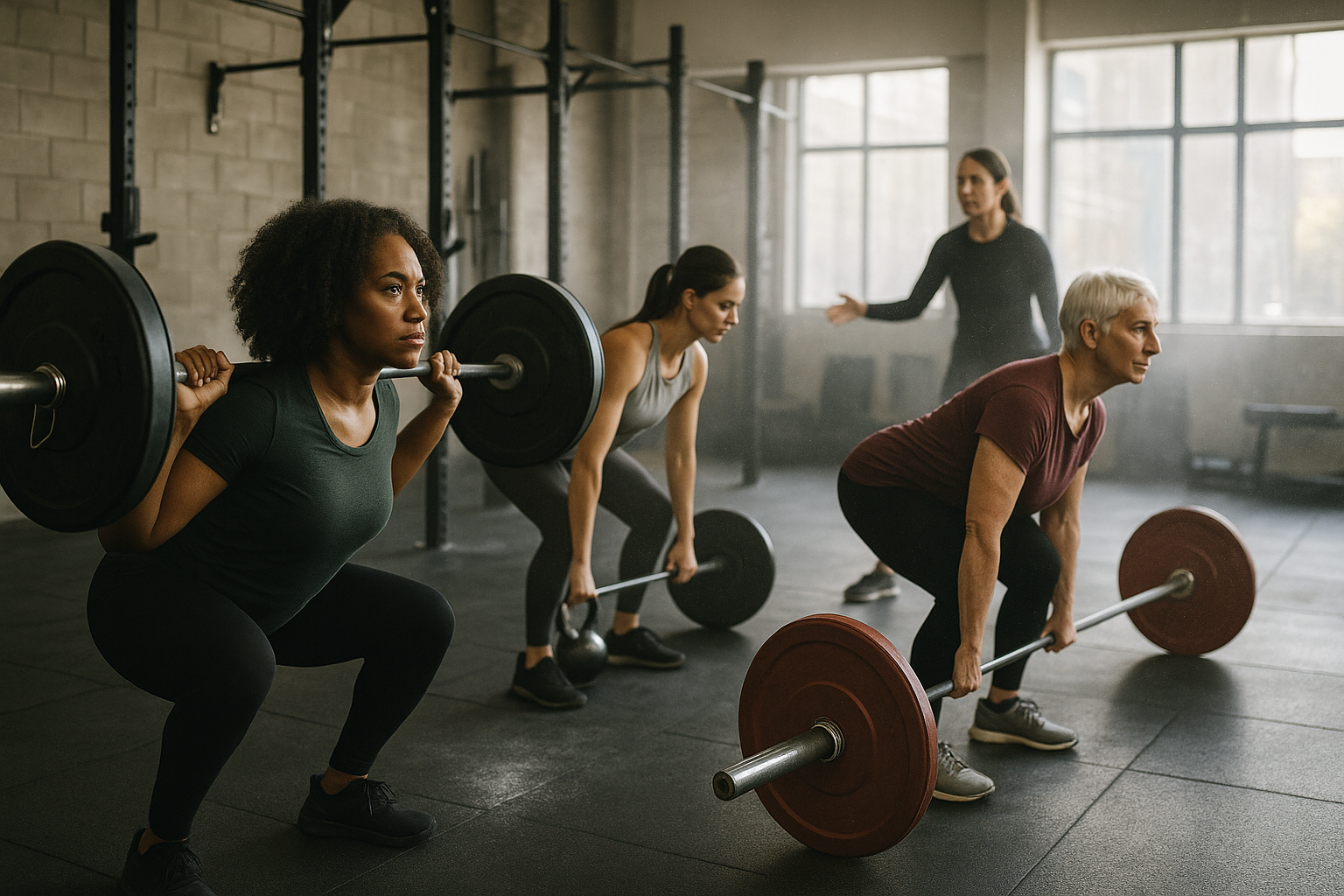
Strength training for women is simply planned resistance exercise—using bodyweight, free weights, or machines—to build stronger muscles, bones, and metabolic health. Done with sensible progressions, it supports heart health, reduces injury risk, and improves quality of life across life stages. In short: it’s safe for most women and need not be complicated. For quick context, adults are advised to do muscle-strengthening work at least 2 days per week alongside weekly aerobic activity; any amount is better than none.
1. “Lifting Will Make Me Bulky” — Biology Says Otherwise
Most women will not “bulk up” from lifting because typical female testosterone levels are far lower than men’s, and the hypertrophy response depends on load, volume, nutrition, and time. Women generally have total testosterone around 15–70 ng/dL, versus ~300–1,000 ng/dL in men. That 10x-ish difference, plus individual genetics and training variables, means muscle gain is gradual and modulated—not automatic. When women do put on noticeable muscle, it is usually the product of months or years of progressive overload and adequate protein, not a few weeks of squats. This is good news: you can get stronger, firmer, and more capable without overshooting your desired look.
1.1 Why it matters
- Understanding hormones removes fear and helps you train consistently.
- Muscle adds shape and improves metabolism without requiring extreme diets.
- You can steer physique outcomes by adjusting sets, reps, and calories.
1.2 Numbers & guardrails
- Expect beginner gains of ~1–3 kg lean mass across the first year with consistent training and nutrition; it’s slower thereafter (typical ranges vary widely).
- Use a mix of 6–12 reps for hypertrophy, and 3–6 reps for strength blocks with longer rests.
Mini-checklist
- Lift 2–3 days/week; use full-body sessions.
- Eat sufficient protein (see Section 10).
- Track progress by performance (reps/weight) and measurements, not scale alone.
Bottom line: “bulky” is a training and nutrition choice, not an inevitable outcome for women who lift.
2. “Cardio Is Enough; Strength Doesn’t Matter” — Both Matter, and Strength Adds Unique Benefits
Cardio is great; it improves aerobic capacity and cardio-metabolic health. But strength work adds benefits you won’t get from cardio alone—like maintaining lean mass, improving bone and tendon health, and reducing risks for major diseases and mortality. Large analyses show muscle-strengthening activities are associated with ~10–17% lower risks of all-cause mortality, CVD, total cancer, and diabetes, especially when combined with aerobic exercise. Translation: best outcomes come from doing both.
2.1 How to combine smartly
- Simple split: 2–3 full-body strength days + 2–3 cardio days.
- Time-pressed: 2 strength sessions (40–50 min) + 2 brisk 20–30 min walks.
- Seasonal: Emphasize strength in winter; maintain with shorter circuits during busy periods.
2.2 Common mistakes
- Skipping lower-body strength (glutes, quads, calves) and posterior chain work.
- Treating strength as “extra” rather than core training.
- Doing so much cardio that recovery for lifting suffers.
Mini case
A 38-year-old who swapped one weekly run for a 45-minute strength session (squats, hinges, pushes, pulls) maintained her 5K time while eliminating knee pain and improving DEXA lean mass over 6 months.
Keep cardio you enjoy, but add two days of strength for long-term health. Your heart, joints, and bones all benefit.
3. “Women Should Only Use Light Weights and High Reps” — Use the Right Load for the Goal
Light weights/high reps build muscular endurance; they’re not mandatory—or optimal—for strength or muscle gain. Position stands and reviews indicate moderate loads (roughly 60–80% 1RM, often 6–12 reps per set) are efficient for hypertrophy, while heavier loads (≥80% 1RM, 3–6 reps) drive maximal strength. You can also grow muscle across a wide rep range if sets are taken near muscular failure, but chronically avoiding challenge slows progress. The practical fix: pick the rep range that matches your goal and progress the load over time.
3.1 How to do it
- Hypertrophy focus: 3–5 sets of 6–12 reps at 60–80% 1RM; 60–120 sec rests.
- Strength focus: 3–5 sets of 3–6 reps at 80–90% 1RM; 2–3 min rests.
- Endurance/rehab: 2–4 sets of 12–20+ reps with lighter loads, close to fatigue.
3.2 Tools & examples
- Use RPE (Rate of Perceived Exertion) 7–9 for your work sets.
- Progressive overload: add 2.5–5 kg to barbell lifts every 1–2 weeks when you hit your rep target.
Synthesis: Training should sometimes feel heavy. If you can do 20+ reps easily, you’re likely under-loading for strength or hypertrophy. tourniquets.org
4. “I Can ‘Tone’ Just My Belly/Arms” — Spot Reduction Isn’t How Fat Loss Works
Targeted exercises strengthen the muscles you train; they don’t selectively burn the fat covering those muscles. Controlled trials show training one limb or area doesn’t preferentially reduce fat there—overall energy balance and whole-body fat loss drive where you look leaner. Use ab work for core strength and anti-extension/rotation capacity; use nutrition and total training load for fat loss.
4.1 How to look “toned”
- Maintain a modest calorie deficit if fat loss is the goal.
- Lift 2–3 times/week to preserve lean mass while dieting.
- Include daily walking to boost total energy expenditure.
4.2 Common pitfalls
- Endless crunches without attention to diet or total activity.
- Chasing sweat/burn over progressive loading.
- “Quick fixes” (wraps, creams) that don’t alter physiology.
Numbers & guardrails
Reasonable fat-loss rates are ~0.25–0.75% of bodyweight per week; faster loss increases lean-mass risk. Strength training helps preserve muscle so you look leaner at a higher bodyweight.
5. “Strength Training Is Unsafe in Pregnancy” — With Medical Clearance, It’s Encouraged
For healthy pregnancies without contraindications, aerobic and strength conditioning are recommended before, during, and after pregnancy. Guidance emphasizes 150 minutes per week of moderate activity and muscle-strengthening on at least 2 days, with sensible modifications as your body changes (e.g., avoiding supine work after the first trimester if symptomatic, managing intra-abdominal pressure). A thorough clinical evaluation is advised, but exercise is generally safe and beneficial—including reduced risks of gestational diabetes and hypertensive disorders.
5.1 How to do it (trimester-wise)
- First: Keep pre-pregnancy program with caution on breath-holding; prioritize technique.
- Second: Swap crunches/sit-ups for anti-rotation/stability; widen stance as needed.
- Third: Shorten sessions, elevate benches, and favor machines or dumbbells for comfort.
5.2 Mini-checklist
- Use the “talk test” for moderate intensity.
- Stop if you experience dizziness, bleeding, fluid leakage, or chest pain.
- Consider pelvic-floor consult; see Section 6.
Synthesis: Strength work in pregnancy is usually safe and helps you stay functional for labor, delivery, and postpartum life, with your clinician’s guidance. ACOG
6. “Heavy Lifting Always Harms the Pelvic Floor Postpartum” — Individualize and Progress Gradually
Pelvic floor symptoms (like leaking) are common postpartum, but heavy lifting isn’t inherently off-limits. The key is graded exposure, breath strategy (avoid habitual breath-holding), and coordination with a pelvic-health professional if symptoms arise. Major bodies emphasize that exercise is beneficial in the postpartum period; modifications and stepwise progressions are the rule, not avoidance. Practically, you start with walking, core pressure management, and bodyweight patterns, then reintroduce loads as tolerance improves.
6.1 How to return to lifting
- Weeks 0–6 (as cleared): Diaphragmatic breathing, pelvic floor coordination, daily walks.
- Weeks 6–12: Goblet squats, hip hinges, rows; moderate RPE, 2–3/week.
- 3–6 months: Gradually load barbells/kettlebells; monitor for symptoms; adjust.
6.2 Red flags to pause & consult
- Pelvic heaviness/dragging, persistent leaking under light loads, pain at C-section scar or perineum, bulging at the linea alba.
Synthesis: Many postpartum women safely return to heavy lifting with staged progressions and support; avoidance isn’t the default.
7. “Strength Training Is Unsafe for Girls/Teens and Stunts Growth” — Not When Supervised
Modern guidelines affirm that properly designed, supervised youth resistance training is safe and beneficial, improving strength, motor skills, and injury resilience. Growth plate injuries are rare when programs are age-appropriate and coached. The American Academy of Pediatrics’ 2020 clinical report supports resistance training for children and adolescents; competitive Olympic lifting is reserved for those with technical coaching and maturity, but general strength work is encouraged. AAP Publications
7.1 How to structure youth programs
- 1–3 sets of 6–15 reps with sub-maximal loads; technique first.
- 2–3 non-consecutive days/week; full-body movement patterns.
- Coach cues posture, tempo, and safe bar paths.
7.2 Common mistakes
- Max-testing too often.
- Copying adult body-building splits.
- Poor supervision in crowded gyms.
Synthesis: For girls in sport or just life, strength training builds confidence and capacity—safely—when coached and progressed.
8. “Older Women Shouldn’t Lift Heavy” — Strength Is Medicine for Midlife and Beyond
After 30, women lose muscle and bone mass faster without resistance training—raising fall and fracture risk. Systematic reviews in postmenopausal women show that resistance training improves physical fitness and supports bone mineral density, with moderate-intensity protocols particularly effective for lumbar spine and femoral neck. Add balance and power work to reduce fall risk. Heavier (but controlled) loads are not only permissible but often necessary to stimulate bone and tendon.
8.1 How to do it
- Template: 2–3 strength days + 2 short balance/power micro-sessions.
- Exercises: Squats to chair, trap-bar deadlifts, step-ups, rows, presses, carries.
- Progression: Slightly heavier loads over months; prioritize form and recovery.
8.2 Guardrails
- DEXA, vitamin D/calcium status via clinician if osteopenic/osteoporotic.
- Use machines or partial ROM during painful flares; keep moving.
Synthesis: The safest time to build strength was years ago; the second-best is today—with smart progressions. CDC
9. “Strength Training Doesn’t Help With Fat Loss or Metabolic Health” — It Protects Lean Mass and Helps Your Numbers
On the scale, resistance training alone may not drop weight quickly, but it preserves/increases lean mass during calorie deficits and reduces waist circumference—key for metabolic health. Observational and pooled analyses associate muscle-strengthening activity with lower risks of diabetes and cardiometabolic disease, and the best outcomes occur when strength work is combined with aerobic activity and nutrition. If fat loss is the aim, think “preserve muscle, lose fat,” not just “lose weight.”
9.1 Practical steps
- Lift 2–3 days/week while maintaining a modest calorie deficit.
- Hit daily protein targets (see Section 10).
- Walk daily or add intervals 1–2 days/week.
9.2 Quick metrics
- Track waist at the navel, resting HR, and strength numbers.
- Reassess every 4–6 weeks; adjust calories/training load as needed.
Synthesis: Strength training is your insurance policy against “skinny-weak” weight loss—protecting muscle, metabolism, and long-term health. Lippincott Journals
10. “Women Need Less Protein (and Plant Protein Doesn’t Work)” — Needs Depend on Training, Not Sex Alone
The RDA (0.8 g/kg/day) prevents deficiency; it’s not a target for active lifters. Position statements suggest 1.2–2.0 g/kg/day for people doing regular resistance training, distributed across meals (~0.3–0.4 g/kg/meal). Plant-based athletes can meet these targets and gain muscle when total protein and leucine are adequate (e.g., soy, mixed legumes + grains). Your optimal number depends on body size, goals, and energy intake, not gender alone.
10.1 How to hit your number
- Ballpark: 1.6 g/kg/day (e.g., 64 kg → ~100 g/day) as a mid-range starting point.
- Meal pattern: 3–4 protein feedings of 25–40 g each, plus a protein-rich snack.
10.2 Common mistakes
- Eating most protein at dinner; skimping at breakfast.
- Ignoring total daily intake while fixating on powders.
- Assuming plant proteins are inferior at equal doses.
Synthesis: Train → earn higher protein needs. Choose foods you enjoy—animal or plant—to hit them consistently.
11. “Cycle-Syncing Your Lifting Is Mandatory” — Personalize It; Evidence Is Mixed
You can absolutely train well across your whole menstrual cycle. Evidence to date shows small and variable performance differences by phase, with individual responses outweighing group averages; oral contraceptives further change the picture. Rather than rigid “phase rules,” track how you feel and adjust load or volume accordingly. Many women report feeling strongest in mid-to-late follicular phase; others don’t. Your data > generic templates.
11.1 Practical approach
- Track sleep, mood, RPE, and performance for 2–3 cycles.
- Plan hard sessions when you typically feel best; keep options to swap days.
- During cramps/low-energy days, reduce volume by ~20–30% or switch to technique work.
11.2 Guardrails
- Iron status matters—ask your clinician about ferritin if you struggle with fatigue.
- If symptoms are severe, consult a healthcare professional.
Synthesis: Train year-round. Let personal trends guide tweaks; skip rigid rules unless your data clearly supports them.
12. “Creatine and Similar Supplements Are for Men” — Creatine Is Safe and Useful for Many Women
Creatine monohydrate is one of the most researched ergogenic aids. Position stands conclude it’s safe for healthy adults and improves high-intensity performance and lean mass when combined with training. Typical dosing is 3–5 g/day; loading is optional. There’s limited evidence in pregnancy/postpartum, so skip it then unless your clinician advises otherwise. Otherwise, creatine is a low-cost tool for women who want strength, sprint power, or cognitive benefits.
12.1 How to take it
- Daily 3–5 g with any meal; consistency beats timing.
- If loading: 20 g/day in 4 doses for 5–7 days, then 3–5 g/day.
- Pair with lifting 3x/week for best results.
12.2 Mini-checklist
- Choose plain monohydrate from a reputable brand.
- Stay hydrated; expect ~0.5–1.5 kg water-associated weight gain in muscle.
- If you have kidney disease, consult your physician first.
Synthesis: Creatine isn’t “for men.” It’s for lifters—women included—who want a small, reliable edge.
FAQs
1) How many days per week should women lift to see results?
Two to three full-body sessions/week are enough for most beginners to improve strength, energy, and daily function. Add a fourth day only if you’re recovering well and have a specific goal (e.g., powerlifting meet, aesthetic phase). Pair with 150 minutes of weekly aerobic activity for general health.
2) What rep range is best for “toning”?
“Tone” comes from building muscle and lowering body fat. Most women will do well with 6–12 reps for compound lifts at challenging loads, plus some higher-rep accessory work. Ensure weekly progression (more weight or reps) and keep a moderate calorie intake to support your aim.
3) Can I strength train while pregnant?
If your clinician clears you and there are no contraindications, yes. Use moderate intensity, avoid sustained breath-holding, and modify exercises as you progress through trimesters. If warning signs appear (bleeding, dizziness, chest pain), stop and seek care.
4) I’m 55 and new to lifting—too late?
Not at all. Resistance training improves function and supports bone health post-menopause. Start with machines and bodyweight patterns, then progress to free weights. Add balance and power drills to reduce fall risk.
5) Is cardio or strength better for fat loss?
Both can help; together is best. Cardio burns energy during the session; strength preserves metabolically active muscle while you diet. Program 2–3 strength days and add walking/intervals to taste.
6) Will lifting make my waist bigger?
Unlikely. Your obliques and deep core can get stronger without appreciable outward growth. Waist size is driven mostly by body fat and bloating. Train core for function; manage nutrition for circumference changes.
7) Do I need supplements?
No supplement replaces food or training. Creatine monohydrate (3–5 g/day) is the rare evidence-based option for performance and lean mass. Protein powders are just convenient food. Always start with whole foods.
8) Is high-rep “light” training safer for women than heavy training?
Safety correlates more with technique, progression, and recovery than with the rep number alone. Heavier sets are safe when coached and progressed sensibly; lighter sets are useful for endurance or rehab. Mix methods over time.
9) Can I train on my period?
Yes. Many women train normally; some adjust volume or choose movements that feel better. Track how you respond, then plan harder sessions in weeks you typically feel strongest. PMC
10) What’s a simple starter plan?
Three days/week: Day A (squat, press, row), Day B (hinge, lunge, pulldown), Day C (front squat, bench, deadlift variation). 3–4 sets of 6–10 reps, leaving 1–2 reps in reserve. Walk on off-days.
11) How much protein do I need?
If you lift regularly, target ~1.2–2.0 g/kg/day, split across meals. Plant or animal sources both work when totals are met. PMC
12) Is spot reduction possible with “ab burners”?
No. Strengthen your core for function and posture, but use overall calorie balance and total activity to change body fat distribution over time.
Conclusion
Strength training for women isn’t a niche; it’s one of the most impactful health investments you can make at any age. The science is reassuringly consistent: combine 2–3 weekly strength sessions with your preferred cardio, eat enough protein, progress weights over time, and adjust around life stages—from pregnancy to menopause—rather than opting out. You don’t need to fear “bulk,” avoid heavy loads, or chase spot-reduction gimmicks. What you do need is a clear plan, appropriate progression, and patience. Start where you are: master a squat, hinge, push, pull, and carry; log your sessions; and let your performance guide the next step. You’ll move better, feel more capable, and stack long-term health benefits that outlast any quick-fix trend.
Ready to begin? Pick two lifting days this week, schedule them now, and complete your first three movements with intention.
References
- Physical activity — Fact sheet, World Health Organization, Jun 26, 2024, World Health Organization
- What Counts as Physical Activity for Adults, Centers for Disease Control and Prevention, Dec 6, 2023, CDC
- Momma H. et al., Muscle-strengthening activities are associated with lower risk and mortality in major non-communicable diseases: a systematic review and meta-analysis of cohort studies, Br J Sports Med, 2022, PubMed
- Paluch A.E. et al., Resistance Exercise Training in Individuals With and Without Cardiovascular Disease, Circulation (AHA Scientific Statement), 2024, AHA Journals
- Ratamess N. et al., ACSM Position Stand: Progression Models in Resistance Training for Healthy Adults, Med Sci Sports Exerc, 2009, PubMed
- Schoenfeld B. et al., Loading Recommendations for Muscle Strength, Hypertrophy, and Local Endurance: A Re-examination of the Repetition Continuum, Sports, 2021, PMC
- Ramírez-Campillo R. et al., Localized muscle endurance training does not induce regional fat loss in healthy females, J Strength Cond Res, 2013, PubMed
- ACOG Committee Opinion No. 804 — Physical Activity and Exercise During Pregnancy and the Postpartum Period, American College of Obstetricians and Gynecologists, 2020 (web page updated), ACOG
- Stricker P.R. et al., Resistance Training for Children and Adolescents (AAP Clinical Report), Pediatrics, 2020, PubMed
- Wang Z. et al., Comparative efficacy of different resistance training protocols on bone mineral density in postmenopausal women: a systematic review and network meta-analysis, Frontiers in Physiology, 2023, Frontiers
- Jäger R. et al., International Society of Sports Nutrition Position Stand: protein and exercise, J Int Soc Sports Nutr, 2017, https://jissn.biomedcentral.com/articles/10.1186/s12970-017-0177-8 NCBI
- Kreider R.B. et al., International Society of Sports Nutrition Position Stand: safety and efficacy of creatine supplementation in exercise, sport, and medicine, J Int Soc Sports Nutr, 2021, https://jissn.biomedcentral.com/articles/10.1186/s12970-021-00411-5 ACSM
- MedlinePlus — Testosterone: normal results, U.S. National Library of Medicine, Feb 28, 2024, MedlinePlus
- González-Gálvez N. et al., Resistance training effects on healthy postmenopausal women: systematic review with meta-analysis, Eur J Obstet Gynecol Reprod Biol, 2024, PubMed
- Physical Activity Guidelines for Americans, 2nd ed., U.S. HHS, 2018 (still current), Health.gov