
















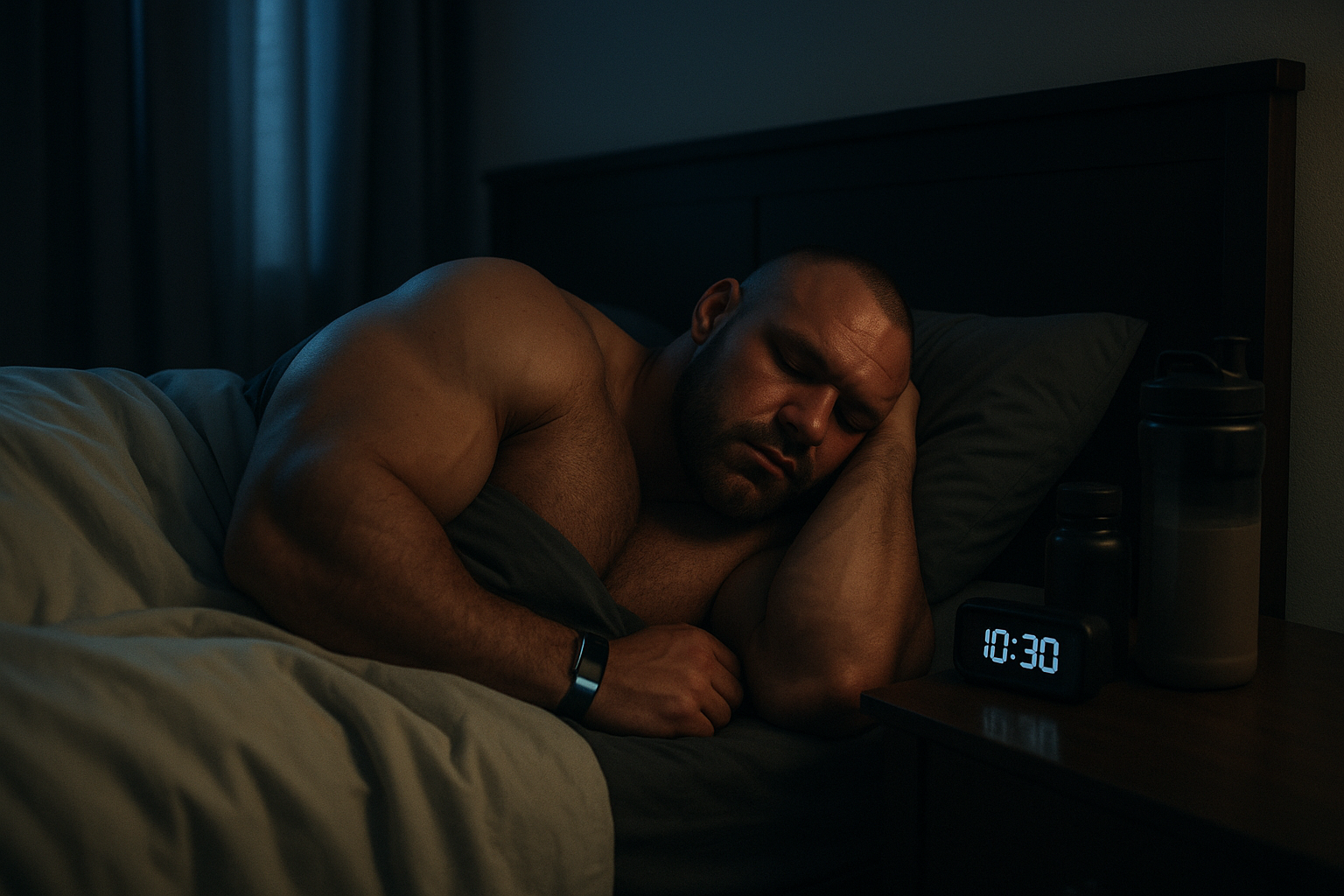
If you train hard, sleep is your most affordable recovery tool—and the one most lifters and runners still underuse. This guide answers the question that actually drives results: how much sleep do you need for muscle recovery, and what else about your sleep (timing, stages, nutrition, naps) moves the needle? Quick answer: most healthy adults should target 7–9 hours nightly; if you’re increasing volume or chasing PRs, aim toward the top end or add strategic naps. This isn’t medical advice; if you snore loudly, stop breathing at night, or feel dangerously sleepy in the day, talk to a clinician about screening for a sleep disorder.
1. The Baseline: Exact Hours That Support Muscle Recovery
Most adults recover best on 7–9 hours per night; older adults often do well on 7–8; high-training athletes usually benefit from the upper end or more total 24-hour sleep. That range isn’t arbitrary: large consensus statements show that fewer than 7 hours is linked to worse performance, higher injury risk, and impaired metabolic and immune function—bad news for anyone trying to gain or maintain muscle. On the other side, routinely sleeping far beyond 9–10 hours can indicate underlying issues (sleep debt, illness, depression, low sleep efficiency), but there’s no strict upper limit if you wake refreshed and function well. If you’re ramping up training volume, treat sleep like a macronutrient: increase the dose.
1.1 Numbers & guardrails
- 18–64 years: 7–9 hours; 65+: 7–8 hours.
- Heavy training blocks: bias toward 8–10 hours total (night + naps).
- Minimum functional floor: if you’re stuck at <7 hours, expect higher fatigue and slower progress.
- Weekly budgeting: 7.5 hours × 7 nights = 52.5 hours of “sleep credit.”
- Add ~30–60 minutes on days with unusually hard sessions or competitions.
1.2 Tools & examples
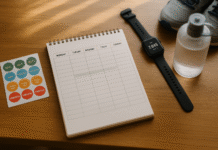
- Sleep diary + wearable: track time in bed vs. actual sleep, wake consistency, and efficiency.
- Performance proxy: if bar speed, RPE, and mood tank despite nutrition being on point, you’re likely under-slept.
- Mini case: a lifter increasing weekly sets by 20% moves from 7:20 to 8:10 nightly for two weeks and sees RPE normalize.
Close the loop: build a baseline target (e.g., 8:00) and defend it like your training program.
2. What Sleep Actually Does: Stages, Hormones, and Muscle Repair
Deep non-REM (slow-wave) sleep drives a surge in growth hormone and supports tissue repair; REM consolidates motor learning and skill. We don’t grow in the gym—we signal growth there. During the first half of the night, slow-wave sleep (SWS) peaks and the pituitary releases pulses of growth hormone that help regulate tissue repair and metabolic recovery. Across the night, protein synthesis continues and the nervous system downshifts; later REM-rich cycles help wire in technique and pacing strategies you practiced. The takeaway: cutting short the first half of the night blunts hormonal recovery; chopping the last third erodes learning and readiness. PMC
2.1 Numbers & guardrails
- First 3–4 hours: SWS-rich; protect this from late caffeine or alcohol.
- Last 2–3 hours: more REM; protect this from early alarms and erratic bedtimes.
- Full 90-minute cycles: aim to wake at a consistent time so you’re not interrupting deep sleep repeatedly.
2.2 Why it matters for training
- Strength and hypertrophy need sufficient deep sleep for tissue repair signals.
- Skill sports (Oly lifting technique, running economy) benefit when REM isn’t truncated by short nights.
Bottom line: the whole night has a job—protect both halves for complete recovery.
3. Your Training Load Changes How Much Sleep You Need
When volume or intensity rises, sleep demand rises; plan for it the way you plan macros and rest days. Athletes often accept DOMS or fatigue as the price of progress, then wonder why lifts stall. Sleep is where central fatigue unwinds and peripheral repair catches up. Monitoring heart-rate variability (HRV) and simple readiness markers (resting HR, mood, RPE drift, bar speed) can help decide whether to add 30–60 minutes of sleep, insert a nap, or deload. Reviews show HR/HRV trends reflect training stress and adaptation—the trick is consistency: take measures under similar conditions (after waking, before caffeine) and look at trends over single days.
3.1 How to do it
- Block planning: during accumulation phases, schedule +30–60 minutes time in bed.
- Trend tracking: if HRV drops and resting HR rises for >3 days, add sleep or reduce load.
- RPE audit: unexplained +1–2 RPE at the same load = likely under-recovered.
- Bar speed check: consistent –5% peak velocity can flag sleep debt before you feel it.
3.2 Mini case
A runner moves from 40→60 km/week. HRV dips 8%, morning mood sours, and easy pace feels labored. She adds 45 minutes sleep and a 20-minute nap twice weekly; within 10 days, HRV normalizes and sessions feel “snappy” again. Synthesis: as training stress rises, budget more sleep—don’t just grind.
4. Naps: Powerful, If You Time Them Right
Short naps (20–30 minutes) or a full 90-minute cycle can boost alertness and performance—especially when you’re sleep-restricted—but mistimed naps can delay bedtime. Evidence in athletes shows that a post-lunch nap improves sprint and cognitive performance after partial sleep loss; broader reviews recommend 20–90 minutes between 13:00–16:00, leaving ~30 minutes to clear sleep inertia before training. Use short naps when nights are short; use 90 minutes when you need more complete recovery. Avoid late-afternoon naps that push bedtime.
4.1 Checklist for high-value naps
- When: early afternoon, not after 16:00.
- How long: 20–30 min (no grogginess) or ~90 min (full cycle).
- Setup: dark, cool, eye mask/earplugs; set two alarms.
- Pre-nap caffeine (optional): a small coffee just before a 20-min nap can reduce inertia (trial cautiously).
- After: 5 minutes of light, movement, water.
4.2 Mini case
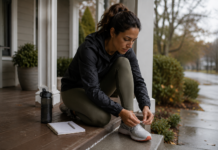
Before a evening heavy squat session, a lifter on a 6-hour night takes a 25-minute nap at 14:00, walks in sun afterward, and later reports a –1 RPE at working sets. Naps are a tool; use them to stabilize rather than replace good nights.
5. Pre-Sleep Nutrition: Protein, Carbs, Caffeine, and Alcohol
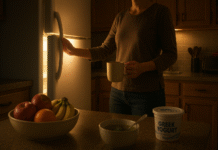
A pre-sleep protein feeding supports overnight muscle protein synthesis; caffeine and alcohol undermine sleep quality—time or limit them. Multiple trials and position stands show 30–40 g casein about 30 minutes before bed increases overnight MPS and can support training adaptations, especially after evening sessions. Small, balanced snacks (e.g., Greek yogurt + fruit) can be sleep-neutral or beneficial; very heavy, spicy, or reflux-triggering meals are not. On the flip side, caffeine taken even 6 hours before bedtime can meaningfully cut total sleep time, and alcohol may hasten sleep onset but disrupts deep sleep and REM later in the night. Practical rule: cut caffeine 6–9 hours before bed; limit or skip alcohol on heavy training days.
5.1 Numbers & guardrails
- Protein: 30–40 g casein (or mixed dairy protein) ~30 min pre-bed after evening training.
- Caffeine cut-off: ≥6–9 hours pre-bed; more if sensitive.
- Alcohol: avoid near bedtime; if consumed, stop ≥3–4 hours before sleep and hydrate.
- Acid reflux prone: keep last meal 2–3 hours before bed, low-fat.
5.2 Tools/Examples
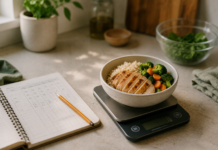
- Example snack: 300 g skyr (≈33 g protein) + berries.
- If dairy-averse: soy/casein-blend shakes or lactose-free options.
Close: nutrition can boost recovery or blunt sleep; time it with intent.
6. Circadian Timing: Consistency, Light, and Shift-Work Strategies
A stable sleep-wake schedule and smart light exposure make your sleep more restorative per hour; shift workers need deliberate phase-shift tactics. Morning bright light anchors the circadian clock; evening bright light (especially blue-enriched) delays it. For jet lag or rotating shifts, timed morning light and appropriately timed low-dose melatonin can help phase-advance the clock; in general life, dim lights at night, avoid bright screens before bed, and get outdoor light after waking. If you work nights, preserve a consistent anchor sleep, control bedroom light/noise, and use dark glasses on the commute.
6.1 How to do it
- Keep wake time fixed within ±30 minutes, even on weekends.
- Morning: get 10–30 minutes of outdoor light soon after waking.
- Evening: dim lights 2 hours before bed; use night-mode or blue-light reduction on screens.
- Shift strategies: sunglasses after night shift, sleep in a dark, cool room; consider 0.5–3 mg melatonin short-term for jet lag (talk to a clinician).
6.2 Mini case
A new parent training at 05:30 stabilizes wake time, adds 15 minutes of balcony light after waking, and moves phone to another room at night. Sleep efficiency improves without changing total time—proving timing is a force multiplier.
7. Sleep Debt & Catch-Up: Can You Fix a Bad Week on the Weekend?
Weekend “catch-up” helps you feel better but doesn’t fully reverse the metabolic and circadian fallout of chronic short sleep. Controlled studies show that after recurrent short sleep, allowing ad-lib sleep on the weekend does not prevent key metabolic disruptions or circadian drift; other observational work suggests limited catch-up may associate with lower mortality vs. none at all. Practical translation: it’s fine to sleep in a bit after a rough week, but don’t rely on weekends to “pay back” debt if you’re training seriously—protect weeknights and use brief naps as needed. SpringerLink
7.1 Guardrails to repay debt
- Step up by 15–30 minutes/night for a week instead of one huge lie-in.
- Prioritize earlier lights-out over later wake-ups (protect morning light).
- Add two 20–30-min naps on heavy days.
- Audit your caffeine window (see Section 5).
7.2 Mini case
After a deadline week, you schedule 8:45 time in bed for five nights and two short naps; lifts stabilize by Thursday. Synthesis: chip away steadily—don’t yo-yo.
8. Environment & Hygiene: Make Each Hour Count
Cool, dark, quiet bedrooms make every hour more restorative; the sweet-spot temperature is ~18°C (65°F). Your core temperature needs to fall to initiate sleep; warm rooms or heavy bedding get in the way. Aim for ~18.3°C/65°F (± a couple of degrees), use blackout curtains, and mask sudden noises with a fan or white-noise app. Evidence for blue-light-blocking glasses is mixed; dimming screens and reducing stimulation remain safer bets. A short wind-down (stretching, reading, breathwork) is an easy win.
8.1 Mini-checklist
- Temp: 16–20°C (60–68°F); keep feet warm if needed.
- Light: blackout curtains; phone outside bedroom.
- Noise: steady fan or white noise.
- Wind-down: the same 10–20 minutes nightly (not doomscrolling).
- Travel: eye mask, earplugs, and a consistent routine.
8.2 Numbers & tools
- Bedroom thermometer; light meter apps for curiosity.
- If hot climate or power outages: cool shower before bed and airflow over damp skin can help.
Close: environment changes are the fastest way to upgrade sleep tonight.
9. Self-Monitoring, Plateaus, and When to Seek Help
Use simple metrics to decide whether you need more sleep, a deload, or medical help. If progress stalls, check sleep first: are you averaging <7.5 hours, waking often, or relying on stimulants? Combine subjective measures (sleepiness scale, mood) with objective ones (resting HR/HRV, bar speed, training log). If you snore, gasp, or feel excessively sleepy, screen for sleep apnea—unaddressed sleep disorders sabotage recovery no matter how perfect your program. Wearables are helpful for trends, not absolutes; treat them as dashboards, not dictators.
9.1 Mini-checklist
- Two-week sleep audit (time in bed, wake time, naps).
- Three-point readiness (mood, resting HR, HRV trend).
- Training reality check (RPE drift, bar speed).
- Red flags for a clinician: loud snoring, witnessed apneas, morning headaches, leg kicks, overwhelming daytime sleepiness.
9.2 Decision tree
If sleep is <7 hours with rising fatigue → add +45 minutes/night and reassess in a week. If sleep is adequate but performance trends down → deload 20–30% for 5–7 days. If daytime sleepiness or breathing symptoms → seek evaluation. Synthesis: measure, adjust, and escalate appropriately.
FAQs
1) What’s the ideal number of hours for muscle growth?
For most adults, 7–9 hours nightly is the sweet spot for muscle recovery and performance. If you’re in a high-stress block (more sets, closer to failure, or added conditioning), push toward 8–9 or add a 20–30-minute nap. The best indicator is next-day performance and how you feel: steady strength, normal RPE, and stable mood suggest your sleep dose is right. Sleep Health Journal
2) Can I build muscle on 6 hours of sleep?
Some progress is possible, but it’s like training on low calories: expect slower gains and more fatigue. Under 7 hours is associated with impaired performance, greater injury risk, and poorer metabolic outcomes. If life caps you at 6:30, defend that time fiercely, use short naps, and reduce training stress temporarily until sleep improves.
3) Do naps “count” toward my total sleep for recovery?
Yes—especially when nights are short. Short naps (20–30 minutes) boost alertness without harming bedtime; a ~90-minute nap can help after big sessions. Keep naps to early afternoon, and leave 30 minutes to clear grogginess before lifting or running.
4) Is protein before bed actually useful?
After evening training, 30–40 g of casein about 30 minutes before bed can increase overnight muscle protein synthesis and support adaptations. Choose dairy if tolerated or a comparable alternative; keep the snack light to avoid reflux.
5) How late can I have caffeine without wrecking sleep?
As a conservative rule, cut caffeine at least 6 hours before bedtime; sensitive people may need 8–9 hours. A controlled study showed measurable sleep disruption even at the 6-hour mark. Watch your own response and taper earlier if you notice lighter sleep or frequent wake-ups. ScienceDirect
6) Does alcohol help or hurt muscle recovery?
Alcohol may make you feel sleepy faster, but it fragments sleep and reduces deep sleep and REM—both vital for recovery and learning. If you drink, keep it moderate and finish 3–4 hours before bed, especially during heavy training blocks.
7) I train at 5 a.m. Is that a problem for recovery?
Early training can work if bedtime moves earlier and your total sleep remains adequate. Get morning light post-workout, keep evenings dim, and consider a 20-minute midday nap on hard days. If shifting bedtime earlier is impossible, reevaluate session timing to protect 7–9 hours.
8) What’s the best bedroom temperature?
Aim for ~18°C (65°F), a touch cooler or warmer if that’s more comfortable for you. Cooler rooms help your core temperature drop so you fall asleep faster and sleep more deeply. Combine this with blackout curtains and steady background sound if noise is an issue.
9) Will sleeping more actually improve performance?
Yes, if you’re under-slept. In collegiate athletes, extending sleep improved sprint times, reaction time, and mood. For everyday lifters, nudging from 7:00 to 8:00 can restore bar speed and reduce RPE in demanding phases. Track for two weeks and judge by objective performance.
10) Can I fix a bad sleep week by sleeping in on Saturday?
You’ll feel better, but you won’t fully reverse the metabolic and circadian impacts of weekday restriction. Use the weekend to start a new streak of consistent sleep and insert short naps as needed—then defend weeknights so you don’t need rescuing.
Conclusion
If you want muscle to grow and performance to rise, treat sleep like training: dose, time, and track it. For most adults, 7–9 hours nightly is the right prescription; during harder blocks, bias toward the high end or add structured naps. Protect the first half of the night for deep-sleep hormone pulses and the last third for REM-driven learning. Stack the deck with a cool, dark room, earlier caffeine cut-off, and a simple wind-down. After evening sessions, a 30–40 g pre-sleep protein feeding can quietly push adaptation forward. Use HRV and simple readiness markers to decide whether to add sleep, tweak training, or ask for medical help when red flags arise. Start tonight: set a consistent wake time, dim the lights earlier, and give yourself at least 30 more minutes in bed. Sleep is training. Protect it, and your results will show it.
CTA: Build your sleep plan now—pick your target bedtime and caffeine cut-off, and set a reminder to protect them for the next 7 nights.
References
- Recommended Amount of Sleep for a Healthy Adult: A Joint Consensus Statement — American Academy of Sleep Medicine & Sleep Research Society; 2015. https://pmc.ncbi.nlm.nih.gov/articles/PMC4434546/
- National Sleep Foundation’s Sleep Time Duration Recommendations — Sleep Health; 2015. https://www.sleephealthjournal.org/article/S2352-7218(15)00015-7/fulltext
- How Much Sleep Do We Really Need? — Sleep Foundation; updated July 11, 2025. https://www.sleepfoundation.org/how-sleep-works/how-much-sleep-do-we-really-need
- Sleep and Athletic Performance: The Effects of Sleep Loss on Exercise Performance — Fullagar et al., Sports Medicine; 2015. https://pubmed.ncbi.nlm.nih.gov/25315456/
- Sleep and Athletic Performance — Watson, Current Sports Medicine Reports; 2017. https://pubmed.ncbi.nlm.nih.gov/29135639/
- The Effects of Sleep Extension on the Athletic Performance of Collegiate Basketball Players — Mah et al., Sleep; 2011. https://pmc.ncbi.nlm.nih.gov/articles/PMC3119836/
- Release of Human Growth Hormone During Sleep — Sassin et al., Journal of Clinical Endocrinology & Metabolism; 1969. https://pubmed.ncbi.nlm.nih.gov/4307378/
- Pre-Sleep Protein Ingestion to Improve the Skeletal Muscle Adaptive Response to Exercise Training — Trommelen & van Loon, Nutrients; 2016. https://pubmed.ncbi.nlm.nih.gov/27916799/
- Protein Ingestion Before Sleep Increases Muscle Mass and Strength Gains During Resistance Training — Snijders et al., Journal of Nutrition; 2015. https://pubmed.ncbi.nlm.nih.gov/25926415/
- Caffeine Effects on Sleep Taken 0, 3, or 6 Hours Before Bedtime — Drake et al., Journal of Clinical Sleep Medicine; 2013. https://pmc.ncbi.nlm.nih.gov/articles/PMC3805807/
- Alcohol and the Sleeping Brain — Colrain et al., Handbook of Clinical Neurology (chapter); 2014. https://pmc.ncbi.nlm.nih.gov/articles/PMC5821259/
- To Nap or Not to Nap? A Systematic Review Evaluating Napping Behavior in Athletes — Lastella et al., Nature and Science of Sleep; 2021. https://pubmed.ncbi.nlm.nih.gov/34194254/
- Daytime Post-Lunch Nap Improves Performance After Partial Sleep Loss — Waterhouse et al., European Journal of Applied Physiology; 2007. https://pubmed.ncbi.nlm.nih.gov/17852691/
- Monitoring Training Status with HR/HRV — Buchheit, Frontiers in Physiology; 2014. https://pmc.ncbi.nlm.nih.gov/articles/PMC3936188/
- Ad Libitum Weekend Recovery Sleep Fails to Prevent Metabolic Dysregulation — Depner et al., Current Biology; 2019. https://pubmed.ncbi.nlm.nih.gov/30827911/
- Best Temperature for Sleep — Sleep Foundation; updated July 11, 2025. https://www.sleepfoundation.org/bedroom-environment/best-temperature-for-sleep
- Functional Decoupling of Melatonin Suppression and Circadian Phase Resetting — Rahman et al., Journal of Pineal Research; 2018. https://pmc.ncbi.nlm.nih.gov/articles/PMC5983136/
- Phase Advancing Human Circadian Rhythms with Morning Bright Light Plus Afternoon Melatonin — Crowley et al., Sleep Medicine; 2014. https://pmc.ncbi.nlm.nih.gov/articles/PMC4344919/
- Blue-Light Filtering Lenses: Systematic Review — Singh et al., Cochrane-style Review in Ophthalmic & Physiological Optics; 2023. https://pubmed.ncbi.nlm.nih.gov/37593770/
- International Society of Sports Nutrition Position Stand: Protein and Exercise — Jäger et al., JISSN; 2017. https://jissn.biomedcentral.com/articles/10.1186/s12970-017-0177-8