
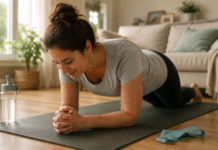



























Want to bounce back from training without spending hours on complicated protocols? Good news: you can accelerate recovery with simple, science-backed mini-rituals that take just ten minutes a day. In this guide you’ll learn how to plan 10-minute daily routines for faster workout recovery you can plug into your mornings, lunch breaks, post-workout windows, and evenings. You’ll see exactly what to do, how to scale it for your fitness level and gear, common mistakes to avoid, and how to measure whether it’s working—plus a simple four-week plan to make these habits stick.
This article offers general educational information and is not medical advice. If you have an injury, medical condition, or concerns about a recovery method, consult a qualified healthcare professional.
Key takeaways
- Consistency beats complexity. A handful of 10-minute rituals practiced most days outperforms occasional, lengthy recovery marathons.
- Cover the big rocks. Sleep, protein, hydration, and gentle movement deliver the majority of recovery benefits; tools are optional add-ons.
- Match the tool to the goal. Some tactics reduce soreness short-term, others support long-term adaptations; use each at the right time.
- Track a few simple metrics. Sleep hours, soreness (0–10), resting heart rate, and training performance will tell you if your plan is working.
- Think “daily stack.” Slot one 10-minute routine in the morning, one after training, and one at night for powerful compounding effects.
Quick-start checklist (do this today)
- Pick three mini-routines below: one morning, one post-workout, one evening.
- Set a daily reminder and prep any gear (foam roller, shaker cup, compression sleeves, etc.).
- Start a simple tracker: date, training type, sleep hours, soreness (0–10), resting HR, and which routines you completed.
- Follow each routine exactly for two weeks before making changes.
Routine 1: Morning Reset — Light, Mobility, and Calm Breath (10 minutes)
What it is & core benefits
A gentle morning primer to nudge your nervous system from groggy to ready: a dose of daylight, a short mobility flow, and slow exhale-heavy breathing. Benefits include lower baseline tension, improved range of motion (ROM), and a calmer “tone” going into training—key ingredients for better recovery later.
Requirements & low-cost alternatives
- Gear: none required; a yoga mat helps.
- Space: a small floor area near a window or outside.
- Alternatives: if you can’t get outdoors, stand near a bright window; if mornings are dark, flip on bright indoor lights.
Step-by-step (beginner-friendly)
- Light exposure (2 min): Step outside or stand by a bright window. Stand tall, roll your shoulders, take a few easy breaths.
- Mobility flow (5 min): 30–45 seconds each, cycle twice: cat–cow, half-kneeling hip flexor with reach, thoracic open book (each side), deep squat sit with prying, ankle rocks. Move calmly; no forced end-range.
- Breathing downshift (3 min): Inhale through the nose for ~4 seconds, relaxed exhale for ~6–8 seconds. Keep it comfortable; aim for ~6 breaths/min.
Beginner modifications & progressions
- Modification: if deep squat is uncomfortable, sit on a box or perform supported wall sit mobility.
- Progression: add 30–60 seconds of controlled articular rotations (CARs) for hips and shoulders.
Recommended frequency/duration/metrics
- Every morning, 10 minutes.
- Track perceived stiffness (0–10) and note if your first sets in training feel smoother.
Safety, caveats & common mistakes
- Don’t force end-range stretches in the morning; tissues are cold.
- Keep breathing easy—mildly longer exhales, not breath-holding or dizziness.
Mini-plan example
- 2 min light → 5 min mobility flow → 3 min slow breathing.
Routine 2: Hydration Check-In + Electrolytes (10 minutes)
What it is & core benefits
A quick daily fluid top-up and self-check using urine color and thirst cues. Proper hydration supports blood volume, thermoregulation, and overall recovery.
Requirements & low-cost alternatives
- Gear: a 500–600 ml bottle; optional pinch of salt or electrolyte tab.
- Alternative: plain water + a banana or a lightly salted snack if you don’t use tabs.
Step-by-step
- Morning check (1 min): Note urine color (aim for light straw).
- Mix & sip (5–8 min): Drink ~500 ml water. On high-sweat days or in heat, add electrolytes (especially sodium).
- Plan your day (1–2 min): Set reminders for sips before and after training.
Beginner modifications & progressions
- Modification: if you dislike flavored tabs, use a tiny pinch of table salt in water with a squeeze of lemon.
- Progression: weigh yourself pre- and post-long/hot sessions to estimate sweat rate and personalize intake.
Recommended frequency/duration/metrics
- Daily, preferably morning and pre-workout checkpoints.
- Track urine color trend and body mass change on long/hot days.
Safety & mistakes
- Avoid overdrinking; more is not always better.
- If you restrict sodium for medical reasons, ask your clinician before adding electrolytes.
Mini-plan example
- Urine color check → 500 ml water with electrolytes → note pre-/post-workout sip targets.
Routine 3: Protein-Powered Recovery Snack (10 minutes)
What it is & core benefits
A quick protein-centric mini-meal to support muscle repair and adaptation. A solid daily protein intake (spread across meals) is one of the strongest nutritional levers for recovery and long-term progress.
Requirements & low-cost alternatives
- Gear: shaker and scoop; or whole-food options.
- Options: whey or plant protein; eggs, yogurt, cottage cheese, fish, tofu.
Step-by-step
- Dose target (2 min): Aim for ~0.25–0.40 g/kg high-quality protein (≈20–40 g for most adults).
- Pair smart carbs (3–5 min): Add fruit, oats, or rice if the session was moderate-to-hard or endurance-heavy.
- Prep & eat (3–5 min): Shake a scoop, or assemble a quick plate (e.g., Greek yogurt + berries + honey).
Beginner modifications & progressions
- Modification: if shakes upset your stomach, use dairy-free options or whole foods.
- Progression: distribute protein evenly across 3–4 meals/day.
Recommended frequency/duration/metrics
- Daily; within a few hours of training on lift days.
- Track total protein/day (g/kg) and review training performance week to week.
Safety & mistakes
- Don’t obsess over the “30-minute window”; you have several hours.
- If you have kidney disease or a prescribed protein limit, follow medical guidance.
Mini-plan example
- 30 g protein + fruit (if training) → log total grams toward daily target.
Routine 4: Post-Workout Downshift Cooldown (10 minutes)
What it is & core benefits
A brief exit ramp from “fight-or-flight” to “rest-and-digest.” You’ll blend easy breathing, light mobility, and a couple of strategic holds—enough to decrease perceived tension and set up better recovery.
Requirements & low-cost alternatives
- Gear: mat, timer. Optional: a wall or bench.
Step-by-step
- Easy walk + nose breaths (2 min): Stroll around the gym or outside, nasal breathing only.
- Legs-elevated breathing (3 min): Lie on your back, calves on a bench/chair. Inhale 4s, exhale 6–8s.
- Mobility pair (5 min): 45–60 s each, repeat: child’s pose with reach, standing hamstring hinge with gentle pulses, thoracic rotation, calf wall stretch.
Beginner modifications & progressions
- Modification: if lying down is tough, sit and prop feet on a stool.
- Progression: add 2–3 minutes of “dead bug” or 90-90 hip switches for controlled movement.
Recommended frequency/duration/metrics
- After each training session (10 minutes).
- Track post-session calmness (0–10) and next-day soreness.
Safety & mistakes
- Don’t hold your breath or push into pain.
- Keep stretches light; deep, aggressive stretching right after heavy work isn’t necessary.
Mini-plan example
- 2 min easy walk → 3 min legs-up breathing → 5 min mobility circuit.
Routine 5: Foam Rolling for Key Areas (10 minutes)
What it is & core benefits
Self-myofascial release to reduce perceived muscle soreness and bump ROM slightly in the short term—useful when you need to feel looser or less sore without a full massage.
Requirements & low-cost alternatives
- Gear: foam roller and/or small ball (lacrosse/tennis).
- Alternative: rolled towel against a wall.
Step-by-step
- Pick 3–4 targets (8 min total): Quads, glutes/piriformis, lats, calves—~60–90 s per area. Slow, small passes; pause on tender spots and breathe.
- Finish with two light stretches (2 min): e.g., hip flexor and calf.
Beginner modifications & progressions
- Modification: roll against a wall for more control.
- Progression: add short end-range contractions (contract-relax) after rolling to “own” the new ROM.
Recommended frequency/duration/metrics
- 3–5×/week or the day before movement-heavy sessions.
- Track spot ROM (e.g., ankle dorsiflexion) and soreness.
Safety & mistakes
- Skip bruising pressure; discomfort is okay, sharp pain is not.
- Don’t roll directly on joints or the lower back.
Mini-plan example
- 90 s quads → 90 s glutes (each side) → 90 s calves → 90 s lats → 2 light stretches.
Routine 6: Percussive Massage Swap (10 minutes)
What it is & core benefits
A quick percussive therapy session with a massage gun to reduce perceived soreness and slightly increase ROM—handy on high-volume weeks or before technique work.
Requirements & low-cost alternatives
- Gear: massage gun (any tier).
- Alternative: manual self-massage with hands or a ball if you don’t own a device.
Step-by-step
- Low setting, broad head (8 min): Sweep through large muscle groups (quads, hamstrings, glutes, calves, pecs, lats), ~30–45 s per region.
- Targeted passes (2 min): Smaller head on tight areas, ~20–30 s each.
Beginner modifications & progressions
- Modification: keep intensity low and avoid bony areas.
- Progression: pair with 1–2 activation drills (e.g., mini-band walks after glutes).
Recommended frequency/duration/metrics
- 2–4×/week as needed.
- Track session RPE and next-day tightness.
Safety & mistakes
- Avoid direct use over injuries, bruises, or numb areas.
- Keep the head moving—don’t park on one spot.
Mini-plan example
- 8 min sweeping passes → 2 min targeted work → stand, re-test a movement.
Routine 7: Lunch Walk + Mobility Snack (10 minutes)
What it is & core benefits
A brisk micro-walk plus two mobility drills to enhance circulation and counteract desk stiffness. Gentle movement clears “residual fatigue” and keeps joints happy between training days.
Requirements & low-cost alternatives
- Gear: comfy shoes.
- Alternative: marching in place + hallway mobility if you can’t go outside.
Step-by-step
- Brisk walk (6–7 min): Nose in / mouth out breathing if intensity rises.
- Mobility pair (3–4 min): 60 s couch stretch (each side), 60–90 s thoracic wall slides.
Beginner modifications & progressions
- Modification: slow pace; choose flat ground.
- Progression: add 2–3× 15-second fast strides in the middle.
Recommended frequency/duration/metrics
- Daily on workdays.
- Track step count and afternoon energy levels.
Safety & mistakes
- Don’t treat this as a workout; it’s recovery-paced.
- Wear weather-appropriate clothing.
Mini-plan example
- 7 min brisk walk → 3 min mobility pair.
Routine 8: Compression & Elevation (10 minutes)
What it is & core benefits
Brief use of compression (sleeves, tights, or pneumatic boots) with feet elevated to reduce perceived soreness and lower-limb heaviness after big days.
Requirements & low-cost alternatives
- Gear: compression sleeves/tights or compression boots.
- Alternative: snug socks + legs-up on a wall.
Step-by-step
- Set up (1 min): Put on sleeves/tights; lie down with calves on a chair.
- Compression window (8–9 min): Relax and breathe quietly.
Beginner modifications & progressions
- Modification: if compression feels too tight, size up; use light socks instead.
- Progression: extend to 15–20 minutes on heavy legs days.
Recommended frequency/duration/metrics
- 2–4×/week as needed (after long runs, heavy lower-body sessions).
- Track leg heaviness and time-to-feel-fresh the next day.
Safety & mistakes
- Do not use if you have undiagnosed pain, numbness, or vascular conditions without medical guidance.
- Compression doesn’t replace sleep, nutrition, and movement.
Mini-plan example
- 9 min compression + elevation → 1 min gentle ankle pumps.
Routine 9: Contrast or Warm Shower Reset (10 minutes)
What it is & core benefits
A short shower protocol to reduce perceived soreness and help you relax. If you strength-train for hypertrophy, treat cold as an occasional tool—not an after-every-lift habit. Warm showers can aid relaxation, especially before bed.
Requirements & low-cost alternatives
- Gear: shower and timer.
- Alternative: if you dislike contrast, use a steady warm rinse.
Step-by-step
Option A: Contrast (after endurance or when soreness is high)
- 1 min cool → 1 min warm; repeat 4–5 rounds (end on cool).
Option B: Warm-only (evening wind-down) - 8–10 min warm shower, relaxed breathing; finish with a brief cool rinse if you like.
Beginner modifications & progressions
- Modification: use “tepid” rather than very cold; aim for comfort.
- Progression: add brief self-massage to quads/calves under warm water.
Recommended frequency/duration/metrics
- 2–3×/week; reserve cold/contrast for endurance-heavy days or when soreness trumps growth goals.
- Track sleep onset and perceived heaviness.
Safety & mistakes
- Avoid very cold options if you have cardiovascular concerns; consult your clinician as needed.
- Don’t use cold immersion right after every hypertrophy session if maximizing muscle growth is your top goal.
Mini-plan example
- Contrast: 1 min cool / 1 min warm × 5 → out and towel off.
Routine 10: Sleep Wind-Down Micro-Routine (10 minutes)
What it is & core benefits
A brief, repeatable pre-bed practice that makes it easier to hit sufficient sleep—arguably the most powerful recovery tool you have.
Requirements & low-cost alternatives
- Gear: dimmable lamp or warm light, notebook, phone “Do Not Disturb.”
- Alternative: if you can’t dim lights, wear a cheap eye mask at bedtime.
Step-by-step
- Lights down, screens off (3 min): Switch to warm/dim lights; silence notifications.
- Hot shower or foot soak (4 min): Warmth can help you unwind before bed.
- Breathing & brain dump (3 min): 3 minutes of slow exhale-focused breathing; jot tomorrow’s top 3 tasks.
Beginner modifications & progressions
- Modification: if you can’t shower, sip a warm caffeine-free tea.
- Progression: keep a consistent sleep/wake schedule; darken your room.
Recommended frequency/duration/metrics
- Nightly.
- Track sleep hours and morning energy.
Safety & mistakes
- Avoid stimulants late in the day.
- Keep the routine short and repeatable—don’t add stimulating tasks.
Mini-plan example
- Dim lights → warm shower → 3 minutes of slow breathing + short journal.
Troubleshooting & common pitfalls
“I’m doing all the things, but I’m still sore.”
Scale back training volume or eccentric loading for a week and emphasize Routine 3 (protein), Routine 4 (downshift), and Routine 10 (sleep). Consider a deload if soreness exceeds 5/10 for more than three consecutive days.
“Cold plunges feel great—can I do them daily?”
Use them strategically. Right after lifting, frequent cold can dampen some muscle-building signals. Prefer cool/contrast after endurance days or later in the day, away from strength sessions.
“Foam rolling hurts—am I doing damage?”
Back off the pressure. The goal is reduced tension, not bruising. Roll against a wall or use a softer roller.
“No time.”
Stack routines onto habits you already do: foam roll while the coffee brews; breathe while you shower; mix your protein before you open your inbox.
“How do I know it’s working?”
Use the Measurement Matrix below. If 2–3 metrics improve over 14 days, keep going; if not, adjust one variable (usually sleep or training volume) and reassess.
How to measure progress (keep it stupid simple)
Track these four metrics 5–7 days/week:
- Sleep hours (goal: ≥7 most nights).
- Morning resting heart rate (RHR) (trend down or stable across weeks).
- Soreness (0–10) on waking and 24 h post-training (goal: ≤4 most days).
- Performance checkpoints (e.g., same-load reps, easy pace heart rate, bar speed notes).
Optional add-ons: urine color (morning), step count, and a short mood/energy rating (0–10). Review trends weekly, not daily.
A simple 4-week starter plan (plug-and-play)
Week 1 — Build the base
- Daily: Routine 1 (morning reset) + Routine 3 (protein snack) + Routine 10 (sleep wind-down).
- After training: Routine 4 (downshift).
- Focus: consistency and logging sleep/soreness.
Week 2 — Add circulation
- Keep Week 1. Add Routine 7 (lunch walk + mobility) on workdays.
- Use Routine 5 (foam rolling) 3×/week on nonconsecutive days.
Week 3 — Target legs & heavy days
- Keep core routines. Add Routine 8 (compression & elevation) after long runs/heavy squats.
- If soreness spikes, swap one foam-rolling day for Routine 6 (percussive massage).
Week 4 — Personalize & refine
- Keep what measurably helped (better sleep, lower RHR, improved performance).
- Add Routine 9 (contrast or warm shower) 2×/week based on your goals (endurance: contrast; hypertrophy: warm only at night).
- At week’s end, compare your four metrics to Week 1.
FAQs
1) Are 10-minute routines really enough to change recovery?
Yes—if you hit the big rocks consistently (sleep, protein, hydration, and downshifting your nervous system) and keep training loads appropriate. These micro-sessions work as multipliers on the fundamentals.
2) Should I do cold plunges after every lift?
Not if maximizing muscle growth is your top goal. Frequent immediate cold after resistance training can blunt some hypertrophy signals. Use cool/contrast more for endurance days or general soreness relief, and keep it away from strength sessions.
3) Foam rolling vs. stretching: which is better?
They’re similarly modest tools. Both can nudge ROM and reduce perceived soreness short-term. Use the one you’ll actually do, and pair either with gentle movement to “own” the range.
4) How much protein should I eat per day for recovery?
Most active adults do well with roughly 1.4–2.0 g/kg/day, spread across meals of ~0.25–0.40 g/kg each. Whole foods work; supplements are just convenient.
5) Do compression sleeves or boots really help?
They can reduce perceived soreness and speed the return of muscle function for some people, especially after heavy lower-body or endurance sessions. Consider them optional helpers, not must-haves.
6) What if I only train a few days a week?
Keep the daily sleep/protein/hydration habits. On non-training days, use the lunch walk, foam rolling, or a short mobility flow to keep blood moving and stiffness low.
7) Will breathwork actually change recovery?
Short, exhale-emphasized breathing sessions can lower state anxiety and help your body shift into a recovery-friendly state. They’re simple, free, and pair well with cooldowns or bedtime routines.
8) Isn’t stretching after workouts essential to prevent soreness?
It’s fine to do light stretching if it helps you feel better, but it has little impact on delayed-onset muscle soreness by itself. Use it as part of a broader cooldown that includes breathing and gentle movement.
9) How do I avoid overdoing hydration?
Use a moderation approach: drink regularly through the day, watch urine color (aim for light straw), and adjust for heat/sweat. Don’t force excessive volumes.
10) What’s the fastest “one-thing” routine if I’m slammed?
Do 3 minutes of slow breathing (exhale longer than inhale) and 7 minutes of a mobility circuit for hips/upper back. It hits nervous system downshift and the tight spots most lifters and runners feel.
Common mistakes to avoid
- Chasing gadgets over foundations. No device compensates for chronic short sleep or too little protein.
- Treating recovery like another workout. Keep the intensity gentle; the goal is to restore, not stress.
- Using the wrong tool at the wrong time. Save frequent cold for endurance soreness, not right after every hypertrophy session.
- Inconsistent routine timing. Habit beats novelty—tie each 10-minute block to an existing daily cue.
Putting it all together
You don’t need a spa day or a pro-level setup to recover well. Choose three of the 10-minute routines that fit your life, repeat them most days, and watch your soreness drop while your performance rises. Small, consistent wins compound.
Copy-ready CTA: Pick one morning, one post-workout, and one evening routine from this list—start today, track for 14 days, and keep what measurably works.
References
- About Sleep. Centers for Disease Control and Prevention. Updated May 15, 2024. https://www.cdc.gov/sleep/about/index.html
- FastStats: Sleep in Adults. Centers for Disease Control and Prevention. Updated May 15, 2024. https://www.cdc.gov/sleep/data-research/facts-stats/adults-sleep-facts-and-stats.html
- International Society of Sports Nutrition Position Stand: Protein and Exercise. Journal of the International Society of Sports Nutrition. June 20, 2017. https://jissn.biomedcentral.com/articles/10.1186/s12970-017-0177-8
- A Systematic Review, Meta-analysis and Meta-regression of the Effect of Protein Supplementation on Resistance Training-induced Gains in Muscle Mass and Strength in Healthy Adults. Sports Medicine / British Journal of Sports Medicine (abstract hosted via PubMed). 2018. https://pubmed.ncbi.nlm.nih.gov/28698222/
- Systematic Review and Meta-analysis of Protein Intake to Support Muscle Mass and Function in Healthy Adults. Journal of Cachexia, Sarcopenia and Muscle (PMC). 2022. https://pmc.ncbi.nlm.nih.gov/articles/PMC8978023/
- An Evidence-Based Approach for Choosing Post-exercise Recovery Techniques to Reduce Markers of Muscle Damage, Soreness, Fatigue, and Inflammation: A Systematic Review With Meta-Analysis. Frontiers in Physiology. 2018. https://www.frontiersin.org/journals/physiology/articles/10.3389/fphys.2018.00403/full
- Stretching to Prevent or Reduce Muscle Soreness After Exercise. Cochrane Database of Systematic Reviews (abstract via PubMed). 2011. https://pubmed.ncbi.nlm.nih.gov/21735398/
- A Meta-Analysis of the Effects of Foam Rolling on Performance and Recovery in Healthy Adults. Frontiers in Physiology (PMC). 2019. https://pmc.ncbi.nlm.nih.gov/articles/PMC6465761/
- Foam Rolling Training Effects on Range of Motion: A Systematic Review and Meta-Analysis. Journal of Bodywork and Movement Therapies (abstract). 2020. https://www.sciencedirect.com/science/article/abs/pii/S1360859220300218
- A Comparison of the Effects of Foam Rolling and Stretching on Performance Parameters. Frontiers in Physiology. 2021. https://www.frontiersin.org/journals/physiology/articles/10.3389/fphys.2021.720531/full
- The Effects of Percussive Therapy on the Lower Extremity ROM and Performance. PeerJ (Konrad et al.). 2020. https://peerj.com/articles/11041/