



























Gratitude isn’t just good manners—it’s measurable psychology. Over two decades of research shows that simple practices like listing three good things or writing a thank-you letter can reliably lift mood, strengthen relationships, and support healthier habits. This article translates the lab findings into life: what gratitude does, why it works, and how to use it—without fluff. Quick note: this is educational information, not medical advice; if you’re navigating a mental-health condition, pair these ideas with professional care.
Definition (for quick skimmers): The science of gratitude studies how regularly noticing and appreciating benefits received shifts attention, emotion, and behavior in ways that improve well-being. In randomized trials and meta-analyses, gratitude practices produce small but meaningful gains in happiness, sleep, and mental health.
1. Gratitude Boosts Positive Affect and Life Satisfaction
Gratitude reliably increases day-to-day positive emotion and overall life satisfaction. Across classic experiments where participants “count blessings” weekly or daily, people report more joy, enthusiasm, and optimism compared with control groups that list hassles or neutral events. Meta-analyses pooling dozens of randomized trials conclude the average effect is small to modest—but real—and often builds over several weeks. Practically, this means you should expect subtle shifts before dramatic ones: more frequent micro-moments of “that was good,” a warmer baseline mood, and a slightly rosier view of what’s ahead. These effects make sense: gratitude directs attention toward benefits, cues savoring, and reframes ordinary experiences as meaningful rather than mundane.
1.1 Why it matters
Gratitude’s mood lift is more than feeling “nice.” Positive affect is linked to better coping, broader attention, and greater psychological flexibility, which in turn predict progress on goals and resilience under stress. As your brain catalogs small wins, it becomes easier to notice opportunities and harder to ruminate on setbacks.
1.2 Numbers & guardrails
- Expect small average gains (think: Hedges’ g ~0.2 across well-being outcomes), which are worthwhile at population scale and very noticeable for some individuals.
- Early RCTs found weekly “blessings” for 10 weeks increased optimism and life satisfaction compared with hassles lists.
- Effects grow with consistency (2–6 weeks) and when practices feel personally meaningful rather than perfunctory.
1.3 Mini-checklist: make the gains stick
- Pick one practice (journal, letter, “photo-a-gratitude”) and do it at the same time each day.
- Aim for 3–5 specifics per entry (who, what, when, where, why it mattered).
- Add a 30-second savor: pause and relive one item.
Bottom line: Gratitude won’t turn life into a highlight reel, but it nudges your emotional baseline upward in reliable, compounding ways.
2. Gratitude Reduces Depressive and Anxiety Symptoms
When used alongside standard care—or simply as a standalone skill—gratitude can lower depressive and anxiety symptoms. Randomized studies with students, community adults, and therapy clients show that gratitude writing and “three good things” reduce negative affect and depressive symptoms compared with controls, sometimes with effects persisting at follow-up. Systematic reviews echo this: across dozens of trials, gratitude interventions are associated with fewer symptoms of depression and anxiety, even though effect sizes are again small on average. Small doesn’t mean trivial—especially when the practice is free, low risk, and easy to sustain.
2.1 Why it helps
Gratitude interrupts negativity bias (our brain’s tilt toward threats) and rumination by redirecting attention to benefits, contributions, and support. It also recruits approach motivation (moving toward what we value), which is antagonistic to depressive withdrawal and worry loops.
2.2 How to apply (when you’re low)
- Lower the bar: one sentence per day beats “catching up” on a missed week.
- Use prompts tied to mood: “Who lightened my load today?” “What didn’t go wrong?”
- Pair with movement: reflect while walking or stretching to harness state change.
2.3 Evidence snapshot
- In clinical settings, adding gratitude writing to therapy improved mental-health scores more than therapy as usual, with lingering benefits weeks later.
- Reviews of randomized trials consistently report reductions in depressive/anxiety symptoms relative to controls. PMC
Bottom line: Gratitude isn’t a cure for depression or anxiety, but it’s a pragmatic, evidence-aligned adjunct that helps loosen their grip.
3. Gratitude Improves Sleep Quality and Duration
People higher in gratitude tend to sleep longer and better—and targeted gratitude practices can help settle the mind at night. In studies controlling for personality traits like neuroticism, gratitude predicts better subjective sleep quality, longer duration, shorter sleep latency, and less daytime dysfunction. Mechanistically, gratitude reduces negative pre-sleep cognitions (worry spirals) and increases positive pre-sleep thoughts, which are strongly tied to how long it takes to nod off and how restful the night feels.
3.1 Bedtime protocol (10 minutes)
- Write 3 specifics from today you’re grateful for (people, progress, comforts).
- Add one “because” sentence per item (why it mattered).
- Scan your body for 60 seconds and breathe slowly to anchor attention.
3.2 Numbers & notes
- Cross-sectional and diary studies show links from gratitude to better sleep and less fatigue, independent of Big Five traits. Greater Good
- The mediator is pre-sleep thinking: fewer intrusive negatives, more calming positives.
- Expect improvements in how quickly you fall asleep and perceived restfulness within 1–2 weeks of nightly practice.
Bottom line: A short gratitude wind-down changes the mental soundtrack at bedtime, which translates into real sleep gains.
4. Gratitude Strengthens Relationships and Prosocial Behavior
Saying “thank you” doesn’t just acknowledge kindness—it fuels more of it. Experiments show that receiving gratitude increases helpers’ willingness to assist again, sometimes even when it’s inconvenient or effortful. Gratitude also deepens closeness in romantic and friendship pairs by highlighting responsiveness (“you saw my need and cared”). The Find-Remind-Bind theory captures this: gratitude helps us find high-quality partners, remind us of their value, and bind us to them through mutual investment.
4.1 Tools & examples
- Two-sentence thanks: name the specific effort and the impact on you.
- Gratitude prompt in teams: start meetings with “wins and shout-outs.”
- Relationship micro-habit: once a day, say one new appreciative thing to your partner.
4.2 Evidence highlights
- Being thanked increases costly helping and future contributions.
- Expressions of gratitude raise recipients’ sense of social worth and self-efficacy, motivating further prosocial behavior.
- The “find-remind-bind” framework is widely cited as a mechanism for gratitude’s relationship benefits. Compass
Bottom line: Gratitude is social glue: it signals “you matter,” which strengthens bonds and kick-starts virtuous cycles of helping.
5. Gratitude Buffers Stress and Supports Resilience
Gratitude doesn’t stop hard things from happening, but it changes how we metabolize them. People who practice gratitude report less stress and better coping during exams, caregiving, or health challenges. Physiologically, gratitude is associated with lower inflammation markers and better sleep—both relevant to stress recovery—and some clinical samples show links to higher cardiac self-efficacy and lower fatigue. While causal biomarker evidence is still emerging, the psychological pathway is robust: gratitude redirects attention from uncontrollables to supports and resources, which fosters agency and meaning under pressure.
5.1 Quick resilience stack (5 minutes)
- Name one constraint you can’t change—and three resources you can use.
- Send a 30-second thank-you message to someone who’s helped.
- Take six slow breaths while visualizing one recent “assist.”
5.2 Numbers & caveats
- In heart-failure patients, higher gratitude related to better mood, sleep, and lower inflammation (correlational).
- Systematic reviews indicate health-adjacent benefits (stress, affect, burnout) from simple gratitude programs in work and training settings.
- Biomarker evidence is mixed; use gratitude alongside proven stress-management tools (sleep hygiene, activity, social support).
Bottom line: Gratitude builds resilience by spotlighting resources and relationships, helping your mind and body recover faster.
6. Gratitude Encourages Healthier Behaviors and Self-Care
People who habitually feel grateful report more exercise, better sleep routines, and greater adherence to health recommendations. Mechanistically, gratitude increases valuation of what’s protected by healthy choices (energy for kids, mobility for adventures) and strengthens future-oriented motivation. In teams and families, regular appreciation also reduces friction—making it easier to align on bedtime routines, shared meals, or walks.
6.1 How to translate gratitude into action
- Write a benefit-behavior link each morning (“Because I’m grateful for ___, I’ll ___ today”).
- Use cue-based design: place walking shoes by the door after listing a health-related gratitude.
- Celebrate tiny completions with a thank-you to your future self.
6.2 Evidence to know
- Reviews on physical-health outcomes find encouraging links (especially via sleep and stress) but call for stronger causal trials.
- In clinical populations, greater gratitude correlates with better self-management and lower fatigue, supporting the motivational pathway.
Bottom line: Gratitude clarifies what healthy behaviors protect, making everyday self-care feel worthwhile—not just dutiful.
7. Gratitude Rewires Attention and Reward Circuits
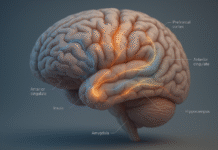
Beyond feelings, gratitude shows up in the brain. Functional MRI studies find that when people contemplate receiving help and feel grateful, activity increases in medial prefrontal cortex and other regions linked to value computation, moral cognition, and theory of mind. Importantly, brief gratitude-writing exercises can sensitize these circuits for months, suggesting neural plasticity: your brain becomes more responsive to appreciative appraisals and social value. This neural story explains why gratitude often spills over—people become more generous, assume better intentions, and notice help they once overlooked.
7.1 What this means for practice
- Pair cognitive detail (“what specifically was given?”) with empathic perspective (“what did it cost them?”) to engage the network fully.
- Revisit one gratitude entry weekly and re-experience it to reinforce pathways.
7.2 Evidence notes
- fMRI work shows gratitude correlates with activity in valuation and social cognition regions when people reflect on aid received.
- A gratitude letter intervention increased medial prefrontal sensitivity to gratitude three months later.
Bottom line: Gratitude practice changes what your brain flags as valuable—making prosocial, appreciative interpretations more automatic.
8. Gratitude Deepens Meaning, Purpose, and Optimism
Gratitude doesn’t just boost momentary mood; it reframes life in terms of gifts, contributions, and purpose. By asking “Who helped me get here?” you create a narrative that emphasizes interdependence and growth. Over time, this fosters optimism (expecting more support and progress ahead) and a sense of meaning (belonging to something larger). These ingredients are central to thriving and buffer against burnout and cynicism.
8.1 Do it like a scientist (reflective prompts)
- Contribution mapping: list the people, institutions, and strokes of luck behind one win.
- Counterfactual gratitude: “If this had not happened, what would I have missed?”
- Future gratitude: write to your future self thanking them for a habit you’re starting today.
8.2 Evidence & nuance
- Early “counting blessings” trials reported upticks in optimism and life satisfaction relative to controls.
- Meta-analyses show small but dependable benefits to well-being; some individuals experience larger gains, especially when practices feel authentic rather than forced.
Bottom line: Gratitude rewrites your personal story from solitary striving to supported growth, which is a powerful antidote to hopelessness.
9. Gratitude Works Best When You Match Method to Context
Not all gratitude practices fit all people or moments—and that’s okay. Journaling suits reflective types; letters shine when relationships need warmth; “savoring snapshots” work for busy schedules. The research consensus is clear: average effects are small, variance is wide, and culture matters. Cross-country data suggest differences in how gratitude lands, likely due to norms around expressing thanks, modesty, and indebtedness. The practical takeaway: personalize your method, test for a few weeks, and keep what nets real benefits.
9.1 Pick your format
- Daily journal (3–5 items): best for attention training and sleep.
- Gratitude letters (weekly/biweekly): best for relationship repair and depth.
- Spotlight savoring (photo or voice memo): best for time-crunched days.
9.2 Numbers & expectations
- Large-scale meta-analysis (145 papers) finds small overall gains with between-country differences; don’t expect transformation overnight.
- Systematic reviews confirm benefits but emphasize fit and fidelity—what you do and how consistently you do it matters.
Bottom line: Treat gratitude like strength training: choose a routine you’ll actually do, progress gradually, and measure what changes for you.
FAQs
1) What is the simplest gratitude practice that actually works?
Write three specific things you’re grateful for each day and include why each mattered. Specificity beats volume (“My teammate stayed late to help debug, which saved our deadline”). Expect small but real shifts in mood within 2–3 weeks, especially if you also pause 30 seconds to savor one item.
2) How long before I feel a difference?
Most trials run 2–10 weeks. People often notice subtle changes—better mood, quicker bedtime wind-down—within the first 14 days, with benefits accumulating over time. Pairing writing with brief savoring or sharing your gratitude out loud can speed the effects. PubMed
3) Are gratitude effects just placebo or “toxic positivity”?
The best evidence comes from randomized controlled trials and meta-analyses, which reduce placebo influence. Still, gratitude isn’t denying hardship; it’s widening the frame to include resources and help. If a practice feels invalidating in a tough context, switch to a gentler prompt like “What eased today, even slightly?”
4) What if I feel obligated or indebted when thanked?
Cultural norms shape how thanks are given and received. Some people may experience indebtedness rather than warmth. Use authentic, specific appreciation focused on the other person’s effort and impact. If receiving thanks feels awkward, practice accepting with a simple “I’m glad it helped.”
5) Does gratitude help clinical depression or anxiety?
It can support treatment by reducing rumination and increasing approach behaviors, but it is not a replacement for therapy or medication. Use gratitude alongside evidence-based care (CBT, meds as prescribed) and discuss any practice plan with your clinician. PubMed
6) Is there any brain-based evidence for gratitude?
Yes. fMRI studies show heightened activity in medial prefrontal cortex and related networks when people feel grateful; brief writing interventions can increase neural sensitivity to gratitude months later, suggesting plasticity.
7) Can gratitude improve physical health?
Evidence is promising but mixed. Gratitude correlates with better sleep and lower stress—both pathways to health—and some patient samples link gratitude to lower inflammation and fatigue. Causal trials on hard outcomes are fewer, so treat gratitude as part of a health stack (sleep, activity, nutrition).
8) What’s the best way to thank someone to strengthen a relationship?
Use the two-sentence thanks: (1) name the specific behavior, (2) name the specific impact on you. This raises the recipient’s sense of social worth, which motivates future helping and deepens connection.
9) Are journals or letters better?
They serve different purposes. Journals train attention and aid sleep; letters amplify closeness and prosocial cycles. Many people alternate: one letter every week or two plus brief daily entries. Choose the one you’ll sustain for at least 3–6 weeks.
10) What if gratitude feels forced—should I push through?
No. Forced gratitude can backfire. Adjust prompts (“What didn’t go wrong?” “Who tried for me?”), switch formats (voice memo, photos), or lower frequency. If a season is especially hard, pair gratitude with self-compassion and support seeking rather than pretending everything is fine. Taylor & Francis Online
Conclusion
Gratitude is deceptively powerful precisely because it is small. The science shows consistent, manageable benefits: a bit more positivity, a bit less rumination, better sleep, warmer relationships, sturdier coping. Effects are modest on average, but they compound—especially when you match the practice to your context and keep it going for a few weeks. Neuroscience adds a compelling layer: as you practice, your brain becomes more responsive to appreciative interpretations, which makes noticing good things easier the next time. Treat gratitude like a light strength workout for your mind: brief, regular, form-focused, intrinsically rewarding.
Try this today: write three specifics, send one authentic thank-you, and take six slow breaths while replaying one moment. Repeat tomorrow. Your future self will feel the difference.
References
- Counting Blessings Versus Burdens: An Experimental Investigation of Gratitude and Subjective Well-Being in Daily Life, Journal of Personality and Social Psychology, Emmons & McCullough, 2003. Emmons Faculty Site
- Gratitude Influences Sleep Through the Mechanism of Pre-Sleep Cognitions, Journal of Psychosomatic Research, Wood et al., 2009. PubMed
- Neural Correlates of Gratitude, Frontiers in Psychology, Fox et al., 2015. PMC
- The Effects of Gratitude Expression on Neural Activity, NeuroImage, Kini et al., 2016. PubMed
- The Effects of Gratitude Interventions: A Systematic Review and Meta-Analysis, Frontiers in Psychology, Diniz & Korkes, 2023. PMC
- Thankful for the Little Things: A Meta-Analysis of Gratitude Interventions, Journal of Counseling Psychology, Davis et al., 2016 (cited within Donaldson et al., 2021). https://www.frontiersin.org/articles/10.3389/fpsyg.2021.739352/full Frontiers
- A Systematic Review of Gratitude Interventions: Effects on Physical Health Outcomes, Journal of Psychosomatic Research, Boggiss et al., 2020. ScienceDirect
- The Role of Gratitude in Spiritual Well-Being in Asymptomatic Heart Failure Patients, Spirituality in Clinical Practice, Mills et al., 2015. PMC
- Explaining Why Gratitude Expressions Motivate Prosocial Behavior, Journal of Personality and Social Psychology, Grant & Gino, 2010. University of Missouri-Kansas City
- Gratitude and Prosocial Behavior: Helping When It Costs You, Psychological Science, Bartlett & DeSteno, 2006. PubMed
- Gratitude Interventions to Improve Well-Being and Resilience: A Systematic Review, Clinical Simulation in Nursing, Calleja et al., 2024. ScienceDirect
- A Meta-Analysis of the Effectiveness of Gratitude Interventions, Journal of Positive Psychology, Choi et al., 2025. PubMed