






















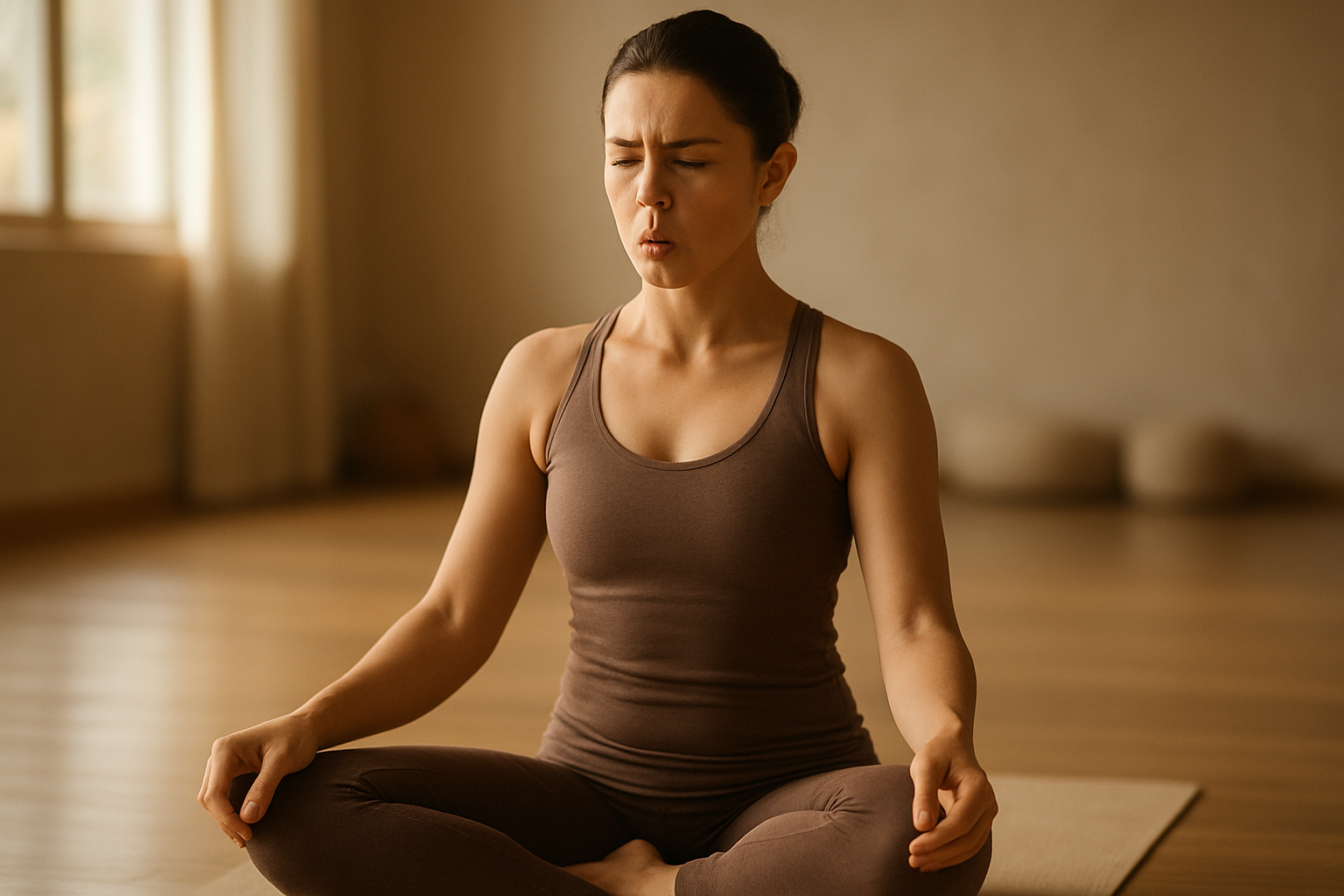
Breath of Fire—also known as Kapalabhati Pranayama—uses rapid, forceful nasal exhales with passive inhales to warm, energize, and focus the mind. Practiced correctly, it can sharpen alertness, build respiratory stamina, and complement meditation or movement. This guide breaks the technique into 9 clear steps and safeguards so beginners and experienced practitioners alike can feel confident. Brief medical note: breath practices can influence blood pressure, heart rate, intra-abdominal pressure, and symptoms in certain conditions; if you’re pregnant, have cardiovascular, ocular, neurological, or abdominal issues, or feel dizzy or unwell, skip this practice and consult a qualified professional. As of August 2025, research suggests Kapalabhati acutely shifts autonomic tone and brain activity; we’ll reference those findings in context.
Quick definition (for skimming): Breath of Fire (Kapalabhati) is a seated yogic technique of brisk cycles—forceful exhale, passive inhale—through the nose, powered by rhythmic abdominal contractions, typically practiced in short rounds.
1. What Breath of Fire (Kapalabhati) Is—and How It Works
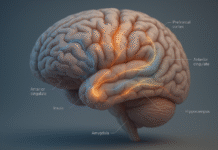
Breath of Fire (Kapalabhati) is a yogic breathing exercise driven by active abdominal contractions that create rapid, forceful exhales; inhalations occur passively as the belly releases. This pattern is different from slow diaphragmatic breathing and from bellows breathing (bhastrika), which uses forceful inhales and exhales. Physiologically, Kapalabhati increases ventilation and often elevates arousal and alertness, producing short-term changes in autonomic balance (sympathetic/parasympathetic activity) and brain rhythms. Studies using heart rate variability (HRV) and EEG show immediate shifts during and after practice, consistent with the energizing experience many report. Because it’s stimulating and mechanically active in the abdomen and thorax, it’s best approached progressively with careful attention to posture, pacing, and personal contraindications.
1.1 Why it matters (nervous system snapshot)
- Autonomic shifts: HRV studies show clear acute changes during/after Kapalabhati, indicating altered vagal/sympathetic balance; this aligns with its “wake-up” feel.
- Brain activity: EEG changes during practice suggest a distinct attentional state that may support focus.
- High-ventilation context: In contemporary literature, Kapalabhati sits among “high-ventilation breathwork” practices; understanding that category helps you apply sensible guardrails.
1.2 Key distinctions (avoid mix-ups)
- Kapalabhati vs. Bhastrika: Kapalabhati = active exhale, passive inhale; Bhastrika = forceful inhale and exhale.
- Not typical slow-breathing: Unlike 4-6 breaths/min techniques used for downregulation, Kapalabhati is intentionally stimulating; choose accordingly.
- Lineage nuance: Kundalini “Breath of Fire” aligns closely with Kapalabhati mechanics but traditions vary in rhythm and cues; follow one clear set of instructions.
Bottom line: Think of Kapalabhati as a short, focused “activation drill” for breath and core—not an all-purpose relaxation method.
2. Safety Screen & Contraindications (Read Before You Practice)
Kapalabhati is vigorous and not suited for everyone. A conservative screen helps you practice safely and decide whether to choose a gentler technique instead. Any red-flag symptoms (dizziness, chest pain, visual changes, severe headache, faintness, or anxiety surge) are your cue to stop immediately and switch to slow nasal breathing. The technique temporarily increases intra-abdominal and intrathoracic pressure and can alter blood gases and heart rate; certain medical histories make this problematic. There is also a rare case report of spontaneous pneumothorax associated with strenuous pranayama, underscoring the need for restraint and good form.
2.1 Who should avoid or seek medical clearance
- Pregnancy or recent postpartum; menstruation (traditionally advised to avoid): skip Kapalabhati. Art of Living
- Cardiac disease, uncontrolled hypertension or hypotension, history of stroke, pacemaker/stent: avoid or get clearance.
- Hernia, gastric/duodenal ulcer, recent abdominal surgery, severe back issues: avoid due to pressure spikes.
- Neurological conditions (epilepsy, migraine, vertigo): avoid or proceed only with specialist advice.
- Ocular concerns (glaucoma, detached retina): many traditions advise avoiding high-pressure breathwork.
2.2 Red-flag experiences during practice
- Dizziness, tingling, or visual dimming → stop; switch to slow nasal breathing.
- Chest pain, severe headache, or breathlessness → stop and seek clinical advice.
- Persistent cough or wheeze → discontinue; consider medical review.
2.3 Rare but real risks
- Case report: A spontaneous pneumothorax occurred in a yoga practitioner performing forceful pranayama; while singular, it illustrates the need to avoid extremes. ScienceDirect
Bottom line: If any of the above applies, choose gentler practices (e.g., diaphragmatic or coherence breathing) and get individualized clearance.
3. Setup & Posture: Build a Stable, Easy Seat
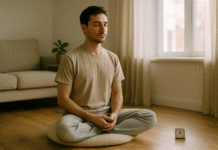
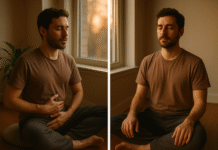
Before speed or intensity, prioritize a posture that keeps the airway open and the abdomen free to move. A tall, neutral spine reduces neck/shoulder compensation and helps direct the motion to the lower ribs and abdominal wall. Sit on a folded blanket or yoga block so the pelvis tilts slightly forward; this keeps the belly soft enough to move without bracing the lower back. Keep the jaw, face, and mid-back relaxed; hands rest on knees (chin or jnana mudra optional), gaze soft. For most, seated on the floor works; if hips or knees object, use a chair with feet planted. Practice on an empty stomach, ideally in the morning or at least 3–4 hours after eating—this reduces reflux and discomfort during abdominal pumping.
3.1 Quick posture checklist
- Elevated seat for neutral pelvis and easy lumbar curve.
- Crown of head tall, chin slightly tucked, throat soft.
- Shoulders wide and relaxed; ribcage buoyant, not flared.
- Belly free of tight clothing; jaw and tongue released.
- Eyes open or half-closed to maintain alertness.
3.2 Environment & timing
- Empty stomach: morning is ideal; evenings are fine with a post-meal buffer. HariOm Yoga
- Ventilation: fresh air, but avoid drafts that trigger congestion.
- Quiet focus: set a timer; start with brief rounds to prevent overdoing.
Bottom line: Posture makes the practice; comfort and a clear airway are prerequisites for safe, rhythmic abdominal action.
4. The Core Technique: Exhale Power, Inhale Ease
At its essence, Kapalabhati is an active exhale followed by a passive inhale through the nose. The exhale is produced by a brisk abdominal contraction that pushes the diaphragm upward, pressing air out. The inhale is a rebound—allow the belly to relax so air returns without effort. Aim for even, staccato pulses rather than heaving or shrugging. Beginners practice slowly to encode mechanics; speed is added only when the pattern is clean and comfortable. Keep the mouth closed, lips soft, and ribs relatively quiet; the action is low and precise, not a whole-body push. Distinguish this from bhastrika (forceful inhale + exhale), which is more pressurizing and not interchangeable.
4.1 Step-by-step (first round)
- Sit tall; take 2–3 calm nasal breaths.
- Inhale gently to a comfortable level (not full).
- Exhale sharply through the nose by snapping the belly in.
- Immediately relax the belly and let the inhale happen passively.
- Continue for 20–30 pulses (about 20–30 seconds).
- Rest and breathe normally for 30–60 seconds.
4.2 Numbers & guardrails
- Beginner pace: ~1–2 pulses/second; 20–30 pulses/round; 1–3 rounds.
- Advanced pace: up to ~2–3 pulses/second; 60–100+ pulses/round; 3–5 rounds.
- No strain: stop before breath hunger, dizziness, or facial tension.
- No breath holds (kumbhaka) for beginners; add only with expert guidance.
Bottom line: Crisp abdominal snaps + effortless rebound inhalations = correct Kapalabhati mechanics.
5. Pacing, Progressions, and Practice Doses
You’ll progress faster with small, consistent doses than with occasional maximal efforts. Start with 1–2 rounds of 20–30 pulses at ~1–2 Hz (pulses/second), resting between rounds with easy nasal breathing. As coordination improves, increase pulses per round, number of rounds, or pace—but never all three at once. Keep most days in a moderate zone and reserve higher-pace work for occasional experimentation. If you are integrating Kapalabhati into a class or home sequence, use it after a gentle warm-up but before heavy inversions or deep forward bends, and avoid pairing it with bhastrika in the same session until you’re experienced.
5.1 Structured progressions (examples)
- Week 1: 2 rounds × 25 pulses @ ~1–1.5 Hz; 60s rest.
- Week 2: 3 rounds × 30 pulses @ ~1.5–2 Hz; 45–60s rest.
- Week 3: 3–4 rounds × 40–50 pulses @ ~2 Hz; 45s rest.
- Week 4: Optional peak day—3 rounds × 60–80 pulses @ ~2–3 Hz; 60s rest.
5.2 Mini case (sensations & metrics)
A healthy adult new to Kapalabhati practices 3×/week for 4 weeks, tracking Rate of Perceived Exertion (RPE) 1–10 and noting alertness post-rounds. By Week 3, RPE stabilizes at 5–6 with improved rhythm and fewer jaw/shoulder compensations; post-practice focus increases for ~20–40 minutes. This self-monitoring helps you tune dose without overreaching.
Bottom line: Progress rhythm first, then volume, then speed—one variable at a time for clean, sustainable gains.
6. Benefits in Context: Energy, Focus, and Warmth
When practiced well and appropriately dosed, Kapalabhati can acutely increase alertness, warm the body, and prime attention. EEG and HRV studies report immediate changes during/after rounds consistent with heightened arousal; some research notes improved working memory performance post-practice, though results vary and methods differ. compared with slow, deep breathing (which can lower blood pressure and increase vagal tone), Kapalabhati belongs to the stimulating side of the breathwork spectrum. This makes it a good fit before focused work, dynamic asana, or a short meditation that benefits from vivid attention—but not the best choice for winding down or managing acute anxiety in most people. As with all breathwork, benefits depend on context, frequency, and individual physiology.
6.1 Evidence snapshots (as of Aug 2025)
- Immediate autonomic/EEG changes during/after Kapalabhati.
- Working memory & vagal markers have shown modulation after practice in small studies.
- High-ventilation breathwork literature places Kapalabhati among stimulating techniques with distinct mechanisms and considerations. SciSpace
- Slow, deep breathing shows BP-lowering effects; use for downregulation rather than Kapalabhati.
6.2 Practical use cases
- Morning “switch-on” before work or study.
- Pre-movement warm-up to increase core engagement and mental focus.
- Short attention primer before a sit, if you get drowsy during meditation.
Bottom line: Use Kapalabhati when you want to feel awake and primed—not when you need to relax or reduce arousal.
7. Common Mistakes—and How to Fix Them Fast
Early errors usually come from doing too much, too soon or recruiting the wrong muscles. Correcting these quickly preserves safety and keeps the practice targeted to the abdomen, not the neck and chest. Remember: the exhale is a quick abdominal snap, not a full-body crunch; the inhale is an unforced release. If you feel lightheaded, you’re likely going too fast, using too large a tidal volume, or tensing your jaw and shoulders.
7.1 Fast fixes (mini-checklist)
- Mouth opens / air leaks: keep lips sealed, tongue relaxed; reduce pace 10–20%.
- Shoulders hike / chest heaves: focus action below the navel; imagine snapping a belt line.
- Over-inhale between pulses: aim for small tidal volumes; the inhale is passive.
- Neck/jaw tension: soften eyes and jaw; micro-smile to inhibit clenching.
- Dizziness/tingling: stop; breathe slowly through the nose; next time, reduce pulse count.
7.2 Troubleshooting by symptom
- Stomach cramps: you’re over-contracting—make the snap quicker and smaller.
- Throat irritation: air should be nasal; check for dryness and heavy sniffing.
- Noisy nostrils: consider saline rinse beforehand if congested; keep pulses crisp, not forceful.
Bottom line: Smaller, cleaner pulses beat big, sloppy ones. Refine mechanics before adding speed or volume.
8. Variations, Lineage Notes, and When to Choose Alternatives
Different schools cue Kapalabhati slightly differently, and Kundalini classes often teach “Breath of Fire” with a continuous, even rhythm at 2–3 Hz, arms sometimes in postures, and specific mudras or eye focuses. In Hatha contexts, Kapalabhati is typically practiced seated with rounds and rests, emphasizing active exhale/passive inhale. Advanced variations may layer gentle bandhas or brief retentions—but these are not for beginners and should only be explored with an experienced teacher. If your goal is downregulation, insomnia relief, or blood pressure reduction, slow breathing methods are better supported and more appropriate.
8.1 Choosing among techniques
- Need energy/focus? Kapalabhati/Breath of Fire fits; dose conservatively.
- Need calm/pressure reduction? Choose diaphragmatic/coherence/4-6 breathing instead. Cleveland Clinic
- Sensitive conditions present? Consider Nadi Shodhana (alternate nostril) or slow breathwork under guidance.
8.2 Variation cautions
- Bhastrika ≠ Kapalabhati: forceful inhale and exhale increases pressure; avoid conflation.
- Add-ons (bandhas/retentions): only with expert supervision; they meaningfully change loads and risks.
Bottom line: Match the tool to the job—and to your body. When in doubt, slow it down.
9. A 2-Week Integration Plan You Can Actually Stick To
Consistency beats intensity. This 14-day plan prioritizes mechanics, then volume, then speed—while keeping your nervous system steady. Keep a simple log (date, rounds×pulses, perceived exertion 1–10, notes). Pair Kapalabhati with light mobility or a short sit, and skip the practice on days you’re ill, sleep-deprived, or symptomatic.
9.1 The plan
- Days 1–3: 2 rounds × 25 pulses @ ~1–1.5 Hz; 60–90s rest; finish with 2 minutes of easy nasal breathing.
- Days 4–6: 3 rounds × 30–35 pulses @ ~1.5–2 Hz; 60s rest.
- Day 7: Review day—2 rounds only; emphasize precision and soft face/jaw.
- Days 8–10: 3 rounds × 40–50 pulses @ ~2 Hz; 45–60s rest.
- Days 11–13: Optional peak—3 rounds × 60 pulses @ up to ~2.5–3 Hz; 60s rest; only if mechanics remain clean.
- Day 14: Deload—2 rounds × 30 pulses @ ~1.5–2 Hz; end with 3 minutes slow breathing.
9.2 Simple success metrics
- RPE target: Most sessions 4–6/10; peak days 7/10 max.
- Symptom check: zero dizziness or headache during/after.
- Focus window: note how long alertness lasts post-practice (often 15–45 minutes).
- Form cues: lips closed, jaw soft, shoulders low, belly moves—not chest.
Bottom line: A gentle ramp with built-in deloads grows skill without courting strain. If anything feels off, reduce pace/pulses or choose slow breathing that day.
FAQs
1) Is Breath of Fire (Kapalabhati) safe for beginners?
Yes—if you screen for contraindications, keep doses small, and learn clean mechanics first. Start around 20–30 pulses per round at ~1–2 Hz for 1–2 rounds, resting in between. Stop immediately if you feel lightheaded or breath-hungry, and switch to slow nasal breathing. When in doubt, get guidance from a qualified teacher.
2) How is Kapalabhati different from Bhastrika?
Kapalabhati uses a forceful exhale with a passive inhale; Bhastrika uses forceful inhale and exhale. Because Bhastrika adds pressure on both phases, it’s generally more intense and less suitable for beginners or those with pressure-sensitive conditions. Don’t swap them one-for-one. LIDSEN Publishing
3) What pace should I aim for?
Beginners typically work at ~1–2 pulses per second; advanced practitioners may reach ~2–3 pulses per second. Prioritize a crisp abdominal snap and relaxed inhale over speed; small volumes and clean rhythm beat big, sloppy breaths. Increase only one variable (pulses, rounds, or pace) at a time.
4) Can Kapalabhati lower blood pressure?
Kapalabhati is categorized as a stimulating, high-ventilation practice. For blood-pressure reduction, evidence favors slow, deep breathing protocols rather than stimulating techniques. If blood pressure is a concern, use slow breathing and seek medical input.
5) Is there research behind the energizing effect?
Yes. Studies using HRV and EEG show immediate autonomic and brain-activity changes during/after Kapalabhati, consistent with increased arousal and alertness. Some small trials also report working-memory changes. Evidence continues to evolve; dosage and individual response matter.
6) Who should not practice Breath of Fire?
Avoid Kapalabhati if you’re pregnant or recently postpartum; have uncontrolled high/low blood pressure, cardiac disease, hernia, gastric ulcer, glaucoma/detached retina, epilepsy, vertigo/migraines, or recent abdominal surgery. When in doubt, skip and consult a clinician.
7) Why do I feel dizzy or tingly sometimes?
Common reasons: going too fast, using too large a tidal volume, jaw/shoulder tension, or practicing in a hot room. Stop, breathe slowly through the nose, and hydrate. Next session, reduce pace and pulses by 25–50% and re-check form. Persistent symptoms warrant medical advice.
8) Is Breath of Fire the same in all yoga traditions?
Mechanics are similar (active exhale, passive inhale), but rhythm, cues, and sequencing differ. Kundalini classes often keep a steady 2–3 Hz rhythm and may include postures and mudras; Hatha settings favor seated rounds with rests. Follow one coherent method per session.
9) Can I combine Kapalabhati with meditation?
Yes. Many practitioners use 1–3 short rounds before a sit to lift alertness, especially in early mornings. If it makes you agitated, shorten or skip; you can use slow breathing to transition into meditation instead.
10) Is there any evidence of harm?
Serious events are rare, but a case report describes spontaneous pneumothorax from strenuous pranayama. While uncommon, it reinforces the advice to practice moderately, avoid extremes, and respect contraindications.
11) Should I add breath holds (kumbhaka) or bandhas?
Not as a beginner. Retentions and bandhas change pressures and complexity; add them only under expert supervision after you’re fluent with basic rounds. Until then, keep flows continuous and comfortable.
12) What if my nose is congested?
Skip Kapalabhati when congested or after a recent infection. Gentle saline rinses and slow nasal breathing may help on other days; resume Kapalabhati only when airflow is easy and silent.
Conclusion
Breath of Fire (Kapalabhati Pranayama) is a precise, energizing technique: sharp abdominal exhales, effortless nasal inhales, short rounds, and generous rests. Framed this way, it becomes a reliable tool for alertness, warmth, and focus—not a universal relaxant. The practice excels when you match it to the right context (morning, pre-work, pre-movement), scale the dose conservatively, and keep mechanics crisp. Research as of August 2025 aligns with the lived experience: Kapalabhati acutely shifts autonomic and brain activity, making it a targeted activation drill rather than a downregulation strategy. The most important choices you’ll make are actually simple: screen for contraindications, favor quality over quantity, and progress one variable at a time. If any doubt remains, substitute a slow breathing session that day—you’ll build capacity without risking overreach.
Ready to try? Pick one small step from the 2-week plan, set a timer for 2–3 minutes, and practice clean, quiet pulses today.
References
- Malhotra, V. et al. “Study of immediate neurological and autonomic changes during and after Kapalbhati Pranayama in yoga practitioners.” Journal of Education and Health Promotion (2022). U.S. National Library of Medicine/PMC. PMC
- Budhi, R.B. et al. “The Influence of Kapalabhati on Working Memory and Autonomic Nervous System.” International Journal of Yoga (2024). U.S. National Library of Medicine/PMC. PMC
- Fincham, G.W. et al. “High Ventilation Breathwork practices: An overview of their effects, mechanisms, and considerations for clinical applications.” Neuroscience & Biobehavioral Reviews (Dec 2023). PubMed/DOI. PubMed
- Tyagi, A. & Cohen, M. “Yoga and heart rate variability: A comprehensive review.” International Journal of Yoga (2016). Lippincott Journals
- Johnson, D.B. “Breath of fire or cause of pneumothorax? A case report.” Chest (2004). PubMed. PubMed
- “Breathing exercises to lower your blood pressure.” Harvard Health Publishing (Sept 1, 2023). Harvard Health
- “What Is Breathwork? A Beginner’s Guide.” Cleveland Clinic Health Essentials (May 19, 2023). Cleveland Clinic
- “Breath of Fire Yoga: Benefits and How to Do It Correctly.” Healthline (Nov 9, 2020). Healthline
- “Breath of Fire.” Kundalini Yoga (accessed Aug 2025). Kundalini Yoga
- “Kapalabhati Pranayama (Breath of Fire) – Contraindications & Practice Notes.” Banyan Botanicals (Apr 26, 2024). Banyan Botanicals
- “How to Practice Kapalabhati Pranayama in Yoga.” EverydayYoga (Nov 11, 2023). EverydayYoga.com