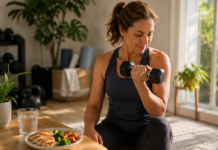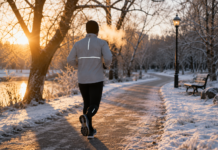





















Training outside feels great—fresh air, open space, and real-world variety—but the elements add risks you don’t face in a gym. This guide gives you 12 practical, field-tested rules to reduce those risks without killing your momentum. In one line: outdoor workout safety means managing environmental exposure (sun, heat, cold, air), traffic and terrain, and personal safety so you can train consistently. Quick start: check weather, UV index, and AQI, plan a visible route, hydrate and fuel appropriately, wear sun protection, carry essentials, and stop if warning signs show up. Brief note: this article is informational only and not a substitute for medical advice; seek care for symptoms or conditions. When the outside plays nice, you can train hard—safely.
1. Check Weather, UV Index, Air Quality, and Lightning Before You Go
Knowing conditions is the simplest way to prevent most outdoor mishaps. Before every session, scan the temperature, humidity, wind, UV index (UVI), air quality index (AQI), and any storm alerts. AQI above 100 means sensitive groups should modify or move indoors; above 150 is unhealthy for most people. For UV, protection is generally recommended at UVI ≥3; at UVI 8+ you need strict sun protection and shorter exposure windows. If you hear thunder, you’re within striking distance of lightning—go inside and stay there for 30 minutes after the last thunder. Make this a pre-workout ritual like tying your laces; the five-minute check often dictates your safest route, start time, and gear. As of August 2025, these thresholds are consistent across leading public-health sources.
1.1 How to do it fast
- Weather + UV: use your weather app’s hourly view; note temperature, humidity, wind, and UVI (look for 3–11+ bands).
- Air quality: check AQI on AirNow.gov; avoid intense exercise when AQI >100 and postpone/modify at >150.
- Storms: if thunder is audible, move indoors and wait 30 minutes after the last rumble. Don’t use tents/sheds as shelter.
1.2 Region notes
- Hot/humid climates: start at dawn or after sunset to dodge peak heat and UVI windows (late morning to mid-afternoon).
- Wildfire regions: if smoke is present, reduce intensity and consider masking (see Rule #4).
Bottom line: five minutes of recon prevents hours of misery; set your conditions, then set your session.
2. Hydrate Smart—Enough, Not Excess
Outdoor exercise increases sweat loss; under-hydrate and you’ll fade, overdo it and you risk hyponatremia. A practical baseline is small, steady sips during work (about 200–300 mL every 10–20 minutes), adjusted by sweat rate, heat, and duration. Limit total fluid intake to well below ~1.4 L/hour (48 oz/hour) to reduce hyponatremia risk. Include electrolytes—especially sodium—on long, hot, or very sweaty sessions; they aid fluid retention and help maintain performance. Afterward, rehydrate over the next few hours and include a salty snack or electrolyte drink. In heat waves, start the day hydrated and schedule your hardest efforts in the coolest hours.
2.1 Numbers & guardrails
- Pre-hydrate (hot days): begin the day hydrated; drink regularly and don’t wait for thirst in heat.
- During: 200–300 mL every 10–20 minutes, then adjust by weighing before/after to estimate sweat rate.
- Ceiling: avoid >48 oz (≈1.4 L) per hour to lower hyponatremia risk.
- Signs to stop: cramping, dizziness, nausea, confusion, chills—even if you “feel fine” moments earlier.
2.2 Mini checklist
- Bottle/bladder sized for session length
- Electrolyte tabs or mix (especially in heat)
- Post-run fluids + salty snack ready at home
Bottom line: sip steadily, respect your ceiling, and match fluids to your sweat—not someone else’s.
3. Heat-Proof Your Plan (Acclimatize, Adjust, Abort)
Heat illness is preventable with smart planning. Build acclimatization over 1–2 weeks by gradually increasing heat exposure and intensity. On hot days, shorten intervals, extend recoveries, and slow your paces; move workouts to dawn/evening when possible. Watch for early red flags—cramps, headache, dizziness, heavy sweating turning to dry/hot skin—and stop immediately if they appear. Heat stress accelerates when humidity is high, because sweat can’t evaporate efficiently. Never “push through” confusion or collapse risks; cooling and shade beat any split you wanted. As of August 2025, CDC guidance emphasizes pacing, scheduling, hydration, and sunscreen on hot days.
3.1 How to scale efforts
- Convert speed days to easy aerobic runs or cross-train indoors.
- Drop target pace by 10–30 s/km (15–50 s/mi) as temperature and humidity rise.
- Add cold fluids/ice bandana and plan shaded loops.
3.2 Common mistakes
- Stubbornly training at “normal” paces in abnormal heat
- Skipping sunscreen (burned skin impairs cooling)
- Ignoring early symptoms because “it’s just the warm-up” CDC
Bottom line: acclimatize, adjust, or abort—those are the only safe options when heat spikes.
4. Protect Lungs When Air Is Bad (AQI & Smoke)
When AQI is elevated or wildfire smoke hangs in the air, your lungs take the hit. Modify intensity, shorten time aloft, or move indoors when AQI passes 100—and especially 150. If you must train outside in smoke, a properly fitted NIOSH-approved respirator (e.g., N95) can reduce particulate exposure; note that respirators increase breathing work, so drop intensity. Prioritize low-pollution windows (often early morning), and use indoor air purifiers on smoky days. For kids, older adults, or people with heart/lung conditions, err on the side of postponing.
4.1 Practical steps
- Check AQI hourly; set your personal cutoffs (e.g., easy only at 101–150; indoors at >150).
- If masked, slow down and monitor for heat stress (masks can add thermal load).
- Keep an indoor “clean air room” ready in wildfire season. AirNow
4.2 Quick example
Yesterday’s AQI peaked at 165 at 2 p.m., so the athlete ran 40 minutes at Z1 at 6 a.m. (AQI 85) and did strength work indoors later.
Bottom line: lungs first—adapt duration and intensity to AQI, and use N95s strategically when you can’t avoid smoke.
5. Sun Safety: Cover Up, Time It Right, Reapply
Sun exposure adds up fast during outdoor workouts. Aim for broad-spectrum sunscreen (SPF ≥30), applied 15 minutes before training and reapplied every two hours or after heavy sweating/swimming. Combine sunscreen with UPF clothing, a brimmed hat, and UV-blocking sunglasses; clothing plus shade is the most effective protection when UVI ≥3. Midday sessions (roughly 10 a.m.–4 p.m.) carry the highest UV load in many regions; shift earlier/later when possible. Don’t rely on very high SPF to bypass reapplication—the marginal UVB difference between SPF 30 and 50 is small; technique and frequency matter more. World Health Organization
5.1 How to do it
- Use a shot-glass equivalent (≈30 mL) for full-body coverage; don’t forget ears, neck, hands.
- Reapply every ~2 hours and after sweating/swimming; check expiration dates.
- Prefer UPF 30–50+ clothing; brimmed hats and wraparound sunglasses help. The Skin Cancer Foundation
5.2 Mini checklist
- Sunscreen stick for face reapplication mid-run
- Lightweight UPF shirt for long sunny sessions
- Lip balm with SPF 30+
Bottom line: prioritize shade/clothing, then sunscreen—reapplied—whenever UVI is 3 or above.
6. Be Visible and Predictable Around Traffic
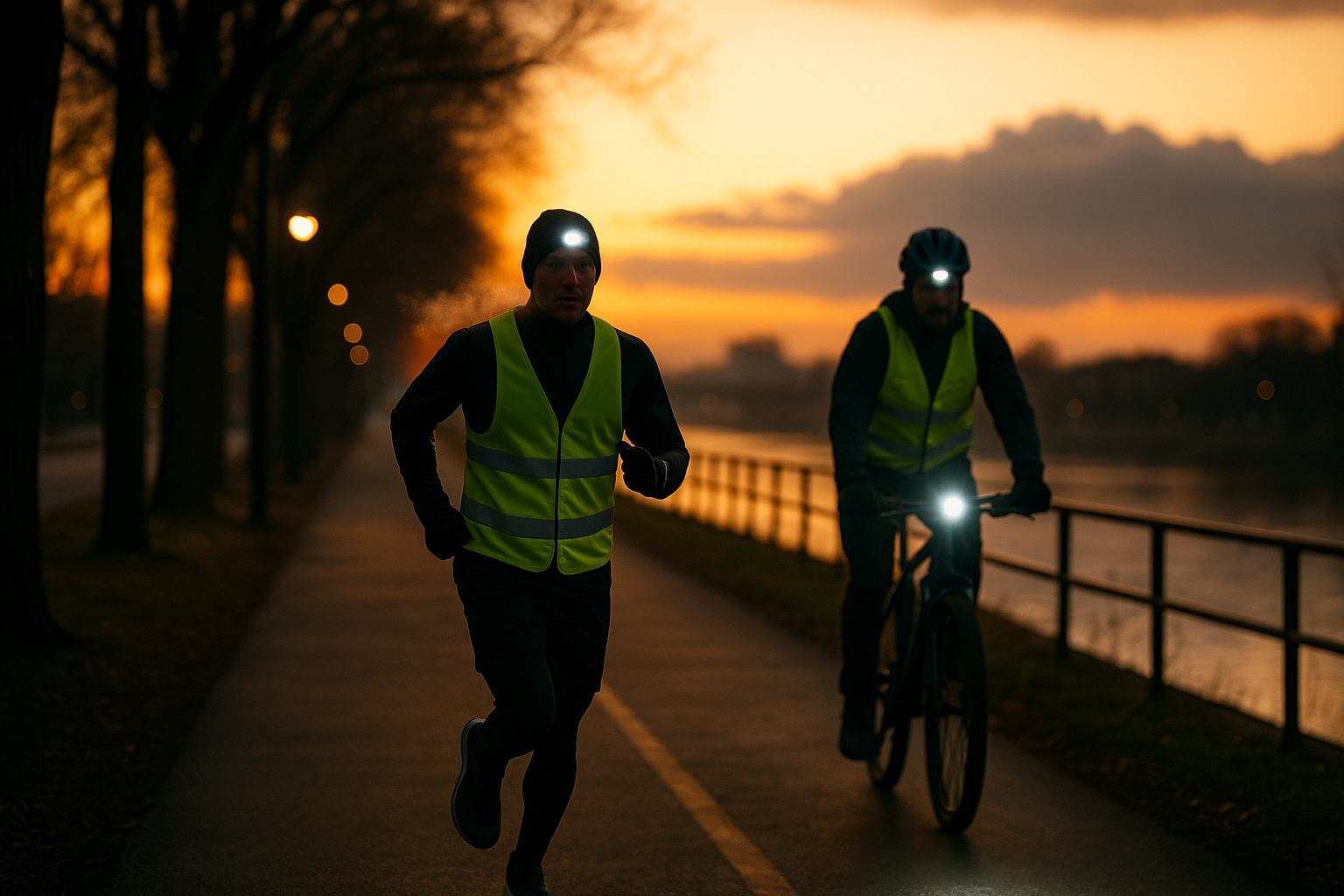
Motorists, cyclists, and runners share tight space; visibility and predictable behavior save lives. Wear bright colors by day and reflective elements at night; runners should face oncoming traffic where no sidewalk exists, while cyclists ride with traffic and obey all signals. After dark or in poor visibility, use a white front light and a red rear light/reflectors on bikes; runners benefit from a headlamp and blinking rear light. Make eye contact at crossings and avoid distractions that block situational awareness. Plan routes with sidewalks/paths where possible, and assume you are invisible until you’re acknowledged.
6.1 Steps that stack
- Runners: face traffic if no sidewalk; use reflective/LED gear after dusk.
- Cyclists: white front light + red rear light/reflector at night; ride with traffic and signal.
- Everyone: reduce earbud volume to hear vehicles and cyclists overtaking.
6.2 Common mistakes
- All-black kit at dawn/dusk
- Crossing mid-block with headphones up
- Riding against traffic to “see cars”—this confuses drivers
Bottom line: be seen, be predictable, and never assume drivers see you until they prove it.
7. Mind the Surface: Terrain, Footwear, and Ankles
Outdoor surfaces vary wildly—potholes, gravel, roots, curbs—and each demands attention. Choose shoes that match your terrain (road vs trail lugs), and favor routes with consistent footing when you’re running fast. On trails, shorten your stride, keep your gaze 3–5 meters ahead, and lift your feet slightly higher to clear roots/rocks. Use a headlamp for early/late runs and consider trekking poles for steep, loose climbs on hike-run sessions. During rainy seasons, avoid clay or polished stone surfaces that become slick; after storms, watch for downed branches and hidden holes.
7.1 Mini-checklist
- Route preview (recent construction? storm debris?)
- Appropriate tread (trail lugs vs road foam)
- Headlamp at dawn/dusk; spare batteries for long efforts
- Simple ankle warm-up: calf raises, ankle circles, short hops
7.2 Small numeric example
If your usual 5:00/km (8:03/mi) road pace becomes 5:40/km (9:07/mi) on technical trail, keep effort (HR/RPE) rather than pace constant; your risk drops while training stimulus remains.
Bottom line: match your gear and gait to the ground under you—consistency beats bravado on tricky surfaces.
8. Carry a Minimal Safety Kit (ID, Phone, Aid, Location Sharing)
A tiny kit turns minor problems into non-events. Carry ID (or wearable), a charged phone, some cash or a transit card, and a few first-aid basics: bandage, blister patch, alcohol wipe, and tweezers if you’re in tick country. For longer or remote sessions, scale up with an ultralight kit (elastic wrap, gauze, tape, antihistamine, emergency blanket), plus knowledge of hands-only CPR. Many phones and sports apps allow live location sharing with a trusted contact—use it for solo sessions. Program local emergency numbers and any medical info (allergies, conditions) into your device’s emergency settings.
8.1 Mini-checklist
- Wearable ID or in-phone medical ID
- Phone (battery ≥40%), small cash/card
- Blister kit, bandage, alcohol wipe, tweezers
- Live location sharing toggled on for solo sessions
- Basic CPR knowledge (push hard and fast, 100–120/min)
8.2 Tools/Examples
- First-aid kit content lists from humanitarian orgs are great packing templates; tune to your environment and duration.
Bottom line: small kit, big peace of mind—plan to self-manage the common 1% issues so you can focus on the 99% workout.
9. Fuel Workouts That Last (and Protect Your Gut)
For outdoor sessions over an hour, plan carbs and fluids to protect both performance and gut comfort. A widely used range is 30–60 g carbohydrate per hour for 1–2.5 hours of endurance work; go toward the higher end in longer or higher-intensity sessions if your gut is trained. Distribute intake in small, frequent doses (e.g., every 15–20 minutes) and chase gels/chews with a few swigs of water. For very long events, advanced athletes may push up to ~90 g/h using mixed carb sources (glucose + fructose), but only after practice. Pre-run meals 2–3 hours prior (low fiber/fat) reduce GI risk.
9.1 How to start
- 60–90 min: target ~30 g/h (one gel every 20–30 min)
- 90–150 min: ~45–60 g/h (gels + chews + drink mix)
- 150 min: up to ~60 g/h (or higher with training/mixed carbs)
9.2 Common mistakes
- Big, high-fiber meal 60 minutes before a hard run
- Slamming one large gel without water
- “Saving” all carbs for the last 30 minutes
Bottom line: small, steady carb dosing keeps energy up and your gut calm—practice it like intervals.
10. Deter Bugs and Plants: Repellents, Clothing, Checks
Bites and stings aren’t just annoying—they can transmit disease. Use EPA-registered repellents (DEET, picaridin, IR3535, oil of lemon eucalyptus/PMD) on exposed skin, and treat clothing/gear with 0.5% permethrin to deter ticks. Avoid tall grass/brush when possible, stick to the center of trails, and do head-to-toe tick checks after workouts. For children, avoid OLE/PMD under age 3; never use repellents on infants <2 months (use clothing/netting instead). In mosquito-heavy seasons, choose long sleeves and eliminate standing water around home.
10.1 Quick routine
- Before: apply repellent to exposed skin; wear light-colored long sleeves/pants in tick areas.
- During: stay center-trail; avoid brushing against tall vegetation.
- After: shower and perform tick checks (hairline, behind knees, waistline, under arms).
10.2 Mini case
Trail run in tick country? Treat socks/shorts with permethrin the day before; after the run, shower and do a careful check—caught early, tick removal is straightforward.
Bottom line: layer repellent + clothing + behavior; a two-minute post-run check is high-value protection.
11. Dress for the Cold (Layer, Cover, Wind Chill)
Cold exposure risks frostbite and hypothermia, especially in wind. Use moisture-wicking base layers, insulating mid-layers, and wind/water-resistant shells; cover ears, fingers, and face when wind chills are severe. Remember: frostbite risk correlates with actual sub-freezing air temps plus wind; wind chill accelerates heat loss and shortens safe exposure but doesn’t create frostbite if air temp is above freezing. In extreme cold, shorten sessions, loop near shelter, and carry a dry backup layer. Keep sipping water—dehydration is common in the cold.
11.1 Guardrails
- Below freezing with wind: limit exposed skin; use face covering and hand warmers.
- Wind chill near −25°F (−32°C): frostbite possible in ~15 minutes on bare skin—modify or move indoors. National Weather Service
- After-care: change out of wet layers quickly to avoid post-exercise chill.
11.2 Mini-checklist
- Base/mid/shell layers
- Thermal hat, gloves, neck/face cover
- Dry top in a zip bag for post-run switch
Bottom line: dress to manage moisture and wind; when temps plunge, keep routes close and exposures short.
12. Build a Personal Safety Plan (Routes, Check-Ins, Boundaries)
A plan beats improvisation when things go sideways. Share your route and ETA with a trusted contact and enable live location for solo workouts. Vary routines and start points; avoid broadcasting live from isolated areas. Stick to well-lit, populated routes at night, and keep one ear open (bone-conduction or low volume) to maintain awareness. Learn hands-only CPR—call emergency services, then push hard and fast at 100–120/min until help arrives. Most of all, set boundaries: if conditions or your body feel wrong, bail early and reschedule.
12.1 Mini-checklist
- Pre-share route + ETA; live location on
- Headlamp + rear blinker at night; phone accessible
- Clear “abort criteria” (weather alerts, dizziness, pain)
12.2 Common pitfalls
- Same route/time daily (predictable)
- Loud earbuds that block traffic cues
- Pushing through warning signs to “save the workout”
Bottom line: communicate, light up, and listen to your instincts—your safest workout is the one you can repeat tomorrow.
FAQs
1) Is it safe to run when the AQI is “Moderate” (51–100)?
For most healthy adults, light to moderate outdoor activity is usually fine when AQI is 51–100, but unusually sensitive individuals may feel effects. If you notice coughing, throat irritation, or chest tightness, reduce intensity or head indoors. Use official guidance and your personal symptoms to decide; when in doubt, choose a lower-intensity session.
2) How much water should I drink during a 90-minute summer run?
Start hydrated, then sip ~200–300 mL every 10–20 minutes and adjust based on sweat rate. Don’t exceed roughly 48 oz (≈1.4 L) per hour to reduce hyponatremia risk. In hot, humid conditions, add electrolytes and slow the pace. Rehydrate gradually afterward with fluids and a salty snack.
3) What sunscreen works best for sweaty workouts?
Use broad-spectrum SPF ≥30, water-resistant sunscreen. Apply 15 minutes before you train, and reapply at least every two hours or sooner if you’re sweating heavily. Combine with UPF clothing, hat, and sunglasses; don’t let high SPF numbers trick you into skipping reapplication.
4) Lightning started mid-run—what do I do?
If you hear thunder, you’re within striking distance. Get inside a substantial building or a hard-topped vehicle immediately and remain there for 30 minutes after the last thunder. Avoid small shelters, open fields, and tall isolated trees. Resume only after the 30-minute window.
5) Is wearing an N95 mask helpful during smoky outdoor workouts?
A properly fitted NIOSH-approved respirator (e.g., N95) can reduce particulate exposure if you must be outdoors in smoke. It may feel warmer and make breathing feel harder, so lower intensity and watch for heat stress. On heavy-smoke days, the best move is to train indoors. CDCdocument.airnow.gov
6) Should runners face traffic or go with it? What about cyclists?
Runners and walkers should use sidewalks; if none exist, face oncoming traffic and stay as far to the side as safely possible. Cyclists are vehicles—ride with traffic, follow signals, and, after dark, use a white front light and red rear light/reflector.
7) How can I avoid tick and mosquito bites on trail runs?
Use EPA-registered repellents (DEET, picaridin, IR3535, OLE/PMD), wear long sleeves/pants in high-risk areas, and treat clothing with 0.5% permethrin. Stay center-trail and perform thorough tick checks post-run. For children under 3, avoid OLE/PMD.
8) What are the best times to avoid harmful UV exposure?
UV rays are typically strongest from late morning to mid-afternoon. If the UV index is 3 or higher, use protection: shade, UPF clothing, sunscreen, hat, and UV-blocking sunglasses. Shift sessions earlier or later when possible.
9) How do I fuel a 2-hour run without stomach issues?
Target ~30–60 g of carbohydrate per hour, split into small doses (e.g., gels/chews every 15–20 minutes) and chase with water. Practice during training to “teach” your gut. For longer runs, some athletes tolerate up to 90 g/h using mixed carb sources, but only after progressive practice.
10) What’s the simplest version of a safety kit for urban runs?
Carry ID (or set up medical ID on your phone), a charged phone, a small bandage/blister patch, and a few cash notes or a transit card. Add a mini light or reflector if you’ll be out near dusk. For longer or off-grid sessions, scale to a fuller first-aid kit and share your live location.
11) How do wind chill and frostbite risk actually work?
Wind chill accelerates heat loss and shortens safe exposure, but frostbite requires the actual air temperature at skin level to be at or below freezing; wind only speeds freezing once temps are low enough. In severe cold, expose as little skin as possible and keep routes close.
12) I train alone a lot—what’s one habit that moves the needle most?
Share your route and ETA with a trusted contact and enable live location. It takes seconds, discourages risky detours, and makes help easier to send if you stop responding. Combine with night visibility (lights/reflectors) and a clear “stop” rule when conditions change.
Conclusion
Outdoor workouts are an unbeatable way to build fitness and mental freshness—if you manage the variables that matter. Start with conditions (weather, UV, AQI), then layer in hydration and fueling tailored to the session length. Make visibility and predictability your defaults around traffic, and protect skin, lungs, and body temperature with smart timing, clothing, and reapplication habits. Carry a minimalist kit, learn hands-only CPR, and use technology thoughtfully (route sharing, lights, emergency contacts). Most importantly, listen to your early warning signs: light-headedness, chest tightness, confusion, chills, or sudden fatigue are all reasons to stop and reassess. Take these 12 rules and make them your pre-flight checklist; the payoff is fewer interruptions, safer days outside, and more consistent training. Go enjoy that fresh air—safely. CTA: Pick one upcoming outdoor session and run the safety checklist today.
References
- Air Quality Index (AQI) Basics, U.S. EPA/AirNow, updated 2024, AirNow
- UV Index Scale, U.S. EPA, Feb 2025, US EPA
- Radiation: The UV Index, World Health Organization, Jun 2022, https://www.who.int/news-room/questions-and-answers/item/radiation-the-ultraviolet-(uv)-index World Health Organization
- Sun Safety Facts, CDC, Jul 2024, CDC
- Lightning Safety, NOAA, Feb 2025, NOAA
- Lightning Safety One-Pager (PDF), National Weather Service/NOAA, Nov 2018 (accessed 2025), National Weather Service
- Heat and Athletes, CDC, Jun 25, 2024, CDC
- OSHA: Keeping Workers Well-Hydrated (PDF), U.S. OSHA, 2023, OSHA
- How to Apply Sunscreen, American Academy of Dermatology, accessed 2025, American Academy of Dermatology
- Sunscreen: How to Help Protect Your Skin from the Sun, U.S. FDA, Aug 16, 2024, U.S. Food and Drug Administration
- Pedestrian Safety, NHTSA, accessed 2025, NHTSA
- Bicycle Safety, NHTSA, accessed 2025, NHTSA
- Preventing Tick Bites, CDC, Aug 28, 2024, CDC
- Preventing Mosquito Bites, CDC, Aug 28, 2024, CDC
- Mosquito Bite Prevention—U.S. (PDF), CDC, 2024, CDC
- Understanding Wind Chill (Cold Safety), National Weather Service/NOAA, accessed 2025, National Weather Service
- Carbohydrate Intake During Exercise, Jeukendrup A., Sports Med. 2014, PMC
- Nutrition and Athletic Performance (Position Stand), ACSM/AND/DC, 2016, drugfreesport.org.za
- What Is Hands-Only CPR, American Heart Association, accessed 2025, cpr.heart.org
- Hiking & Backpacking First Aid Kit: Contents, American Red Cross, Jun 24, 2024, American Red Cross