


























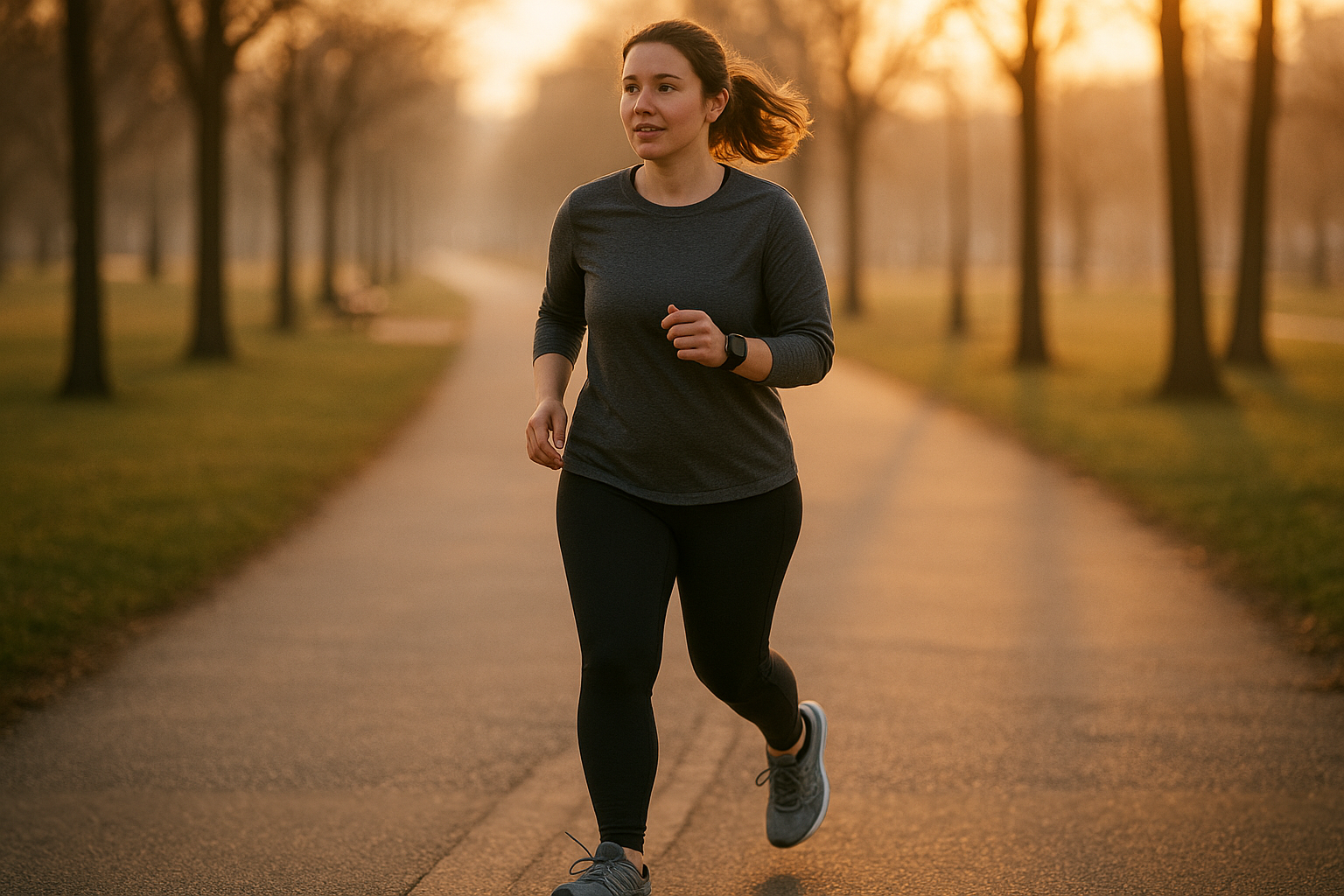
If you want to run your first 5K without burning out or getting hurt, this 12-week beginner’s 5k training plan gives you a clear, steady path: three runs per week, small weekly progressions, simple strength moves, and sensible recovery. You’ll start with short walk-run intervals, gradually jog longer, add gentle speed familiarity, and finish with a calm taper into race day. A beginner’s 5K training plan is a structured, progressive schedule that builds aerobic fitness and durability from near-zero running to running (or run-walking) 5 kilometers comfortably. As with any exercise program—especially if you have medical conditions—use this as general education, and speak with a qualified clinician if you’re unsure what’s safe for you. The CDC recommends adults aim for at least 150 minutes of moderate activity plus two days of muscle-strengthening weekly; we’ll integrate those ideas at a beginner-friendly level.
Fast start (what to do this week): get fitted for shoes, try a 5–10 minute dynamic warm-up, and complete three easy walk-run sessions with a day off between them. The NHS’s Couch to 5K model of three runs/week inspired this plan’s cadence because it’s realistic, effective, and sustainable for first-timers.
1. Week 1 — Build the Habit With Gentle Walk-Run
Start with three short sessions that you know you can finish. In week 1, the goal is consistency and comfort, not speed or distance. You’ll alternate 1 minute of easy jog with 1 minute of brisk walk, repeated 10 times (about 20 minutes of intervals), bookended by a 5-minute warm-up walk and a 5-minute cool-down. Expect to breathe a little heavier but still be able to talk in full sentences (RPE 3–4 on a 0–10 scale). Add one short body-weight strength mini-session (10–15 minutes) on a non-running day—think squats to a chair, glute bridges, and dead-bugs. This sets the tone for safe, sustainable progression while respecting rest days, which are as important as the runs themselves in beginner programs.
1.1 How to do it
- Run 1: 5-min brisk walk → 1:1 jog:walk × 10 → 5-min easy walk.
- Run 2: Same as Run 1.
- Run 3: Same as Run 1; if you feel great, add one extra 1:1 cycle.
- Strength (1x): 2 rounds of 8–10 reps each—chair squats, glute bridges, dead-bugs, standing calf raises.
1.2 Numbers & guardrails
- RPE: 3–4 (comfortable).
- Total per run: ~30–35 minutes including warm-up/cool-down.
- Shoe check: prioritize comfort and fit; a specialty shop or podiatry guidance helps match arch type and support.
Close the week with a short reflection: Can you finish each run and talk easily afterward? If yes, you’re exactly where you should be.
2. Week 2 — Stretch the Jog Time Slightly
The answer this week is “a touch more jog, same total time.” You’ll progress to 90 seconds jog / 2 minutes walk repeated 8 times. The intention is to nudge cardiovascular load without spiking fatigue or soreness. Keep warm-ups dynamic (leg swings, hip circles, 20–30 seconds of marching) and cool down with light walking. Continue one short strength mini-session. If you notice shin soreness, scale back one interval or add an extra day between runs. Shin splints often stem from sudden changes; slow, predictable progress—plus supportive shoes—lowers risk.
2.1 How to do it
- Run 1–3: 5-min brisk walk → (90s jog / 2-min walk) × 8 → 5-min walk.
- Strength (1x): Add side planks (2×15–20s/side) and step-ups (2×8/leg to a low step).
2.2 Mini-checklist
- Warm-up 5–10 minutes.
- RPE 3–4; keep a chatty pace.
- If shin pain spikes or lingers after runs, reduce volume and check footwear fit.
This modest bump keeps momentum high and injury risk low; patience now pays off later.
3. Week 3 — 2:1 Intervals and Posture Cues
We now shift to 2 minutes jog / 1 minute walk repeated 8 times. Your first sentence-long goal remains: keep breath under control at conversational effort. Start playing with posture—tall through the crown of the head, slight forward lean from the ankles, quick, quiet steps. Add light “strides” at the end of one run: 4×15-second relaxed accelerations with full walking recovery. Dynamic warm-ups (vs. static stretching) are associated with better joint range and a lower injury rate in athletes; we’ll keep them in all plan weeks.
3.1 How to do it
- Run 1–2: 5-min brisk walk → (2:1 jog:walk) × 8 → cool-down.
- Run 3: Same plus 4×15s strides with 60–90s easy walk between.
- Strength (1x): Add single-leg Romanian deadlifts (2×8/leg with light dumbbells or body weight).
3.2 Numbers & guardrails
- RPE: 4–5 on intervals; 2–3 on walk recoveries.
- Footwear: ensure enough cushioning or stability based on arch/pronation; replace worn pairs in time.
As your jog segments lengthen, resist pushing speed; smooth and steady beats fast and frantic.
4. Week 4 — Recovery Week (Hold 2:1, Trim a Little Volume)
A strategic “cut-back” week helps tissues adapt and keeps the plan sustainable. Stay with 2:1 jog:walk, but drop one interval each run (e.g., ×7 instead of ×8). Swap the strength mini-session for 20–30 minutes of easy cross-training (cycle, swim, or brisk walk). Use this week to dial hydration and heat habits if you run outdoors; learn your sweat rate by weighing before/after a run to estimate fluid loss, and start runs well-hydrated. Evidence-based position statements from ACSM and NATA emphasize individualized fluid strategies and awareness of heat stress signs.
4.1 How to do it
- Run 1–3: 5-min brisk walk → (2:1) × 7 → cool-down.
- Cross-training (1x): 20–30 minutes easy + 5–10 minutes mobility.
4.2 Mini-checklist
- Avoid midday heat where possible; choose shade and breathable fabrics.
- Sip to thirst; avoid both dehydration and overdrinking.
- Learn early signs of heat illness; stop if dizzy, nauseous, or confused.
Treat recovery like training: it is the glue that holds your gains together.
5. Week 5 — Longer Continuous Blocks (3×8 Minutes)
You’re ready for longer continuous jogging. Run three blocks of 8 minutes easy jog with 2 minutes walk between. The objective is to extend time-on-feet at a manageable effort (RPE 4–5). Keep strides (4×15s) after one run for leg turnover. Add one short strength session emphasizing hips and calves—key for shock absorption and running economy, which improves with sensible strength work.
5.1 How to do it
- Run 1–2: 5-min walk → 3×8-min jog (2-min walk between) → cool-down.
- Run 3: Same + 4×15s strides.
- Strength (1x): Hip thrusts 2×8–10, calf raises 2×12–15, bird-dogs 2×8/side.
5.2 Numbers & guardrails
- Total running time: 24 minutes each session (plus warm-up/cool-down).
- RPE: settle at 4–5; you should finish feeling like you could do 5 more minutes.
You’ll start recognizing your natural easy pace—keep it easy.
6. Week 6 — Two Big Blocks (2×12 Minutes)
Reduce the number of blocks, lengthen each: 2×12 minutes of easy jog with a 3-minute walk between. This teaches steady pacing and builds confidence. If you need an extra minute of walking mid-block, take it and continue. Keep one strides set, and one short strength session. As summer heat or humidity rises, aim for earlier/later runs and adjust pace to feel. Hydration basics still apply: start euhydrated and rehydrate after, guided by thirst and body mass change.
6.1 How to do it
- Run 1–2: 5-min walk → 2×12-min jog (3-min walk) → cool-down.
- Run 3: Same + 4×15s strides.
- Strength (1x): Split squats 2×8/side, side-lying clamshells 2×12/side, plank 2×20–30s.
6.2 Mini-checklist
- Keep cadence light and quiet.
- If RPE drifts above 5, shorten the block or add a short walk—then resume.
- Soreness around the shin? Back off by ~10–20% this week and reassess shoes.
Consistency beats heroics; you’re building durability, not chasing splits.
7. Week 7 — First Continuous Easy Run (20–22 Minutes)
This is a milestone: your first continuous jog for 20–22 minutes at conversational pace (RPE 4). The other two runs follow a similar pattern. You’re likely covering ~2.5–3.5 km per run depending on pace; that’s plenty. Keep the focus on relaxed form and even breathing. Maintain one short strength session—stronger hips and calves translate to better running economy and fewer niggles.
7.1 How to do it
- Run 1: 5-min walk → 20–22 min continuous jog → 5-min cool-down.
- Run 2: Repeat Run 1.
- Run 3: 18–20 min jog + 4×15s strides.
- Strength (1x): Add single-leg calf raises (2×10/leg) and banded lateral walks (2×10–12 steps/side).
7.2 Numbers & guardrails
- RPE: 4—steady and chatty.
- Shoes: replace around 300–500 miles (480–800 km) or if cushioning feels dead. APMA MAIN
Enjoy this win—continuous running changes how you see yourself as an athlete.
8. Week 8 — Recovery & Technique Focus
Hold your continuous run time (18–22 minutes) but lighten the week by ~10–15% total volume. Add short drills before one run—high knees, butt kicks, and A-skips for 2×20–30 meters. Keep strides after one easy run. This lighter week reinforces mechanics and refreshes legs before the final push. Dynamic warm-ups remain your default; static stretching fits best after running or on separate mobility sessions.
8.1 How to do it
- Run 1: 18–20 min continuous jog + 4×15s strides.
- Run 2: 20–22 min continuous jog.
- Run 3: 18–20 min continuous jog (no strides).
- Mobility (1x): 10 minutes easy hips/ankles, foam roll calves if helpful.
8.2 Mini-checklist
- Stick to shade and cooler hours; use breathable fabrics.
- RPE 3–4; you should finish fresher than last week.
- If training in hot climates, adjust duration/pace proactively.
A down-week now sets up smoother progress next week—bank the freshness.
9. Week 9 — 25–28 Minutes Continuous + Easy Pickups
Now extend your longest run to 25–28 minutes continuous at easy effort. Add one light “speed-familiarization” session: 6×45 seconds at a brisk but controlled effort (RPE ~6–7) with 90 seconds easy jog or walk between. This is not an all-out workout—just teaching legs to turn over a bit quicker while staying relaxed. Finish with a third easy continuous run (20–22 minutes). Keep one short strength session. Interval exposure like this later helps your 5K feel more comfortable.
9.1 How to do it
- Run 1: 20–22 min easy jog.
- Run 2: 6×45s brisk (RPE 6–7) w/ 90s easy → 10 min easy jog.
- Run 3: 25–28 min continuous jog.
- Strength (1x): Hip thrusts 2×10–12, step-downs 2×8/side, plank 2×30–40s.
9.2 Numbers & guardrails
- RPE: Easy runs 4; pickups 6–7.
- Finish feeling strong, not spent; if you can’t, cut a rep.
These small speed tastes build confidence without jeopardizing recovery.
10. Week 10 — Pace Familiarization (6×1 Minute “5K Effort”)
This is your only true “quality” session: 6×1 minute at 5K-ish effort (RPE 7) with 2 minutes easy between, sandwiched inside 10–15 minutes of easy jogging. Keep two other easy continuous runs of 22–26 minutes. The goal is to learn the feel of your likely race effort without volume overload. Research on pacing suggests more even strategies perform better than going out too fast; practice that calm start in today’s efforts.
10.1 How to do it
- Run 1: 10-min easy → 6×1-min (RPE 7) / 2-min easy → 10-min easy.
- Run 2: 22–24 min continuous jog.
- Run 3: 24–26 min continuous jog + 4×15s strides.
10.2 Mini-checklist
- You should finish the 6th rep with 1–2 reps “in the tank.”
- If HR or RPE spikes in heat, shorten reps to 45s and extend recoveries.
Today teaches control—your race will reward it.
11. Week 11 — Taper Begins (-40–50% Volume, Keep a Little Zip)
Reduce total running by ~40–50% while keeping a sprinkle of intensity. Do two 20-minute easy runs and one short session with 4×1 minute at 5K effort (2 minutes easy between). Evidence shows that tapers of ≤21 days with volume reduced ~41–60%—while maintaining frequency and intensity—improve endurance performance; we’ll follow that pattern at a beginner scale.
11.1 How to do it
- Run 1: 20 min easy + 4×15s strides.
- Run 2: 4×1-min at RPE 7 w/ 2 min easy (10-min easy before/after).
- Run 3: 20 min easy jog.
- Optional mobility: 10 minutes hips/ankles; light foam roll.
11.2 Race-week prep notes
- Hydration & heat: begin the week well-hydrated; practice your pre-run drink plan based on thirst and prior weigh-ins.
- Logistics: confirm bib pickup, route, and start time; choose breathable gear.
Taper weeks are about confidence; you’re ready—now protect your freshness.
12. Week 12 — Race Week: Sharpen, Then Celebrate
Your job this week is simple: stay healthy, keep legs snappy, and arrive rested. Do two very short easy runs (15–20 minutes) with 4×15-second strides after the first. Two days before the race, take a full rest day or easy 20-minute walk. The day before, do 10–15 minutes of relaxed jogging with 2×20-second brisk pickups. On race morning, warm up gently (5–8 minutes easy walk/jog + a few hip/ankle drills). Start conservatively for the first kilometer, then settle into an even, sustainable rhythm; avoid the classic “first kilometer too fast” mistake documented in pacing research. After the finish, sip fluids to thirst and eat a carb-plus-protein meal within a couple of hours.
12.1 How to do it
- Mon/Tue: 15–20 min easy (add 4×15s strides on the first).
- Thu: 10–15 min easy + 2×20s brisk.
- Race day: 5–8 min easy warm-up → run your 5K → cool-down walk.
12.2 Mini-checklist
- Sleep 7–9 hours when you can.
- Pin your bib the night before; aim to arrive 45–60 minutes early.
- Start easy, finish proud—an even pace almost always wins.
Smile across the line—you’ve earned it.
FAQs
1) Can I still finish a 5K if I keep some walk breaks on race day?
Yes. Many first-timers run-walk their 5K and finish strong. Use planned breaks—e.g., 3 minutes jog / 1 minute walk—from the start rather than waiting until you’re exhausted. The structure helps you pace evenly, and even pacing generally leads to better outcomes than surging early.
2) How hard should my “easy” runs feel?
Use the talk test and RPE 3–4. You should breathe a little heavier but still speak in full sentences. This anchors training in the moderate-intensity zone aligned with public-health guidance and builds the aerobic base your 5K relies on.
3) Do I really need to warm up?
A short, dynamic warm-up (5–10 minutes) improves joint range and readiness and is associated with lower injury incidence versus no warm-up. Keep it simple: brisk walk, leg swings, hip circles, ankle rolls. Save long static stretches for after running.
4) What if I get shin splints?
First, reduce running volume and intensity for a week, and avoid hills. Cross-train with low-impact cardio while symptoms calm. Check shoe fit and cushioning and progress more gradually later. If pain persists or localizes sharply, see a clinician to rule out stress fracture or other conditions.
5) How important is strength training here?
Two short sessions weekly (10–20 minutes) targeting calves, glutes, quads, and core can improve running economy and resilience. Use simple moves (squats, bridges, calf raises, planks), progressing reps slowly. Evidence shows strength work meaningfully improves economy in distance runners.
6) How should I hydrate for training and race day?
Start runs euhydrated, drink to thirst during, and replace fluids after guided by how you feel and body mass changes. Both too little and too much fluid can impair performance and, in rare cases, health. Hot and humid conditions require extra caution and pacing adjustments.
7) What pace should I target in the 5K?
Aim for an even pace or a slight negative split: start the first kilometer a touch conservative, settle into steady effort, and finish faster if you can. Studies in 5K performance show that avoiding a too-fast start improves outcomes for many runners.
8) Can I compress this to 8–10 weeks if I’m already active?
Yes—if you can comfortably jog 20 minutes now, you can skip to week 7, then follow the remaining weeks. Keep one down-week if fatigue rises. Maintain strength work and warm-ups to support the extra stress and monitor niggles closely.
9) I live in a hot climate—how do I adjust?
Run at dawn or after sunset when possible, pick shaded routes, slow your pace, and shorten reps on quality days. Learn early heat illness signs (headache, dizziness, confusion) and stop if they appear. Prioritize breathable clothing and a conservative approach.
10) What if I miss a week?
Don’t “make up” every missed run. Repeat the last successful week, then continue. Rushing progression is a common trigger for shin splints and overuse aches—err on the side of caution and keep rest days intact.
Conclusion
Your first 5K is less about natural speed and more about consistent, sustainable training. By running three times per week, using short dynamic warm-ups, weaving in minimalist strength work, and honoring rest days, you steadily build aerobic fitness and joint/tendon resilience without overwhelming your body. The walk-run structure transitions to continuous jogging by mid-plan, then gently introduces brief “feel-for-pace” efforts so race day doesn’t feel foreign. Cut-back weeks and a sensible taper reduce fatigue and protect against the most common beginner setbacks. With your logistics sorted, your shoe fit comfortable, and your hydration habits dialed, the final ingredient is patience. Keep sessions easy unless the plan says otherwise, and trust the process—you’ll be ready to cover 5 kilometers confidently. Pin your bib, start a touch easy, and finish with a smile.
Call to action: Save this plan, set three run days on your calendar now, and lace up for Run 1 today.
References
- Adult Activity: An Overview. Centers for Disease Control and Prevention (CDC). Dec 20, 2023. CDC
- Couch to 5K running plan. NHS Better Health. 2025 (last updated). nhs.uk
- Potential Effects of Dynamic Stretching on Injury Incidence in Sports. Sports Medicine – Open. 2023. PMC
- Effect of Strength Training Programs in Middle- and Long-Distance Runners on Running Economy: A Systematic Review and Meta-analysis. Sports Medicine – Open. 2024. PubMed
- American College of Sports Medicine Position Stand: Exercise and Fluid Replacement. Med Sci Sports Exerc. 2007. PubMed
- National Athletic Trainers’ Association Position Statement: Fluid Replacement for the Physically Active. J Athl Train. 2017. PMC
- ACSM Expert Consensus Statement on Exertional Heat Illness. Curr Sports Med Rep. 2021. PubMed
- Effects of Tapering on Performance in Endurance Athletes: A Systematic Review and Meta-analysis. Frontiers in Physiology. 2023. (open-access summary: ) PubMedPMC
- The impact of different pacing strategies on five-kilometer running performance. J Strength Cond Res. 2006. PubMed
- Shin Splints (Medial Tibial Stress Syndrome). OrthoInfo—American Academy of Orthopaedic Surgeons (AAOS). 2025. OrthoInfo
- Measuring Physical Activity Intensity (RPE, HR methods). CDC. Last Reviewed: June 3, 2022. CDC
- Which Running Shoe is Right for You? American Podiatric Medical Association (APMA). 2025. APMA MAIN