



























Most days, water is all you need. But when training is long, hot, sweaty, or stacked back-to-back, electrolytes—especially sodium—can make the difference between feeling fine and falling apart. This guide is for everyday exercisers, weekend warriors, and parents of young athletes who want clear rules of thumb, not hype. We’ll cut through marketing and give you numbers, guardrails, and simple decision paths so you know exactly when to reach for plain water and when a sports drink (or oral rehydration solution) is the smarter move. Brief note: this is general education, not medical advice—ask a clinician if you have health conditions or take medications that affect fluid/salt balance.
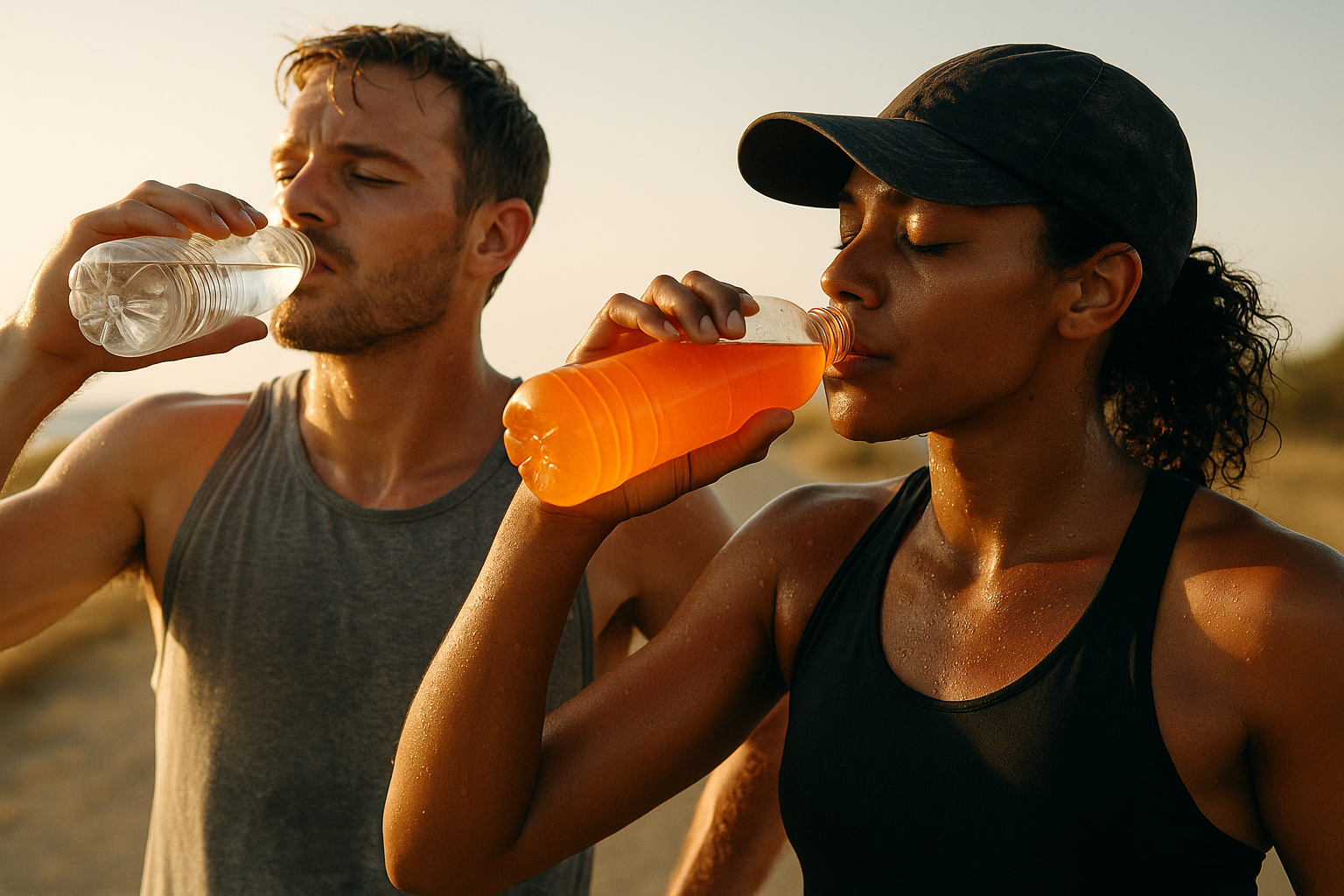
Quick answer: Use water for routine daily hydration and most workouts under ~60 minutes. Choose a sodium-carbohydrate sports drink when exercise is longer (≥60–90 minutes), sweat losses are heavy (hot/humid, “salty sweater”), you have back-to-back sessions, you’re recovering from GI illness, or you’re at altitude/harsh environments. For children and teens, water usually wins; reserve sports drinks for prolonged, vigorous play.
Skimmable checklist — when to choose a sports drink instead of water:
- Training or competition lasting ≥60–90 minutes at moderate-to-high intensity
- Hot/humid conditions or you’re a heavy/salty sweater
- Back-to-back sessions or tournaments with <12 hours between efforts
- Significant fluid losses from vomiting/diarrhea (use ORS, not typical sports drinks)
- Altitude trekking/climbing with sustained exertion and limited access to salty food
- You routinely cramp and lose visible salt (white streaks on clothes/skin)
- Youth sports only during prolonged, vigorous play (otherwise water)
1. Short, Easy Sessions and Daily Life: Water Is Enough
For everyday hydration and most short, light-to-moderate activities under about an hour, water covers your needs. Electrolytes lost in routine sweat are usually replaced by normal meals and snacks that naturally contain salt and potassium. A simple, practical guardrail: during moderate activity in moderate heat lasting less than two hours, sipping about 1 cup (8 oz/240 mL) every 15–20 minutes generally maintains hydration without overdoing it. If you’re eating regular meals, you typically don’t need special drinks for electrolytes in these scenarios. The goal here is comfort and consistency: keep water handy, drink to thirst, and use your urine color and body weight trends as rough feedback.
1.1 Numbers & guardrails (as of August 2025)
- During moderate work/effort <2 hours: ~240 mL every 15–20 minutes.
- Upper safety limit: avoid routinely exceeding ~1.4 L/hour (6 cups/hour) to reduce hyponatremia risk.
- Food matters: normal meals and salty snacks usually replace electrolytes just fine.
1.2 Mini-checklist
- Keep a refillable bottle nearby.
- If you’re not hungry post-workout, include a small salty snack.
- Watch for overdrinking if you’re barely sweating or exercising at very low intensity. CDC Blogs
Bottom line: For routine days and short sessions, choose water; let regular meals handle electrolytes, and avoid overcomplicating simple hydration.
2. Long or Hard Workouts (≥60–90 Minutes): Use a Sodium-Carb Sports Drink
Once sessions stretch past an hour—especially at moderate-to-vigorous intensity—glycogen and electrolytes become limiting. Here, a sports drink with carbohydrate plus sodium helps maintain performance, gut comfort, and fluid retention. As a starting framework, aim for 30–60 g carbohydrate per hour for efforts up to ~2.5 hours; if you’re going longer, some athletes tolerate up to ~90 g/h using mixed glucose/fructose sources. Pair that with sodium in the drink so the fluid is absorbed and retained more effectively than water alone. This combo lowers the risk of cramping related to large sodium deficits and reduces the chance that you’ll “flood” your system with plain water.
2.1 Numbers & guardrails (as of August 2025)
- Carbs during exercise: 30–60 g/h (up to ~90 g/h for ultra-duration with mixed sugars).
- Sodium in drink: target ~20–50 mmol/L (≈460–1,150 mg/L) to aid absorption and reduce hyponatremia risk.
- Pace total fluid: keep intake under ~1.4 L/hour unless you’ve measured sweat rates that justify more.
2.2 Label-reading mini-guide
- Check “sodium”: ~460–1,150 mg per liter (or ~115–290 mg per 8 oz).
- Confirm “carbohydrate”: 6–8% solutions (≈14–20 g per 8 oz) are common and well-tolerated.
- Consider alternate carb sources (gels/chews) and drink lower-carb electrolyte if you prefer to eat your carbs.
Bottom line: For sustained, hard efforts, sports drinks (or a carbs-plus-electrolyte plan) beat water alone for fueling, fluid absorption, and safety.
3. Heat, Humidity, and “Salty Sweaters”: Make Sodium Non-Negotiable
Hot and sticky environments turbo-charge sweat losses. If you finish with salt streaks on clothes/skin or your sweat stings your eyes, you’re likely a “salty sweater” and will benefit from sodium-forward hydration. In these conditions, water alone can dilute blood sodium, especially if you drink large volumes quickly. A practical plan is to match a portion of your sweat rate with fluid and include sodium so the fluid “sticks.” If exercise spans several hours in the heat, shift from water to drinks with balanced electrolytes; keep an eye on total intake to avoid overconsumption. Weighing yourself pre- and post-workout (nude or consistent clothing) helps quantify your sweat rate and personalize your plan.
3.1 How to estimate your sweat rate
- Weigh before and after a representative hot-weather session.
- Each 0.45 kg (1 lb) lost ≈ ~0.5 L (16–24 oz) sweat, plus what you drank.
- Aim to limit body-mass loss to <2% during most sessions; personalize from there.
3.2 Numbers & guardrails (as of August 2025)
- Sodium target during long hot efforts: roughly 300–600 mg sodium per hour (titrate to your sweat profile).
- When sweating “for several hours”: prefer electrolyte-containing drinks over water alone.
- Ceiling: keep total fluid ≤ ~1.4 L/hour unless sweat testing shows higher needs.
Bottom line: In heat and for salty sweaters, sodium-containing fluids are essential—protecting performance and guarding against both dehydration and dangerous over-dilution.
4. Tournaments, Two-a-Days, and Short Recovery Windows: Rehydrate Aggressively—and Smart
When you have another event within hours, the goal isn’t just to drink—it’s to retain what you drink. Sodium helps you hold fluid and restore plasma volume more efficiently than water alone. Evidence-based guidance recommends replacing about 125–150% of fluid losses in the first few hours after exercise to account for ongoing urine losses. Pair that with sodium (via sports drinks or salty foods) and modest carbohydrate and protein to accelerate recovery. If your gut is touchy, use small, steady sips and foods you tolerate well. The plan: quantify losses (scale), schedule sips, include salt, and avoid chugging huge boluses that just send you to the bathroom.
4.1 Mini case
- You lose 1.0 kg (2.2 lb) in a match: that’s roughly 1.0 L net fluid deficit.
- Rehydrate with 1.25–1.5 L over the next 2–4 hours, including sodium (~500–1,000 mg/L) and some carbs.
- Add a salty meal (e.g., broth, rice, eggs) to support retention and glycogen. PMC
4.2 Quick checklist
- Weigh, calculate loss, and multiply by 1.25–1.5.
- Choose sports drink or water + electrolytes; eat a salty, carb-containing meal.
- Stop at euhydration (normal thirst/urine), not “as much as possible.”
Bottom line: With tight turnarounds, sports drinks (or ORS-level sodium) plus measured volumes get you ready faster than water alone.
5. GI Illness (Vomiting/Diarrhea) or Traveler’s Diarrhea: Use ORS, Not a Typical Sports Drink
When illness causes large fluid and electrolyte losses, reach for oral rehydration solution (ORS)—a precise mix of glucose + sodium designed to exploit the gut’s sodium-glucose co-transport and maximize absorption. Standard sports drinks are formulated for exercise fueling, not medical rehydration; they’re typically too low in sodium and too high in sugars for this job. WHO-recommended low-osmolarity ORS contains about 75 mmol/L glucose, 75 mmol/L sodium, and a total osmolarity ~245 mOsm/L, which improves outcomes versus older, higher-osmolarity formulas. Use pre-mixed ORS packets with safe water, sip steadily, and follow medical advice if symptoms persist, especially for children, older adults, or anyone with chronic illness.
5.1 How to do it safely
- Prefer commercial ORS packets; mix exactly as directed (clean water).
- If stranded, a traveler’s fallback (per public-health guidance): ¼–½ tsp table salt + sugar in 1 L water improves salt/sugar balance vs plain water.
- Reintroduce bland, salty foods as tolerated; seek care for persistent fever, blood in stool, or signs of severe dehydration. CDC
5.2 Red flags
- Lethargy, repeated vomiting, dizziness on standing, or no urination for many hours.
- Very young, very old, pregnant, or chronically ill individuals should contact a clinician early.
Bottom line: For illness-related dehydration, ORS is the evidence-based choice; do not rely on sports drinks for medical rehydration.
6. Altitude Treks and Dry, Cold Air: Hydrate Consistently—But Don’t Overdrink
At altitude, dry air and increased breathing elevate water losses; many people also urinate more (altitude diuresis). Hydration supports comfort and performance, but it does not prevent altitude sickness on its own. In fact, overdrinking plain water can still dilute blood sodium. The smarter approach is steady fluid intake guided by thirst, routine salty meals/snacks, and sodium-containing beverages during long days under load (especially when you struggle to eat). Carrying an electrolyte mix can help you keep pace without bloating, and warm broths provide both fluid and salt when it’s cold. The big wins for safety remain slow ascent and recognizing symptoms early; hydration is supportive, not curative.
6.1 Region-specific notes
- High-altitude cities (e.g., La Paz, Lhasa): indoor air is very dry—keep fluids handy throughout the day.
- Expeditions: pre-portion saltier foods (ramen, instant soups) for summit pushes when appetite dips.
- Water safety: treat meltwater/streams consistently; boil or disinfect properly. UIAA
6.2 Mini-checklist
- Drink steadily; include salty foods or an electrolyte packet in long, loaded days.
- Avoid “gallon challenges”; drink to thirst and account for clothing layers and pack weight.
- Learn AMS signs (headache, nausea, poor sleep); hydration helps comfort but not prevention.
Bottom line: At altitude, use a balanced hydration plan (water + salt/energy as needed); don’t expect fluids to prevent AMS, and avoid overhydration.
7. Kids and Teens in Sport: Water First; Sports Drinks Only for Prolonged, Vigorous Play
Children and adolescents usually meet electrolyte needs through a normal diet; for practices and games under about an hour, water is best. Sports drinks are reserved for prolonged, vigorous activity or tournaments in the heat, where a flavored, sodium-carb drink can improve intake and retention. Importantly, energy drinks are not appropriate for children or teens. Parents should weigh the benefits of electrolytes against added sugars and teach athletes to sip on schedule rather than chug sporadically. If your child is a “salty sweater,” discuss options (e.g., diluted sports drink, electrolyte tablets) with their pediatrician or sports dietitian.
7.1 Numbers & tips
- Pack a large water bottle for routine practices; add a sports drink only for long, hot, or tournament days.
- Encourage small, frequent sips and salty snacks (pretzels, sandwiches) between games.
- Avoid caffeinated “energy” beverages entirely. AAP Publications
7.2 Common mistakes to avoid
- Using sports drinks as everyday beverages.
- Replacing meals with fluids—kids still need carbohydrates, protein, and salt from food.
- Neglecting shade, cooling, and scheduled breaks on hot days.
Bottom line: For youth, water is default; deploy sports drinks strategically for long, hot, or high-intensity events—never as daily soda substitutes.
FAQs
1) What exactly are electrolytes, and why do they matter for hydration?
Electrolytes are charged minerals—primarily sodium, potassium, and chloride—that help regulate fluid balance, nerve signals, and muscle contraction. When you sweat, you lose water and electrolytes; replacing both helps your body absorb and retain fluid and maintain normal function. In long, hot, or salty-sweat scenarios, adding sodium to your fluids improves absorption and reduces the risk of dilutional issues compared with water alone. PMC
2) How can I estimate my sweat rate to personalize a plan?
Weigh yourself before and after a representative workout, noting everything you drink. Each 0.45 kg (1 lb) of body mass lost is roughly 0.5 L of sweat (plus what you drank). Try to keep body-mass loss under ~2% in most sessions, but recognize that some performance contexts accept slightly larger losses. Use this information to set drink volumes and sodium per hour that fit your reality.
3) Can drinking too much water be dangerous?
Yes. Overconsumption of fluids—especially plain water—during prolonged activity can lead to exercise-associated hyponatremia (low blood sodium), which ranges from mild confusion to severe outcomes. Practical guardrails include avoiding intakes above ~1.4 L/hour and favoring electrolyte-containing fluids when sweating for several hours.
4) What sodium level should I look for in a sports drink?
For most endurance scenarios, look for ~20–50 mmol/L sodium (≈460–1,150 mg/L). This range supports fluid absorption and helps maintain sodium balance without being unpalatably salty. Some contexts use higher sodium solutions (e.g., certain cramps protocols or post-exercise rehydration), but start in this range unless you’ve been advised otherwise.
5) How many carbs per hour should I take in during long workouts?
A widely accepted starting point is 30–60 g carbohydrate per hour for efforts up to ~2.5 hours; some athletes tolerate up to ~90 g/h on mixed sugars for ultra-duration events. Whether you drink your carbs or eat them (gels/chews/foods) is personal—just ensure some sodium is in the hydration piece. sky.sausport.com
6) Are electrolyte tablets or powders better than bottled sports drinks?
Functionally, both can work. Bottled sports drinks combine water, carbs, and electrolytes. Tablets/powders let you customize sodium without added sugars, which is handy if you prefer to eat your carbs. What matters is getting the dose right: appropriate sodium per liter and sensible total fluid per hour based on your sweat rate. German Journal of Sports Medicine
7) What should I do between games at a tournament in hot weather?
Weigh (if possible), then replace ~125–150% of the loss over the next few hours using sodium-containing fluids and salty foods. Avoid chugging; sip steadily to improve retention. Get shade, cooling, and a carbohydrate-rich snack to support energy and recovery.
8) When my stomach is upset, are sports drinks okay?
If you’re vomiting or have diarrhea, use oral rehydration solution (ORS) rather than a typical sports drink. ORS is formulated for medical rehydration and contains the specific ratio of glucose + sodium to maximize absorption and correct electrolyte losses. Consult a clinician if symptoms persist or worsen.
9) Do kids need sports drinks?
Usually not. For routine practices and games under ~1 hour, water is best. Consider sports drinks only for prolonged, vigorous play, and avoid energy drinks entirely. Teach scheduled sipping and include salty snacks on hot tournament days.
10) Does hydrating more prevent altitude sickness?
No. Hydration supports comfort and performance, but it does not prevent AMS. Overdrinking can cause problems of its own. Prioritize gradual ascent, recognize symptoms early, and hydrate sensibly with some salt during long exertion.
Conclusion
The water-versus-sports-drink decision isn’t about brands—it’s about context. For daily life and short efforts, water plus normal meals is perfect. As duration, intensity, heat, and sweat sodium losses rise—or when illness or tight turnarounds intrude—electrolytes become performance and safety tools, not luxuries. A practical system looks like this: measure your sweat rate on a few representative days; set a sensible per-hour fluid ceiling; and choose your carb and sodium strategy to fit the session. For tournaments, replace 125–150% of losses with sodium-containing fluids and salty foods. For GI illness, use ORS. For kids, keep water first. If you apply these seven scenarios, you’ll hydrate with intention, protect your health, and show up ready to perform. Action step today: weigh before/after your next key session and build a simple, written hydration plan from the numbers.
References
- American College of Sports Medicine Position Stand: Exercise and Fluid Replacement — ACSM / Med. Sci. Sports Exerc. (2007). PubMed
- Position of the Academy of Nutrition and Dietetics, Dietitians of Canada, and ACSM: Nutrition and Athletic Performance — J Acad Nutr Diet (2016). PubMed
- National Athletic Trainers’ Association Position Statement: Fluid Replacement for the Physically Active — NATA / J Athl Train (2017). https://www.ncbi.nlm.nih.gov/pmc/articles/PMC5634236/ PMC
- NIOSH Workplace Recommendations: Heat Stress—Hydration — CDC (Aug 2024). CDC
- Hydration (NIOSH Mining Info Sheet): Do not drink more than 48 oz/hour — CDC (2017). CDC
- WHO/UNICEF Low-Osmolarity Oral Rehydration Solution (ORS) Specification (~245 mOsm/L) — Global Health Supply Chain / WHO summary (2018). USAID Global Health Supply Chain Program
- Oral Rehydration Therapy (composition and rationale) — Merck Manual Professional (updated 2025). Merck Manuals
- Sports Drinks and Energy Drinks for Children and Adolescents: Are They Appropriate? — American Academy of Pediatrics (2011). https://publications.aap.org/pediatrics/article/127/6/1182/30098/ AAP Publications
- Carbohydrate Intake During Exercise (Review of ACSM guidance) — Sports Med (2014). https://www.ncbi.nlm.nih.gov/pmc/articles/PMC4008807/ PMC
- Compositional Aspects of Beverages Designed to Promote Hydration (sodium 20–50 mmol/L) — Nutrients (2023). https://www.ncbi.nlm.nih.gov/pmc/articles/PMC10781183/ PMC
- High-Altitude Travel and Altitude Illness (Yellow Book 2026) — CDC (Apr 2025). CDC
- UIAA Medical Commission Factsheet on Altitude Sickness — UIAA (2018). UIAA
- Exercise-Associated Hyponatremia in Marathon Runners — Cureus (2022). https://www.ncbi.nlm.nih.gov/pmc/articles/PMC9699060/ PMC