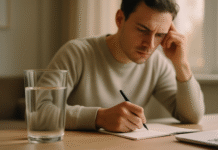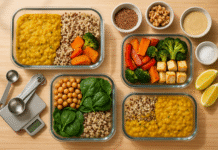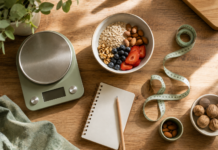
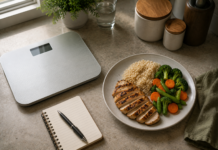

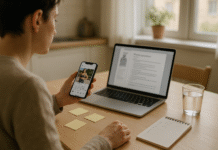









If you’ve ever chugged a glass of water at bedtime and then paid for it with 3 a.m. bathroom trips, you’ve felt the tug-of-war between hydration and sleep. Good news: you don’t have to choose. With a few timing tweaks and smart habits, you can stay well hydrated and protect your sleep. In short, hydration and sleep are linked: being underhydrated can leave you groggy and headachy, while drinking large volumes close to bedtime raises your risk of waking to urinate (nocturia). The fix is to front-load fluids earlier and set a gentle “curfew” before lights-out.
Quick-start (at a glance): front-load most fluids by mid-afternoon; taper in the evening; set a 2–4 hour fluid curfew; have a small “last sip” if needed; avoid caffeine late and alcohol within ~3 hours of bed; keep your bedroom cool and not too dry; troubleshoot frequent nocturia with your clinician if it happens ≥2 times nightly.
A gentle safety note: This article offers general education, not medical advice. If you have frequent nighttime urination, heart/kidney issues, pregnancy, or you’re on diuretics, talk with your clinician.
1. Set a “Fluid Curfew” 2–4 Hours Before Bed
A simple way to protect sleep is to avoid large drinks in the 2–4 hours before bedtime. That window gives your kidneys time to process fluid so your bladder isn’t calling during your first sleep cycles. Clinically, waking two or more times to urinate at night (nocturia) is a red flag for disrupted sleep and quality-of-life issues; it’s not a disease, but a symptom to address. A urology-led approach starts with behavior change: limit evening fluids, shift diuretic meds earlier (if prescribed), and curb caffeine and alcohol. If your legs swell during the day, elevating them or using compression in late afternoon can move pooled fluid back to circulation earlier—reducing nighttime output.
1.1 Why it matters
- Most people need 6–8 hours of unbroken sleep; nocturia fragments that, hurting alertness, mood, and next-day performance.
- Nocturia is a symptom, not a diagnosis—often linked to habits, medications, or conditions like sleep apnea, diabetes, or heart disease.
- Early behavior adjustments often reduce awakenings before meds are needed.
1.2 Numbers & guardrails
- Start with a 2–3 hour cutoff for large drinks; adjust to 4 hours if you’re sensitive.
- If you take a diuretic, ask your clinician about dosing ≥6 hours before bed.
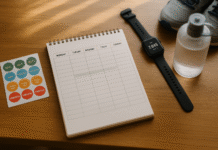
- Track a week in a bladder diary (time/volume in, time/volume out, awakenings).
Bottom line: Create a predictable evening ramp-down. You’ll sacrifice nothing in daytime hydration and gain deeper, steadier sleep.
2. Front-Load Your Fluids to Hit Total Intake Targets—Without Bedtime Catch-Up
People who “forget to drink” then try to catch up at night are the likeliest to wake. A better strategy is front-loading: drink most of your daily fluids by early afternoon and taper after 4–6 p.m. How much total fluid do you actually need? The U.S. National Academies’ Adequate Intake (AI) suggests about 3.7 L/day for men and 2.7 L/day for women, counting all beverages plus water from food (often ~20%). These are population-level estimates; your real need varies with heat, activity, and body size. Think of them as targets to meet earlier in the day, not quotas to cram at 10 p.m.
2.1 How to do it
- AM anchor: 300–500 ml with breakfast; keep a bottle visible on your desk.
- Midday load: Aim to accumulate ~60–70% of your daily goal by 3 p.m.
- Afternoon taper: Smaller, steadier sips from 3–7 p.m.; hydrate with meals.
- Evening check: If thirsty after dinner, sip, don’t chug.
2.2 Mini example
If your target is 2.7 L, try: 0.5 L breakfast, 1.0 L late morning, 0.4 L lunch, 0.5 L mid-afternoon, 0.2–0.3 L with dinner, optional 100–200 ml “last sip.” That’s robust hydration, without a midnight sprint.
Bottom line: Meet your daily need when it least threatens sleep—earlier.
3. Make a “Last-Sip” Plan at Lights-Out (100–200 ml), and Fix Dry Air Instead of Over-Drinking
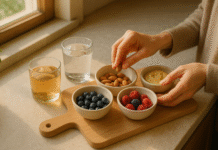
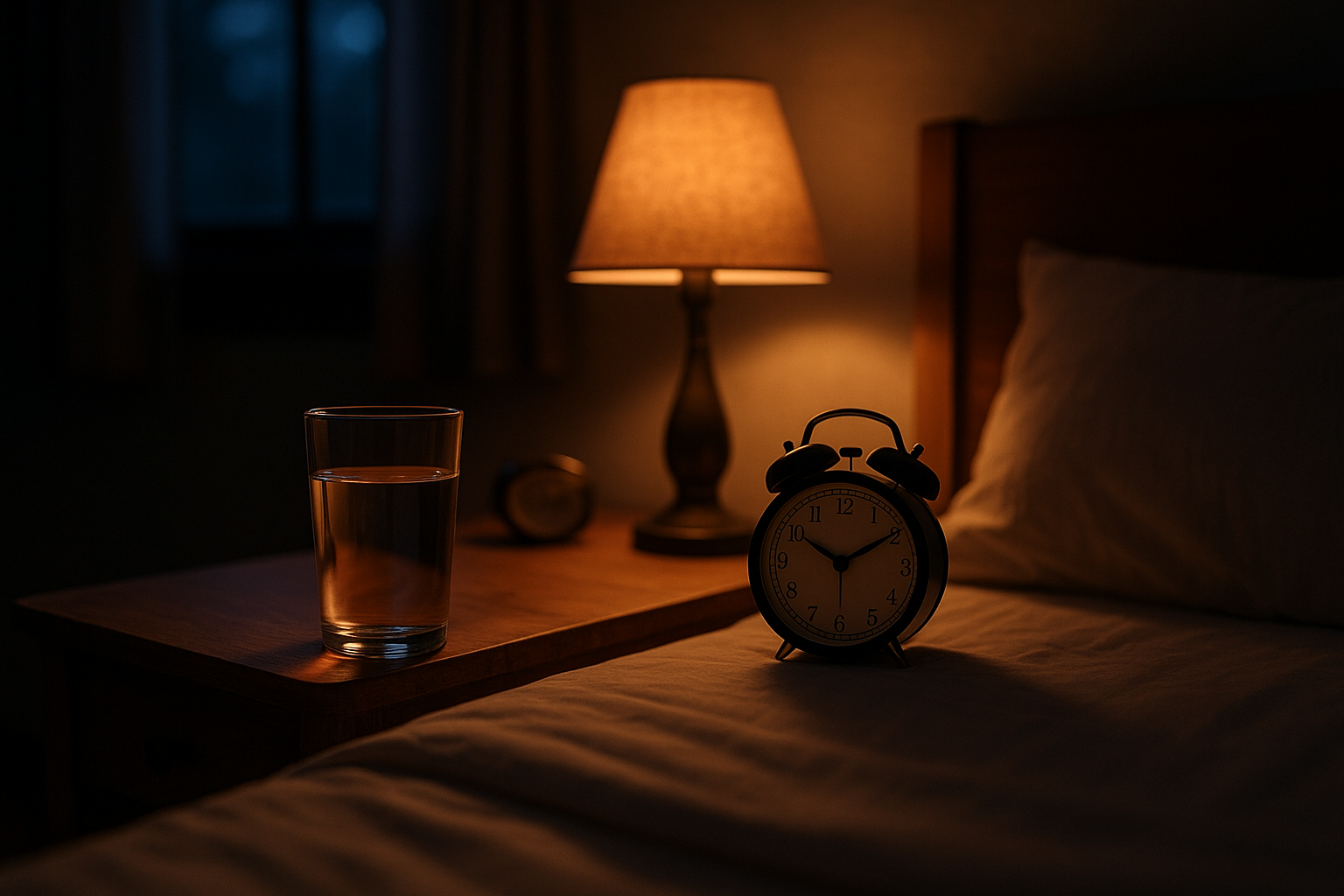
Many people feel parched right before bed. The trick is a small “last sip” (about 100–200 ml), not a full glass. That’s enough to ease a dry mouth without loading your bladder. Also consider air quality: over-dry bedrooms dehydrate your mouth and throat and trick you into over-drinking late. A simple hygrometer can tell you if your room sits in a healthy range; U.S. environmental guidance generally aims for ~30–50% indoor relative humidity to avoid irritation and mold. If your air is very dry, a cool-mist humidifier and closing vents or moving fans away from your face can help.
3.1 Mini-checklist
- Choose a smaller bedside cup (100–200 ml).
- Sip, don’t chug at lights-out.
- Measure bedroom humidity; aim roughly 30–50% RH.
- Add a humidifier if needed; clean it weekly.
- If you frequently wake thirsty despite these steps, review meds and mouth-breathing with a clinician.
3.2 Caution: overhydration
Rarely, over-drinking can dilute blood sodium (hyponatremia) with headache, nausea, and confusion. Don’t force fluids if you’re not thirsty—especially late. Seek urgent care if you have symptoms. Mayo Clinic
Bottom line: A measured last sip plus a comfortable bedroom climate beats big gulps at bedtime.
4. Time Caffeine and Alcohol: Longer Runway, Better Sleep
Caffeine can delay sleep and lighten it; it’s also mildly diuretic—most noticeable in people who aren’t habituated. As a practical rule, give caffeine a 6–8 hour runway before bed, and consider decaf after lunch if you’re sensitive. Alcohol is a bigger sleep wrecker: while it may knock you out faster, it fragments sleep, suppresses REM early, and triggers awakenings later as levels fall. It also promotes snoring and worsens sleep apnea. Experts advise avoiding alcohol within ~3 hours of bedtime to curb those alerts and nocturnal bathroom trips.
4.1 Common mistakes
- “Just one espresso at 5 p.m.” Half-life matters—your brain may still feel it at midnight.
- Nightcap myth: Alcohol can help you doze off but cuts sleep quality and increases awakenings.
- Stacking diuretics: Caffeine + alcohol in the evening is a double hit for nocturia.
4.2 Practical swaps
- Herbal teas without caffeine after dinner.
- Seltzer + bitters or mocktails if you want a ritual without REM disruption.
- If you drink, finish ≥3 hours pre-bed and chase with water earlier in the evening.
Bottom line: Respect pharmacology. Caffeine needs time; alcohol and deep sleep don’t mix.
5. Tame Evening Salt and Use Electrolytes Wisely
High-salt dinners can spike thirst and increase nighttime urine production (particularly if you also load water to “balance” it). Preliminary clinical work has linked reducing salt intake with fewer nighttime bathroom trips and better quality of life, especially in older adults. If you’re prone to nocturia, dial down evening sodium (processed meats, soups, sauces) and save saltier meals for lunch. Electrolyte drinks can be helpful post-exercise or in heat, but hypertonic options near bedtime may worsen thirst. Use isotonic choices earlier in the evening when needed.
5.1 How to do it
- Scan labels: keep evening sodium modest (aim <700–800 mg at dinner).
- Prioritize potassium-rich sides (spinach, beans) to balance overall diet.
- If you need electrolytes after activity, take them earlier (late afternoon to early evening).
5.2 Mini case
A 62-year-old with 2–3 nightly awakenings cut dinner sodium from ~1,800 mg to ~700 mg and stopped drinking a large post-dinner sports drink. Within a week, he reported 1 or 0 awakenings most nights—no meds needed. (Realistic example based on published trends.)
Bottom line: What you eat with your evening water matters; less salt at night, fewer wakeups.
6. Respect Your Body Clock and Vasopressin: Why Late-Night Thirst Is a Thing
Your circadian system anticipates overnight needs. In mammals, clock neurons release vasopressin that triggers a pre-sleep thirst surge, helping maintain hydromineral balance overnight. That means it’s normal to want a little water in the evening—but not a lot. Timing matters: if you routinely delay sleep or have irregular schedules, these rhythms can misalign, potentially nudging both sleep quality and fluid balance off track. Stabilizing bed/wake times supports more predictable thirst and urine rhythms.
6.1 What this means for you
- A mild pre-bed thirst is physiologic, not a cue to guzzle.
- Consistent sleep timing makes hydration cues more reliable.
- If you shift-work, create a repeatable “wind-down hydration” routine synced to your main sleep, not the clock.
6.2 Mini checklist
- Keep bed/wake within ±60 minutes daily.
- Pair a small last sip with brushing teeth.
- Anchor meals and larger drinks to your daylight hours—even if your day is at night.
Bottom line: Your clock is trying to help. Give it cues and keep evening sips modest.
7. Rehydrate After Evening Workouts—Without Sabotaging Sleep
Late training complicates things: you need to replace sweat losses but don’t want nocturia. Sports medicine guidance suggests rehydrating to ~125–150% of body mass lost over the next 2–6 hours, often expressed as ~20–24 oz (600–720 ml) per pound lost, plus sodium to aid retention. Practically: start rehydration immediately post-workout, split fluids into smaller doses, and finish the bulk by 2–3 hours pre-bed when possible. Pair fluids with a salty recovery meal (e.g., soup, eggs + toast) to improve fluid retention—then taper to a small sip plan at lights-out.
7.1 Tools & examples
- Weigh-in method: (Pre- minus post-) × 0.6–0.7 L per lb lost = target.
- Split doses: 300–400 ml every 15–20 minutes for the first hour, then meal.
- Isotonic drinks or salty food → better retention than water alone.
7.2 Common pitfalls
- Chugging >1 L near bedtime → predictable awakenings.
- Rehydrating only with water after heavy sweat → more urine, less retention.
Bottom line: Replace losses promptly and evenly, then downshift—your bladder (and sleep) will thank you.
8. Troubleshoot Frequent Nighttime Urination (≥2x): When to See a Clinician
If you’re waking two or more times nightly to urinate, treat that as signal, not just nuisance. Start with behaviors (Sections 1–5). If the problem persists, talk with a clinician to rule out nocturnal polyuria, overactive bladder, sleep apnea, diabetes, pregnancy, BPH, or medication timing (especially diuretics). Simple steps like moving diuretics earlier, leg elevation or compression stockings for evening fluid pooling, or addressing sleep apnea (e.g., with CPAP) can meaningfully reduce nocturia and improve sleep continuity.
8.1 Mini-checklist to bring to your visit
- 7-day bladder diary: intake times/volumes; void times/volumes; awakenings.
- Medication list (note diuretics, evening doses, alcohol/caffeine).
- Symptoms: snoring, witnessed apneas, thirst, leg swelling.
8.2 What “good” looks like
- Sleeping 6–8 hours without waking most nights.
- Zero or one bathroom trip (depending on age/fluids) after behavior changes.
- A plan to reassess if symptoms persist or worsen.
Bottom line: Persistent nocturia is common but treatable—and addressing it often unlocks better sleep. US EPA
9. Travel, Heat, and Altitude: Shift the Schedule, Not the Volume
Hot weather, flights, and altitude change your fluid needs—without changing the evening rules. In heat or at elevation, you’ll need more total fluid earlier; front-load through morning and midday, salt to taste with meals, and taper in the evening. On a long flight, minimize alcohol and late caffeine, sip water steadily, and use aisle seats if nocturia is an issue. If you arrive jet-lagged, resync your hydration to the local day on day one: large glass at local breakfast, frequent sips through afternoon, curfew before your intended local bedtime. For very hot evenings, cool the room, eat a lighter, lower-salt dinner, and keep your last sip modest.
9.1 Region-specific notes
- In hot climates (e.g., peak summer in South Asia or the Gulf), it’s normal to need substantially more daytime fluid; pace it, and don’t back-load at night.
- For Ramadan or fasting schedules, anchor most fluid between iftar and pre-sleep, then taper, with a small sip at suhoor if it won’t disrupt sleep.
Bottom line: When conditions change, shift timing first. The evening playbook still applies.
FAQs
1) Is it bad to drink water right before bed?
Not inherently—but large volumes shortly before bed often lead to nocturia and fragmented sleep. If your mouth feels dry, a small 100–200 ml sip is usually enough, especially if you optimize bedroom humidity and finish larger drinks earlier in the evening. If you’re still waking to urinate, consider a 2–4 hour fluid curfew and review meds.
2) What time should I stop drinking water at night?
Try a 2–3 hour cutoff for big drinks; extend to 4 hours if you’re sensitive or if prior nights included nocturia. Keep a small sip for comfort at lights-out. People on diuretics may benefit from taking them ≥6 hours before bed, with clinician guidance.
3) How much water should I drink in a day?
Population guidance suggests ~3.7 L/day (men) and ~2.7 L/day (women) including all beverages and moisture from food. Your needs vary with heat, altitude, and activity. Focus on meeting most of that earlier in the day and tapering in the evening.
4) Does caffeine really hurt sleep if I’m used to it?
Tolerance reduces caffeine’s diuretic punch, but it still delays sleep and lightens it for many people. Give it a 6–8 hour runway before bed; sensitive sleepers may need longer or decaf after lunch.
5) Is a nightcap okay for sleep?
Alcohol can help you fall asleep faster, but it disrupts sleep architecture (less REM early, more awakenings later), and it can increase snoring or worsen sleep apnea. Avoid within ~3 hours of bed to reduce disruption and nocturia.
6) I wake to pee twice a night—should I worry?
Treat it as a signal. Start with behavior changes (earlier fluids, less salt at dinner, avoid late caffeine/alcohol). If it persists, see a clinician to check for nocturnal polyuria, overactive bladder, sleep apnea, diabetes, pregnancy, or med timing. Leg elevation/compression late day can help if you have swelling.
7) Are electrolyte drinks better than water at night?
They can aid post-exercise rehydration earlier in the evening, but hypertonic drinks close to bedtime may increase thirst and urine output. Use isotonic options earlier and taper to small sips near lights-out.
8) I exercise at 7 p.m.—how do I rehydrate without wrecking sleep?
Weigh yourself before/after. Replace ~125–150% of fluid lost over the next 2–4 hours, with some sodium (drink + salty meal). Finish the bulk by ~2–3 hours pre-bed when possible. Then switch to small sips at lights-out.
9) What bedroom conditions reduce dry mouth and thirst?
A cool room and moderate humidity help. Aim for roughly 30–50% RH indoors to reduce dryness and irritants. If air is very dry, consider a cool-mist humidifier and point fans away from your face.
10) Is waking once at night normal as I age?
Many adults—especially older adults—wake occasionally. The goal is minimizing frequency and returning to sleep quickly. If awakenings are regularly ≥2 times nightly, work through the steps above and check with a clinician to rule out underlying conditions.
Conclusion
You don’t have to trade great sleep for great hydration. The real lever isn’t how much you drink—it’s when. By front-loading fluids, tapering in the evening, and setting a 2–4 hour curfew for big drinks, you can protect deep sleep while meeting daily needs. Layer in smart details—a small last sip, a cool, comfortably humid room, daytime electrolytes when appropriate, and a realistic plan after evening workouts—and most people can reduce or eliminate nocturia without medications. When awakenings persist (especially ≥2 nightly), treat them as a prompt to review meds, check for sleep apnea or other contributors, and partner with your clinician. Start tonight: move two glasses from late evening to late morning, cut caffeine earlier, keep only a small bedside cup, and see how your night changes. Sleep better. Hydrate smarter.
CTA: Want a one-page plan? Print the nine steps above and tape them near your water bottle for the next 7 days.
References
- Nocturia Fact Sheet. Urology Care Foundation (American Urological Association), n.d. https://webservices.auanet.org/DCDFiles/15886730/Nocturia%20Fact%20Sheet.pdf
- Alcohol and Sleep. Sleep Foundation, updated July 16, 2025. https://www.sleepfoundation.org/nutrition/alcohol-and-sleep
- Caffeine and Sleep. Sleep Foundation, updated July 16, 2025. https://www.sleepfoundation.org/nutrition/caffeine-and-sleep
- Best Temperature for Sleep. Sleep Foundation, updated November 1, 2024. https://www.sleepfoundation.org/bedroom-environment/best-temperature-for-sleep
- Report Sets Dietary Intake Levels for Water, Salt, and Potassium. National Academies, Feb 11, 2004. https://www.nationalacademies.org/news/2004/02/report-sets-dietary-intake-levels-for-water-salt-and-potassium-to-maintain-health-and-reduce-chronic-disease-risk
- 4. Water. Dietary Reference Intakes for Water, Potassium, Sodium, Chloride, and Sulfate. National Academies Press, 2005. https://nap.nationalacademies.org/read/10925/chapter/6
- Water: How much should you drink every day? Mayo Clinic, reviewed 2024. https://www.mayoclinic.org/healthy-lifestyle/nutrition-and-healthy-eating/in-depth/water/art-20044256
- Moisture Control for Buildings. U.S. Environmental Protection Agency (EPA), n.d. https://www.epa.gov/mold/moisture-control-buildings
- Gizowski C, Zaelzer C, Bourque CW. Clock-driven vasopressin neurotransmission mediates anticipatory thirst prior to sleep. Nature 537, 685–688 (2016). https://www.nature.com/articles/nature19756
- Sawka MN, et al. American College of Sports Medicine Position Stand: Exercise and Fluid Replacement. Med Sci Sports Exerc. 39(2):377-390 (2007). https://pubmed.ncbi.nlm.nih.gov/17277604/
- Hydration and Performance. National Strength and Conditioning Association (NSCA), 2019. https://www.nsca.com/education/articles/kinetic-select/hydration-and-performance/
- Wise J. Cutting salt could reduce need to urinate at night, study finds. BMJ 356:j1527 (2017). https://www.bmj.com/content/356/bmj.j1527
- Nocturia & Sleep Apnea. SleepApnea.org, reviewed 2024. https://www.sleepapnea.org/sleep-health/nocturia/