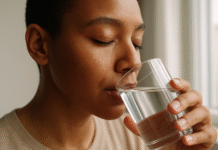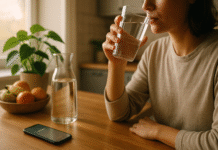

























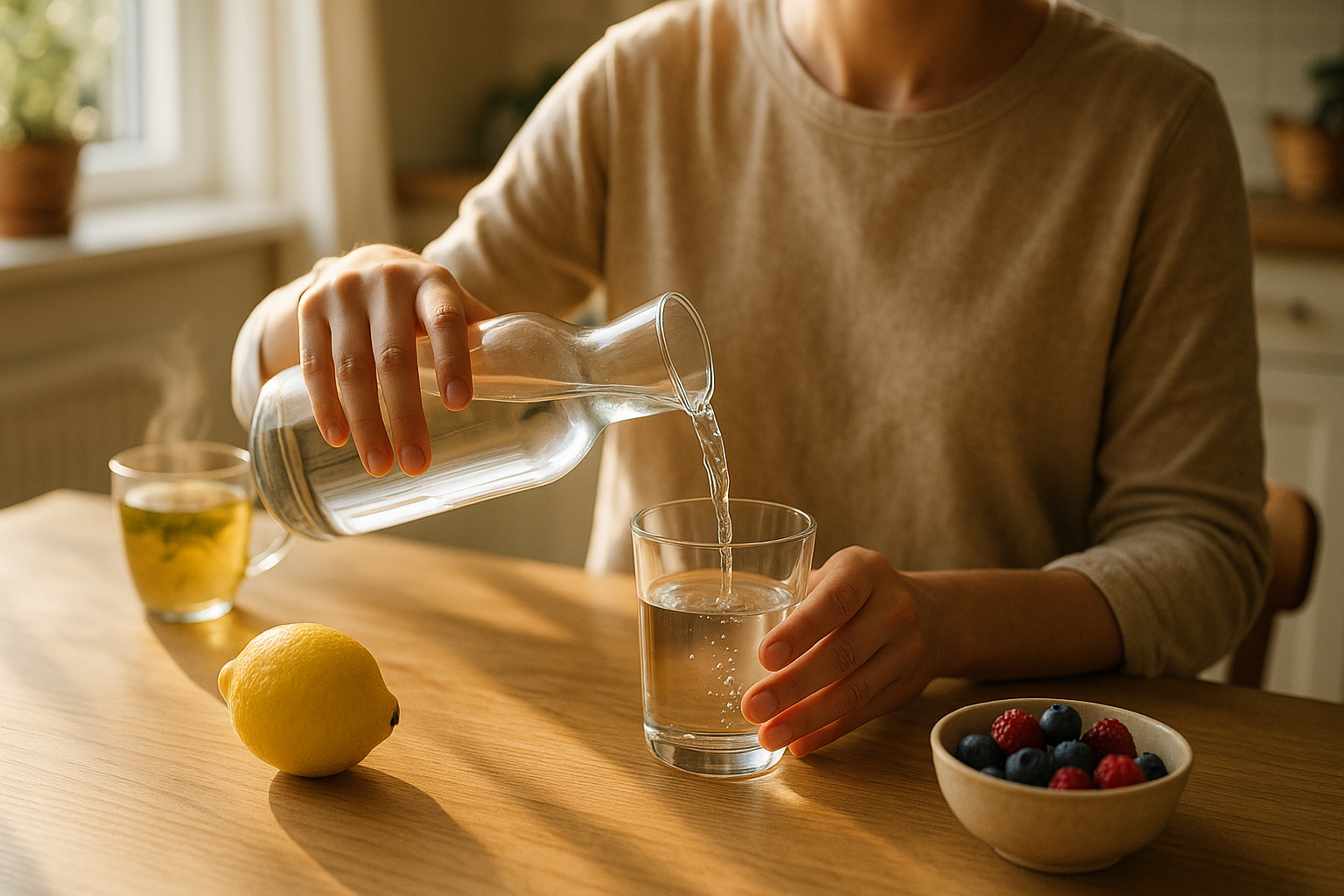
Proper hydration simply means keeping your body’s fluid balance in the healthy range all day—mostly with water, plus fluids from foods and other beverages. Done consistently, it pays off in three everyday wins: smoother digestion, steadier energy, and a brighter, more resilient mood. In practice, most healthy adults land around the Adequate Intake range for total water set by major authorities (roughly 2.0–2.5 L/day from fluids in the EU; ~2.7–3.7 L/day total water in the U.S./Canada, including food), but needs rise with heat, activity, and body size.
Quick answer: Proper hydration helps your gut move food comfortably, keeps blood volume and temperature regulation on track so you feel less fatigued, and prevents the small-but-real dips in mood and mental sharpness that even mild dehydration can trigger.
Medical note: The guidance below is for generally healthy adults. If you have kidney, heart, or endocrine conditions—or take medicines that affect fluid/electrolyte balance—ask your clinician for personalized targets.
1. Keeps You Regular: Softer Stools and Smoother Bowel Movements
Adequate daily fluids keep stool soft and easier to pass, reducing straining and the discomfort of constipation. Water helps fiber do its job—absorbing fluid, bulking stool, and stimulating movement through the colon—so underhydration often shows up first as harder, less frequent bowel movements. Many gastroenterology groups list “drink enough fluids” alongside “eat more fiber” and “move regularly” as first-line, low-risk constipation relief. The effect isn’t magic or instant, but over days to weeks, proper hydration can noticeably improve stool consistency and bathroom routine for most people without underlying disease. Harvard Health
1.1 Why it matters
When stool sits too long in the colon, more water is reabsorbed from it, making it dry and hard. That sets up a cycle of straining, discomfort, and avoidance that worsens constipation. Enough fluid—especially alongside soluble fibers like psyllium—keeps things moving. Clinical guidance emphasizes combining hydration with fiber and activity for best results.
1.2 How to do it
- Aim for pale-straw urine most of the day (a simple self-check).
- Pair every fiber-rich meal or supplement (e.g., psyllium) with a full glass of water.
- Don’t “save up” fluids; sip regularly from morning to evening.
- Use warm fluids (broth, herbal tea) if cold water feels unappealing.
- Keep bathroom timing consistent—after breakfast works well for many.
1.3 Numbers & guardrails (as of August 2025)
Typical adequate intakes cluster around ~2.0 L/day of fluids for women and ~2.5 L/day for men in the EU, and ~2.7–3.7 L/day total water (including food) in North America. Hot weather, exercise, high-fiber diets, and pregnancy/ lactation increase needs. Use urine color as a day-to-day cue and boost intake during heat or illness.
Bottom line: Hydration makes fiber work better and stool pass easier—an everyday quality-of-life upgrade that’s simple and low risk. The Nutrition Source
2. Enhances Digestive Comfort and Nutrient Flow
Staying hydrated supports saliva and gastric secretions, helping you break down food and move it efficiently from stomach to intestine. While fluids don’t “cure” reflux or IBS, adequate hydration reduces the chance of sluggish motility that can worsen bloating or cramping. For constipation-predominant IBS, guidelines favor soluble fiber (with fluids) to improve overall symptoms. Hydration also complements oral rehydration strategies during short-lived diarrheal illness to maintain volume and electrolyte balance while the gut recovers. PMCWorld Health Organization
2.1 Mini-checklist
- Chew thoroughly and sip fluids with meals rather than chugging after.
- If you use fiber supplements (e.g., psyllium), always take with adequate water.
- During brief diarrheal episodes, prioritize oral rehydration solutions (ORS) per WHO guidance; avoid high-sugar sports drinks for rehydration. Nationwide Children's Hospital
2.2 Region-specific note
In hot climates and during heat waves, fluid losses rise—keep ORS packets at home for gastroenteritis and follow local health authority advice on heat hydration and urine color checks to prevent dehydration.
Bottom line: Hydration won’t replace targeted GI care when needed, but it’s a foundational step that reduces friction across the digestive process and pairs with fiber and ORS when appropriate.
3. Powers Steady Energy by Maintaining Blood Volume and Temperature Control
Feeling inexplicably drained? Even mild dehydration reduces plasma volume, making your heart work a little harder to deliver oxygen and nutrients, and it compromises heat dissipation—both add to perceived effort and fatigue. Observational and workplace data consistently link darker urine and low fluid availability with tiredness, and athletic guidelines emphasize hydrating before, during, and after exertion to protect performance and safety. For non-athletes, similar principles apply: more consistently hydrated days tend to feel more energetic, especially in heat or with physical work.
3.1 How to translate that into your day
- Front-load 300–500 ml in the morning, then sip regularly.
- Add 150–350 ml every 20–30 minutes of moderate activity or heat exposure (adjust to sweat rate).
- Include electrolytes for prolonged exercise (>60–90 minutes) or very hot/humid conditions to protect sodium balance.
3.2 Guardrails
Overhydration is rare in daily life but can occur in endurance events; know the signs of hyponatremia (nausea, confusion, headache) and favor “drink to thirst + planned access” over forced chugging.
Bottom line: Adequate fluids keep your circulatory and cooling systems efficient—so routine tasks and workouts feel easier, and afternoon slumps are less likely.
4. Sharpens Attention and Mental Clarity
Hydration supports cognitive functions like attention and processing speed. Controlled studies show that mild dehydration—roughly 1–2% body mass loss—can raise perceived task difficulty and reduce vigilance, with rehydration improving subjective alertness. Reviews note variability across studies, but the trend is clear enough to justify a simple habit: don’t let yourself run “a little dry” during mentally demanding work, long drives, or study sessions. PubMedPMC
4.1 Quick focus routine
- Start focused work with a glass of water on your desk.
- Set discreet “sip” reminders at natural breaks (e.g., after emails, before meetings).
- Pair caffeine with water—caffeinated drinks count toward total fluid, but matching them with water helps you pace intake.
4.2 Numbers & nuance
Effects vary by sex, heat, and exercise context. Some studies in cool, resting settings find smaller cognitive changes; nonetheless, mood and perceived effort often worsen even when objective test scores don’t. Translation: your brain feels the dip before a test detects it—another reason to keep fluids steady. PubMed
Bottom line: If your job or studies demand sustained concentration, treat hydration like a productivity tool—small, regular sips can make hard tasks feel more manageable.
5. Lifts Mood and Reduces Irritability
Several lab trials report that mild dehydration (around 1–1.5% body mass) increases fatigue, tension/anxiety, and headaches, and lowers perceived concentration—effects seen in both men and women. The fix is pleasantly low-tech: drink enough. While not a stand-alone treatment for mood disorders, consistent hydration removes a common, under-recognized drag on daily emotional well-being, especially during exercise, heat exposure, or long sedentary days when people forget to drink.
5.1 Simple ways to make mood-protective hydration stick
- Keep a filled bottle within arm’s reach at work and in your bag.
- Flavor water with citrus, mint, or cucumber to make intake effortless.
- Anchor sips to habits: after brushing teeth, before calls, after restroom breaks.
5.2 Evidence snapshot
Women at ~1.36% dehydration reported degraded mood and higher headache symptoms; men under similar mild dehydration showed increased tension/anxiety and fatigue and reduced vigilance. These aren’t extreme states—just the everyday “off” feeling many chalk up to stress.
Bottom line: Hydration won’t replace therapy or medication, but it reliably removes a small, fixable source of irritability and brain fog.
6. Helps Prevent Dehydration-Triggered Headaches
Dehydration is a recognized headache trigger for many people. A randomized trial in recurrent headache sufferers found that increasing water intake yielded modest improvements, and reviews conclude that while evidence is mixed, water is a low-risk, potentially helpful intervention—especially when headaches coincide with heat, exertion, alcohol, or long gaps without fluids. If you frequently get “end-of-day” or “after-workout” headaches, tracking hydration alongside sleep, caffeine, and screen breaks is a smart first step.
6.1 Practical steps
- Log headache days with notes on total fluids, heat/exercise, and caffeine/alcohol.
- Hydrate before and during exertion; include electrolytes for long or sweaty sessions.
- Limit large boluses of fluids right at bedtime if nighttime urination disrupts sleep.
6.2 Caution
Severe, sudden, or “worst-ever” headaches are medical emergencies. Chronic migraines need clinician-guided care; hydration is supportive, not curative. PMC
Bottom line: For many, “drink enough” is a legitimate, evidence-informed lever to reduce dehydration-related headaches—easy to test and track. PubMed
7. Improves Workout Performance and Recovery
Hydration status strongly influences perceived exertion, endurance, and thermoregulation during sport and physical work. Professional bodies recommend starting exercise euhydrated, replacing sweat losses during activity, and restoring fluids and electrolytes afterward. Neglecting fluids—even to a mild degree—can make paces feel harder, raise heart rate, and increase risk of heat illness in hot and humid environments. For everyday athletes, a simple plan beats guesswork.
7.1 A basic workout fluid plan (as of August 2025)
- Before: 2–4 hours pre-exercise, drink ~5–10 ml/kg; consider another ~200–300 ml 10–20 minutes before.
- During: For sessions >60 minutes or in heat, aim ~150–350 ml every 20–30 minutes; include sodium/carbohydrate for long efforts.
- After: Replace ~125–150% of body mass lost within 2–4 hours (e.g., 1.25–1.5 L per kg lost), with sodium to aid retention.
7.2 Mini-case
If a runner loses 1.0 kg during a summer 10K, target ~1.25–1.5 L with sodium over the next few hours, alongside normal food. The next run will likely feel smoother, with lower perceived effort.
Bottom line: A modest, planned approach to fluids before/during/after workouts improves performance, safety, and how good the session feels.
8. Supports Appetite Control and More Even Daily Energy
Water before meals can reduce immediate energy intake and may support short-term weight loss in some adults, likely by promoting fullness and replacing caloric beverages. In a primary-care RCT, adults with obesity instructed to drink ~500 ml water 30 minutes before main meals lost ~1–4 kg more over 12 weeks than controls. In older adults, pre-meal water also reduced meal calories. While results vary and water isn’t a weight-loss “hack,” the strategy can help stabilize appetite and energy across the day. Wiley Online Library
8.1 How to try it
- 20–30 minutes before lunch and dinner, drink ~400–500 ml water.
- Swap one sugary drink per day for water or unsweetened tea.
- Combine with protein-rich, high-fiber meals to extend satiety.
8.2 Guardrails
Water preloading is safe for most, but if you have fluid restrictions (e.g., certain kidney or heart conditions), get medical advice first. Effects are modest—and consistency matters more than any single glass.
Bottom line: Strategic water timing can tame overeating impulses and smooth energy dips, especially when paired with balanced meals.
9. Protects Kidney and Urinary Tract Health (Which Also Protects How You Feel)
Your kidneys rely on adequate fluid to filter waste and maintain electrolyte balance. Chronically low intake concentrates urine, raising kidney stone risk in susceptible people; kidney foundations routinely list “drink enough water” as a top prevention step. Adequate hydration also helps reduce urinary tract infection risk by increasing urination frequency and flushing. Conversely, those with advanced kidney disease may need to limit fluids—personalization matters. Feeling physically better—fewer stone episodes, less urinary discomfort—translates into the very energy and mood improvements most of us want.
9.1 Everyday habits
- Carry a bottle and finish/refill it at least 2–3 times daily.
- Urinate when you feel the urge; don’t “hold it” for long periods.
- During sweaty days or long drives, add extra water breaks.
9.2 Numbers & nuance
Most healthy adults can follow general adequate intakes and urine color cues; those with stone history are often advised to target urine output ≥2.0–2.5 L/day (your clinician can tailor). For people with CKD or on dialysis, fluid limits are common—follow care-team guidance.
Bottom line: Hydration is a front-line kidney-care habit with payoff you can feel—less discomfort, fewer disruptions, more steady days.
FAQs
1) How much should I drink each day?
There’s no one-size-fits-all number. European guidance pegs typical fluid intakes around ~2.0 L/day for women and ~2.5 L/day for men, while U.S./Canadian guidance looks at total water (food + beverages) ~2.7 L/day for women and ~3.7 L/day for men. Needs rise with heat, activity, body size, and pregnancy/lactation. Use urine color (aim pale straw) and thirst as daily cues.
2) Do coffee and tea “count” or dehydrate me?
For habitual caffeine consumers, moderate coffee and tea are net hydrating and count toward daily fluids. Very large, fast intakes can be diuretic for non-habitual users, but most people can include them sensibly. Pair caffeinated drinks with water to pace intake and protect teeth.
3) What color should my urine be if I’m hydrated?
Pale straw to light yellow usually indicates adequate hydration; medium to dark yellow suggests you need to drink more. This simple check is widely used in workplaces and sports settings. Some supplements (e.g., B-vitamins) can temporarily darken urine, so interpret color alongside how you feel.
4) Can I drink “too much” water?
Yes—though uncommon in daily life, overhydration dilutes blood sodium (hyponatremia), which can be dangerous, especially during endurance events. Symptoms include nausea, confusion, and headache. Favor drinking to thirst with planned access to fluids and electrolytes for long, sweaty sessions. NHS inform
5) Does sparkling water hydrate like still water?
Generally yes. Carbonation may make you feel full sooner, which some people find helpful before meals. If carbonation triggers bloating or reflux, switch to still water or dilute fruit-infused water. (Hydration effect is similar; choose what you’ll actually drink.)
6) How fast will better hydration help my energy?
Subjectively, many people feel better the same day—especially in heat or after exercise. Physiology (blood volume, temperature regulation) responds quickly. For digestion and stool consistency, expect days to weeks as fiber/fluid routines stabilize. AGA GI Patient Center
7) What’s the best way to hydrate during workouts?
Start euhydrated; for most sessions, small, regular sips suffice. For efforts >60–90 minutes or in heat, include sodium and carbohydrate per sports guidelines. Weighing pre/post can help gauge sweat loss; replace ~125–150% of the loss over 2–4 hours.
8) Does better hydration really affect mood?
Yes, mild dehydration has been shown to increase fatigue, tension, and irritability in lab settings—even without extreme heat or heavy exercise. Effects vary by individual and context, but keeping fluids steady is a low-effort way to reduce a common mood drag.
9) Is there any role for electrolyte drinks if I’m not an athlete?
If you sweat heavily at work, live in a hot climate, or have a stomach bug, a low-sugar electrolyte solution can help replace sodium and maintain volume. For routine desk days, water and normal meals are usually enough. Use WHO-style ORS for diarrhea; don’t rely on high-sugar sports drinks for rehydration. World Health Organization
10) Can hydration help with weight management?
Swapping caloric drinks for water reduces daily calories, and pre-meal water can modestly lower intake; in trials, ~500 ml before meals produced small but meaningful weight loss over 12 weeks when combined with standard advice. It’s one lever among many—diet quality and activity still drive results.
11) I have kidney disease. Should I still target these amounts?
Not necessarily. People with advanced chronic kidney disease or on dialysis often need fluid limits. Always follow your nephrology team’s instructions, including adjustments for diuretics and sodium intake.
12) Are there days I should intentionally drink more?
Yes: hot/humid weather, fever/diarrhea, intense or long exercise, air travel, high-altitude trips, and higher-fiber eating days. If you’re seeing darker urine or feeling dizzy, thirsty, or unusually tired, prioritize fluids and seek care if symptoms persist or worsen.
Conclusion
Water is one of the simplest daily levers you can pull for better digestion, steadier energy, and a more even mood. The physiology is straightforward: fluids keep stool soft and transit smooth, sustain blood volume and temperature control so tasks feel easier, and cushion the brain against the subtle dips in affect and attention that come with even mild dehydration. The playbook isn’t complicated—sip steadily, use urine color as your compass, time water around meals and activity, and personalize for heat and health conditions. Layer hydration onto the habits that already shape your day (meals, commutes, workouts), and you’ll remove a surprisingly common source of friction from how you feel and function. Start today with one small change—fill a bottle, add a pre-lunch glass—and notice the difference by week’s end. Drink smarter, feel better, every day.
References
- Scientific Opinion on Dietary Reference Values for water, EFSA Panel on Dietetic Products, Nutrition and Allergies, Mar 2010. efsa.onlinelibrary.wiley.com
- Dietary Reference Intakes for Water, Potassium, Sodium, Chloride, and Sulfate, National Academies Press (U.S./Canada), 2005. National Academies Press
- Dehydration—Symptoms and Treatment, NHS (UK), accessed Jan 2025. nhs.uk
- American College of Sports Medicine Position Stand: Exercise and Fluid Replacement, ACSM, 2007 (PDF reprint 2013). khsaa.org
- Armstrong LE et al. “Mild Dehydration Affects Mood in Healthy Young Women,” Journal of Nutrition, 2012. PubMed
- Ganio MS et al. “Mild Dehydration Impairs Cognitive Performance and Mood of Men,” British Journal of Nutrition, 2011 (PDF). https://www.cambridge.org/core/services/aop-cambridge-core/content/view/3388AB36B8DF73E844C9AD19271A75BF/S0007114511002005a.pdf Cambridge University Press & Assessment
- Masento NA et al. “Effects of Hydration Status on Cognitive Performance and Mood,” Nutrition Reviews, 2014. PubMed
- Parretti HM et al. “Efficacy of Water Preloading Before Main Meals as a Strategy for Weight Loss,” Obesity, 2015. PubMed
- Davy BM et al. “Water Consumption Reduces Energy Intake at a Breakfast Meal in Older Adults,” Am J Clin Nutr, 2008 (PMC). PMC
- “Kidney Stone Diet Plan and Prevention,” National Kidney Foundation, accessed Jan 2024. National Kidney Foundation
- “Healthy Hydration and Your Kidneys,” National Kidney Foundation, Jan 15, 2024. National Kidney Foundation
- NSW Health Urine Colour Chart (Beat the Heat), Dec 4, 2024. NSW Health
- NIOSH/CDC Science Blog: Keeping Workers Hydrated and Cool Despite the Heat, Aug 12, 2011. CDC Blogs
- AGA/ACG Guideline on Chronic Idiopathic Constipation (Press Summary), May 19, 2023. American Gastroenterological Association
- MedlinePlus: Water in Diet (DRI overview), Aug 21, 2023. MedlinePlus