











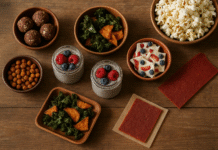















A calm, intentional meal is possible even on your busiest days. This guide shows you 12 practical ways to practice mindful eating in a busy lifestyle, from 60-second resets to smarter plate design and on-the-go rituals. You’ll learn how to slow down, notice real hunger, portion confidently, and enjoy food more—without adding hours to your schedule. Brief note: this article shares general education, not medical advice; check with a qualified professional for personal guidance.
What mindful eating means (quick definition): Mindful eating is paying close, non-judgmental attention to the experience of eating—your senses, thoughts, surroundings, and hunger/fullness cues—so you can choose and savor food with intention.
Busy-day quick start (5 steps):
- Pause 60–90 seconds before the first bite.
- Build plates with half fruits/vegetables.
- Eat for ~20 minutes; put utensils down between bites.
- Keep meals device-free; focus on taste and texture.
- Check a 1–10 hunger/fullness number before and after.
1. Take a 60–90-Second Pause Before You Eat
A brief pause before eating is the fastest way to shift out of autopilot. In the first 1–2 sentences: Stop for one minute, breathe, and notice your hunger level and what you truly want to eat. This simple interlude interrupts stress-eating, lets you feel whether you’re physically hungry, and turns a rushed meal into a deliberate choice. Use the time to scan your senses (smell, sight, texture expectations) and name your primary cue (hunger, habit, boredom, reward). That mental labeling softens urges and reduces mindless starters like “just a few fries.” If you’re not hungry, decide to wait or take a smaller portion. If you are hungry, proceed—but with awareness. A short pause also sets the tone for slower bites and better satisfaction across the rest of the meal.
1.1 How to do it
- Use the S.T.O.P. micro-routine: Stop, Take a breath, Observe, Proceed.
- Rate hunger 1–10 (aim to start around 4–5 and finish around 6–7).
- Glance at your plate; decide your first bite on purpose.
- Put your phone face-down, out of reach.
- If not hungry, save part or all for later.
1.2 Mini-checklist
- Timer set for 60–90 seconds.
- One calming breath in through the nose, out through the mouth (x3–5).
- One intention: “Eat slowly and stop at comfortable fullness.”
Bottom line: One mindful minute changes the whole meal’s trajectory—from reflex to choice.
2. Build Plates with the “Half-Plate Plants” Rule
Here’s the direct answer: Filling half your plate with fruits and vegetables is an easy guardrail that nudges portions and satisfaction in the right direction, even when you’re busy. The visual ratio works in cafeterias, airplane trays, bento boxes, and at home. The remaining half can be split between protein and grains/starches, with room for dairy/fortified soy as desired. This makes meals more voluminous, higher in fiber and water, and naturally slower to eat—key levers for appetite control. You don’t need a food scale; the plate itself does the portioning. This approach also adapts to cultural cuisines (curries, stir-fries, bowls, mezze) without fuss.
2.1 Numbers & guardrails
- Half plate = fruits/veg (fresh, frozen, canned with minimal added sugars/salt).
- ~¼ plate protein, ~¼ plate grains/starches; vary proteins and choose whole grains when you can.
- Use 8–10″ plates to right-size portions automatically.
2.2 Tools & examples
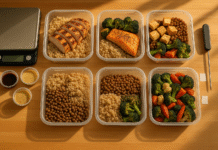
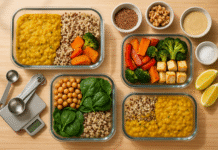
- Divided meal-prep containers (2–3 compartments).
- “Veg first” serving order at buffets and family-style meals.
- Quick combos: grain bowl + double veg + egg/tofu/chicken; lentil salad + roasted veg + pita; bean chili + side salad.
Bottom line: A simple visual rule turns any plate into a balanced, satisfying meal without measuring.
3. Eat Slowly—Aim for ~20 Minutes Per Meal
The direct answer: Give your brain time—about 20 minutes—to register fullness. Satiety signals and sensory satisfaction accumulate over the first 15–25 minutes, so pacing matters. Eating too fast makes it easier to overshoot comfort, especially with soft or ultra-processed foods that are quick to chew and swallow. Small speed bumps—putting utensils down, sipping water, talking, noticing textures—convert the same meal into a calmer, more satisfying experience. As of August 2025, evidence continues to link faster eating with higher ad-libitum energy intake, and slowing down helps many people eat less without feeling deprived. ScienceDirect
3.1 How to slow down
- Start the first bite last (be the last to begin if you’re with others).
- Set a 10–20 minute meal timer; pace bites to match.
- Utensils down between bites; chew thoroughly before the next bite.
- Choose crunchy/chewy vegetables to add natural friction.
3.2 Numbers & evidence
- Faster eating → higher energy intake in experimental settings; UPFs are often eaten more quickly.
- Practical chew target: 10–20 chews per bite for mixed meals (use as a cue, not a rule).
Bottom line: Time is a satiety ingredient; build it in and watch portions self-calibrate.
4. Design Your Environment to Reduce Mindless Bites
Direct answer: Shape what you see and reach first. Busy lives promote grazing: desk candy, open chip bags, and leftovers within arm’s reach. Make healthy defaults easier and “sometimes foods” less automatic. Pre-portion snacks, store treats out of sight, and keep fresh fruit or veg at eye level. Use smaller bowls at home and dedicated snack containers at work and in your bag. Device-free plates (not eating from packages) also help you notice when enough is enough. These small environment tweaks reduce hundreds of “tiny decisions” a day, which add up. www.heart.org
4.1 Steps
- Out of sight, out of mouth: seal and store snacks away from your desk.
- Single-serve bowls instead of open packages.
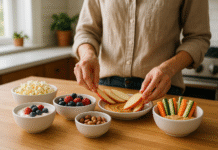
- Prep the first bite: cut fruit/veg you’ll grab in 5 seconds.
- Plate your food (even snacks) to see the portion.
4.2 Common mistakes
- “Family-style” platters within reach during TV or laptop time.
- Keeping only treat foods visible.
- Skipping a plate for “just a few” bites.
Bottom line: Make the mindful choice the easy choice by arranging your defaults.
5. Choose “Bridge Snacks” with Protein + Fiber
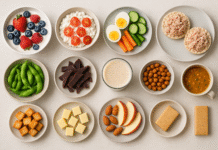
Direct answer: Use small snacks that “bridge” you to the next meal without triggering overeating. Pair protein with fiber to curb hunger and slow digestion (e.g., apple + peanut butter, Greek yogurt + berries, hummus + veg, roasted chickpeas, cheese + whole-grain crackers). These options are portable, quick, and more filling than sugary snacks. Minimizing ultra-processed options matters because they’re often eaten faster and in larger amounts, increasing energy intake in trials. PubMed
5.1 Mini-checklist
- Target: ~150–250 kcal; ≥8–15 g protein, ≥3–7 g fiber (flex your ranges).
- Carry: a portioned pouch or small lidded container.
- Delay: eat only if hunger is 4–5/10 or lower.
5.2 Examples for busy days
- Cottage cheese cup + pineapple; edamame + tangerine; trail mix (nuts + seeds + a few dried fruits).
Bottom line: Smart pairings take the edge off hunger and protect the next meal from “I’m starving” choices.
6. Practice Device-Free, Single-Task Meals
Direct answer: Eat without screens or multitasking to heighten taste and stop sooner. When your attention is split, you taste less and miss fullness cues, which nudges portions up. A device-free habit—closing the laptop, phone face-down—restores sensory focus and reduces grazing. It also makes meals feel longer (in a good way) and more satisfying, even if you still have just 10–15 minutes. You don’t need silence; you need attention. The American Heart Association encourages slowing down and noticing flavors—a natural antidote to distracted eating.
6.1 How to do it
- Create “no-screen zones” for meals and snacks.
- Add a meal cue: a placemat or napkin, even at your desk.
- Try one mindful minute (Section 1) before the first bite.
6.2 Common pitfalls
- “Working lunches” eaten from the keyboard.
- TV + family-style serving dishes within reach.
Bottom line: Attention is flavor’s amplifier and overeating’s brake.
7. Use a 1–10 Hunger/Fullness Scale Before and After
Direct answer: Give numbers to sensations to guide portion choices. A 1–10 hunger/fullness scale makes invisible cues visible. Start meals around 4–5 (hungry but not ravenous), finish around 6–7 (comfortably satisfied). Checking in both before and after builds pattern awareness: Which foods keep you fuller? Which situations push you to 8–9? Over a few weeks, you’ll eat before you’re desperate and stop before you’re stuffed—without counting calories. Clinicians use simple scales like this with adults and kids to build interoceptive awareness. University Health Services
7.1 How to do it
- Add two fields to your notes: Hunger (pre) / Fullness (post).
- If pre-meal is ≤3, consider a bridge snack (Section 5) first.
- If post-meal hits 8–9, note the trigger (speed? stress? taste?).
7.2 Mini case
- You score 3 at 5:30 p.m. → have yogurt + nuts → dinner at 7 p.m. starts at 5, ends at 6–7.
Bottom line: The scale is a compass; follow it and portions tend to right-size themselves.
8. Front-Load More of Your Daily Calories Earlier (When You Can)
Direct answer: Eating more earlier in the day can improve appetite control and metabolic markers for many people. While personal routines vary, research links earlier energy distribution and intentional timing/frequency with healthier cardiometabolic patterns. Practically, that means a more substantial breakfast/lunch and a lighter dinner, especially on workdays. You don’t need a rigid window—just shift some calories forward when feasible and notice effects on hunger, energy, and sleep.
8.1 How to do it
- Make breakfast protein-rich (eggs, yogurt, tofu scramble, beans).
- Plan lunch anchors (protein + veg + whole grain) and lighter dinners.
- Keep late-evening eating rare (aim to finish 2–3 hours before bed when possible).
8.2 Guardrails & notes
- Suit your culture/schedule; shift gradually (e.g., +150–250 kcal to breakfast for a week).
- If you train late or manage glucose with medication, personalize with a clinician.
Bottom line: Earlier calories often mean calmer hunger later—use timing as a gentle lever.
9. Eat Mindfully at Work and On-the-Go
Direct answer: You can be mindful without a fancy setup—pack structure and savor wherever you are. For commutes, travel, or stacked meetings, plan portable, portion-aware meals and snacks that won’t tempt constant nibbling. Plate (or container) your food rather than eating from packages. Schedule a 10–15-minute eating block between tasks. Use your pause (Section 1), then eat slowly, device-free (Section 6). Choose textures you can actually taste (crisp veg, chewy grains), and notice flavors like you would coffee or tea. Practical tip: script your first bite and last bite in your head—start thoughtfully, end at satisfied.
9.1 Tools
- Compartment lunch boxes; mini spice/sauce kits; ice packs.
- A travel folding fork/spoon and small cloth napkin (ritual cue).
- Calendar block titled “eat” (protect the time like a meeting).
9.2 Common mistakes
- Grazing from a tote all day.
- “Skipping lunch” then overeating at night (use bridge snacks).
Bottom line: Structure beats willpower on busy days; create it and your choices follow.
10. Drink with Intention—Water First, Calories with Care
Direct answer: Lead with water and keep sugary drinks occasional. Sugar-sweetened beverages are the top source of added sugars for many people and are consistently associated with weight gain, type 2 diabetes, and heart disease risk. Choose plain or sparkling water, unsweetened tea/coffee, or milk/fortified dairy alternatives; add citrus or herbs if you like. If you want a sweet drink, make it deliberate and portion-bounded (e.g., small can or shared bottle), and pair it with food so you sip more slowly. For energy drinks or sweetened coffees, consider “half-sweet” versions. www.heart.org
10.1 Practical swaps
- 12-oz soda → sparkling water + splash of 100% juice.
- Sweet latte → smaller size, fewer pumps, or unsweetened + cinnamon.
- Sports drink → water + pinch of salt + fruit post-workout (as appropriate).
10.2 Numbers & guardrails
- Added sugars: <10% of daily calories (general guideline); some orgs suggest benefits below 5%. World Health Organization
Bottom line: Drink choices quietly shape your day’s sugar load—decide them on purpose.
11. Keep a 2-Minute Post-Meal Reflection (No Calorie Counting)
Direct answer: Journal two quick numbers or notes after meals to reinforce awareness. You’re not tallying calories; you’re capturing signals and situations. Record hunger/fullness scores (Section 7), what you tasted most, and one sentence on pace or portion. This “mini-debrief” creates feedback loops: you’ll spot which lunches keep you steady, which snacks backfire, and how stress or meetings affect eating. Over a couple of weeks, you’ll naturally adjust portions and meal timing to feel better. Clinicians often combine mindful eating with brief self-monitoring for behavior change.
11.1 What to write (under 120 seconds)
- Hunger (pre) / Fullness (post) numbers.
- 1–2 flavors/textures you noticed.
- 1 tweak for next time (e.g., “start with salad,” “use smaller bowl”).
11.2 Common pitfalls
- Turning the log into a strict diet journal.
- Skipping the entry after “off-plan” meals (that’s when insight is richest).
Bottom line: Light reflection hard-wires mindful habits without the burden of tracking.
12. Use Compassion—and Mindfulness—for Emotional Eating
Direct answer: When eating is driven by stress, comfort, or boredom, respond with curiosity and care, not judgment. Name the feeling, ask what you actually need, and choose the smallest action that helps (call a friend, 5-minute walk, hot shower, playlist). If you still want the food, slow down and eat it mindfully—on a plate, seated, without screens. Mindfulness-based programs have shown benefits for reducing binge or loss-of-control eating and improving eating behaviors over time, and they can be adapted for busy schedules (short meditations, breathing exercises).
12.1 How to do it
- Name it: “I feel anxious/tired/bored.”
- Need check: “Do I need food, rest, relief, or connection?”
- Mindful option: portion the comfort food and savor it slowly.
12.2 Numbers & guardrails
- Try 5 minutes of paced breathing before deciding.
- If episodes feel frequent or distressing, consider speaking with a clinician or registered dietitian; brief mindfulness training can be part of care. PMC
Bottom line: Compassion turns “I blew it” into “I learned something”—and that keeps you consistent.
FAQs
1) What’s the simplest mindful eating practice I can do today?
Start with the 60–90-second pause before eating (Section 1). Rate your hunger (1–10), take 3–5 slow breaths, and name your intention for the meal. Then keep the first 2–3 minutes screen-free and focus on taste and texture. This tiny reset helps you choose portions and pace with less effort.
2) Does mindful eating help with weight management?
Mindful eating isn’t a diet; it’s a skill that can reduce overeating and improve eating patterns. Trials and reviews of mindfulness-based interventions show benefits for problematic eating behaviors and, in some studies, weight-related outcomes—especially when combined with practical habit changes like plate balance and slower pace. Wiley Online Library
3) How long should a mindful meal take if I’m slammed?
Aim for 10–20 minutes. Even when you only have 10 minutes, slowing your first half (utensils down, notice flavor) and finishing at comfortable satiety can prevent “I need a second lunch” later. When possible, build up to ~20 minutes as a flexible target.
4) Is eating slowly actually linked to eating less?
Yes. Experiments show faster eating can raise ad-libitum energy intake, and ultra-processed foods are often eaten more quickly. Simple pacing strategies (utensils down, chew thoroughly) help portions self-regulate without counting.
5) What if I work nights or shift schedules?
Keep the principles and align them to your “day.” Front-load earlier in your wake period, plan bridge snacks, and use screen-free pauses. Track your hunger/fullness numbers to personalize timing and portions. The AHA notes intentional timing and frequency can support cardiometabolic health, but individualization is key.
6) Are sugary drinks really that big a deal?
They’re a leading source of added sugars and are associated with weight gain, type 2 diabetes, and cardiovascular risk. If you have them, make it intentional and portion-bounded; otherwise choose water, unsweetened tea/coffee, or milk/fortified alternatives.
7) I can’t always hit “half-plate plants.” What’s the fallback?
Use any veg/fruit you have and let protein and grains fill the rest. Canned/frozen options are fine; drain/rinse as needed. Even adding one extra veggie serving at lunch shifts satiety and pace in your favor.
8) What if I still overeat?
It happens. Note the situation (speed, stress, environment), write one learning, and plan a small adjustment (e.g., bridge snack, device-free meal). Mindfulness emphasizes curiosity over judgment—skills improve with practice.
9) Do I need meditation to eat mindfully?
Formal meditation helps, but it’s not required. You can apply mindful attention with micro-practices: the pre-meal pause, slower first bites, and a 2-minute reflection. If you enjoy meditation, short daily sessions can support your skills.
10) Are ultra-processed foods always off-limits?
No, but be aware of their effects. Inpatient trials show ultra-processed diets can drive higher energy intake and weight gain even when matched for nutrients. If you choose them, portion mindfully and eat slowly.
11) Can mindful eating help with binge or emotional eating?
Mindfulness-based programs show promising effects for reducing binge eating symptoms and improving regulation. Pair compassion with structured supports (therapy, RD guidance) when needed.
12) What’s one metric to track besides weight?
Track your average post-meal fullness (1–10) and meal duration. People often see better energy and fewer cravings when they finish meals around 6–7 and stretch meals toward 15–20 minutes.
Conclusion
A busy life doesn’t have to mean rushed, forgettable meals. With a one-minute pause, a balanced plate, slower bites, device-free attention, and small reflection after eating, you can practice mindful eating in a busy lifestyle without adding complexity. These skills work because they target the levers that actually move appetite: awareness, pace, plate composition, timing, and environment. Over days and weeks you’ll notice calmer hunger, steadier energy, and more satisfaction from the food you already eat—whether it’s a packed lunch at your desk or a quick dinner before an evening errand. Start where you are: adopt one practice this week (perhaps the pause or half-plate plants), then layer in another. Small changes, repeated often, become your new normal.
Ready to begin? Pick one practice from the list above and schedule it for your next meal.
References
- Mindful Eating • The Nutrition Source. Harvard T.H. Chan School of Public Health. (n.d.). The Nutrition Source
- How to practice mindful eating. Harvard T.H. Chan School of Public Health—News. (Sep 14, 2023). hsph.harvard.edu
- Mindful Eating: Savor the Flavor. American Heart Association. (Jul 31, 2024). www.heart.org
- What Is MyPlate? U.S. Department of Agriculture—MyPlate. (n.d.). MyPlate
- Vegetable Group—One of the Five Food Groups. U.S. Department of Agriculture—MyPlate. (n.d.). MyPlate
- Meal Timing and Frequency: Implications for Cardiovascular Disease Prevention. American Heart Association Scientific Statement (Circulation). (2017). AHA Journals
- Ultra-Processed Diets Cause Excess Calorie Intake and Weight Gain: An Inpatient Randomized Controlled Trial. Cell Metabolism. Hall KD et al. (2019). https://www.cell.com/cell-metabolism/fulltext/S1550-4131(19)30248-7 Cell
- Sugar-Sweetened Beverage Intake—Data & Statistics. Centers for Disease Control and Prevention. (Jan 11, 2024). CDC
- Get the Facts: Added Sugars. Centers for Disease Control and Prevention. (Jan 5, 2024). CDC
- Hunger and Fullness Awareness. Johns Hopkins Medicine. (2024). Johns Hopkins Medicine
- Effects of Mindfulness-Based Interventions on Obesogenic Eating Behaviors: A Systematic Review and Meta-Analysis. (2024). PMC
- Mindfulness-Based Interventions for Binge Eating: An Updated Systematic Review and Meta-Analysis. Journal of Behavioral Medicine. (Feb 20, 2025). SpringerLink
- Consistent Effect of Eating Rate on Food and Energy Intake (Review). (2024). PMC
- A Meal with Ultra-Processed Foods Leads to a Faster Rate of Intake… Nutrients. (2024). MDPI