



























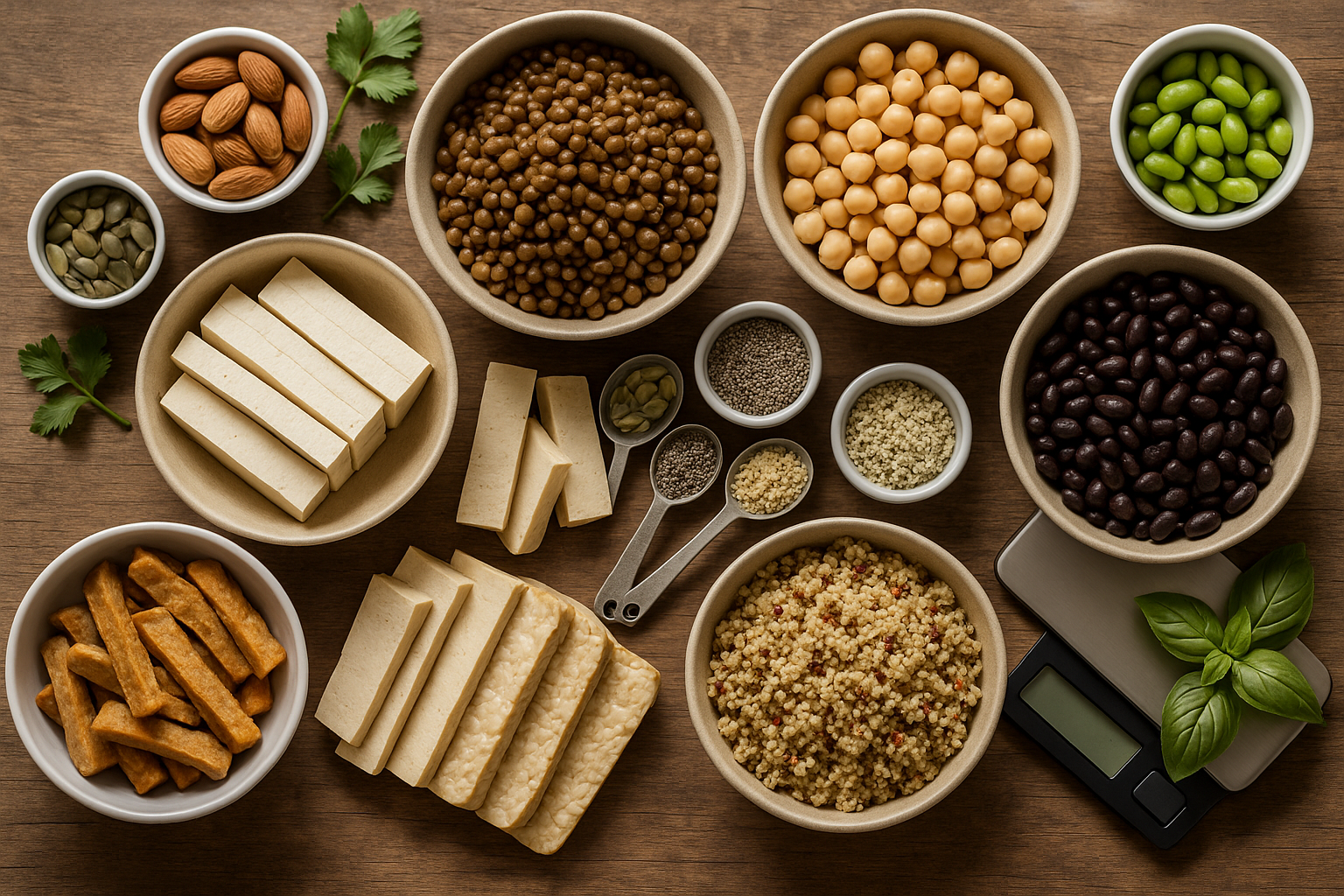
Hitting protein targets on plants is absolutely doable—and delicious—when you know where to look and how to build meals. In short: lean on legumes, soy foods, seitan, whole grains, nuts and seeds, and (when helpful) plant protein powders; aim for roughly 0.8 g protein per kilogram of body weight daily if you’re generally healthy, and distribute 20–40 g protein at each meal to support muscle and satiety. As a quick starter: stack 1–2 protein anchors per meal (for example, lentils + tofu), add a grain and a veg, and finish with seeds or nuts for texture and extra grams. This guide is written for anyone moving toward plant-forward eating—vegan, vegetarian, or flexitarian—and includes exact food ideas, per-meal guardrails, and shopping swaps. Medical note: this article is general education, not medical advice; if you have kidney disease or another condition affecting protein needs, talk with a registered dietitian before making changes. Key numbers here reflect consensus guidance as of August 2025.
1. Legumes (Beans, Lentils, Chickpeas): Your Everyday Protein Workhorse
Legumes are the backbone of plant protein because they’re affordable, shelf-stable, versatile, and pack meaningful protein per serving. A typical cooked cup of lentils or beans lands in the mid-teens for grams of protein (often ~15–18 g), with fiber that helps fullness and blood-sugar steadiness. Start by anchoring lunch or dinner with a hearty ladle of dal, chana masala, black beans, or a lentil bolognese; then layer in grains, veg, and a seed or nut garnish. If gas is a concern, gradual increases, good rinsing, and proper cooking go a long way. For athletes or anyone training hard, doubling the legume base or pairing with tofu tempts that 30–40 g per-meal sweet spot without leaning on powders.
1.1 Why it works
- Legumes provide lysine—an amino acid that’s relatively lower in many grains—so beans + grains is a natural, savory pairing.
- Fiber (often 10–16 g/cup) adds digestive and metabolic advantages you don’t get from animal protein.
- Pantry-friendly: dried bags and canned options keep costs low and consistency high.
1.2 How to build fast
- 5-minute bowl: microwave cooked brown rice, top with canned black beans (rinsed), salsa, avocado, and pumpkin seeds.
- Weeknight curry: simmer red lentils in coconut milk, turmeric, and tomatoes; finish with spinach and lime.
- South Asia staple: split moong dal with cumin, garlic, and ginger; serve with chapati and kachumber.
Mini-checklist: Soak or rinse, cook until tender (pressure cookers are fantastic), salt at the end, and cool portions for meal prep. Close with a squeeze of citrus or fresh herbs to brighten.
2. Soy Foods (Tofu, Tempeh, Edamame, Soy Milk): High-Quality, Complete Protein
Soy stands out among plants for its robust amino acid profile and kitchen flexibility. Firm tofu and tempeh typically deliver ~15–20 g per 100–150 g serving, and shelled edamame offers a similar punch per cup. Tofu swaps neatly for eggs or chicken in scrambles, stir-fries, and sheet-pan dinners; tempeh brings nutty depth and holds up to grills, glazes, and crumbles. If you drink plant milks, choosing unsweetened, fortified soy milk gives you meaningful protein per glass where oat or almond milks often don’t. For people wary of soy, the consensus from large reviews and expert groups is that whole soy foods are safe for most people and can be eaten regularly as part of a balanced diet.
2.1 Numbers & guardrails
- Everyday targets: 120–150 g firm tofu ≈ ~18–25 g protein; 1 cup edamame ≈ ~17–18 g.
- Milk matters: 240 ml soy milk often provides 7–8 g; check labels—others may have 1–3 g.
- Marinade magic: press tofu 15–20 minutes; marinate with soy sauce, citrus, garlic, and a touch of oil for crisp sears.
2.2 Common questions
- Hormones? Isoflavones ≠ estrogen; human studies generally show neutral or beneficial effects for most adults.
- Thyroid? If you have hypothyroid disease, keep medication and soy several hours apart; discuss with your clinician.
Mini-checklist: Keep firm/extra-firm tofu for sautés, silken for sauces and desserts, tempeh for grills, and edamame for bowls/snacks.
3. Seitan & Vital Wheat Gluten: Dense, “Meaty” Plant Protein
If you tolerate gluten, seitan (made from wheat protein) is one of the most protein-dense plant foods you can cook, commonly delivering ~20–25 g per 100 g serving. It browns beautifully, holds marinades, and can be sliced, shredded, or minced into stir-fries, tacos, and kebabs. Texture-wise, it scratches that “chewy” itch many people miss when reducing meat. Because it’s lower in lysine than legumes and relatively low in micronutrients, it shines when used with beans, grains, and veg rather than alone.
3.1 How to do it
- DIY seitan: mix vital wheat gluten with water, soy sauce, and spices; simmer in flavorful broth; pan-sear.
- Fast route: buy vacuum-packed seitan, slice, and sauté with onions and peppers for fajitas.
- Flavor tip: glaze with gochujang + maple + rice vinegar for a glossy, high-heat finish.
3.2 Numbers & guardrails
- Seitan is not suitable for celiac disease or wheat allergy.
- Think “add-in”: pair 100 g seitan with a cup of beans or lentils to round out amino acids and fiber.
Synthesis: Seitan excels as a texture tool and protein booster—just balance it with legumes and plants to cover nutrients.
4. Whole Grains & Pseudocereals (Quinoa, Buckwheat, Oats, Amaranth)
Grains aren’t “protein foods” per se, but they quietly add 5–10 g per cooked cup and carry complementary amino acids to legumes. Quinoa and buckwheat are standouts for higher lysine than typical grains, while oats deliver beta-glucan fiber along with decent protein. In practical terms, bump your base: choose grain portions that support your per-meal total, especially at breakfast where protein can lag. Pair porridge with soy milk and seeds, or use quinoa as 50% of your rice mix to lift protein without changing the dish.
4.1 Smart swaps
- Breakfast: overnight oats with soy milk + chia + peanut butter.
- Lunch: quinoa-brown rice blend under a chickpea masala.
- Dinner: buckwheat soba with edamame, sesame, and ginger scallions.
4.2 Mini case
You need ~30 g at dinner: 1 cup cooked lentils (~17 g) + 1 cup quinoa (~8 g) + 1 tbsp hemp seeds (~3 g) = ~28 g; add a soy-yogurt raita (~3–6 g) to clear the target.
Synthesis: Grains are the protein “scaffolding” that make legume-forward meals feel complete and hit the distribution targets.
5. Nuts & Nut Butters (Peanuts, Almonds, Pistachios, Cashews)
Nuts bring ~5–7 g protein per 28 g (a small handful) and dense energy that helps active people meet calorie needs. While they’re not the primary protein anchor for most meals, they’re brilliant for bracketing lower-protein plates—think peanut-sesame sauce on noodles, almond-crumb on baked tofu, or pistachios on a grain bowl. Nut butters turn smoothies and porridge into stick-to-your-ribs breakfasts and make easy dips for fruit and veg.
5.1 Use them well
- Sauces: thin peanut or almond butter with soy sauce, lime, and garlic; toss with soba and edamame.
- Crunch: toast nuts in a dry pan to wake up aroma; scatter on dal + rice bowls.
- Snacks: pair apples with 2 tbsp peanut butter for ~7–8 g extra protein.
5.2 Guardrails
- Energy-dense: a small handful is ~160–200 kcal; mind portions if fat loss is a goal.
- Allergies happen; seeds (next section) often sub in nicely.
Synthesis: Nuts are flavor and fullness multipliers that conveniently tack on protein between meals and recipes.
6. Seeds & Seed Butters (Hemp, Pumpkin, Chia, Flax, Sesame)
Seeds punch above their size: hemp hearts give roughly 9–10 g per 3 tbsp, pumpkin seeds ~7–8 g per 28 g, and tahini ~5 g per 2 tbsp. They fit anywhere—sprinkled on salads, blitzed into sauces, or stirred into yogurt. Hemp offers a balanced amino acid profile and soft texture; pumpkin seeds add crunch and iron; chia and flax bring omega-3 ALA plus soluble fiber. Grind flax just before eating (or buy milled) to maximize absorption.
6.1 Everyday adds
- Power sprinkle: 2 tbsp hemp + 1 tbsp sesame on grain bowls.
- Creamy dressings: tahini-lemon-garlic on roasted veg or chickpea salads.
- Breakfast boost: 1 tbsp chia + 1 tbsp ground flax into oats or smoothies.
6.2 Mini-checklist
- Store seeds cool and dark to protect oils.
- Stir butters well; natural separation is normal.
Synthesis: Seeds are the stealth upgrade—tiny spoons that nudge you over the line to your per-meal protein goal while improving texture and fats.
7. High-Protein Vegetables (Peas, Broccoli, Spinach, Brussels Sprouts)
Vegetables aren’t your main protein drivers, but some contribute meaningful grams when portions are generous. Green peas bring ~8 g per cup, and other green veg typically contribute 2–5 g per cooked cup—numbers that add up when your plate is abundant. The bigger story is synergy: vegetables carry potassium, magnesium, nitrates, and phytochemicals that support training and recovery while your legumes, soy, and grains do the heavy protein lifting.
7.1 How to get more
- Roast big trays (broccoli, Brussels sprouts) to meal-prep side dishes for the week.
- Use peas in pesto and risotto, not just as a side.
- Add spinach at the end of saucy dishes—it wilts down without crowding the pan.
7.2 Regional note (South Asia)
Peas and greens fold naturally into sabzi, pulao, and khichdi; keep frozen peas on hand for quick protein bumps to dals and vegetable curries.
Synthesis: Treat veg as volume, vitamins, and bonus protein—not the anchor—and you’ll improve both numbers and nutrition.
8. Plant Protein Powders & Fortified Products: Useful, Not Mandatory
Whole foods can cover your needs; powders are simply a tool for convenience and precise dosing. Pea, soy, and blended plant protein powders commonly deliver 20–30 g per scoop and help you hit the per-meal range (20–40 g) when appetite, time, or logistics make it tough. For muscle maintenance and growth—especially post-workout—focus on total daily protein and even distribution; if you supplement, choose third-party tested products and prioritize those with transparent amino acid profiles. In general, a dose that brings you up to ~0.25–0.40 g/kg at that meal, with ~700–3,000 mg leucine, is evidence-aligned for supporting muscle protein synthesis.
8.1 Label reading mini-checklist
- Per scoop protein: 20–30 g is typical; avoid added sugars you don’t want.
- Amino acids shown: leucine content listed or inferred from total protein source.
- Quality: look for NSF Certified for Sport or Informed Choice logos.
- Fortification: some shakes add calcium, iron, B12—handy for vegans.
8.2 Food-first examples
- Smoothie: soy milk + frozen berries + spinach + 1 scoop pea protein + peanut butter.
- Yogurt bowl: soy yogurt + hemp + granola + sliced fruit.
Synthesis: Powders are optional accelerators—use them to fill gaps, not as the foundation of your diet.
9. Protein Distribution & Meal-Building Strategy (20–40 g per Meal)
Front-loading breakfast and evenly distributing protein across 3–4 meals improves satiety, supports muscle maintenance, and makes daily totals easier. Practically, aim for ~0.25–0.40 g/kg per meal (for a 70-kg adult, ~18–28 g), include at least one clear protein anchor (e.g., tofu or lentils), and, when possible, ensure the meal likely contains ~700–3,000 mg leucine—the amino acid that strongly signals muscle building. You’ll hit this by combining anchors (e.g., tofu + edamame) or using a measured powder when helpful. Spreading intake helps older adults and athletes in particular, as muscle is more responsive to regular “pulses” of protein.
9.1 Build-by-numbers templates
- Breakfast 25–30 g: overnight oats with soy milk (8 g) + 150 g tofu scramble (18–20 g) + 1 tbsp hemp (3 g).
- Lunch 30–35 g: 1 cup chickpeas (14–15 g) + 1 cup quinoa (8 g) + ½ cup edamame (8–9 g) + tahini drizzle (2 g).
- Dinner 30–40 g: 1½ cups dal (22–26 g) + 1 cup brown rice (5 g) + 2 tbsp pumpkin seeds (4–5 g) + yogurt alt (3–6 g).
9.2 Mini-checklist
- Anchor → add a grain → add veg → finish with seeds/nuts.
- If you’re short after building the plate, add ½ scoop protein to a drink or dessert.
Synthesis: Distribution removes guesswork—hit a reliable range each meal and total intake takes care of itself.
10. Cooking & Prep Techniques That Improve Protein Use
How you prepare legumes and grains affects digestion and the fraction of protein your body can access. Soaking, sprouting, and thorough cooking reduce anti-nutritional factors (like trypsin inhibitors, tannins, lectins, and phytic acid) that otherwise interfere with protein digestion. Pressure cooking and boiling of presoaked beans markedly decrease these compounds, while germination (sprouting) can further improve in-vitro protein digestibility in many legumes. The takeaway: old-school methods aren’t just tradition—they’re biochemical upgrades to your protein.
10.1 Practical steps
- Rinse and soak dried beans 6–12 hours; discard soak water; cook in fresh water until fully tender.
- Pressure cook for reliability and speed; it’s particularly effective at deactivating inhibitors.
- Try sprouting lentils/mung briefly (12–24 hours) for salads and quick sautés; cook if you prefer.
- Ferment (e.g., tempeh) for flavor and digestibility benefits.
10.2 Safety & comfort
- Cook thoroughly (especially kidney beans) to neutralize lectins; undercooked beans can cause GI distress.
- New to beans? Increase portions gradually; add aromatics (ginger, asafoetida) and chew well.
Synthesis: Good prep → better tolerance and better use of the protein you’re already eating.
11. Budget & Pantry Planning: Protein Without the Price Tag
Plant proteins are some of the cheapest grams in the grocery store. Dried lentils and split peas often cost pennies per 10 g of protein; canned beans remain affordable and convenient. A smart pantry turns “what do I eat?” into five-minute meals: stock legumes (dried + canned), grains (rice, oats, quinoa), soy (firm tofu, frozen edamame), seeds (hemp, pumpkin), and flavor engines (tomato paste, garlic, chiles). Batch cooking stretches your budget even further—make one big pot of beans or dal, portion, and freeze.
11.1 Price-smart moves
- Buy legumes in bulk; rotate types to keep interest high.
- Choose store-brand tofu and long-life soy milk by the case if you have room.
- Use seeds and nuts as garnishes rather than bases to control cost and calories.
11.2 30-minute meal grid (mix & match)
- Anchors: lentils, chickpeas, black beans, tofu, tempeh, edamame, seitan.
- Bases: brown rice, quinoa, whole-wheat pasta, millet, buckwheat soba.
- Finishers: hemp, pumpkin seeds, tahini, peanut sauce, soy yogurt.
Synthesis: Keep protein anchors on hand and your costs—and decision fatigue—drop fast.
12. Special Cases: Athletes, Older Adults, Weight Loss & Kidney Disease
Needs vary by goal and health status. Athletes typically do best with ~1.4–2.0 g/kg/day split over 3–5 meals to maximize muscle recovery and training adaptation; many will choose powders for convenience around workouts. Older adults may benefit from the high end of per-meal targets (25–40 g) due to anabolic resistance. During fat loss, prioritizing protein (while preserving plants, fiber, and micronutrients) supports fullness and lean-mass retention. For chronic kidney disease (CKD), protein needs depend on stage and treatment: pre-dialysis often requires lower protein to reduce nitrogenous waste, while dialysis increases needs. In all these cases, a credentialed sports or renal dietitian can translate grams into weekly menus you’ll actually enjoy. PMC
12.1 Practical patterns
- Athlete day: 4 meals × 30–40 g with a post-training option (soy yogurt + pea protein).
- Older-adult breakfast: tofu scramble + soy milk latte + seeded toast.
- CKD caution: favor plant proteins but individualize totals with your care team.
Synthesis: Match protein to the person—goal, age, and medical context drive the number and the menu.
FAQs
1) How much protein do I actually need on a plant-based diet?
For most healthy adults, the baseline is 0.8 g/kg/day; active people and athletes often benefit from 1.2–2.0 g/kg/day. More important than perfection is consistency and distribution: aim for 20–40 g per meal across the day. If you’re unsure where you land, multiply your weight in kilograms by 1.2 as a practical training-day target, then adjust based on appetite, recovery, and body-composition goals.
2) Do I need to “combine” plant proteins at the same meal?
No. The body maintains an amino acid pool, and a varied plant-based diet across the day easily covers all essential amino acids. That said, cultural staples like beans + grains are nutritionally elegant and delicious, so keep enjoying them—just don’t stress over exact pairings at every sitting.
3) Can I build muscle with only plant proteins?
Yes. Muscle growth depends on total daily protein, per-meal dose (generally 20–40 g, including ~700–3,000 mg leucine), progressive training, and adequate calories. Hitting these with legumes, soy, grains, seeds, and the occasional powder is straightforward. Many strength athletes thrive on plants.
4) Is soy safe, and how much can I eat?
Whole soy foods (tofu, tempeh, edamame, soy milk) are considered safe for most people and can be eaten regularly. Evidence does not support fears that typical soy intakes harm hormones; if you have specific conditions or take thyroid medication, discuss timing and amounts with your clinician.
5) What’s the best plant protein powder?
Choose products with 20–30 g protein per scoop, transparent amino acid profiles, and third-party certification (NSF/Informed Choice). Pea, soy, and blends perform well; prioritize taste and digestibility so you’ll use them. Powders are optional—food comes first.
6) I get bloated from beans. What can I do?
Rinse canned legumes thoroughly, soak and cook dried beans until very tender, and build portions gradually over 2–3 weeks. Add aromatics like ginger and cumin, or try pressure cooking. Sprouting and fermenting can also improve tolerance for some people.
7) Are plant proteins “complete”?
All whole plant proteins contain all nine essential amino acids—just in different proportions. The practical fix is variety and sufficient total protein. Aim for 1–2 anchors per meal (e.g., tofu + beans) and you’ll cover your bases without spreadsheets.
8) How do I hit protein at breakfast without eggs or meat?
Lean on soy yogurt parfaits with hemp and granola; tofu scramble on whole-grain toast; overnight oats made with soy milk plus peanut butter and chia; or a smoothie with soy milk and pea protein. Most people find breakfast is the easiest place to add 10 extra grams.
9) What about “mock meats”?
Some offer 15–25 g per serving and can be useful in transitions or travel. Read labels: choose options with modest sodium, minimal saturated fat, and short-ish ingredient lists. Use as a sometimes item; keep whole-food anchors as your daily pattern.
10) I have kidney disease—can I still eat plant protein?
Yes, but how much depends on your stage and whether you’re on dialysis. Pre-dialysis often involves moderated protein; dialysis increases needs. Plant-forward patterns can be kidney-friendly, but get individualized numbers and menu planning from a renal dietitian.
Conclusion
Plant-based eaters meet—and often exceed—protein goals when they plan meals around proven anchors (legumes, soy, seitan), smart sides (whole grains, high-protein veg), and small but mighty finishers (seeds, nuts). The simplest winning pattern is distribution: build 3–4 meals that each land in the 20–40 g range by combining one or two anchors with a grain and a veg, then use seeds or a modest powder as a top-up when needed. Cooking methods matter; soaking, pressure cooking, and sprouting make your protein easier to digest. For athletes, older adults, or people in a calorie deficit, lean into the upper ends of per-day and per-meal targets and keep total energy and training quality in view. If you live with kidney disease or another condition affecting protein handling, work with a dietitian to individualize your grams and food choices.
Takeaway: Pick your anchors, distribute them across meals, and let plants do the heavy lifting—starting with one higher-protein breakfast tomorrow.
CTA: Ready to put this into practice? Batch-cook a pot of lentils tonight and plan three protein-anchored meals for the week ahead.
References
- Dietary Reference Intakes for Energy, Carbohydrate, Fiber, Fat, Fatty Acids, Cholesterol, Protein, and Amino Acids. National Academies Press (IOM/NASEM), 2005. National Academies Press
- Jäger R, Kerksick CM, Campbell BI, et al. International Society of Sports Nutrition Position Stand: protein and exercise. Journal of the International Society of Sports Nutrition, 2017. BioMed Central
- Melina V, Craig W, Levin S. Position of the Academy of Nutrition and Dietetics: Vegetarian Diets. Journal of the Academy of Nutrition and Dietetics, 2016. PubMed
- Raj S, et al. Vegetarian Dietary Patterns for Adults: A Position Paper of the Academy of Nutrition and Dietetics. Journal of the Academy of Nutrition and Dietetics, 2025. JandOnline
- FAO. Dietary protein quality evaluation in human nutrition (Report of an FAO Expert Consultation). 2013. FAOHome
- Xipsiti M, et al. Protein quality evaluation: FAO perspective. Nutr Res Pract, 2024. PMC
- Harvard T.H. Chan School of Public Health. Straight Talk About Soy. Updated 2021. The Nutrition Source
- National Kidney Foundation. CKD Diet: How much protein is the right amount? Updated 2024 (page continually updated). National Kidney Foundation
- Shi L, et al. Changes in levels of enzyme inhibitors during soaking and cooking of legumes. Journal of Food Science & Technology, 2017. PMC
- Wang X, et al. Effect of Germination on the Digestion of Legume Proteins. Foods (MDPI), 2024. MDPI
- U.S. Department of Agriculture, ARS. FoodData Central. Accessed August 2025. FoodData Central
- Mariotti F, Gardner CD. Dietary Protein and Amino Acids in Vegetarian Diets—A Review. Nutrients, 2019. PMC