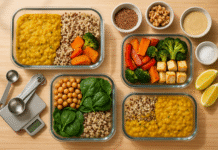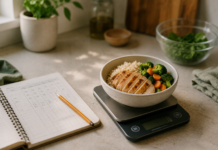

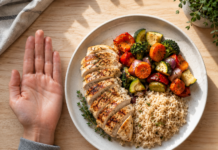







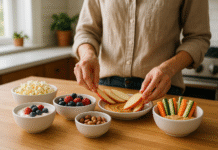













If you’re trying to keep calories in check without feeling deprived, the right snacks are your secret weapon. Low-calorie doesn’t have to mean low-satisfaction—especially when you combine protein, fiber, and water-rich foods that blunt hunger and steady energy. This guide delivers exactly what it promises: 15 Low-Calorie Snack Ideas to Curb Cravings, each built around simple ingredients and realistic portions you can prep in minutes. Quick note: this is general nutrition guidance, not medical advice; if you have specific health conditions or dietary needs, check with a qualified professional. In brief, the best low-calorie snacks provide at least one protein or fiber anchor and keep added sugars in check (CDC recommends <10% of daily calories from added sugar).
Fast answer for skimmers: Pair a protein (Greek yogurt, egg, edamame, tuna, cottage cheese) with a produce or whole-grain partner (fruit, veggies, popcorn, rice cake). Aim for ~100–200 calories, mostly whole foods, minimal added sugar and sodium. See the 15 options below.
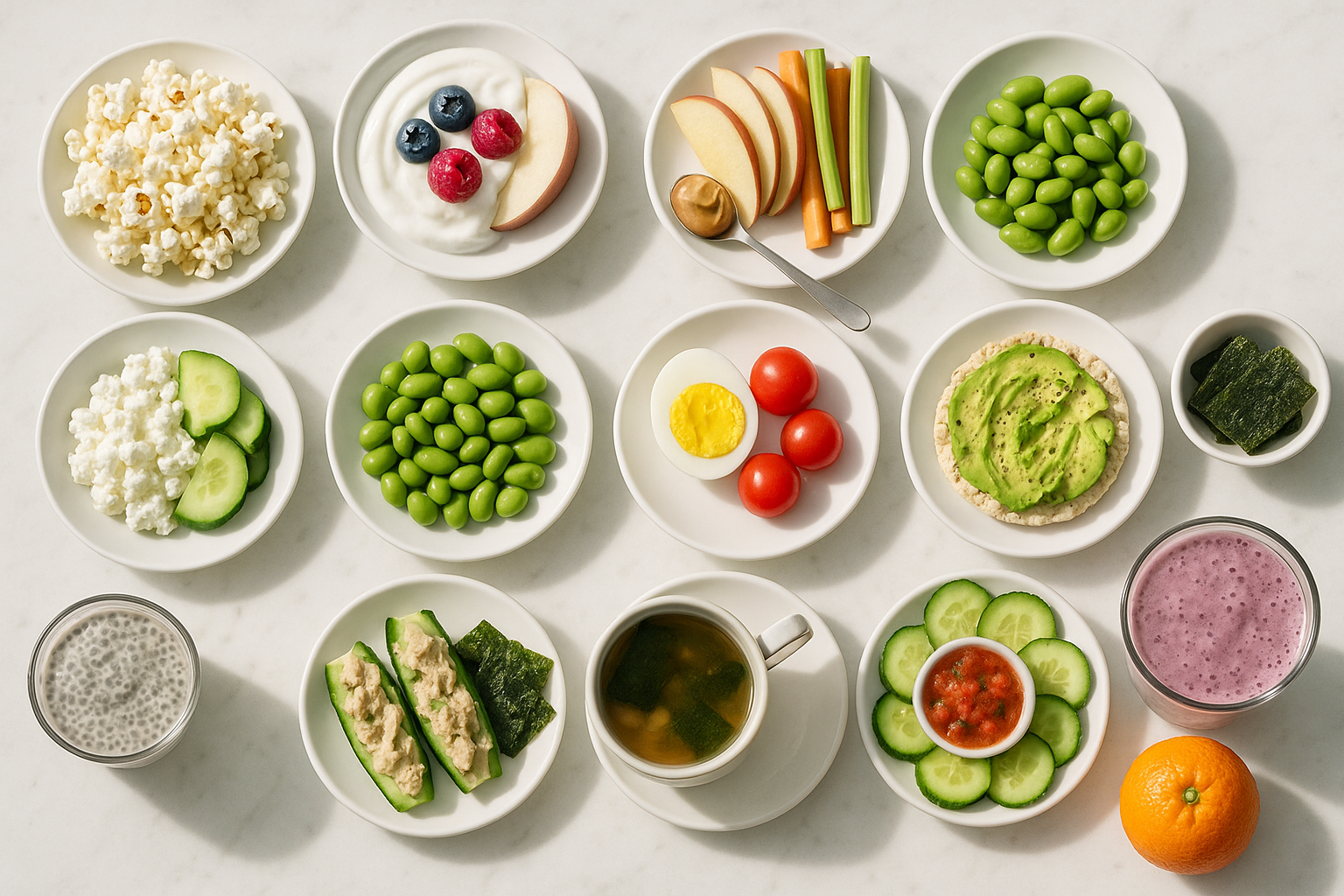
1. Air-Popped Popcorn (3 Cups)
A big bowl of popcorn is the volume-eater’s dream: it delivers crunch and a generous portion for relatively few calories. Start with air-popped kernels and you’ll get a whole-grain snack that feels indulgent without the butter and oil tax. Three cups of air-popped popcorn land around ~93–100 calories and come with a bit of fiber for staying power. Season it smartly and it becomes a savory fix that scratches the “movie snack” itch on any weeknight. Popcorn is also a practical “bridge” snack before late dinners because it’s filling but light. Keep it plain or dress it with spices—either way you’ll get a lot of chew for not many calories.
1.1 How to do it
- Pop 3 cups (about 24 g) using an air popper or a covered microwave popper.
- Sprinkle with smoked paprika, garlic powder, or nutritional yeast.
- Add a pinch of salt or a light mist of olive oil spray if desired.
- For heat: chili powder + lime zest.
- Sweet spin: dust of cinnamon.
1.2 Numbers & guardrails
- 3 cups air-popped ≈ 93–100 kcal; ~3 g fiber; minimal fat before toppings.
- Skip heavy butter; 1 Tbsp butter adds ~100 kcal.
Bottom line: Popcorn works because it’s high-volume and whole-grain; keep toppings light to preserve the low-calorie edge.
2. Nonfat Greek Yogurt Cup (170 g) + Cinnamon or Berries
Greek yogurt is a go-to hunger tamer thanks to its high protein and creamy texture. A single 170 g cup of plain nonfat Greek yogurt clocks ~100 calories with ~17 g protein—enough to calm a rumbling stomach and slow digestion. It’s neutral enough to go sweet or savory, and it pairs beautifully with a small topping of fruit, nuts, or spices. If you want sweetness without added sugar, add berries or a sliced strawberry or two; cinnamon increases perceived sweetness without calories. This snack is portable, affordable, and aligns with most dietary approaches.
2.1 How to do it
- Stir in cinnamon and vanilla extract.
- Add ¼ cup berries for color and antioxidants.
- Savory: fold in chopped cucumber, dill, and a pinch of salt.
2.2 Numbers & guardrails
- 170 g plain nonfat Greek yogurt ≈ 100 kcal, ~17 g protein.
- Keep fruit to a few spoonfuls (15–30 kcal) to stay near ~130 kcal total.
Bottom line: High protein in a small calorie package makes Greek yogurt a satisfying, versatile base.
3. Apple Slices + 1 Teaspoon Peanut Butter (or PB Powder)
This classic combo hits sweet, salty, and creamy notes while keeping portions reasonable. A medium apple provides fiber, water, and a refreshing crunch for around ~95 calories, and a measured teaspoon of peanut butter adds just enough richness (~30–35 calories) to curb cravings without tipping into “dessert.” If you prefer an ultra-light option, mix PB powder with a bit of water for a similar flavor at fewer calories. This is great when you want something dessert-adjacent that still fits a low-calorie plan.
3.1 How to do it
- Slice ½–1 medium apple and fan on a plate.
- Spread 1 tsp peanut butter across slices or dip lightly.
- Sprinkle with cinnamon or a pinch of salt.
3.2 Numbers & guardrails
- 1 medium apple ≈ 95 kcal.
- 1 tsp peanut butter ≈ 30–35 kcal (brand-dependent).
Bottom line: Fruit’s volume + a tiny hit of fat makes for a low-calorie, high-satisfaction bite.
4. Cottage Cheese (½ Cup) with Cucumber & Dill
Cottage cheese delivers serious protein for modest calories, with a savory profile that suits herbs and crunchy vegetables. A ½-cup serving of low-fat cottage cheese can sit in the ~80–120 calorie range depending on fat content and brand, while offering ~12–14 g of protein. Toss with sliced cucumber, dill, and black pepper and you’ve got a tangy, spoonable snack that feels like a mini-salad. It’s also a smart choice if you’re craving something creamy but want to avoid sugary yogurts.
4.1 How to do it
- Stir ½ cup cottage cheese with ½ cup cucumber half-moons.
- Add dill, lemon zest, and cracked pepper.
- Optional: a dash of hot sauce.
4.2 Numbers & guardrails
- ½ cup 1% cottage cheese ≈ ~81–110 kcal; ~12–14 g protein (brand-dependent). FatSecret
- Note sodium can be high—scan labels.
Bottom line: Creamy, protein-rich, and fast; herbs and crunchy veg keep it bright for minimal calories.
5. Shelled Edamame (½ Cup)
Edamame—young soybeans—pack plant protein and fiber to tame appetite. A ½-cup shelled portion typically lands around ~90–120 calories with ~8–9 g protein and ~4 g fiber, making it a tidy, vegan-friendly pick when you want savory satisfaction. Lightly salted and served warm, edamame offers a comforting texture similar to more indulgent snacks. It’s also freezer-friendly, so you can keep a bag on hand.
5.1 How to do it
- Microwave frozen shelled edamame; toss with lemon and sea salt.
- Add chili flakes or toasted sesame seeds for variety.
- For extra volume, mix with steamed green beans.
5.2 Numbers & guardrails
- ½ cup shelled ≈ ~94–120 kcal; ~8–9 g protein (varies by brand/measurement). Verywell Fit
Bottom line: Protein + fiber in a small portion makes edamame a potent, low-calorie hunger check.
6. Hard-Boiled Egg + Veggie Sticks
When you need something grab-and-go that actually quiets hunger, a hard-boiled egg is hard to beat. One large egg provides about ~72–78 calories with ~6 g of complete protein and important micronutrients. Pair it with crunchy, water-rich veggies—think cucumber, bell pepper, or celery—to add volume without many extra calories. A pinch of salt and pepper or a drizzle of hot sauce scratches the savory itch while staying light.
6.1 How to do it
- Batch-boil eggs; store peeled in the fridge for up to a week.
- Slice and season; serve with cucumber/bell pepper strips.
- Optional dusting: everything bagel seasoning.
6.2 Numbers & guardrails
- 1 large egg ≈ 72–75 kcal; ~6.3 g protein. Ask USDA
- 1 cup cucumber sticks ≈ ~16 kcal; peppers ≈ ~30–40 kcal (varies).
Bottom line: Protein-dense, portable, and satisfying—round it out with high-water veggies for volume.
7. Hummus (2 Tbsp) + Carrot & Celery Sticks
Creamy hummus offers chickpea fiber plus a little tahini richness for a balanced, savory dip. Two tablespoons can be as low as ~50–60 calories depending on recipe, which leaves plenty of room for a pile of crunchy, low-calorie carrots and celery. The combo provides texture contrast and a pleasant salty-sweet balance from the veg. It’s also an easy way to elevate plain vegetables into something you look forward to.
7.1 How to do it
- Portion 2 Tbsp hummus into a ramekin.
- Add 1–2 cups mixed crudités: carrots, celery, radishes, bell peppers.
- Spice twist: swirl in harissa or sprinkle za’atar.
7.2 Numbers & guardrails
- 2 Tbsp hummus ≈ ~53 kcal.
- Keep total dip to ≤3 Tbsp if you’re aiming under ~120–150 kcal.
Bottom line: A flavorful dip makes veggie volume appealing while keeping calories modest.
8. Rice Cake + Avocado (30 g) & Tomato
Sometimes you want crunch with creaminess—this simple stack delivers. A plain brown-rice cake is about ~35 calories, and a 30 g slice of avocado adds ~48 more along with satisfying fats and fiber. Topped with tomato and a pinch of salt and pepper (or chili flakes), it’s a light, fresh bite that keeps you busy chewing without tipping into “mini-meal” territory. It’s also easy to build at your desk.
8.1 How to do it
- Spread thin avocado on a rice cake; top with tomato slices.
- Season with pepper, chili, or lemon.
- Optional: squeeze of lime and cilantro.
8.2 Numbers & guardrails
- 1 rice cake ≈ 35 kcal; 30 g avocado ≈ 48 kcal; tomato slices ~5–10 kcal. FatSecret
Bottom line: Crisp + creamy in ~90 calories—great when you want something snacky, not sweet.
9. “Light” Chia Pudding (1 Tbsp Chia + ½–¾ Cup Unsweetened Almond Milk)
Classic chia pudding can be calorie-dense if you use multiple tablespoons; this “light” version keeps the gel texture but trims energy. Stir 1 Tbsp chia into ½–¾ cup unsweetened almond milk, chill 10–15 minutes (or overnight), and finish with vanilla and a few berries. You get soluble fiber for satiety and a spoonable treat that feels dessert-like without the sugar rush. It’s ideal for late-night cravings.
9.1 How to do it
- Mix 1 Tbsp chia with 120–180 ml unsweetened almond milk.
- Add vanilla, cinnamon, and 3–5 raspberries (optional).
- Chill until thick; stir and eat.
9.2 Numbers & guardrails
- 1 Tbsp chia ≈ ~58–60 kcal; 1 cup unsweetened almond milk ≈ ~39 kcal (use ½–¾ cup here).
Bottom line: A satisfying gel texture with fiber and minimal calories—portion the seeds, not the bowl.
10. Tuna-Cucumber Boats
Lean tuna provides a protein wallop for few calories, especially in water-packed varieties. Scoop ¼ cup drained light tuna into halved cucumber “boats,” add lemon, pepper, and a touch of mustard or Greek yogurt, and you’ve got a savory, crunchy snack that eats like mini canapés. This is perfect when you crave something briny or sandwich-like but want to skip the bread and mayo.
10.1 How to do it
- Halve an English cucumber; scoop seeds to create channels.
- Mix ¼ cup tuna with lemon and pepper; spoon into boats.
- Optional: minced dill pickles or capers.
10.2 Numbers & guardrails
- ¼ cup (≈56 g) light tuna in water ≈ ~50–80 kcal, ~11 g protein; cucumber ~8 kcal per ½ cup.
Bottom line: High-protein crunch that feels like a tiny sandwich without the calorie load.
11. Seaweed Snacks + Miso Broth (1 Cup)
When a salty, umami craving hits, roasted seaweed sheets with a warm mug of miso broth scratch the itch for minimal calories. Seaweed is naturally low in calories, and a simple cup of miso soup commonly falls in the ~50–60 calorie range depending on brand and add-ins. Sip the broth and munch a couple of seaweed sheets for a comforting, savory pause between meals. It’s especially good on chilly days when cold snacks don’t appeal. Food Struct
11.1 How to do it
- Heat 1 cup instant miso or homemade miso broth.
- Serve with 2–4 roasted seaweed sheets.
- Add chopped scallions or tofu cubes if desired.
11.2 Numbers & guardrails
- Miso soup, 1 cup ≈ ~59 kcal (varies). Seaweed sheets are typically single-digit calories per sheet.
Bottom line: Umami warmth for very few calories; watch sodium if you’re sensitive.
12. Frozen (or Fresh) Grapes, Portioned
Grapes make an ultra-easy, refreshing, single-ingredient snack. Freeze them for a slow-eating, sherbet-like texture that stretches out snack time. A 1-cup portion varies by weight, but you can expect roughly ~60–100 calories with a bit of fiber and plenty of hydration. If you’re managing sugar, pair a small handful with a protein (a few edamame or a bite of yogurt) to blunt spikes.
12.1 How to do it
- Wash, dry, and freeze seedless grapes in a single layer.
- Portion 1 cup into small containers.
- Optional: dust with lime zest before freezing.
12.2 Numbers & guardrails
- 1 cup grapes ≈ ~62–104 kcal depending on weight and variety. Nutritionix
Bottom line: Sweet and hydrating with built-in portionability; pairing with protein increases staying power.
13. Cucumber “Chips” + Salsa
When you want a chip-and-dip moment without the chip calories, use thick cucumber rounds as “chips.” Top with a spoonful of salsa for a tangy, peppery bite that’s almost negligible in calories yet big on flavor. This snack shines when you need a pre-dinner nibble that won’t spoil your appetite but still satisfies the urge to crunch and dip.
13.1 How to do it
- Slice cucumber into thick coins.
- Spoon 1–2 Tbsp fresh salsa on each.
- Finish with a pinch of flaky salt or chili powder.
13.2 Numbers & guardrails
- 2 Tbsp salsa ≈ ~8–10 kcal; 1 cup cucumber ≈ ~16 kcal.
Bottom line: A near-zero-calorie savory bite—great for snackers who love dippable foods.
14. 60-Second Berry–Almond Milk Smoothie
For a light, sippable snack, blend unsweetened almond milk with a small handful of berries and ice. You’ll get a cold, creamy treat with minimal calories and no added sugar if you use unsweetened milk. This is perfect when you’re craving something sweet and cold post-workout or in the evening but don’t want to raid the freezer for ice cream.
14.1 How to do it
- Blend ½ cup unsweetened almond milk, ½ cup frozen berries, and ice.
- Add vanilla extract or a squeeze of lemon.
- Optional: 1 Tbsp Greek yogurt for extra creaminess (adds ~10–15 kcal).
14.2 Numbers & guardrails
- ½ cup almond milk ≈ ~20 kcal; ½ cup berries ≈ ~25–40 kcal depending on type.
Bottom line: Cold, sweet, and portion-controlled—use unsweetened milk to keep calories low.
15. A Perfect Orange (or Two Clementines)
Sometimes simple wins. A whole orange is naturally pre-portioned, juicy, and satisfying to peel and eat mindfully. Depending on size, a medium orange often sits around ~70–85 calories, while clementines are ~35 calories each—great for when you want sweetness without added sugar. Pair with a glass of water or unsweetened tea for extra volume and pre-meal appetite control.
15.1 How to do it
- Chill oranges for a refreshing treat.
- Zest lightly over the segments for a citrus oil aroma.
- Sprinkle with a pinch of cinnamon if you like.
15.2 Numbers & guardrails
- 1 medium orange ≈ ~73–85 kcal; 1 clementine ≈ ~35 kcal. Verywell FitMy Food Data
Bottom line: Naturally sweet, hydrating, and portion-perfect—fruit is the original low-calorie snack.
FAQs
1) What counts as “low-calorie” for a snack?
For most adults, a snack in the ~100–200 calorie range is “low-calorie” yet still satisfying when it includes protein, fiber, or both. The exact number depends on your daily needs and goals. Keeping added sugars under 10% of daily calories and prioritizing whole foods helps each calorie work harder for fullness.
2) How do protein and fiber curb cravings?
Protein slows gastric emptying and helps you feel full longer; fiber adds bulk and can increase satiety signals, especially viscous/soluble types. Combining the two—e.g., Greek yogurt with berries—keeps hunger in check more effectively than refined, low-fiber snacks. Evidence links fiber intake with improved appetite control and weight management.
3) Are “under 100 calorie” packs worth it?
They can aid portion control, but many are ultra-processed and low in protein/fiber. Whole-food swaps—like 3 cups of air-popped popcorn, an orange, or edamame—often deliver better fullness per calorie with more nutrients.
4) I crave salty snacks—what’s a smart choice?
Try air-popped popcorn with spices, edamame with lemon and sea salt, or seaweed with a cup of miso broth. These satisfy salt cravings for relatively few calories; just keep an eye on sodium if you’re sensitive. Nutritionix
5) How do I build a snack that actually keeps me full?
Use the “P-F-W” shortcut: Protein (yogurt, egg, tuna), Fiber (fruit, veg, popcorn), and Water (produce, broth). Combine two elements, keep portions ~100–200 calories, and limit added sugar. MyPlate suggests pairing food groups (e.g., fruit + protein) to boost satisfaction.
6) Are nuts okay on a low-calorie plan?
Yes—measured portions. Almonds are ~164 calories per 28 g (~23 nuts). A “mini” portion (10–12 almonds) delivers crunch and healthy fats for ~70–85 calories; pair with fruit for balance.
7) Is soup really a snack?
A cup of broth-based soup can be a smart, low-calorie “pre-meal” snack that reduces later intake. Studies show soup preloads can lower subsequent meal energy by ~20% in the short term; choose broth-based versions to keep calories tight. PMC
8) What about artificial sweeteners in low-calorie snacks?
They can reduce calories but may not help everyone with cravings. If sweet tastes trigger more snacking for you, lean on naturally sweet fruit and spices like cinnamon or vanilla. When using packaged items, scan labels for added sugars and keep overall intake modest.
9) How often should I snack?
There’s no single rule; some people do best with 1–2 snacks between balanced meals, others with none. Use hunger cues, energy levels, and schedule. If you’re consistently ravenous, add protein, fiber, or volume (vegetables, broth) at meals so snacks don’t have to carry the load.
10) What’s a quick office snack I can keep on hand?
Shelf-stable picks include tuna pouches, roasted seaweed, single-serve popcorn kernels for a microwave popper, and nut butter squeeze packs for pairing with fruit. Keep spices (cinnamon, chili powder) to boost flavor without calories. StarKist®
Conclusion
Curbing cravings on a calorie budget is less about willpower and more about design—designing snacks that leverage protein, fiber, and water to fill you up, not just out. The 15 ideas here fit real life: they’re fast, portable, affordable, and built from everyday staples like yogurt, eggs, fruit, vegetables, edamame, tuna, and whole grains. Use the simple patterns that emerged—pair a protein with produce, scale portions to ~100–200 calories, and season boldly to make low-calorie food exciting. If you love sweet, lean on fruit plus cinnamon or vanilla; if you’re a savory snacker, embrace spices, herbs, citrus, and umami from seaweed or broth. Above all, personalize: set up your fridge and pantry with the components you enjoy so the low-calorie choice is the easy choice. Ready to put this into practice? Pick two ideas to prep today and rotate a new one in each week—your future self (and steady energy) will thank you.
CTA: Save this list, stock 3–4 favorites, and snack smarter starting with your very next break.
References
- Snacks, popcorn, air-popped — Nutrition Facts. MyFoodData (USDA sourced). Updated 2024. https://tools.myfooddata.com/nutrition-facts/167959/wt1
- Popcorn: A Healthy, Whole Grain Snack. USDA Agricultural Research Service. Accessed 2025. https://www.ars.usda.gov/plains-area/gfnd/gfhnrc/docs/news-articles/2021/popcorn-a-healthy-whole-grain-snack/
- Nutrition Facts: Nonfat Greek Yogurt (170 g). MyFoodData (USDA sourced). Updated 2024. https://tools.myfooddata.com/nutrition-facts/170894/wt1
- Apples — Nutrition Information (1 medium). USDA SNAP-Ed Seasonal Produce Guide. Accessed 2025. https://snaped.fns.usda.gov/resources/nutrition-education-materials/seasonal-produce-guide/apples
- Cottage Cheese (1%–2%) — Nutrition Facts. MyFoodData (USDA sourced). Updated 2024. https://tools.myfooddata.com/nutrition-facts/172182/wt1
- Edamame, ½ cup shelled — USDA entry. Nutritionix (USDA data). Accessed 2025. https://www.nutritionix.com/i/usda/edamame-frozen-prepared-0-5-cup-shelled/571fb6dfab5e18a9270bf87e
- Eggs — Nutrition Facts (1 large). MyFoodData (USDA sourced). Updated 2024. https://tools.myfooddata.com/nutrition-facts/171287/wt1
- Hummus — 2 Tbsp Calories. FatSecret (USDA data). Accessed 2025. https://foods.fatsecret.com/calories-nutrition/usda/hummus
- Unsweetened Almond Milk — Nutrition Facts (1 cup). MyFoodData (USDA sourced). Updated 2024. https://tools.myfooddata.com/nutrition-facts/174832/wt1
- Chia seeds — 1 Tbsp Calories. Nutritionix (USDA data). Accessed 2025. https://www.nutritionix.com/i/usda/seeds-chia-seeds-dried-1-tbsp/576ad5353fe5c89d50c06fbd
- Light Tuna in Water — ¼ cup (56 g) calories. MyFoodDiary (generic, USDA aligned). Accessed 2025. https://www.myfooddiary.com/foods/7464212/chunk-light-tuna-in-water-drained
- Miso Soup — Calories (1 cup). Nutritionix. Accessed 2025. https://www.nutritionix.com/i/nutritionix/miso-soup-1-cup/5665f99826bdc9355375b67b
- Grapes — 1 cup (92 g) Nutrition Information. USDA SNAP-Ed Seasonal Produce Guide. Accessed 2025. https://snaped.fns.usda.gov/resources/nutrition-education-materials/seasonal-produce-guide/grapes
- Salsa — 2 Tbsp Calories. FatSecret (USDA data). Accessed 2025. https://foods.fatsecret.com/calories-nutrition/usda/salsa-%28ready-to-serve%29
- Rice cakes — 1 cake (9 g) Calories. MyFoodData (USDA sourced). Updated 2024. https://tools.myfooddata.com/nutrition-facts/170250/wt1
- Almonds — 1 oz = ~23 nuts (nutrition). Almond Board of California (USDA referenced). 2021. https://www.almonds.com/sites/default/files/2021-06/Almond%20Nutrient%20Comparison%20%202021.pdf
- Get the Facts: Added Sugars. CDC. Jan 5, 2024. https://www.cdc.gov/nutrition/php/data-research/added-sugars.html
- Healthy Snacking with MyPlate (Tip Sheet). MyPlate.gov. Accessed 2025. https://www.myplate.gov/tip-sheet/healthy-snacking-myplate
- Soup preloads reduce meal energy intake. Flood & Rolls et al., Appetite. 2007. PubMed. https://pubmed.ncbi.nlm.nih.gov/17574705/
- Dietary fiber and satiety (review). Alahmari et al., J Taibah Univ Med Sci. 2024. https://pmc.ncbi.nlm.nih.gov/articles/PMC11671356/
- Protein, carbs, and weight loss. Harvard Nutrition Source. Feb 14, 2014 (evergreen explainer). https://nutritionsource.hsph.harvard.edu/2014/02/14/protein-carbs-and-weight-loss/