




















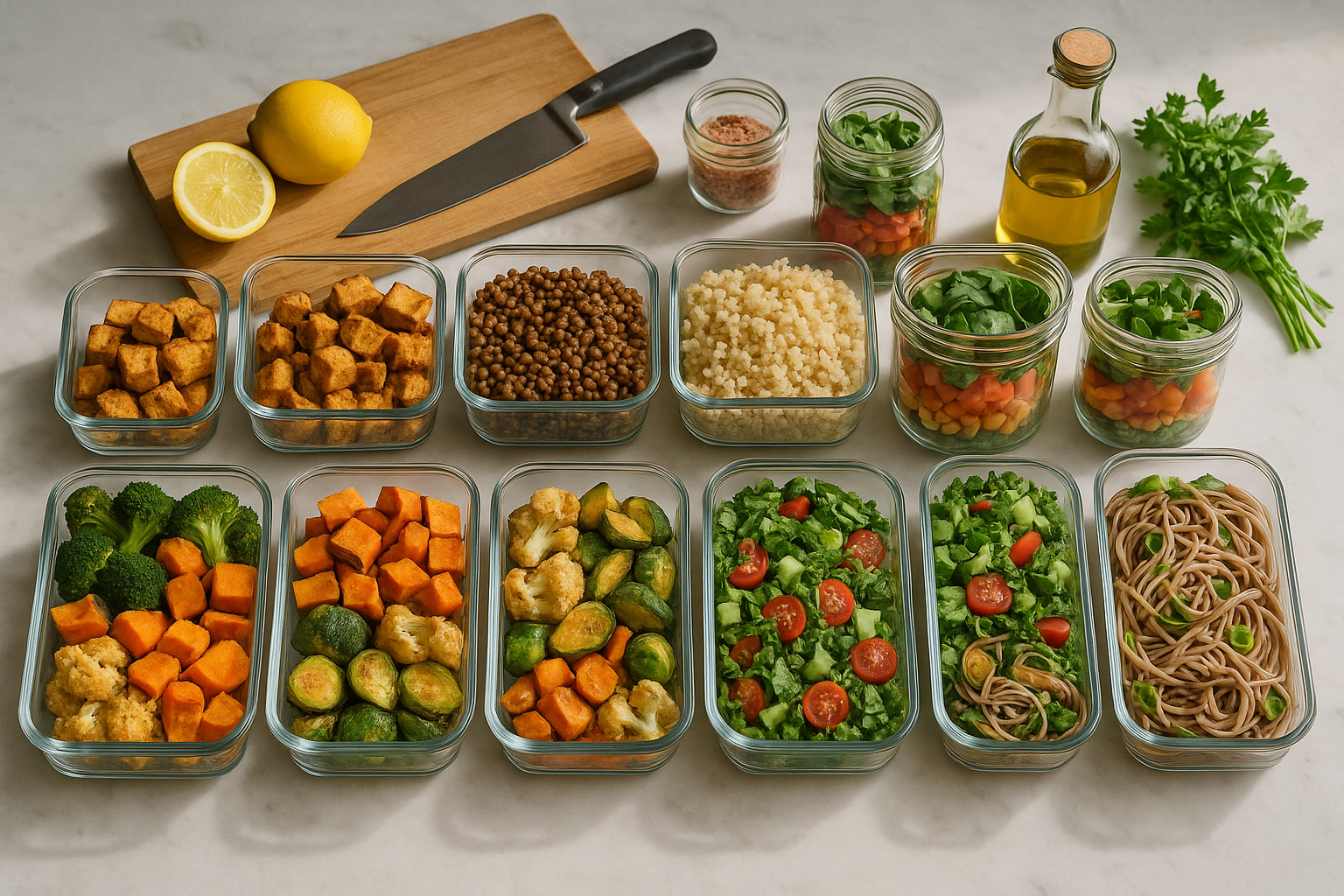
If you want a week of easy, satisfying, plant-powered meals, you’re in the right place. Below are 14 vegetarian and vegan meal prep ideas that balance protein, fiber, and healthy fats, with time-saving workflows you can actually keep up with. Whether you’re cooking for one or feeding a family, you’ll find step-by-step methods, storage tips, and smart swaps for different diets and budgets. Vegetarian and vegan meal prep ideas are simply make-ahead, plant-based recipes you batch-cook and portion for later so weekday eating is faster, cheaper, and more consistent. For quick success, plan 2 proteins, 2 grains, a sauce, and 1–2 veg mixes, then portion into 10–14 meals.
Quick-start steps:
- Pick 3–4 dishes below that share ingredients.
- Batch-cook proteins and grains.
- Make 1 dressing/sauce to tie meals together.
- Cool fast, portion, label, and refrigerate (≤4 days) or freeze (longer).
- Reheat safely and add fresh elements before serving.
Note: This guide provides general nutrition and food-safety information—not medical advice. Always follow local food-safety rules; keep refrigerators at 40°F/4°C or below and observe the two-hour rule for perishables (as of August 2025).
1. Sheet-Pan Tofu, Broccoli & Quinoa Boxes
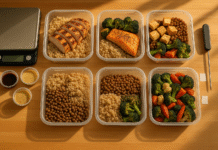
This is a high-protein, high-fiber base you can customize for lunches all week. Firm tofu crisps in the oven while broccoli and carrots roast alongside, and quinoa cooks unattended on the stovetop or in a rice cooker. The result is four to six boxes with a great texture contrast: chewy quinoa, crisp-tender broccoli, and golden tofu. It’s ideal for beginners because the entire cook is hands-off once you prep the sheet pan. It also scales beautifully—double the tofu and vegetables to feed a family, or halve for a small household. Finish with a punchy sauce like chili-lime or peanut-ginger to keep it interesting across days.
1.1 How to do it
- Press 800 g firm tofu 15–20 minutes, then cube and toss with 1 Tbsp oil, 1 Tbsp soy/tamari, 1 Tbsp cornstarch.
- On a rimmed sheet, add 6 cups broccoli florets and 2 sliced carrots; toss with 1–2 Tbsp oil, salt, pepper, garlic powder.
- Roast at 425°F/220°C for 25–30 minutes, flipping once.
- Simultaneously, cook 2 cups dry quinoa (yields ~6 cups).
- Portion quinoa, top with tofu and veg; add sesame seeds and spring onions.
1.2 Numbers & guardrails
- Makes 5–6 meals with ~20–25 g protein each (tofu + quinoa).
- Refrigerate portions up to 3–4 days; freeze tofu/veg separately if storing longer.
- Reheat until piping hot; add sauce after heating to keep textures sharp.
A squeeze of lime or a spoon of chili crisp right before eating brings the whole box to life without extra cooking.
2. Mason Jar Super-Green Salads with Crunchy Toppings
Jar salads stay crisp for days when you layer in the right order. Start with a bold dressing at the bottom, then sturdy add-ins like chickpeas and cucumbers, followed by shredded cabbage or kale, and finish with tender greens on top. When you invert into a bowl, everything dresses beautifully. This method reduces lunchtime decisions, avoids soggy lettuce, and encourages more vegetables without extra prep during the week. It’s also easy to vary flavors—Mediterranean one day, Thai-leaning the next—by swapping dressing and toppers.
2.1 Layering blueprint
- Bottom: 3–4 Tbsp dressing (tahini-lemon, green goddess, or sesame-ginger).
- Hearty add-ins: ½ cup chickpeas, diced cucumber, cherry tomatoes.
- Crunch: ½ cup shredded cabbage or carrots, seeds (pumpkin/sunflower).
- Greens: 2 cups kale/spinach/arugula.
- Top (separate bag): toasted nuts, croutons, or crispy chickpeas.
2.2 Tips & swaps
- Swap chickpeas for white beans or edamame for higher protein.
- Add cooked whole grains (farro, bulgur, or brown rice) for staying power.
- Keep dressings in the jar; keep “crunch” in a separate mini container to add at eat-time.
Rotate two dressings per week to keep flavors fresh while reusing the same chopping workflow.
3. Overnight Oats Three Ways (Vegan)
Overnight oats are the 60-second breakfast that feels like a treat but delivers serious nutrition. Oats offer beta-glucan fiber, plant milk adds creaminess, and chia seeds contribute omega-3s and texture. Prep at least four jars at once so you’re covered for busy mornings and afternoon snacks. Flavor each jar differently—berries and almond, chocolate-peanut butter, or tropical mango-coconut—to avoid palate fatigue. If you need more protein, add a scoop of pea- or soy-based protein powder or dollop of soy yogurt before serving.
3.1 Base formula (per jar)
- ½ cup rolled oats + ½ cup unsweetened plant milk
- 2 tsp chia seeds + pinch salt
- ½ tsp vanilla + 1–2 tsp maple or date syrup (optional)
- Stir, cover, and chill overnight.
3.2 Flavor paths
- Berry-Almond: ½ cup mixed berries + 1 Tbsp sliced almonds.
- Chocolate-PB: 1 Tbsp cocoa + 1 Tbsp peanut butter + banana slices.
- Tropical: ½ cup mango + 1 Tbsp shredded coconut + lime zest.
They keep 3–4 days refrigerated; add fruit the day you eat for best texture and brightness.
4. Lentil Bolognese with Whole-Grain Pasta
Lentil bolognese is hearty, budget-friendly, and freezes exceptionally well. Brown lentils mimic the body of a slow-simmered sauce, while tomatoes, carrots, and umami boosters (miso, soy sauce, or balsamic) deliver depth. You can meal-prep two trays of whole-grain pasta, toss with sauce, and portion into microwavable containers for quick dinners. For gluten-free, pair with brown rice pasta or polenta. The sauce also doubles as a topping for baked potatoes or spaghetti squash, increasing versatility across the week.
4.1 Method highlights
- Sauté onion, carrot, celery in olive oil until tender.
- Add garlic, 1–2 Tbsp tomato paste; cook 2 minutes.
- Stir in 1 cup brown lentils, 1 can crushed tomatoes, 2 cups vegetable broth.
- Simmer 25–30 minutes until lentils are tender; finish with 1 tsp miso or soy for umami.
- Toss with cooked whole-grain pasta and a splash of pasta water.
4.2 Make-ahead guidance
- Chill quickly in shallow containers; portion 1½–2 cups per serving.
- Refrigerate 3–4 days or freeze up to 3 months.
- Reheat with a splash of water to loosen; add fresh basil before serving.
A dusting of nutritional yeast provides cheesy flavor and a little extra protein without dairy.
5. Chickpea “No-Tuna” Salad Sandwich Kits
This plant-based classic delivers deli-level satisfaction with pantry staples. Mashed chickpeas provide body and protein, and a creamy dressing (vegan mayo or tahini-yogurt) binds it all together. Celery, red onion, and pickles add crunch and tang, while lemon and dill brighten the mix. Prep a large bowl on Sunday and pack into small deli cups. For lunch, layer into whole-grain bread with lettuce and tomato, or spoon onto rice cakes for a gluten-free option. It’s also great over greens for a quick salad.
5.1 Mix & store
- Mash 2 cans chickpeas (rinsed) with a fork—leave some texture.
- Stir in ¼ cup vegan mayo or tahini + 2 Tbsp lemon juice + 1 tsp Dijon.
- Fold in ½ cup finely diced celery, ¼ cup red onion, 2 Tbsp chopped pickles, dill, pepper.
- Optional: capers, nori flakes for “sea” flavor.
5.2 Pack like a deli
- Portion ½–¾ cup per meal in lidded cups.
- Pack bread/wraps separately to keep from getting soggy.
- Add lettuce, tomato, and avocado at eat-time.
Keep portions chilled and consume within 3–4 days; it also freezes moderately well if packed in single portions without lettuce or tomato.
6. Rainbow Buddha Bowls with Tahini-Lemon Dressing
Buddha bowls are the ultimate flexible meal prep: a base of whole grains, a protein, a heap of colorful vegetables (raw or roasted), and a punchy sauce. The beauty is in the mix-and-match—it’s easy to build four or more distinct meals from one batch cook. The tahini-lemon dressing ties it together with creaminess and citrus, while toppings like pickled onions, toasted seeds, or herbs keep bowls exciting. This pattern is ideal when you’re cooking for people with different preferences or allergies.
6.1 Build pattern
- Base (1 cup): brown rice, farro, quinoa, or millet.
- Protein (½–1 cup): baked tofu, tempeh, chickpeas, lentils, or edamame.
- Veg (1–2 cups): roasted sweet potato, broccoli, peppers, greens.
- Sauce (2–3 Tbsp): tahini-lemon with garlic and cumin.
- Finishes: herbs, seeds, chili flakes, quick pickles.
6.2 Mini-checklist
- Roast multiple vegetables at once to save time.
- Use divided containers to keep sauces separate.
- Label each box with flavor theme (e.g., “Moroccan,” “Herby,” “Spicy”).
With one roast session and one pot of grains, you’ll have vivid, nutrient-dense lunches that reheat well and stay satisfying.
7. Freezer-Friendly Vegetable & Bean Minestrone
Minestrone is a prepper’s dream: packed with vegetables, beans, and pasta or rice, and it freezes and reheats beautifully. The key to a great freezer minestrone is cooking pasta separately to avoid mushiness. Make a big pot on the weekend, portion into quart containers, and freeze half for a future week. Use seasonal vegetables (zucchini in summer, cabbage in winter) and any beans you like—kidney, cannellini, or chickpeas. Finish bowls with olive oil and a spoon of pesto or gremolata for freshness.
7.1 Batch plan
- Sauté onion, carrot, celery; add garlic, herbs, tomato paste.
- Add chopped vegetables, 1 can tomatoes, 6 cups vegetable broth; simmer.
- Stir in 2 cans beans; cook 10 minutes.
- Cook small pasta or rice separately; add when serving.
- Portion and cool rapidly before refrigerating or freezing.
7.2 Storage guardrails
- Refrigerate soup 3–4 days; freeze up to 3 months.
- Keep pasta separate; combine right before eating.
- Reheat to a rolling simmer and serve hot.
A squeeze of lemon and handful of chopped parsley on reheat day gives “freshly made” energy with zero extra work.
8. 30-Minute Chana Masala with Brown Basmati
A streamlined chana masala packs big flavor into weeknight timing. Canned tomatoes and cooked chickpeas keep it fast, while toasted spices and a quick onion base develop depth. Brown basmati made in a rice cooker or Instant Pot turns it into a complete, fiber-rich meal. This dish is economical, naturally vegan, and even better on day two. If you prefer extra heat, add green chilies or a touch of chili powder; for creaminess, swirl in a spoon of coconut yogurt at serve time.
8.1 Speed method
- Bloom cumin seeds and garam masala in oil; add onions until golden.
- Add garlic, ginger, green chili; cook 1–2 minutes.
- Stir in tomatoes, turmeric, coriander, salt; simmer 10 minutes.
- Add chickpeas and ½ cup water; simmer 10–12 minutes more.
- Finish with lemon juice and cilantro.
8.2 Make it work for prep
- Portion over cooked brown basmati (1 cup rice + 1 cup chana per meal).
- Refrigerate 3–4 days; freeze chana (without rice) up to 3 months.
- Reheat thoroughly; add fresh lemon and herbs after heating.
This is a prime example of a flavor-forward staple that anchors lunches while staying budget-friendly.
9. Stir-Fry Kits (Pre-Chopped Veg + Sauce + Tempeh)
Stir-fry kits are the “meal kit” you build for yourself. The idea: pre-chop vegetables, pre-slice tempeh (or tofu), and pre-mix a sauce so that dinner becomes a 10-minute, high-heat toss in the pan. This method slashes weeknight friction, uses up produce efficiently, and supports variety. You can rotate sauces—garlic-ginger, black pepper, or orange-sesame—and keep the core workflow identical. Tempeh adds hearty chew and protein; blanching it briefly before stir-frying mellows any bitterness.
9.1 Kit assembly
- Veg bin: 6–8 cups mixed veg (bell peppers, snap peas, broccoli, carrots, mushrooms), cut to similar size.
- Protein: 400–500 g tempeh or extra-firm tofu, sliced.
- Sauce (per 2 servings): 2 Tbsp soy/tamari, 1 Tbsp rice vinegar, 1 Tbsp maple/sugar, 1 tsp cornstarch, garlic, ginger.
- Grain: cooked rice or noodles ready in the fridge.
9.2 Wok-night execution
- Heat wok until smoking; add oil.
- Stir-fry protein to brown; remove.
- Stir-fry veg to crisp-tender; return protein; add sauce; toss 60–90 seconds.
- Serve over reheated rice/noodles.
With “kits” waiting in the fridge, you’ll cook more often because everything is ready to go.
10. Baked Sweet Potato Meal Prep with Mix-and-Match Toppings
Baked sweet potatoes are an inexpensive, nutritious base for multiple meals—stuff them with different toppings and you’ll never get bored. Bake a tray of medium potatoes until creamy, then chill. They reheat beautifully and play well with savory or slightly sweet toppings. Try black beans and salsa, coconut yogurt and berries, or sautéed greens with tahini. This is perfect for lunch or a quick dinner when energy is low.
10.1 Bake & store
- Scrub 6–8 medium sweet potatoes; poke with a fork.
- Bake at 400°F/205°C for 50–60 minutes until soft.
- Cool on a rack; store whole in containers.
10.2 Topping matrix
- Mexi-ish: black beans, corn, salsa, avocado, cilantro.
- Mediterranean: chickpeas, spinach, olives, tahini-lemon.
- Breakfast-y: peanut butter, banana, cinnamon (great post-workout).
Reheat in the microwave, split, and load toppings; a pinch of salt and squeeze of lime tie flavors together.
11. High-Protein Snack Boxes (Hummus, Veg, Nuts, Fruit)
Snack boxes prevent energy crashes and reduce impulse snacking. By portioning hummus, crunchy vegetables, nuts or seeds, and fruit, you build a mini-meal with fiber, protein, and healthy fats. This format is ideal for school or work because it’s handheld, mess-free, and doesn’t require a microwave. It’s also endlessly adaptable—swap hummus for bean dip, nuts for roasted chickpeas, or include whole-grain crackers for extra carbs on active days.
11.1 Build per box
- ¼–⅓ cup hummus or bean dip.
- 1 cup raw veg (carrots, cucumbers, peppers, snap peas).
- ¼ cup nuts/seeds (almonds, walnuts, pumpkin seeds).
- 1 small fruit (apple, orange, or berries).
- Optional: 4–6 whole-grain crackers.
11.2 Prep notes
- Keep hummus in a leak-proof cup; pack veg dry to keep crisp.
- Refrigerate 3–4 days; replace cut apples with whole fruit to avoid browning.
- For nut-free settings, use roasted chickpeas or soy nuts.
A sprinkle of za’atar or smoked paprika over hummus makes these feel gourmet without extra effort.
12. Make-Ahead Breakfast Burritos (Vegan & Freezer-Ready)
Breakfast burritos are the gift you give your future self. A tofu scramble stands in for eggs, providing satisfying protein and a familiar texture. Black beans, peppers, and potatoes add heft, while salsa and a creamy sauce (cashew queso or avocado-lime) bring it together. Wrapped and frozen, they reheat directly in the microwave or oven for a fast, hot breakfast. They’re equally useful for lunches on the go.
12.1 Burrito workflow
- Sauté peppers and onions; add crumbled extra-firm tofu, turmeric, garlic, salt, pepper.
- Stir in black beans and roasted diced potatoes.
- Warm large tortillas; spread a little sauce, add filling, and roll tightly.
- Wrap each in parchment then foil; label and freeze.
12.2 Reheat & safety
- Microwave 2–3 minutes, rotate, then 1–2 minutes more until steaming hot.
- Or bake at 350°F/175°C for 25–30 minutes, unwrapped for the last 5 minutes.
- Cool quickly before freezing; eat within 2–3 months for best quality.
A handful of baby spinach inside each wrap adds color and iron with zero extra prep time.
13. Mediterranean Mezze Lunch Boxes
Mezze boxes make lunch feel like a picnic: a few flavorful components assembled into a balanced plate. Think dolmas (grape leaves), hummus or white-bean dip, olives, cherry tomatoes, cucumber, and whole-grain pita. Add a protein boost with grilled tofu, falafel, or marinated tempeh. Everything keeps well when packed dry, and you can vary sauces—tzatziki-style coconut yogurt or a lemony tahini—to shift the flavor profile through the week.
13.1 Box components
- Protein: baked falafel, sliced grilled tofu, or marinated tempeh.
- Veg: cucumber spears, cherry tomatoes, sliced peppers.
- Carb: whole-grain pita or bulgur salad (tabbouleh).
- Sauce: tahini-lemon, toum-style garlic sauce, or coconut-yogurt tzatziki.
- Extras: olives, pickled turnips, herb mix.
13.2 Packing best practices
- Keep sauces in leak-proof cups; line pita with a napkin to absorb moisture.
- Refrigerate 3–4 days; refresh with lemon and herbs at serve time.
- For gluten-free, use brown rice tabbouleh and GF pita or seed crackers.
You’ll never feel like you’re eating “leftovers”—mezze boxes are a choose-your-own-adventure that stays exciting.
14. Soba Noodle & Edamame Jars with Sesame-Ginger
Cold soba jars are ideal when you want a satisfying, no-reheat lunch. Buckwheat noodles have a nutty flavor and great texture; edamame brings protein; and a sesame-ginger dressing perfumes the whole jar. Layer like a salad: dressing first, then edamame and crisp veg, noodles, and herbs on top. Shake and pour into a bowl at lunchtime, or eat right from the jar if you’re traveling.
14.1 Build per jar
- Dressing (bottom): 3 Tbsp sesame oil + rice vinegar + soy + ginger + garlic + a little maple.
- Protein: ½ cup shelled edamame (thawed).
- Veg: shredded cabbage, carrots, sliced cucumber.
- Noodles: 1 cup cooked soba (rinse after cooking to remove starch).
- Top: scallions, cilantro, sesame seeds, chili flakes.
14.2 Prep & storage
- Cook soba just to al dente; rinse and chill to prevent clumping.
- Keep jars upright so dressing stays at the bottom.
- Refrigerate 3–4 days; add avocado at the table.
These jars are bright, filling, and endlessly tweakable—swap in tofu, switch to udon, or add orange segments for a citrus twist.
FAQs
1) How long do plant-based meal-prepped foods last in the fridge?
Most prepared dishes keep 3–4 days in the refrigerator at or below 40°F/4°C. Cool foods quickly, store in shallow containers, and label with the date. For longer storage, freeze items like soups, stews, and burritos for up to several months for best quality. Always reheat until steaming hot throughout.
2) What are the best vegan proteins for meal prep?
Tofu, tempeh, edamame, lentils, chickpeas, black beans, and soy-based yogurts are versatile, widely available, and reheat well. Quinoa, buckwheat, and amaranth add additional protein to meals. Combining legumes and grains boosts overall amino acid variety—useful over the course of a week, not necessarily every plate.
3) How can I hit higher protein targets on a vegan plan?
Center each meal around a protein: 100–150 g tofu/tempeh, ¾–1 cup beans or lentils, or 1 cup edamame. Add protein-rich grains like quinoa and consider soy or pea protein in breakfasts (e.g., oats or smoothies). Snack boxes with hummus and nuts keep you from relying on ultra-processed options.
4) Are soy foods healthy and safe to eat often?
Current evidence supports soy foods like tofu, tempeh, and edamame as nutrient-dense protein sources for most people. Choose minimally processed options and vary your proteins during the week. If you have a soy allergy or specific medical concerns, consult your clinician and substitute beans, lentils, or seitan (if gluten-tolerant).
5) What meal-prep containers work best?
Use airtight, microwave-safe glass containers for mains; small leak-proof cups for sauces; and mason jars for layered salads. Choose sizes that match your portion goals (e.g., 2–3 cup for lunches). Keep an appliance thermometer in the fridge to verify ≤40°F/4°C and stash a roll of painter’s tape for quick labels.
6) Can I safely reheat rice and grains?
Yes—cool cooked rice quickly (ideally within 1 hour), refrigerate promptly, and reheat thoroughly until steaming. Avoid reheating rice more than once and never leave cooked rice at room temperature for extended periods. When packing bowls, keep rice cold and separate from sauces until serving.
7) What about vitamin B12 on a vegan diet?
Because B12 is naturally found in animal foods, vegans should include B12-fortified foods (e.g., nutritional yeast, plant milks) or take a B12 supplement per healthcare guidance. Vegetarians who include dairy/eggs may still need to monitor intake depending on their patterns.
8) How do I freeze and reheat burritos, soups, and sauces?
Freeze burritos tightly wrapped and reheat in the microwave or oven until hot in the center. Soups and sauces should be cooled quickly, packaged with headspace, and frozen up to 2–3 months for peak quality. Thaw in the refrigerator and bring to a simmer when reheating.
9) I’m gluten-free—what swaps work best?
Use brown rice, quinoa, millet, and buckwheat instead of wheat-based grains. Choose certified GF oats for overnight oats, tamari instead of soy sauce, and GF tortillas or collard wraps for burritos. Many ideas above (buddha bowls, chana masala, snack boxes) are naturally gluten-free with minor tweaks.
10) Can kids enjoy these meal-prep ideas?
Absolutely. Keep spices moderate, offer sauces on the side, and include familiar textures (e.g., softer vegetables, smaller cuts). Snack boxes are especially kid-friendly—pair hummus with cucumber sticks and fruit. Involve kids in picking toppings to increase buy-in at mealtime.
11) How do I keep salads from getting soggy?
Layer in jars: dressing at the bottom, sturdy items next, tender greens on top, and crunchy add-ins packed separately. Use hearty leaves like kale or shredded cabbage for longer storage, and spin greens dry before packing. Add salt to greens at eat-time, not during prep.
12) What’s a budget strategy for plant-based meal prep?
Base meals on beans, lentils, seasonal produce, and whole grains. Buy dry legumes in bulk when possible, cook once for multiple dishes, and repurpose leftovers (e.g., lentil bolognese over potatoes). Homemade sauces (tahini-lemon, salsa) are low-cost flavor multipliers that cut reliance on pricier convenience items.
Conclusion
Meal prep is a system, not a single recipe. When you batch-cook a couple of proteins, a grain, and a versatile sauce, you can assemble satisfying plant-based meals in minutes, rather than starting from scratch every day. The 14 vegetarian and vegan meal prep ideas above are designed to interlock—roast once, use twice; simmer one pot of legumes, spin it into bowls, wraps, and soups; make a dressing that works across salads and grains. Build around color and crunch, layer flavors with herbs and acids, and keep an eye on texture so reheats still feel fresh. With a few tools (sheet pan, rice cooker, airtight containers) and simple guardrails (cool fast, label, store at ≤40°F/4°C), you’ll eat better, waste less, and save serious time and money. Start with two ideas this week, then add one new prep each week until you’ve built a rotation you love. Batch once, eat well all week—your future self will thank you.
CTA: Pick two ideas, set a 90-minute prep block this weekend, and stock your fridge with plant-powered meals for the week.
References
- Refrigerator Thermometers: Cold Facts about Food Safety — U.S. Food & Drug Administration, updated Feb 2024. https://www.fda.gov/food/buy-store-serve-safe-food/refrigerator-thermometers-cold-facts-about-food-safety
- Cold Food Storage Chart — FoodSafety.gov (HHS/USDA), updated Sep 19, 2023. https://www.foodsafety.gov/food-safety-charts/cold-food-storage-charts
- Leftovers and Food Safety — USDA Food Safety and Inspection Service, updated 2020. https://www.fsis.usda.gov/food-safety/safe-food-handling-and-preparation/food-safety-basics/leftovers-and-food-safety
- Dietary Guidelines for Americans, 2020–2025 (9th ed.) — U.S. Departments of Agriculture and Health & Human Services, Dec 2020. https://www.dietaryguidelines.gov/sites/default/files/2020-12/Dietary_Guidelines_for_Americans_2020-2025.pdf
- Healthy Eating Plate — Harvard T.H. Chan School of Public Health, accessed Aug 2025. https://nutritionsource.hsph.harvard.edu/healthy-eating-plate/
- High-Protein Foods: The Best Protein Sources to Include in a Healthy Diet — Harvard Health Publishing, May 2024. https://www.health.harvard.edu/nutrition/high-protein-foods-the-best-protein-sources-to-include-in-a-healthy-diet
- Vitamin B12 — The Nutrition Source, Harvard T.H. Chan School of Public Health, updated 2022. https://nutritionsource.hsph.harvard.edu/vitamin-b12/
- Becoming a Vegetarian — Harvard Health Publishing, July 2024. https://www.health.harvard.edu/nutrition/becoming-a-vegetarian
- Can Reheating Rice Cause Food Poisoning? — UK National Health Service (NHS), June 2, 2020. https://www.nhs.uk/common-health-questions/food-and-diet/can-reheating-rice-cause-food-poisoning
- FoodData Central — U.S. Department of Agriculture (USDA), accessed Aug 2025. https://fdc.nal.usda.gov/food-search
- Vegetarian Diets (Position of the Academy of Nutrition and Dietetics) — Journal of the Academy of Nutrition and Dietetics, Nov 22, 2016. https://www.jandonline.org/article/S2212-2672(16)31192-3/abstract
- Four Steps to Food Safety — Centers for Disease Control and Prevention, Apr 29, 2024. https://www.cdc.gov/food-safety/prevention/index.html