


























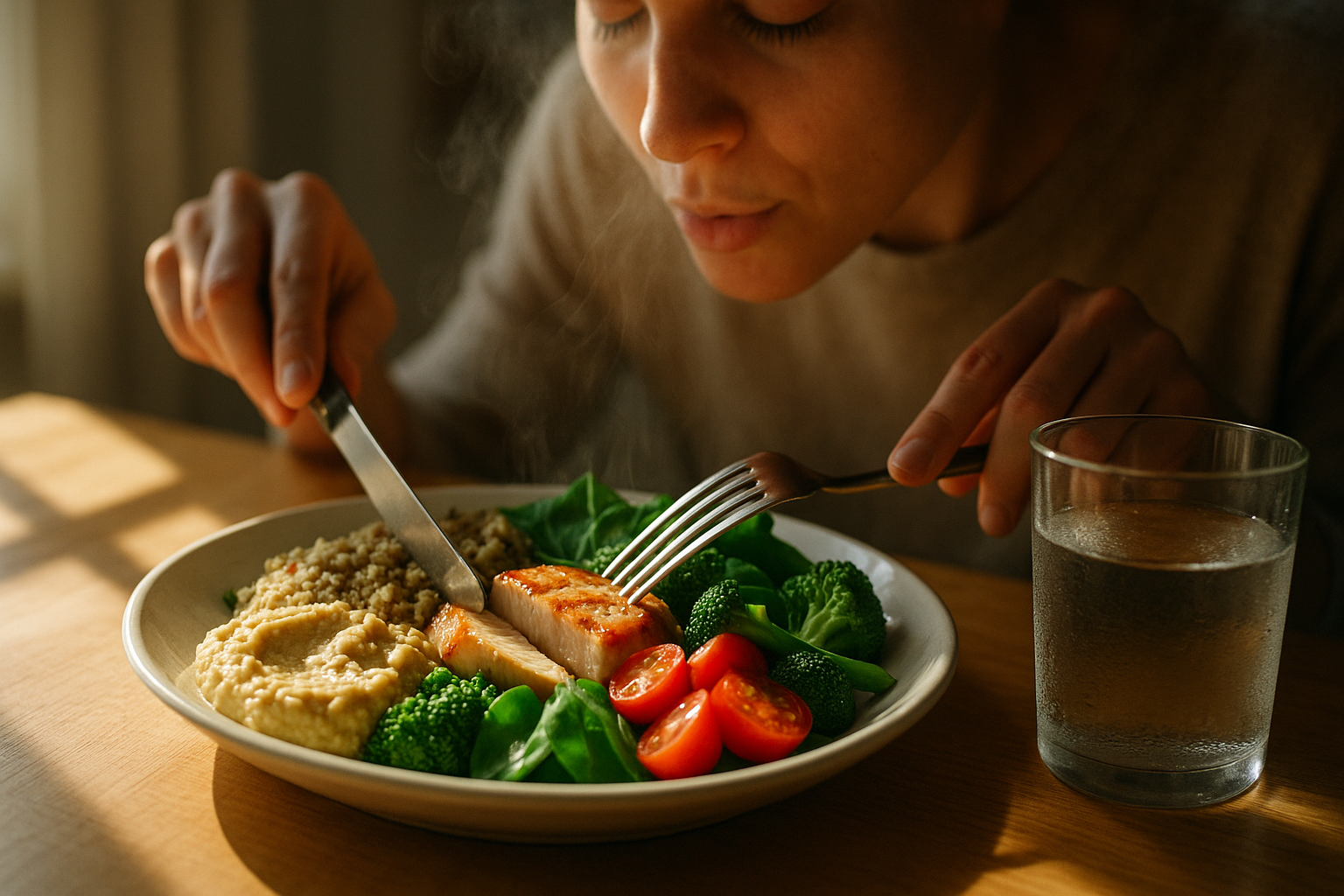
What if better health didn’t start with a stricter diet but with paying attention? “The 5 senses of eating” is a simple, science-informed practice: use sight, smell, touch, taste, and sound to slow down, heighten satisfaction, and make easier, healthier choices. In this guide, you’ll learn how to bring each sense to the table, the small cues that steer portions and pace, and practical tools you can use today. Note: This article is educational and not medical advice. If you live with a condition that affects eating (e.g., diabetes, digestive disorders, dysphagia, smell or taste loss), consult a qualified clinician for personalized guidance.
Definition (for quick reference): The 5 senses of eating is a mindful approach that engages sight, smell, touch, taste, and sound to enhance enjoyment, tune into hunger/fullness cues, and naturally moderate portions.
Quick-start: 30-second checklist
- Look at your plate first: color, portion balance, and serving size before the first bite.
- Smell the food to prime flavor and satisfaction.
- Notice texture and temperature; choose bites you can chew comfortably.
- Taste deliberately: small bites, thorough savoring, water between bites.
- Cut the noise: listen to your food and your body; reduce distractions.
1. Sight: Plate What You Want to Eat—and Be Satisfied With
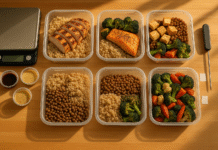
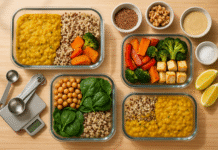
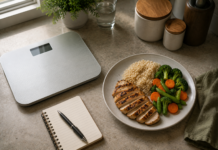
Start by using your eyes to set expectations and gentle guardrails: build a plate that looks balanced, colorful, and right-sized for you. Visual cues strongly shape how much we serve and how satisfied we feel, so give yourself an advantage before the first bite. A plate that’s half vegetables, a quarter protein, and a quarter whole grains (or starchy vegetables) creates an easy, at-a-glance template you can repeat at home or when dining out. Color contrast helps you notice variety and micronutrients; orderly plating slows you down. Even the size of your tableware and packages can nudge portions up or down—so pick tools that help you honor hunger without overshooting fullness.
1.1 Why it matters
Visual input primes the brain’s expectation of flavor and fullness. When your plate looks abundant with produce and includes a modest portion of calorie-dense foods, you’re more likely to feel satisfied with fewer excess calories. Research also shows that the size of portions, packages, and tableware can meaningfully change how much people serve and consume. That doesn’t mean “tricks” replace judgment; it means sight is a real lever. If you normally plate family-style from the pot, for example, switching to plated portions can reduce mindless refills. And if you scroll or watch TV while eating, you’re adding competing visual stimuli that drown out your plate’s helpful cues.
1.2 How to do it
- Use a standard plate template: Aim for ~½ vegetables/fruits, ~¼ protein, ~¼ whole grains/starches.
- Shrink the defaults: Choose 9–10 inch dinner plates and smaller bowls for everyday meals.
- Pre-portion snacks: Serve from a bowl, not the bag; put away extras before you sit.
- Color and height: Add greens and one other bright color; avoid monochrome beige plates.
- Serve water first: A clear glass next to your plate is a visual cue to pause and sip.
- Single-serve plating: Instead of placing pots on the table, plate in the kitchen and sit down.
1.3 Numbers & guardrails
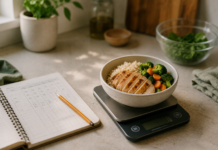
- Vegetable target: 2+ fist-sized servings of non-starchy veg at lunch/dinner.
- Protein range: Roughly a palm-sized portion for most adults at main meals (adjust for needs).
- Grains/starch: About a cupped-hand portion of cooked grains or starchy veg.
Close by reminding yourself: when your plate looks balanced and intentional, your eating tends to follow. Sight sets the tone for pace, portions, and satisfaction.
2. Smell: Let Aroma Lead to Slower, More Satisfying Bites
Pause for 5–10 seconds before the first bite and breathe in. Smell contributes most of what we call “flavor” via retronasal olfaction, and it’s the easiest way to prime satisfaction without extra calories. Letting aroma register can reduce the urge to rush—your brain begins savoring before you chew. This matters in real life: stress, screen distractions, and eating on the go dull aromas and nudge us toward faster, less satisfying meals. Bringing smell back online takes almost no time but changes the experience: steam rising from soup, the citrusy top note of a dressing, the toasty scent of whole grains. It’s also inclusive—people with mild taste differences can often tap aroma to enhance enjoyment.
2.1 Why it matters
Aroma is a major driver of flavor; when smell is impaired, many foods taste “flat.” Giving aroma a beat allows your brain to form a complete flavor picture, which often increases satisfaction with smaller portions. Smell also acts as a pacing cue: if you pause to inhale between bites, you create micro-breaks that let fullness signals catch up. Finally, aroma can guide better choices—herbs, spices, citrus, and aromatics (garlic, ginger, scallions) boost sensory richness so you can rely less on heavy sauces or added salt.
2.2 How to do it
- Create an aroma moment: Bring the plate near, close your eyes (if comfortable), take two slow nasal breaths.
- Cook with aromatic layers: Bloom spices in oil, add fresh herbs at the end, finish with citrus zest.
- Serve warm foods warm: A brief reheat (if safe) releases volatile compounds and heightens smell.
- Use “smell pauses” between bites: After swallowing, breathe in over your plate before reloading your fork.
- Pair neutral bases with aromatic toppers: Plain grains + herb relish; steamed veg + lemon-garlic drizzle.
2.3 Mini-checklist for busy meals
- Do I smell the food before the first bite?
- Did I notice at least two distinct aromas?
- Did I pause to inhale once or twice mid-meal?
In short, if you give aroma a moment, flavor becomes fuller and eating naturally slows—two ingredients for feeling satisfied with less.
3. Touch (Texture & Temperature): Choose Mouthfeel That Helps You Pace and Fill Up
Use texture and temperature to your advantage: combine crisp, juicy, and creamy elements and eat at a comfortable temperature so every bite invites thorough chewing. Mouthfeel influences both pleasure and pace. Crunchy vegetables, toothsome whole grains, and chewy legumes require more oral processing, which elongates eating time and can support satiety. Conversely, ultra-soft foods and hot temperatures can encourage large, rapid bites. You don’t have to overthink it; you simply want a mix that feels good to chew and swallow, with bite sizes you control. Paying attention to tactile cues also helps you notice when fullness builds—your body gives feedback that’s easy to miss when food is too hot, too cold, or texturally monotonous.
3.1 Why it matters
Texture is a powerful driver of intake. Crispness and chewiness often slow eating, giving fullness hormones time to register. Temperature is a pacing lever, too: very hot foods can speed you into short, frequent bites; ice-cold foods can dull taste and prompt larger portions to “feel” flavor. A texture-aware plate helps you eat more attentively without effort: think crunchy slaw alongside a soft taco, a handful of nuts over creamy yogurt, or al dente grains in a stew. People with dental or swallowing issues should tailor textures for safety and comfort—sensory awareness still applies, but the mix and pacing may differ.
3.2 How to do it
- Build contrast: Pair soft bases (soups, stews, porridges) with crunchy garnishes (seeds, toasted nuts, croutons, shredded veg).
- Right-size your bites: Cut meats and sandwiches into manageable pieces; use a teaspoon for rich desserts.
- Let food cool slightly: Aim for pleasantly warm, not tongue-scalding, to encourage slower, savoring bites.
- Hydrate between bites: A sip of water resets your palate and helps you notice mouthfeel changes.
- Whole-food textures: Choose whole grains (bulgur, brown rice, farro), firm legumes, and crisp produce.
3.3 Numbers & guardrails
- Pace target: Try 15–20 minutes for a simple meal, 20–30 for a full plate.
- Bite pacing: Set utensils down after every few bites; check in with your fullness at the halfway mark.
- Texture ratio: Include at least one crunchy/chewy element at every main meal (e.g., raw veg, nuts, toasted seeds).
3.4 Common mistakes
- Monotexture meals: A bowl of very soft foods can slide down quickly and feel less filling.
- Scalding temperatures: You eat too fast to avoid cooling; flavors blur.
- Oversized utensils or bowls: They load big bites and hide portions.
The takeaway: texture and temperature are quiet coaches. Design them to encourage comfortable chewing, steady pacing, and clearer fullness cues.
4. Taste: Balance Sweet, Salty, Sour, Bitter, and Umami to Reduce Over-Additions
Lead with balance, not bluntness. When all five basic tastes (sweet, salty, sour, bitter, umami) are in harmony, you often need less sugar, salt, or heavy sauces to feel satisfied. A squeeze of lemon can brighten a dish and make lower-sodium cooking pop; a handful of leafy greens adds a pleasant bitter that reins in sweetness; a dusting of parmesan or a splash of soy sauce can deliver umami depth so you don’t keep chasing flavor with more oil. Tasting deliberately—small bites, gentle aeration, noticing the start, middle, and finish—turns each mouthful into feedback for the next adjustment. This is practical at home and at restaurants: you can reshape taste with simple add-ons like citrus, vinegar, herbs, or chili without defaulting to more salt or sugar.
4.1 Why it matters
Taste is the most direct lever for flavor satisfaction—and satisfaction is the antidote to overeating. Balanced tastes help you stop when “delicious enough” arrives. Over-reliance on sugar or salt can mask complexity and set up a cycle of chasing intensity rather than nuance. By training your palate to notice sour brightness, bitter greens, and umami depth, you expand your toolbox. Over time, many people find their preferred saltiness and sweetness gently decrease, especially when they discover how acids and herbs lift flavor.
4.2 How to do it
- Layer acid: Lemon, lime, vinegars (sherry, rice, apple cider) at the end of cooking.
- Add umami smartly: Tomatoes, mushrooms, aged cheeses, soy sauce, miso, seaweed.
- Use “bitter as balance”: Arugula, radicchio, kale, dark chocolate (70%+) in small accents.
- Season at the table: Taste first, then add a pinch of salt if truly needed.
- Herb up: Finish with fresh parsley, cilantro, basil, dill, or mint for high aroma/low sodium impact.
- Sweetness with structure: Favor whole fruit, roasted veg, or a drizzle of honey over refined sweeteners.
4.3 Mini case: the weeknight bowl
- Base: ¾ cup cooked brown rice.
- Veg: 1 cup sautéed greens; ½ cup roasted carrots.
- Protein: ½ cup chickpeas.
- Finishers: 1 tsp olive oil, 1 tsp soy sauce, ½ tsp sesame seeds, squeeze of lime, pinch of chili.
Balanced taste? Sour from lime, umami from soy and sesame, gentle sweetness from carrots, mild bitterness from greens. Most people won’t reach for extra sauce.
4.4 Common mistakes
- Salting first, tasting later: You lose the chance to let acids/aromatics do the heavy lifting.
- Chasing sweetness: Each increase dulls nuance, prompting even more.
- No finishing touch: A dish without acid often reads “flat,” leading to over-salting.
In short, tune taste with small, intentional adjustments. Balance creates satisfaction—and satisfaction is a sturdy brake on overeating.
5. Sound: Turn Down Distractions and Let Crunch Cue Satiety
Sound is the often-ignored sense of eating. Reduce external noise and notice the internal sounds of your meal—crunch, sizzle, gentle bubbling—because they affect pace and perceived freshness. Loud, distracting environments (TV, endless scrolling, aggressive background music) disconnect you from bite-to-bite feedback and promote faster eating. By contrast, audible crunch can increase attention and make portions feel more satisfying. You don’t need silence; you need signal. Even modest changes—music turned down, screens off, a few crunchy elements on the plate—can help you eat slower and enjoy more.
5.1 Why it matters
Auditory cues influence how we perceive texture (e.g., crispness) and freshness, which in turn affect satisfaction and bite size. Noisy environments compete with those cues and with your own internal signals (hunger, fullness, comfort). Restaurants often use music tempo to affect turnover and energy; at home, you choose the soundscape. Noticing crunch while chewing naturally creates micro-pauses, while quieter settings let you hear your own pace and breath—simple, built-in brakes.
5.2 How to do it
- Kill the scroll: Put the phone out of reach; turn off TV during meals.
- Gentle soundtrack: If you like music, choose calm or instrumental playlists.
- Add “audible textures”: Sliced apples, raw peppers, toasted nuts/seeds, crisp lettuce.
- Mindful bites: Close your mouth as you chew; pay attention to the sound cycle from first crunch to soften.
- Family cue: Share one minute of silence at the start of meals to settle attention.
5.3 Mini-checklist
- Could I describe the crunch of this meal?
- Did I notice the first and last crunch of a bite?
- Did I have at least 10 quiet minutes to eat?
Wrap-up: when sound supports attention (and not distraction), you notice more per bite and often need fewer bites to feel satisfied.
FAQs
1) What is “the 5 senses of eating” in one sentence?
It’s a mindful, sensory-aware approach that uses sight, smell, touch (texture/temperature), taste, and sound to slow down, increase satisfaction, and align portions with your body’s hunger/fullness signals. By engaging all five senses, you make healthier choices feel natural rather than forced, which helps habits stick over time.
2) Does eating more slowly really help with weight management?
Eating quickly is associated with higher intake and greater odds of overweight in observational studies, while slowing down can help some people consume fewer calories and feel fuller. It isn’t magic—food choices still matter—but pacing gives fullness hormones time to register. Aim for meals that take at least 15–20 minutes, and use the senses (especially texture and sound) to build in pauses.
3) How do I use the senses when I have only 10 minutes to eat?
Pick one cue for each sense: look at your plate and confirm a veg-heavy balance; inhale twice before the first bite; choose manageable textures and let hot food cool a bit; take smaller bites and add a squeeze of citrus or herbs to amplify flavor; silence your phone and notice the crunch of your first three bites. Even small doses of attention change the experience.
4) I can’t smell well—will this still work?
Yes. Focus on the other senses: sight (color/contrast), touch (texture/temperature you enjoy and can chew comfortably), taste (balance with acid and umami), and sound (reduce distractions and notice chewing). You can also lean into high-impact aromatics for guests or family who do smell well, while tailoring textures and tastes to your preferences.
5) Does plate size actually change how much I eat?
Large portions, packages, and tableware tend to increase how much people serve and consume. Using moderately sized plates and bowls, plating in the kitchen, and pre-portioning snacks are practical ways to counter that nudge. These strategies don’t force restriction; they make your chosen portions visually satisfying.
6) What are simple flavor balancers I can keep on hand?
Citrus (lemons, limes), vinegars (apple cider, sherry, rice), tomato paste, soy sauce or tamari, miso, parmesan, mushrooms (fresh or dried), fresh herbs, chili flakes, and garlic/ginger. With these, you can brighten, deepen, or add gentle bitterness so you rely less on heavy sauces, extra sugar, or extra salt.
7) How do I involve kids or partners without nagging about portions?
Make it a game of senses. Ask everyone to describe two colors on their plate, one aroma they notice, a favorite texture, a taste that stands out, and the sound of the crunchiest bite. This shifts attention to enjoyment and curiosity, not rules. Keep family-style dishes off the table if refills are an issue; invite second helpings of vegetables first.
8) Can I use this approach when dining out?
Absolutely. Scan the plate before you start; add a side salad or vegetable; ask for sauces on the side; smell your meal before the first bite; take a pause at the halfway point; share a main or box half for later; and lower distractions at the table. If the environment is loud, lean harder on the other senses and your own pacing cues.
9) What if I’m following a specific diet (e.g., plant-based, low-sodium, diabetes-friendly)?
The five senses support any pattern. Sight helps with plate balance, smell and taste amplify flavor without extra sugar/salt, texture promotes slower eating, and sound reduces distractions. Tailor choices to your plan (e.g., herbs and citrus for low-sodium, whole-food textures for higher fiber, measured carbohydrate portions for diabetes), and coordinate with your clinician or dietitian.
10) How long until this feels natural?
Most people notice benefits immediately (more enjoyment, a calmer pace). Within 1–2 weeks of consistent practice—one meal per day is enough—new defaults emerge: you plate more color, you reach for herbs and citrus automatically, you hear your crunch, and you put your fork down between bites. Small, repeatable cues become habits.
11) Are there tools that make this easier?
Yes: 9–10 inch plates; small bowls for snacks; citrus juicer; microplane for zest; small ramekins for sauces; a timer or mindful eating app for gentle pacing; a water carafe at the table; and a “phone basket” to keep screens away during meals. None are required; they just reinforce your sensory intentions.
12) How do I measure progress without calorie counting?
Track behaviors and feelings: time spent eating, number of meals with two or more colors of veg, days you paused to smell before the first bite, how often you ate without screens, and your post-meal fullness (on a simple 1–5 scale). Over a month, these trend lines often correlate with steadier energy, better digestion, and more consistent portions.
Conclusion
Healthy eating sticks when it feels good, not when it feels like punishment. The 5 senses of eating turns every meal into a feedback loop you actually enjoy: sight shapes portions and balance at a glance; smell builds anticipation and slows the start; touch (texture and temperature) sets a comfortable pace and boosts fullness; taste balances flavor so less sugar and salt can still feel deeply satisfying; and sound keeps you present and responsive to your own body’s cues. Start small. Pick one sense per meal this week and layer in the others as it gets easier. Plate with color, pause for aroma, add one crunchy element, finish with a splash of acid, and put your phone away. The more you practice, the more “healthy” and “happy” converge at the same table.
Your next bite can be different—choose one sense to focus on at your very next meal.
References
- Mindful Eating, Harvard T.H. Chan School of Public Health, 2024, https://www.hsph.harvard.edu/nutritionsource/mindful-eating/
- Taste and Smell, National Institute on Deafness and Other Communication Disorders (NIH), 2023, https://www.nidcd.nih.gov/health/taste-and-smell
- Portion, package or tableware size for changing selection and consumption of food, alcohol and tobacco (Cochrane Review), Cochrane, 2015, https://www.cochranelibrary.com/cdsr/doi/10.1002/14651858.CD011045.pub2/full
- Multisensory flavour perception, Flavour (BioMed Central), Spence C., 2015, https://flavourjournal.biomedcentral.com/articles/10.1186/s13411-015-0027-3
- The role of auditory cues in modulating the perception of crispness and staleness, Journal of Sensory Studies, Zampini M., Spence C., 2004, https://doi.org/10.1111/j.1745-459X.2004.050403.x
- 2020–2025 Dietary Guidelines for Americans, U.S. Departments of Agriculture and Health and Human Services, 2020, https://www.dietaryguidelines.gov
- Eating speed and obesity: a systematic review and meta-analysis, BMJ Open, Ohkuma T. et al., 2015, https://bmjopen.bmj.com/content/5/1/e006620
- Mindful eating: what it is and how to practice it, American Heart Association, 2022, https://www.heart.org/en/healthy-living/healthy-eating/eat-smart/nutrition-basics/mindful-eating
- MyPlate Method (Build a Healthy Eating Routine), U.S. Department of Agriculture, 2024, https://www.myplate.gov
- Mindfulness meditation programs for psychological stress and well-being, JAMA Internal Medicine, Goyal M. et al., 2014, https://jamanetwork.com/journals/jamainternalmedicine/fullarticle/1809754